
Your lawn mower’s spark plug is a tiny but vital component. You should generally change your lawn mower spark plug every 100 hours of use or once a year, whichever comes first. This simple maintenance task is crucial for keeping your mower running smoothly.
This guide will delve deep into everything you need to know about spark plug replacement for your lawn mower. We’ll cover how often to change it, why it’s important, how to spot a failing plug, and specific tips for popular brands. Let’s get your mower in top shape!
Image Source: greenpal-production.s3.amazonaws.com
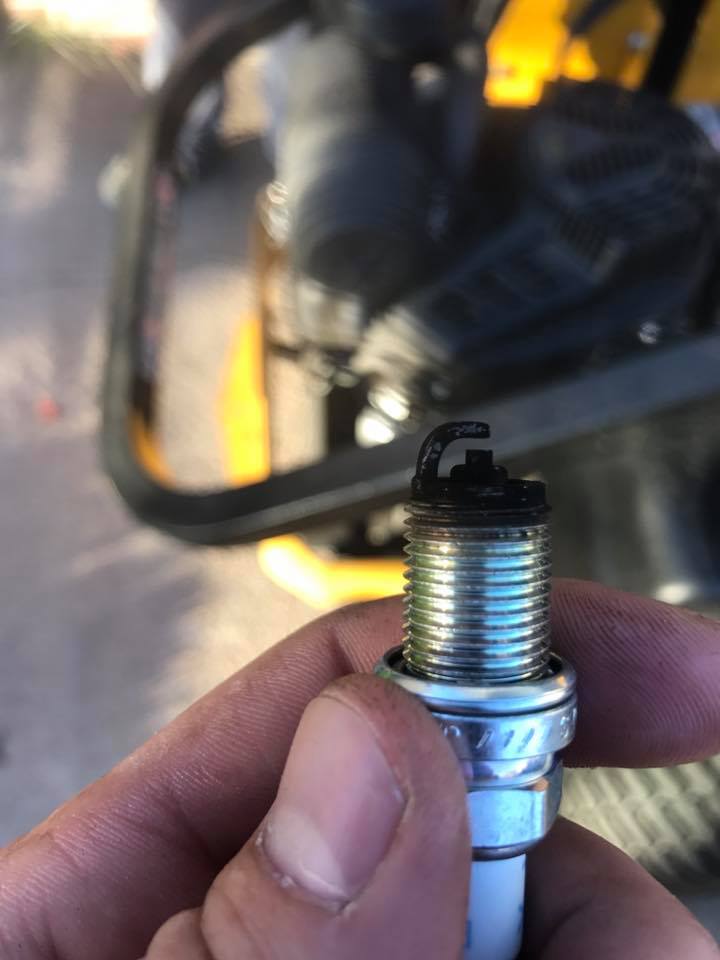
Why Spark Plug Maintenance Matters
Think of the spark plug as the ignition switch for your lawn mower’s engine. It creates the spark that ignites the fuel-air mixture, powering your mower. Over time, this vital part wears down. A worn-out spark plug can lead to a host of problems, making your mower harder to start, less efficient, and more prone to stalling. Regular maintenance, including lawn mower maintenance schedule adherence, ensures your mower performs at its best.
The Role of the Spark Plug in the Lawn Mower Ignition System
The lawn mower ignition system is a precise sequence. When you pull the starter cord or turn the key, a signal is sent. This signal travels through the ignition coil, which boosts the voltage. This high voltage then jumps across the gap of the spark plug. This jump creates a hot spark. This spark ignites the compressed fuel and air inside the combustion chamber. The resulting explosion pushes the piston, turning the crankshaft and ultimately powering the mower’s blades.
A clean, properly gapped spark plug is essential for a strong, consistent spark. If the plug is fouled, worn, or damaged, the spark will be weak or inconsistent. This directly impacts how well your engine runs.
How Often to Change Your Lawn Mower Spark Plug: The Spark Plug Replacement Frequency
So, what’s the magic number for spark plug replacement frequency? While usage hours are the most accurate measure, a yearly change is a good general rule.
Factors Influencing Spark Plug Lifespan
Several factors can affect the spark plug lifespan:
- Engine Type: Different engines have different operating characteristics.
- Fuel Quality: Poor fuel can lead to plug fouling.
- Operating Conditions: Dusty or dirty environments can accelerate wear.
- Engine Load: Consistently running the mower at full throttle might wear the plug faster.
- Quality of the Spark Plug: Higher-quality plugs generally last longer.
Recommended Intervals for Spark Plug Changes
- General Guideline: 100 operating hours or annually.
- Heavy Use: If you mow a large property or have demanding terrain, consider checking or replacing it every 50-75 hours.
- Infrequent Use: If you only use your mower a few times a year, an annual change is still a good idea to prevent corrosion and fouling from sitting.
When to Replace Lawn Mower Parts: Beyond the Spark Plug
While the spark plug is important, it’s part of a larger system. Knowing when to replace lawn mower parts in general will save you headaches.
Other Common Maintenance Items
- Air Filter: Clean or replace the air filter annually, or more often if you mow in dusty conditions. A clogged air filter restricts airflow, making the engine run rich and potentially fouling the spark plug.
- Oil: Change the engine oil at least once a year, or as recommended by your mower’s manufacturer. Dirty oil can’t lubricate properly and can cause engine damage.
- Fuel Filter: Replace the fuel filter periodically, especially if you experience fuel delivery issues.
- Blade: Sharpen or replace your mower blade at least once a year. A dull blade tears grass, leading to unhealthy lawns and making the engine work harder.
Symptoms of a Bad Spark Plug
How can you tell if your spark plug is the culprit behind your mower’s woes? Look out for these symptoms of a bad spark plug:
- Difficulty Starting: The engine struggles to turn over or won’t start at all.
- Rough Idling: The engine runs unevenly or shakes more than usual.
- Misfiring: The engine sputters or cuts out intermittently.
- Loss of Power: The mower feels sluggish and doesn’t have its usual cutting power.
- Increased Fuel Consumption: The engine is less efficient and uses more gas.
- Black Smoke from the Exhaust: This can indicate an overly rich fuel mixture, often due to a bad spark plug or air filter.
- Engine Stalling: The mower stops unexpectedly, especially under load.
The Best Time to Change Your Mower Spark Plug
The best time to change mower spark plug is typically during your regular lawn mower tune-up. This is often done in the spring before the mowing season begins or in the fall after the season ends.
Spring Tune-Up Checklist
When preparing for the spring mowing season, consider these tasks:
- Check and Clean/Replace Air Filter: Ensure good airflow.
- Change Engine Oil: Start with fresh, clean oil.
- Inspect and Clean/Replace Spark Plug: Check for fouling and replace if needed.
- Inspect and Sharpen/Replace Mower Blade: For a clean cut.
- Check Fuel Lines: Look for cracks or leaks.
- Add Fresh Fuel and Stabilizer: Old fuel can cause problems.
- Check Tire Pressure: For even mowing.
Fall Winterization
In the fall, changing the spark plug as part of winterizing can help prevent corrosion over the off-season.
How to Change a Lawn Mower Spark Plug: A Step-by-Step Guide
Changing a spark plug is a straightforward DIY task. You’ll need a few basic tools.
Tools You’ll Need
- Spark Plug Wrench or Socket Set: Make sure you have the correct size for your mower’s plug.
- Gloves: To keep your hands clean.
- Rags or Shop Towels: For cleaning.
- Wire Brush: For cleaning around the spark plug hole.
- ** গ্যাপ gauge (feeler gauge):** To check the gap on the new spark plug.
- New Spark Plug: Ensure it’s the correct type for your mower.
Step-by-Step Instructions
- Safety First: Disconnect the Spark Plug Wire: Locate the spark plug wire (usually a rubber boot). Gently pull it off the spark plug. Never try to start the engine with the wire removed, as it can damage the ignition system.
- Clean Around the Spark Plug: Before removing the old plug, use a wire brush or rag to clean any debris from around the spark plug base. This prevents dirt from falling into the cylinder when the plug is removed.
- Remove the Old Spark Plug: Place the spark plug wrench or socket over the plug. Turn it counter-clockwise to loosen and remove it.
- Inspect the Old Spark Plug: Examine the tip of the old plug. The color and condition of the electrode can tell you a lot about how your engine is running.
- Light Tan/Gray: Ideal. Indicates good combustion.
- Black and Sooty: Too much fuel, not enough air, or too cold a plug.
- Oily Black: Engine is burning oil.
- White or Blistered: Overheating or lean fuel mixture.
- Check the Gap on the New Spark Plug: New spark plugs usually come pre-gapped, but it’s always best to check. Consult your mower’s manual for the correct gap specification. Use a feeler gauge to measure the distance between the center and ground electrodes. Adjust the gap carefully by gently bending the ground electrode if needed.
- Install the New Spark Plug: Screw the new spark plug in by hand first. This prevents cross-threading. Once it’s snug, use the spark plug wrench to tighten it an additional 1/2 to 3/4 turn. Do not overtighten, as this can damage the cylinder head.
- Reconnect the Spark Plug Wire: Push the spark plug wire boot firmly back onto the new spark plug until it clicks into place.
- Test Your Mower: Start your mower to ensure it runs smoothly.
Brand-Specific Spark Plug Information
Different lawn mower brands may have specific recommendations or common spark plug types.
Briggs and Stratton Spark Plug Change
Briggs and Stratton engines are common in many lawn mower brands. For a Briggs and Stratton spark plug change, common replacements include the Champion RJ19LM or NGK BKR5ES-11. Always check your specific Briggs and Stratton engine model for the exact recommended plug.
Honda Mower Spark Plug Interval
Honda mowers are known for their reliability. The typical Honda mower spark plug interval is also around 100 hours of use or annually. For many Honda lawn mowers, the NGK GR5IX (Iridium) or NGK CR5HS-9 are often recommended. Refer to your Honda owner’s manual for the precise part number.
Troubleshooting Spark Plug Issues
If you’ve changed your spark plug and are still having problems, here are some troubleshooting tips:
- Double-Check the Gap: Ensure the new spark plug is gapped correctly.
- Inspect the Spark Plug Wire: Look for cracks, fraying, or corrosion on the wire and boot.
- Check the Ignition Coil: A faulty ignition coil will prevent a spark from reaching the plug. This is a more advanced repair.
- Clean the Carburetor: A dirty carburetor can cause fuel delivery issues that mimic a bad spark plug.
- Check for Compression: If the engine has low compression, it won’t run properly, regardless of the spark plug condition.
Frequently Asked Questions (FAQ)
Q1: Can I use a different brand of spark plug than what’s recommended?
A1: Yes, you can usually use a spark plug from a reputable brand (like NGK, Champion, Autolite) as long as it has the correct specifications: thread size, reach, heat range, and electrode gap. Always consult your owner’s manual for the exact recommended specifications.
Q2: How do I know if my spark plug is bad?
A2: Symptoms of a bad spark plug include difficulty starting, rough idling, misfiring, loss of power, and increased fuel consumption. Visual inspection of the old plug can also reveal fouling or wear.
Q3: Do I need to gap a new spark plug?
A3: It’s always best to check the gap on a new spark plug using a feeler gauge. While many come pre-gapped, the setting can sometimes be disturbed during shipping. Refer to your mower’s manual for the correct gap.
Q4: What happens if I don’t change my spark plug?
A4: If you don’t change your spark plug, your mower may become harder to start, run less efficiently, and eventually the plug can fail completely, preventing the engine from running. It can also lead to increased wear on other ignition system components.
Q5: How often should I perform a full lawn mower tune-up?
A5: A full lawn mower tune-up is generally recommended once a year, ideally before the mowing season begins. This includes checking and changing fluids, filters, and the spark plug, as well as inspecting other key components.
Conclusion
Maintaining your lawn mower’s spark plug is a simple yet critical part of keeping your machine in good working order. By following a regular lawn mower maintenance schedule and paying attention to the symptoms of a bad spark plug, you can ensure your mower starts reliably and runs efficiently season after season. Don’t underestimate the power of this small component in your lawn mower ignition system. Make spark plug replacement frequency a priority for a well-maintained and long-lasting mower.