
How often should you mow your lawn in summer? You should generally mow your lawn about once a week during the summer months. This frequency ensures your grass stays healthy and looks its best, even with the challenges of summer weather.
Summer is a critical time for your lawn. The intense heat and potential for dry spells can stress your grass. Proper lawn mowing frequency is a cornerstone of summer lawn care. It directly influences your grass’s turf health. Mowing too much or too little can have negative consequences. This guide will help you determine the best mowing schedule for your lawn this summer. We’ll explore factors like grass type, grass growth rate, and the impact of heat on grass.
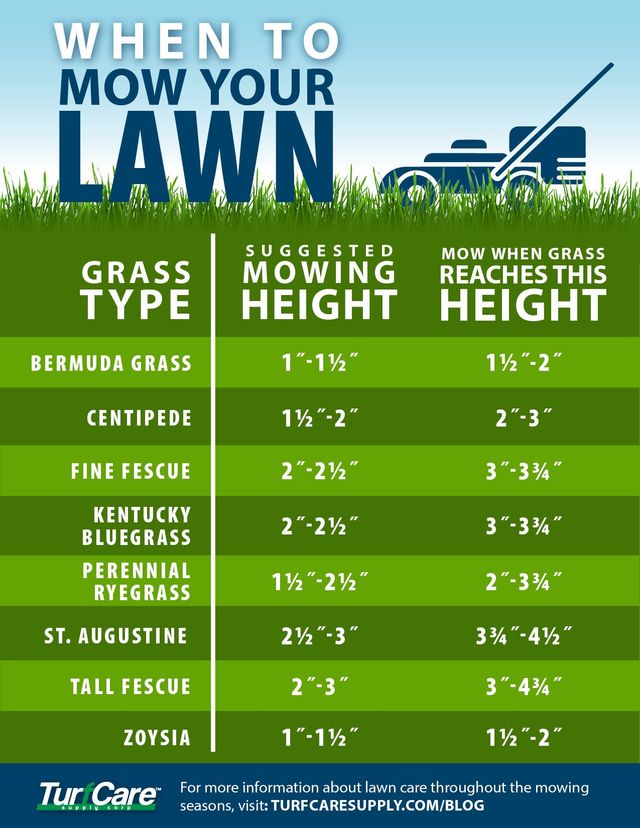
Image Source: lirp.cdn-website.com
Deciphering Seasonal Mowing Needs
Your lawn’s needs change with the seasons. Summer presents unique challenges for grass. High temperatures and reduced rainfall can slow growth in some grasses, while others might thrive. Seasonal mowing strategies need to adapt to these conditions.
Cool-Season vs. Warm-Season Grasses
The type of grass you have is the most important factor in deciding mowing frequency. This is especially true during the summer.
-
Cool-Season Grasses: These grasses, like Kentucky Bluegrass, Perennial Ryegrass, and Fescues, prefer cooler temperatures. They often slow down their growth in the peak of summer heat. When they do grow, they may not need mowing as often as they do in spring or fall. The impact of heat on grass for cool-season types means they can go dormant if stressed. Mowing too short during hot periods can further stress them.
-
Warm-Season Grasses: These grasses, such as Bermuda Grass, Zoysia Grass, and St. Augustine Grass, are built for heat. They typically grow most vigorously during the summer months. This means they will likely require more frequent mowing to keep them at their optimal mowing height.
Table 1: Common Summer Grass Types and Their Growth Habits
| Grass Type | Peak Growth Season | Summer Growth Rate | Mowing Frequency (General) |
|---|---|---|---|
| Kentucky Bluegrass | Spring/Fall | Slowed by heat | Every 7-14 days |
| Perennial Ryegrass | Spring/Fall | Slowed by heat | Every 7-14 days |
| Fine Fescues | Spring/Fall | Slowed by heat | Every 7-14 days |
| Bermuda Grass | Summer | Vigorous | Every 3-7 days |
| Zoysia Grass | Summer | Vigorous | Every 5-10 days |
| St. Augustine Grass | Summer | Vigorous | Every 5-10 days |
The One-Third Rule: A Golden Guideline
A fundamental principle in lawn care is the “one-third rule.” This means you should never remove more than one-third of the grass blade’s height in a single mowing.
-
Why is this important? Cutting too much grass at once can shock the plant. It forces the grass to expend a lot of energy on regrowth instead of healthy root development. This is particularly detrimental during hot summer weather when the grass is already under stress.
-
Example: If your optimal mowing height is 3 inches, you should mow when the grass reaches 4 inches. This allows you to remove only 1 inch, which is less than one-third of the total height.
Fathoming the Impact of Heat on Grass
Summer’s heat is a major factor influencing how often you need to mow. High temperatures can affect grass growth rate in different ways depending on the grass type.
Heat Stress and Growth
-
Cool-Season Grasses: As mentioned, these grasses often slow their growth or even go dormant when temperatures consistently exceed 85-90°F (29-32°C). During these periods, their grass growth rate significantly decreases. You can usually extend the time between mowings. Mowing too frequently or too short during heat stress can damage the grass, making it more susceptible to disease and browning.
-
Warm-Season Grasses: These grasses are adapted to heat and will continue to grow actively, sometimes even more so, as temperatures rise. Their robust growth means you’ll need to stick to a more regular mowing schedule to maintain their optimal mowing height.
Watering and Fertilization Influence
The amount of water and fertilizer your lawn receives also impacts its grass growth rate and, consequently, your lawn mowing frequency.
-
Adequate Water: If your lawn is well-watered, even cool-season grasses might maintain a decent growth rate for longer, especially in milder summer climates. This might necessitate mowing closer to the weekly mark.
-
Fertilization: Fertilizing too much in summer, especially with high-nitrogen fertilizers, can stimulate rapid growth. This can lead to a need for more frequent mowing, even if the grass is already under heat stress. It’s generally recommended to reduce or avoid nitrogen-heavy fertilization on cool-season grasses during the hottest months.
Determining Your Optimal Mowing Height
The height at which you mow your lawn is as crucial as the frequency. The optimal mowing height varies by grass type and time of year. In summer, mowing at a slightly higher setting is often beneficial, especially for cool-season grasses.
Benefits of Mowing Higher in Summer
- Shade for Soil: Taller grass blades shade the soil. This helps keep the soil cooler and reduces moisture evaporation, conserving water.
- Deeper Roots: Encouraging deeper root growth is vital for drought tolerance. Taller grass blades support stronger root systems.
- Weed Suppression: A thicker, taller lawn can outcompete weeds for sunlight, water, and nutrients.
Recommended Mowing Heights for Common Grass Types
Table 2: Optimal Mowing Heights for Summer
| Grass Type | Optimal Mowing Height (Summer) |
|---|---|
| Kentucky Bluegrass | 3 – 3.5 inches |
| Perennial Ryegrass | 2.5 – 3 inches |
| Fine Fescues | 3 – 3.5 inches |
| Tall Fescue | 3 – 4 inches |
| Bermuda Grass | 0.5 – 1.5 inches |
| Zoysia Grass | 0.75 – 1.5 inches |
| St. Augustine Grass | 2 – 3 inches |
| Centipede Grass | 1.5 – 2.5 inches |
Note: Always adjust your mowing height based on specific conditions and your lawn’s appearance. If you notice signs of stress (browning, wilting), consider raising your mower deck.
Crafting Your Summer Mowing Schedule
Creating a consistent mowing schedule is key to maintaining a healthy lawn. This involves observing your grass and adjusting your routine as needed.
Factors Influencing Your Schedule
- Rainfall: Periods of heavy rain in summer will likely boost grass growth rate, requiring more frequent mowing. Dry spells will do the opposite.
- Temperature: Hot, dry weather will slow growth for cool-season grasses, allowing for longer intervals between mowing.
- Fertilization: As noted, recent fertilization can increase growth.
- Sunlight: Lawns in full sun typically grow faster than those in shade.
- Traffic: Areas with heavy foot traffic might need different mowing considerations for resilience.
How to Observe Your Lawn
- Visual Cues: Look at the grass blades. Are they looking shaggy? Has the overall height significantly increased since the last mow?
- The “Spring Test”: Step on the grass in an area. If the blades spring back up quickly, they are generally healthy and ready to be cut. If they stay flattened, they might be stressed or too wet.
Example Mowing Schedule Considerations:
- Scenario 1 (Cool-Season Grass, Hot & Dry Summer): You might find yourself mowing every 10-14 days, provided the grass isn’t showing signs of severe stress. Stick to the one-third rule and the higher end of the optimal mowing height range.
- Scenario 2 (Warm-Season Grass, Hot & Humid Summer): You could be mowing every 3-5 days. The grass is actively growing and will benefit from regular trimming to maintain its health and appearance at the lower end of its optimal mowing height.
Mowing Techniques for Summer Success
Beyond frequency and height, how you mow matters. Employing the right techniques can significantly improve your lawn’s resilience during summer.
Mulching vs. Bagging
- Mulching: When you mow, leave the clippings on the lawn. These clippings decompose and return valuable nutrients to the soil, acting as a natural fertilizer. This is especially beneficial in summer when nutrients might be depleted. Make sure your mower has a mulching blade and that you are not cutting off too much at once, which can lead to clumps.
- Bagging: If the grass is excessively long or you have disease issues, you might need to bag the clippings. However, for regular summer mowing, mulching is generally preferred for turf health.
Mowing When Conditions Are Right
- Avoid Mowing Wet Grass: Mowing wet grass can lead to clumping, uneven cuts, and the spread of fungal diseases. Wait until the grass blades are dry.
- Mow in the Evening or Morning: Avoid mowing during the hottest part of the day. This reduces stress on the grass and is safer for the mower operator.
Maintaining Turf Health Throughout Summer
Summer lawn care is about more than just mowing. It’s a holistic approach to keeping your grass healthy and strong.
Watering Wisely
- Deep and Infrequent: Water your lawn deeply but less often. This encourages deeper root growth, making the grass more drought-tolerant.
- Early Morning Watering: Watering in the early morning is best. It allows water to soak into the soil before the heat of the day causes excessive evaporation. It also allows the grass blades to dry before nightfall, reducing disease risk.
- Signs of Thirst: Look for signs of drought stress, such as a bluish-gray tint to the grass or footprints that remain visible after walking on it.
Fertilization in Summer
- Cool-Season Grasses: It’s generally best to reduce or avoid high-nitrogen fertilization for cool-season grasses from late spring through summer. If fertilization is necessary, use slow-release formulations and apply them when temperatures are milder.
- Warm-Season Grasses: Warm-season grasses generally tolerate summer fertilization well and often benefit from it during their active growth period.
Aeration and Dethatching
- Aeration: If your soil is compacted, aeration can help improve water and nutrient penetration to the roots. This is best done in late spring or early fall, but if summer heat is moderate, a light aeration might be tolerated.
- Dethatching: A thick layer of thatch can hinder water and nutrient uptake. Dethatching is typically best done when the grass is actively growing, which is spring or fall for cool-season grasses, and summer for warm-season grasses. However, always consider the heat and moisture levels.
Frequently Asked Questions About Summer Mowing
Q1: Can I mow my lawn every day in summer?
While some fast-growing grasses, like Bermuda, might technically need mowing every few days in peak season, mowing every day is generally not recommended. It can severely stress the grass, especially if you’re not adhering to the one-third rule. Consistent, weekly mowing is usually sufficient for most lawns.
Q2: What happens if I don’t mow my lawn in summer?
If you don’t mow, the grass will grow taller. For cool-season grasses, this can be beneficial in the heat as it provides shade and conserves moisture. However, very tall grass can become matted and may harbor pests or diseases. For warm-season grasses, letting them get too tall can lead to a decline in quality and vigor.
Q3: How can I tell if my lawn is stressed from mowing?
Signs of mowing stress include browning grass blades, especially at the tips, wilting, and a generally dull appearance. If you’ve mowed recently and notice these symptoms, it’s a sign you might be mowing too frequently, too short, or during inappropriate conditions (like the heat of the day).
Q4: Should I raise my mower deck if my lawn looks dry?
Yes, if your lawn is showing signs of drought stress (a gray-green color, footprints remaining), raising your mower deck is a good idea. Taller grass blades will shade the soil, help retain moisture, and reduce further stress on the grass roots.
Q5: Is it okay to mow grass that is slightly yellow in summer?
If the yellowing is due to drought stress, mowing at a higher setting and watering might help. If the yellowing is due to disease or nutrient deficiency, mowing frequency might need to be adjusted, and you may need to consult specific summer lawn care guides for those issues. Avoid mowing if the grass is severely wilted.
By following these expert guidelines, you can ensure your lawn not only survives but thrives through the summer months, maintaining its health and beautiful appearance. Remember to always observe your lawn’s specific conditions and adapt your mowing schedule accordingly.