
How much water does an overseeded lawn need? An overseeded lawn needs consistent moisture to germinate and establish. This typically means keeping the top 1-2 inches of soil moist, but not waterlogged, throughout the germination period. The exact amount will vary based on weather, soil type, and the specific grass seed used, but a good rule of thumb is to water lightly several times a day.
Overseeding is a fantastic way to rejuvenate a tired lawn, fill in bare patches, and improve its overall health and density. However, the success of your overseeding efforts hinges significantly on one crucial factor: watering. Getting the watering overseeded grass right is not a one-size-fits-all approach. It requires a delicate balance – too little water and your new seeds won’t germinate, too much and you risk drowning them or encouraging disease. This guide will delve deep into the specifics of how much to water overseeded lawn, providing you with the knowledge and actionable tips for a lush, vibrant outcome.
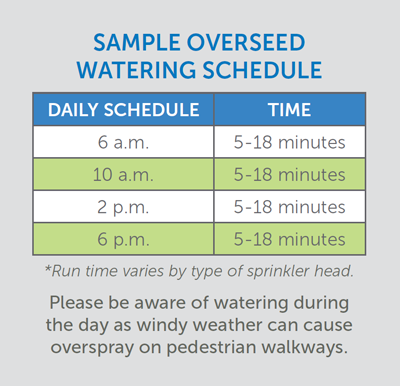
Image Source: www.brightview.com
The Critical First Few Weeks: Establishing Your New Grass
The period immediately following overseeding is the most delicate. Your new grass seed is a vulnerable sprout, desperate for the right conditions to thrive. This is where your overseeding lawn watering schedule becomes paramount. Think of it as providing a constant, gentle hydration to a newborn.
Early Germination: Keeping the Seedbed Moist
For the first 7-14 days after sowing, the primary goal is to keep the seedbed consistently moist. This doesn’t mean flooding the area; rather, it means preventing the surface from drying out.
- Frequency: You’ll likely need to water multiple times a day. This could be 2-3 light applications per day, especially in warm or windy weather.
- Duration: Each watering session should be short. The aim is to moisten the top layer of soil where the seeds are lying, not to saturate the entire root zone.
- Observation: Your eyes are your best tool here. Look for the soil surface to be consistently damp. If it starts to look dry or dusty, it’s time to water again.
Fathoming the Need for Consistent Moisture:
The outer shell of a grass seed contains all the necessary components for a new plant to begin its life. Water is the trigger that activates these components. Without consistent moisture, the seed will not imbibe water (take it in), and germination will either not occur or will be significantly delayed and patchy. Imagine a tiny seed holding all its energy in a dry package; it needs liquid to “wake up” and start growing.
The Role of Soil Temperature
While we focus on keeping the surface moist, it’s important to remember that soil temperature also plays a significant role in seed germination. For cool-season grasses, ideal soil temperatures are between 50°F and 65°F. For warm-season grasses, this range is higher, typically between 70°F and 85°F. Consistent watering helps maintain a stable soil temperature, preventing drastic fluctuations that can shock young seedlings.
Watering Newly Seeded Areas: Beyond the First Two Weeks
Once you start seeing significant germination – that’s when the tiny green shoots begin to emerge – you can gradually adjust your watering approach. This transition is key to encouraging deeper root growth.
Encouraging Deeper Roots: Moving from Light and Frequent to Deeper and Less Frequent
The goal now shifts from keeping the surface moist to encouraging the young roots to seek out water deeper in the soil. This is where the concept of watering new grass seed needs to evolve.
- Frequency: Reduce the frequency of watering, but increase the duration of each watering session. Instead of multiple short sprinklings, aim for one longer watering.
- Duration: Water deeply enough to moisten the soil to a depth of 3-4 inches. This encourages the roots to grow downwards in search of moisture.
- Observation: Allow the surface to dry out slightly between waterings. This “stress” encourages the roots to push further down.
Grasping the Root Development Process:
When you water deeply, the moisture penetrates further into the soil. Young grass roots, instinctively seeking water, will follow this moisture. If you only ever water the very surface, the roots will remain shallow, making the grass susceptible to drought and heat stress. Deep watering trains the grass to build a robust root system that can access moisture even when the surface is dry.
Watering Dormant Grass Seed: A Different Strategy
It’s important to distinguish between actively germinating seed and dormant grass seed that has been sown but is waiting for ideal conditions. If you’ve overseeded in the fall and there are still seeds that haven’t germinated due to cooler temperatures, the watering strategy is different.
- Moisture is still key: Dormant seeds still need moisture to remain viable. However, the goal isn’t to encourage immediate growth.
- Avoid saturation: Overwatering dormant seed can lead to rot or fungal issues. Keep the soil consistently moist but not saturated.
- Seasonal adjustments: As temperatures cool and rainfall increases, you may need to adjust your watering schedule accordingly.
Watering Overseeded Grass: Factors Influencing Your Schedule
Several environmental and situational factors will dictate how much and how often you need to water your overseeded lawn. Being adaptable is crucial.
Weather Conditions: The Biggest Variable
- Temperature: Hotter temperatures mean faster evaporation, requiring more frequent watering. Cooler temperatures reduce evaporation.
- Sunlight: Lawns exposed to full sun will dry out faster than those in shade.
- Wind: Wind can significantly dry out the soil surface and the young grass blades, necessitating more frequent watering.
- Rainfall: Natural rainfall can supplement your watering. Monitor rainfall amounts and adjust your irrigation accordingly. Don’t water if the lawn has received at least 0.5 inches of rain.
Soil Type: Drainage Matters
- Sandy Soils: These soils drain quickly, meaning they dry out faster. You’ll need to water more frequently, but perhaps for shorter durations to avoid excessive runoff.
- Clay Soils: These soils retain moisture for longer periods. Be careful not to overwater, as they can become waterlogged, which is detrimental to young grass. Water less frequently, but ensure deep penetration when you do water.
- Loamy Soils: A good balance of sand, silt, and clay, loamy soils offer good drainage and moisture retention, making them ideal for most lawns. Your watering schedule will be somewhere in the middle.
Grass Seed Type: Cool vs. Warm Season
The type of grass seed you’ve used for overseeding will influence its optimal germination and growth conditions.
Watering Cool Season Grass Seed
Cool-season grasses, such as Kentucky bluegrass, fescues, and ryegrass, are typically overseeded in the fall or early spring.
- Germination Temperature: As mentioned, they prefer cooler soil temperatures.
- Watering Needs: During germination, they require consistent moisture. Once established, they are generally more drought-tolerant than warm-season grasses but still need adequate water, especially during hot summer months.
- Fall Overseeding: In fall, as temperatures cool, you might find natural rainfall sufficient, but supplemental watering is often needed in the early stages.
Watering Warm Season Grass Seed
Warm-season grasses, such as Bermuda grass, zoysia grass, and St. Augustine grass, are overseeded in late spring or early summer.
- Germination Temperature: They need warmer soil and air temperatures to germinate.
- Watering Needs: During germination, they require consistent moisture, just like cool-season grasses. Once established, they are typically very drought-tolerant and go dormant in cooler weather.
- Summer Overseeding: This can be challenging due to high heat and potential for rapid drying. More frequent, but still managed, watering is often necessary.
Best Watering Practices for Overseeding: Essential Tips
Applying these principles effectively requires a thoughtful approach. Here are some best practices to ensure your overseeded lawn receives the right amount of water.
Use a Sprinkler System Wisely
- Even Coverage: Ensure your sprinklers provide even coverage across the entire area. Check for dry spots and adjust sprinkler heads as needed.
- Avoid Runoff: Water slowly enough to allow the soil to absorb the moisture. If you see water running off, stop watering and let the soil absorb what it can before resuming.
- Timing: Water early in the morning. This minimizes evaporation loss due to the sun and wind and allows the grass blades to dry before nightfall, reducing the risk of fungal diseases.
The “Finger Test” for Moisture
A simple yet effective way to check soil moisture is the “finger test.”
1. Push your finger about 1-2 inches into the soil.
2. If it feels dry at that depth, it’s time to water.
3. If it feels moist, you can likely wait.
Beware of Shallow Watering Overseeded Lawn
Shallow watering overseeded lawn is a common mistake. This encourages weak, shallow root systems. While you start with shallow watering to keep the seedbed moist, the transition to deeper watering is critical for long-term lawn health.
Mulching for Moisture Retention
Applying a thin layer of straw or mulch over the newly seeded areas can significantly help retain soil moisture. It acts as a barrier against the sun and wind, reducing evaporation. Ensure the mulch is light and airy so it doesn’t smother the seedlings.
Observing Your Lawn: The Ultimate Guide
Your lawn will tell you if it’s getting too much or too little water.
- Too Little Water: Grass blades will appear wilted, dull in color, and may start to turn a bluish-gray. Footprints will remain impressed in the turf long after you’ve walked on it.
- Too Much Water: The soil may appear waterlogged, and you might notice the development of fungal diseases, such as brown patch or dollar spot. The grass may also look unnaturally green and lush before wilting suddenly.
Watering Schedule Examples (General Guidance)
These are generalized examples and should be adapted to your specific conditions.
Example 1: Fall Overseeding of Cool-Season Grass (e.g., Kentucky Bluegrass, Fescue)
| Period After Sowing | Soil Moisture Goal | Watering Frequency | Watering Duration | Notes |
|---|---|---|---|---|
| Day 1-7 | Surface consistently moist | 2-3 times daily | Short sprinklings | Prevent seedbed from drying out. |
| Day 8-14 | Surface consistently moist | 1-2 times daily | Short sprinklings | Continue monitoring closely. |
| Week 3-4 | Soil moist 1-2 inches deep | Once every 1-2 days | Moderate watering | Begin encouraging deeper roots. |
| Week 4+ | Soil moist 2-3 inches deep | 1-2 times weekly | Deep watering | Transition to established lawn watering practices. |
Example 2: Late Spring/Early Summer Overseeding of Warm-Season Grass (e.g., Bermuda Grass)
| Period After Sowing | Soil Moisture Goal | Watering Frequency | Watering Duration | Notes |
|---|---|---|---|---|
| Day 1-7 | Surface consistently moist | 3-4 times daily | Short sprinklings | High temperatures mean faster drying. |
| Day 8-14 | Surface consistently moist | 2-3 times daily | Short sprinklings | Monitor for signs of stress. |
| Week 3-4 | Soil moist 1-2 inches deep | Once daily | Moderate watering | Warm-season grasses need warmth to establish. |
| Week 4+ | Soil moist 2-3 inches deep | 2-3 times weekly | Deep watering | Ensure good coverage before summer heat peaks. |
Important Note: Always observe your specific lawn conditions. These are starting points, and adjustments based on weather, soil, and grass type are essential.
Common Pitfalls to Avoid
- Overwatering: This is as detrimental as underwatering. It can lead to shallow roots, increased disease susceptibility, and “damping off” – a fungal disease that kills young seedlings.
- Underwatering: Resulting in poor germination, patchy growth, and ultimately, a failed overseeding attempt.
- Inconsistent Watering: Fluctuations between being too wet and too dry stress the delicate seedlings.
- Watering at Night: This keeps the grass blades and soil surface wet for extended periods, creating a prime environment for fungal growth.
Frequently Asked Questions (FAQ)
Q1: How long should I water my overseeded lawn?
A: For the first 1-2 weeks, water lightly and frequently (2-3 times a day) for short durations to keep the seedbed moist. After germination, gradually increase the duration and decrease the frequency to encourage deeper root growth, aiming for 3-4 inches of soil moisture.
Q2: Can I use a regular lawn sprinkler for overseeding?
A: Yes, a regular lawn sprinkler can be used, but ensure it provides even coverage and water at a rate that doesn’t cause runoff. You may need to adjust sprinkler heads or watering times to achieve optimal results.
Q3: When is the best time of day to water my overseeded lawn?
A: Early morning is the best time. This minimizes water loss from evaporation and allows the grass blades to dry before nightfall, reducing the risk of disease.
Q4: How do I know if I’m watering too much?
A: Signs of overwatering include persistently soggy soil, a grayish-blue tint to the grass, increased fungal disease activity (like brown patches), and a general lack of vigor.
Q5: What happens if I don’t water my overseeded lawn enough?
A: Insufficient watering will prevent the seeds from germinating properly, leading to patchy growth or a complete failure of the overseeding. Existing seedlings will wilt, turn yellow, and eventually die.
Overseeding your lawn is a rewarding process, and by paying close attention to your watering, you’re setting yourself up for a beautiful, resilient turf. Remember to be observant, adapt to changing conditions, and embrace the nuances of watering new grass seed. With consistent care and the right approach to watering overseeded grass, your lawn will soon be the envy of the neighborhood.