
So, how much is one cubic yard of gravel? The price for one cubic yard of gravel can range from $20 to $70 or more, depending heavily on the type of gravel, its quality, where you buy it, and if delivery is included. This blog post will dive deep into all the factors that influence the cubic yard gravel cost and help you make an informed decision for your project.
Whether you’re planning a new driveway, a decorative garden path, or improving drainage around your home, knowing the gravel price per cubic yard is a crucial first step. Many factors contribute to the final price you’ll pay. Let’s explore them.
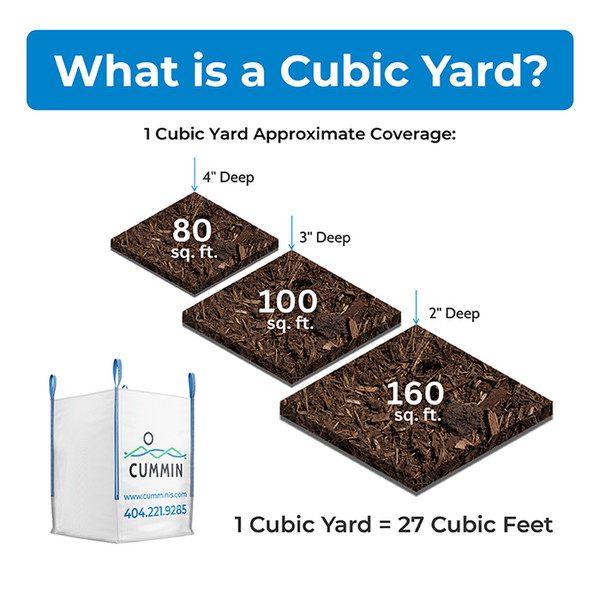
Image Source: www.cumminlandscapesupply.com
Deciphering Gravel Pricing: What Influences the Cost?
Several elements combine to determine the final price of your gravel purchase. Understanding these will empower you to budget accurately and avoid unexpected expenses.
Gravel Type and Composition
The kind of gravel you choose significantly impacts its price. Different types have varying origins, processing requirements, and aesthetic qualities.
- Crushed Stone: This is a very common and often more affordable option. It’s made by crushing larger rocks into smaller, angular pieces. The angles help it compact well, making it ideal for driveways and base layers. Prices can vary based on the type of stone crushed (e.g., limestone, granite, basalt).
- Pea Gravel: Known for its smooth, rounded pebbles, pea gravel is often used for decorative purposes, pathways, and playgrounds. Its rounded shape means it doesn’t compact as tightly as crushed stone, which can affect its suitability for heavy-traffic areas.
- Gravel Mixes: Many suppliers offer blended gravels for specific purposes. For example, a driveway mix might combine crushed stone with smaller fines for better compaction. Decorative mixes can include various colored stones and sizes.
- Specialty Gravels: Some gravels are considered specialty items due to their unique colors, origins (like river rock), or specific grading for specialized applications. These often come with a higher price tag.
Quality and Grading
The quality of the gravel, meaning its cleanliness, consistency of size, and absence of unwanted materials (like dirt or clay), also plays a role. Gravel that is well-graded and free from impurities will typically cost more but perform better. For instance, a properly graded base material for a driveway will be more expensive than a general-purpose fill.
Source and Extraction
Where the gravel is sourced from can influence the cost. Locally quarried gravel tends to be less expensive than gravel transported from a distant location due to lower hauling costs. The accessibility of the quarry and the extraction process itself also factor into the price.
Bulk vs. Bagged Gravel
The most significant cost difference often comes down to whether you buy gravel in bulk or in bags.
- Bulk Gravel: Buying loose gravel cost is generally the most economical way to purchase gravel, especially for larger projects. You’ll typically buy it by the cubic yard or ton. This is what most contractors and DIYers opt for when they need substantial quantities. This is where you’ll find the best bulk gravel prices.
- Bagged Gravel: Gravel sold in bags (often 0.5 to 1 cubic foot bags) is convenient for small projects but significantly more expensive per cubic yard. The cost includes the bagging, handling, and markup for retail sales. A typical bag might cost $5-$10, but when you calculate the cubic yard gravel cost from bags, it can easily run $100-$200 or more.
Location and Delivery Fees
Your geographical location is a major determinant of gravel prices. Areas with abundant local quarries will generally have lower prices than regions where gravel must be shipped long distances.
Furthermore, the cost of delivery is a critical component of the gravel delivered cost. If you need gravel brought to your home or job site, expect to pay a delivery fee. This fee is usually based on the distance from the supplier’s yard to your location and sometimes the volume of gravel being delivered.
Table 1: Typical Price Ranges for Different Gravel Types (per Cubic Yard)
| Gravel Type | Estimated Price Range (per Cubic Yard) | Common Uses |
|---|---|---|
| Crushed Stone (Base) | $25 – $50 | Driveways, pathways, sub-base layers |
| Pea Gravel | $30 – $60 | Landscaping, decorative paths, drainage |
| River Rock | $40 – $70 | Landscaping, decorative accents, drainage |
| Decomposed Granite | $35 – $65 | Pathways, patios, drought-tolerant gardens |
| Decorative Gravels | $50 – $80+ | Garden beds, accents, top dressing |
| Sand | $20 – $45 | Mixing with gravel, base material |
Note: These are approximate ranges and can vary significantly by region and supplier.
Seasonal Demand
Like many landscaping materials, gravel prices can sometimes fluctuate based on seasonal demand. During the peak landscaping and construction seasons (spring and summer), demand is higher, which can sometimes lead to slightly higher prices or longer wait times for delivery.
Supplier Markup and Overhead
Different suppliers have different business models and overhead costs, which they pass on to customers. Large landscaping supply companies, big-box home improvement stores, and independent quarry operators will all have different pricing structures.
Calculating Your Gravel Needs: The Importance of Gravel Quantity Estimation
Before you can figure out the cubic yard gravel cost, you need to accurately estimate how much gravel you’ll need. Overestimating means you pay for more than you use, and underestimating means you’ll have to place a second order, which can incur additional delivery fees and delays.
To estimate, you’ll need to know the length, width, and desired depth of the area you plan to cover with gravel.
How to Calculate Volume
The formula for calculating volume is:
Volume = Length × Width × Depth
Important Considerations:
- Consistent Units: Ensure all your measurements are in the same units (e.g., feet).
- Depth: This is where you need to be specific. For a driveway, you might need 4-6 inches of compacted gravel for a base layer and another 2-3 inches for the top layer. For landscaping, 2-4 inches might suffice.
- Compaction: Gravel compacts significantly. A general rule of thumb is that gravel will compact by about 25-30% once it’s laid and rolled or driven on. This means you’ll need to order about 25-30% more gravel than your initial volume calculation to account for this settling.
Example Calculation:
Let’s say you have a driveway that is 50 feet long and 10 feet wide, and you want a gravel depth of 4 inches.
- Convert Depth to Feet: 4 inches / 12 inches/foot = 0.33 feet
- Calculate Volume: 50 ft (Length) × 10 ft (Width) × 0.33 ft (Depth) = 165 cubic feet
- Convert Cubic Feet to Cubic Yards: There are 27 cubic feet in 1 cubic yard (3 ft × 3 ft × 3 ft = 27 cu ft).
165 cubic feet / 27 cubic feet/cubic yard = 6.11 cubic yards - Account for Compaction: Add 30% for compaction.
6.11 cubic yards × 1.30 (for 30% compaction) = 7.94 cubic yards
So, for this driveway section, you would need to order approximately 8 cubic yards of gravel. This process is the core of effective gravel quantity estimation.
Many suppliers offer a gravel cost calculator on their websites, which can simplify this process. You input your dimensions, and it tells you how many cubic yards you need.
How Many Pounds in a Cubic Yard of Gravel?
Another crucial aspect, especially if gravel is sold by the ton, is knowing how many pounds in a cubic yard of gravel. This varies depending on the type and density of the gravel.
A general estimate is that one cubic yard of gravel weighs between 2,400 to 2,800 pounds.
- Crushed Stone: Typically around 2,500-2,700 pounds per cubic yard.
- Pea Gravel/River Rock: Often lighter, around 2,400-2,600 pounds per cubic yard due to their rounder shape and potential air pockets.
- Dense Gravels (like granite): Can be heavier, closer to 2,800-3,000 pounds per cubic yard.
Example: If your local supplier charges $30 per ton and a cubic yard of gravel weighs 2,500 pounds, then one cubic yard would cost:
(2,500 pounds / 2,000 pounds/ton) × $30/ton = 1.25 tons × $30/ton = $37.50 per cubic yard.
Always confirm the approximate weight per cubic yard with your supplier if they sell by the ton.
Cost Breakdown: What You’re Actually Paying For
When you look at the gravel price per cubic yard, it’s not just the raw material. Several components contribute to that number.
Material Cost
This is the cost of the gravel itself at the quarry or extraction site. It’s the base price before any processing, transportation, or markup.
Processing Costs
Depending on the type of gravel, there are costs associated with crushing, screening, washing, and grading the material to meet specific standards.
Transportation and Delivery
This is often a significant portion of the final gravel delivered cost. It includes the fuel, labor, and vehicle maintenance for trucks to transport the gravel from the quarry to the supplier’s yard, and then from the supplier to your location. The further the distance, the higher this cost.
Supplier Overhead and Profit
Suppliers have operating costs, including facility maintenance, employee salaries, insurance, and marketing. They also need to make a profit to stay in business.
Bagging and Handling (for bagged products)
If you buy gravel in bags, you’re paying for the convenience of pre-portioned quantities, the bags themselves, and the labor involved in filling and stocking them.
Specific Project Costs: Landscaping Gravel vs. Driveway Gravel
The intended use of the gravel directly influences the type chosen and, consequently, its cost.
Landscaping Gravel Cost
Landscaping gravel cost often varies widely because landscaping applications are diverse. You might use small amounts of decorative river rock for a flower bed border, decomposed granite for a patio, or pea gravel for a pathway.
- Decorative Gravels: These are typically more expensive due to their aesthetic appeal, unique colors, and often more involved processing (washing, screening for size consistency). Prices for decorative gravels can easily start at $50-$60 per cubic yard and go much higher for specialty stones.
- Utility Gravels: Basic crushed stone or even a gravel/sand mix used for utilitarian paths or drainage areas will be on the lower end of the spectrum, often in the $25-$45 per cubic yard range.
Driveway Gravel Pricing
Driveway gravel pricing usually focuses on functionality and durability. The most common types for driveways are crushed stone or a compactable gravel base.
- Base Layer Gravel: This is the foundation of your driveway. It needs to be angular and well-graded to compact tightly, providing a stable base. This type of gravel is often priced more affordably, perhaps $25-$40 per cubic yard. You’ll typically need a substantial amount of this, often 4-6 inches thick, requiring a good gravel quantity estimation.
- Top Layer Gravel: The top layer can be more decorative, like a finer crushed stone or even something like decomposed granite. The price for the top layer might be slightly higher than the base layer, perhaps $30-$50 per cubic yard, depending on the specific material.
When budgeting for a driveway, remember you’ll likely need two layers: a robust base and a more aesthetically pleasing or stable top layer. This means calculating the cubic yard gravel cost for both components.
Finding the Best Deals and Using a Gravel Cost Calculator
To get the most accurate pricing and find the best deals, you should:
- Shop Around: Contact multiple local suppliers, quarries, and landscaping yards. Prices can vary significantly from one to another.
- Get Quotes: Don’t just ask for a price per cubic yard; ask for the total gravel delivered cost to your specific address for the quantity you need.
- Consider Pickup: If you have a truck and trailer capable of hauling gravel, picking it up yourself can save you the delivery fee, especially if the supplier is relatively close. However, remember the weight limitations of your vehicle.
- Use Online Tools: Many suppliers have a gravel cost calculator on their website. These tools can help you estimate quantities and sometimes provide price estimates. You can also find general calculators online that use average prices for your region.
Tips for Using a Gravel Cost Calculator:
- Be Accurate with Measurements: Input the correct length, width, and desired depth.
- Account for Compaction: Look for an option to add a percentage for compaction, or manually add it as we did in the example.
- Factor in Delivery: If the calculator includes delivery, ensure you enter your accurate location or zip code.
Common Questions About Cubic Yard Gravel Costs
Q: What is the average price of a cubic yard of gravel?
A: The average price for a cubic yard of gravel typically ranges from $20 to $70, with common types like crushed stone often falling between $25 and $50. Specialty or decorative gravels can push this price higher.
Q: How much does it cost to have gravel delivered?
A: Gravel delivery costs can range from $50 to $200 or more per load, depending on the distance from the supplier and the amount of gravel being delivered. Some suppliers might have a minimum order for delivery or charge a flat fee within a certain radius.
Q: Can I buy less than a cubic yard of gravel?
A: Yes, you can often buy gravel in smaller quantities, especially if purchasing bagged gravel. However, buying in bulk quantities (cubic yards) is significantly more cost-effective if you need more than a few bags. Some suppliers might sell by the half-yard or quarter-yard for bulk orders, but this is less common than standard cubic yard measurements.
Q: How do I know if I’m getting a good gravel price per cubic yard?
A: The best way to know if you’re getting a good price is to compare quotes from at least three different local suppliers. Also, factor in the type of gravel, its quality, and whether delivery is included in the price. A gravel cost calculator can help you benchmark pricing if you provide similar details.
Q: What is the difference between gravel sold by the cubic yard and by the ton?
A: Gravel sold by the cubic yard is measured by volume, while gravel sold by the ton is measured by weight. The cubic yard gravel cost is fixed for a specific volume, whereas the price per ton is based on how much the gravel weighs. As we’ve seen, how many pounds in a cubic yard of gravel varies, so the price per cubic yard can fluctuate slightly if the supplier primarily sells by the ton and the weight of their gravel varies. Always clarify with your supplier if they price by volume or weight.
Q: Is driveway gravel more expensive than landscaping gravel?
A: Not necessarily. Driveway gravel, particularly the compacted base layers, is often a more basic, functional material and can be less expensive. However, premium decorative gravels used for landscaping can be considerably more expensive than standard driveway gravel due to their appearance and processing. It depends on the specific type of gravel chosen for each application.
Conclusion
Estimating the cubic yard gravel cost requires careful consideration of numerous factors, from the type of material you choose to where you source it from and whether delivery is included. By accurately estimating your gravel quantity estimation needs, understanding the influence of different pricing components, and shopping around, you can make a cost-effective decision for your project. Whether you’re tackling a large driveway project or adding a decorative touch to your garden, a little research will go a long way in ensuring you get the best value for your money. Remember to always get detailed quotes and consider using a gravel cost calculator to streamline your budgeting process.