
How much lime should I put on my lawn? The amount of lime to apply to your lawn depends on your soil’s pH and the type of lime you use. Generally, you’ll need about 5 to 10 pounds of granular lime per 100 square feet to raise the pH by one full point. Always consult a soil test for precise recommendations.
Having a lush, green lawn is a goal for many homeowners. While watering and mowing are essential, the unsung hero of lawn care is often soil health. One of the most effective ways to improve soil health, particularly in areas with acidic soil, is through liming. But how much lime is just right? Applying too much or too little can be ineffective or even detrimental. This guide will walk you through everything you need to know about lime application rates, ensuring your lawn thrives.
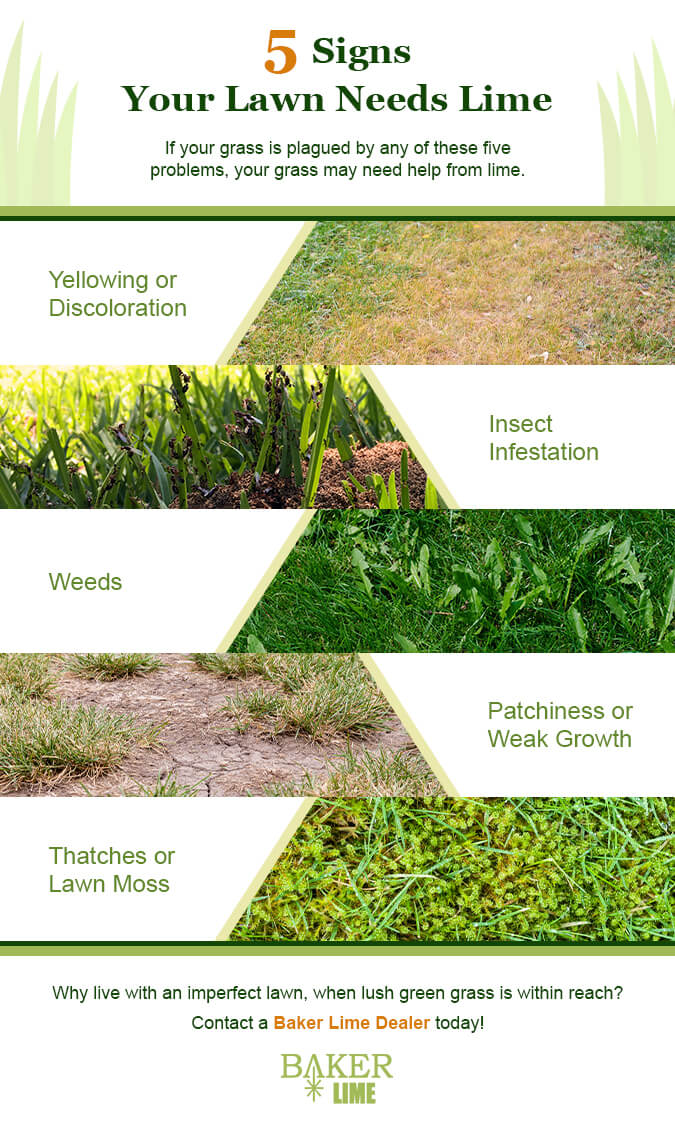
Image Source: www.bakerlime.com
Why Lime Your Lawn?
Limes’ primary function in lawn care is to adjust soil pH. Most grasses prefer a slightly acidic to neutral pH range, typically between 6.0 and 7.0. If your soil’s pH drops below this range, it becomes too acidic. Acidic soil can:
- Hinder Nutrient Availability: Essential nutrients like phosphorus, potassium, and calcium become less available to grass roots in acidic conditions.
- Increase Aluminum and Manganese Toxicity: High acidity can release aluminum and manganese from soil particles, which can be toxic to grass, inhibiting root growth and overall health.
- Favor Weed Growth: Some weeds, like clover and crabgrass, actually thrive in acidic soil, giving them a competitive edge over your desirable lawn grasses.
Adding lime to your lawn counteracts acidity by raising the soil pH. This pH adjustment for lawns unlocks nutrient availability, reduces the toxicity of certain elements, and creates a more favorable environment for healthy grass growth.
The Science Behind Lime
Lime is essentially a calcium or calcium and magnesium compound. When applied to soil, it undergoes a chemical reaction that neutralizes acidity. The active ingredients in most common lawn limes are calcium carbonate (CaCO₃) and magnesium carbonate (MgCO₃). These compounds react with the hydrogen ions (H⁺) that cause acidity in the soil, effectively reducing the acidic nature of the soil. This process of soil amendment with lime is crucial for maintaining a balanced and productive soil ecosystem.
Getting Started: Soil Testing is Key
Before you even think about lime application rates, the most critical first step is to get your soil tested. Trying to lime your lawn without a soil test is like trying to fix a car without knowing what’s wrong – you might do more harm than good.
What is Soil Testing?
Soil testing involves collecting a sample of your soil and sending it to a local cooperative extension office or a private lab. They will analyze it for several key factors, most importantly, its pH level. The test results will tell you:
- Soil pH: The acidity or alkalinity of your soil.
- Nutrient Levels: The amounts of essential nutrients like nitrogen, phosphorus, and potassium, as well as micronutrients.
- Cation Exchange Capacity (CEC): A measure of the soil’s ability to hold nutrients.
- Organic Matter Content: The percentage of organic material in your soil.
Interpreting Your Soil Test Results
Your soil test report will provide specific lawn liming recommendations, often in pounds of lime per 1,000 square feet. These recommendations are based on your soil’s current pH and its buffering capacity (how resistant it is to pH change). Pay close attention to the recommended lime type and the target pH range for your lawn’s grass species.
Types of Lime for Lawns
Not all lime is created equal. Different types of lime have varying chemical compositions, particle sizes, and rates of reaction. Choosing the right type is important for effective and safe application.
Granular Lime
This is the most common type of lime found in garden centers for lawn use. It’s processed into small granules, making it easier to spread evenly with a broadcast or drop spreader.
- Calcium Carbonate (CaCO₃): This is the most basic form of lime and is readily available. It reacts moderately quickly with the soil.
- Dolomitic Lime (CaMg(CO₃)₂): This type of lime contains both calcium and magnesium. If your soil test also indicates a magnesium deficiency, dolomitic lime is an excellent choice. It tends to react slightly slower than pure calcium carbonate lime.
Powdered Lime (Agricultural Lime)
While often used in agriculture, powdered lime is generally not recommended for homeowners. It can be dusty, difficult to spread evenly, and may lead to localized over-application or under-application. Its finer particles mean it reacts faster, but the application challenges often outweigh this benefit for lawn care.
Quicklime (Calcium Oxide) and Hydrated Lime (Calcium Hydroxide)
Never use quicklime or hydrated lime on your lawn. These are highly caustic and can severely damage or kill your grass, as well as harm your skin and eyes. They react very rapidly and aggressively with soil and are not suitable for general lawn use.
Calculating How Much Lime to Apply
The amount of lime needed is typically expressed in pounds per 1,000 square feet. Your soil test is your best guide. However, if you don’t have a soil test and suspect your soil is acidic (e.g., many mosses, poor growth of certain plants), a general guideline for a moderate pH adjustment (e.g., from 5.5 to 6.0) is often around 5 pounds of granular lime per 1,000 square feet.
Factors Influencing Lime Requirements
- Current Soil pH: The lower the pH, the more lime is needed to raise it.
- Target Soil pH: What pH are you trying to achieve?
- Soil Type: Clay soils have a higher buffering capacity than sandy soils, meaning they require more lime to achieve the same pH change.
- Type of Lime: Different limes have different neutralizing values (often expressed as ECC – Effective Calcium Carbonate). Dolomitic lime generally has a slightly lower ECC than pure calcitic lime.
The Role of ECC
ECC is a measure of how effectively a particular lime product can neutralize soil acidity compared to pure calcium carbonate. Products will often state their ECC percentage. For example, a lime with an ECC of 90% means it has 90% of the neutralizing power of pure calcium carbonate. Your soil test report might specify the ECC of the lime to use.
Applying Lime to Your Lawn
Once you know how much lime to apply, the next step is proper application. This involves choosing the right time and using the correct equipment.
Best Time to Lime Lawn
There isn’t a single “perfect” time to lime your lawn, as it can be done at almost any time of year. However, some periods are more advantageous:
- Fall: This is often considered the ideal time. The soil is usually moist, and the lime has ample time to react and begin working before the next growing season. Grass is also less actively growing, so it’s less likely to be stressed by the application.
- Early Spring: Applying lime in early spring before the grass begins its active growth is another good option.
- Avoid Peak Growing Season: While you can lime during summer, it’s best to avoid doing so during periods of extreme heat or drought when the grass is already stressed.
How Often to Lime Lawn
Lime does not work immediately. It takes time for the granules to break down and for the calcium to react with the soil. Because of this slow reaction, it’s generally recommended to apply lime once every 1 to 2 years, or as indicated by your soil test. Frequent, small applications are usually more effective than one large application. Over-liming lawn can be problematic, so sticking to recommended rates and frequencies is crucial.
Using a Lime Spreader
A lime spreader is essential for even application. There are two main types:
- Broadcast Spreaders: These spread material in a circular pattern and are good for covering large, open areas.
- Drop Spreaders: These drop material in a narrow band directly below the spreader, offering more precision. They are good for smaller, irregularly shaped lawns or for applying materials near delicate plants.
Setting Your Lime Spreader
Manufacturers provide lime spreader settings for their products. These settings are usually found on the spreader’s packaging or in its manual. The settings are often calibrated for specific products and quantities. It’s a good idea to:
- Know the square footage of your lawn: Measure your lawn accurately to determine how much area you need to cover.
- Read the lime bag instructions: The bag will tell you the recommended application rate (e.g., 5 lbs per 1,000 sq ft).
- Consult the spreader’s chart: Find the recommended setting for your specific lime product and the desired application rate.
- Calibrate if necessary: Some spreaders allow for calibration to ensure accuracy.
- Do a test run: If unsure, do a small test patch to see how the material is being dispensed.
Important: Always calibrate your spreader at the beginning of each season and when using a different product.
Application Tips
- Apply to a dry lawn: This prevents the lime from sticking to the grass blades and potentially causing “burn” (though this is less common with granular lime than with fertilizers). It also ensures the lime falls directly to the soil surface.
- Spread evenly: Overlap your passes slightly to ensure complete coverage and avoid streaking or missed spots.
- Water the lawn after application: Light watering can help wash any remaining lime off the grass blades and begin the process of incorporating it into the soil.
Common Mistakes and How to Avoid Them
Over-Liming Lawn
Applying too much lime can raise the soil pH too high (above 7.5), which can also hinder nutrient availability, particularly iron and manganese, leading to yellowing grass (chlorosis). It’s also a waste of money. Stick to the lime application rates recommended by your soil test or reputable university extension services.
Applying Lime at the Wrong Time
While less critical than getting the rate right, applying lime when the grass is very stressed (e.g., during a severe drought) can add to its burden. Fall and early spring are generally preferred.
Not Using a Spreader
Trying to spread lime by hand is a recipe for uneven application. You’ll likely end up with thick patches that are over-limed and bare patches that receive no lime.
Not Performing a Soil Test
This is the most significant mistake. Without a soil testing for lime needs, you’re guessing. Your soil might not even need lime, or it might need a different type or amount.
What to Do If You Can’t Get a Soil Test
If a soil test isn’t immediately available, you can make some educated guesses, but proceed with caution.
-
Observe Your Lawn:
- Moss: The presence of a lot of moss can indicate acidic soil.
- Weeds: Certain weeds like clover, plantain, and sorrel can also suggest acidity.
- Poor Growth: If your grass struggles to establish or maintain a healthy green color despite proper fertilization and watering, soil acidity could be a factor.
-
General Recommendations (Use with Caution):
- For moderately acidic soils (pH 5.5-6.0), a starting point might be 5-10 pounds of granular lime per 1,000 square feet.
- Apply only once a year in the fall or early spring.
- Crucially, follow up with a soil test as soon as possible to confirm your application and adjust future treatments.
Frequently Asked Questions (FAQ)
Q1: How long does it take for lime to work on my lawn?
A1: Lime works slowly. It can take several months for the pH to begin to change noticeably, and up to a year or more for the full effect to be realized, depending on the soil type, lime product, and environmental conditions.
Q2: Can I put lime on my lawn in the summer?
A2: While it’s generally best to avoid liming during extreme heat or drought, you can apply lime in the summer if necessary. Water the lawn lightly after application to help it wash off the grass blades and into the soil.
Q3: My soil test recommends gypsum. Is that the same as lime?
A3: No, gypsum (calcium sulfate) is not the same as lime. Gypsum is also a soil amendment that can improve soil structure, especially in clay soils, and provides calcium and sulfur. It does not raise soil pH like lime does. If your soil test recommends gypsum, it’s for a different purpose than pH adjustment.
Q4: What is the difference between calcitic and dolomitic lime?
A4: Calcitic lime is primarily calcium carbonate, while dolomitic lime is a mixture of calcium and magnesium carbonates. If your soil test indicates a deficiency in magnesium, dolomitic lime is a good choice. Otherwise, calcitic lime is often sufficient.
Q5: How do I know if my lawn needs lime?
A5: The most reliable way is through a soil test. However, signs like the presence of moss, certain weed types, or poor grass growth despite good care can suggest acidity.
Q6: Can I mix lime with fertilizer?
A6: It’s generally not recommended to mix lime and fertilizer directly and apply them together. They can sometimes interfere with each other’s effectiveness, and it can be difficult to get an even application of both. Apply them separately, ideally with a few weeks in between.
Q7: How much lime per 100 square feet?
A7: For every 1 point increase in pH needed, you’re looking at roughly 5 pounds of granular lime per 100 square feet. For example, to raise pH from 5.0 to 6.0 (a 1-point increase), you would apply approximately 5 pounds of lime per 100 square feet. Your soil test will give you precise figures.
By following these guidelines, you can confidently determine how much lime to put on your lawn and take a significant step towards achieving that healthy, vibrant turf you desire. Remember, a healthy lawn starts with healthy soil, and a soil test is your indispensable tool in this journey.