
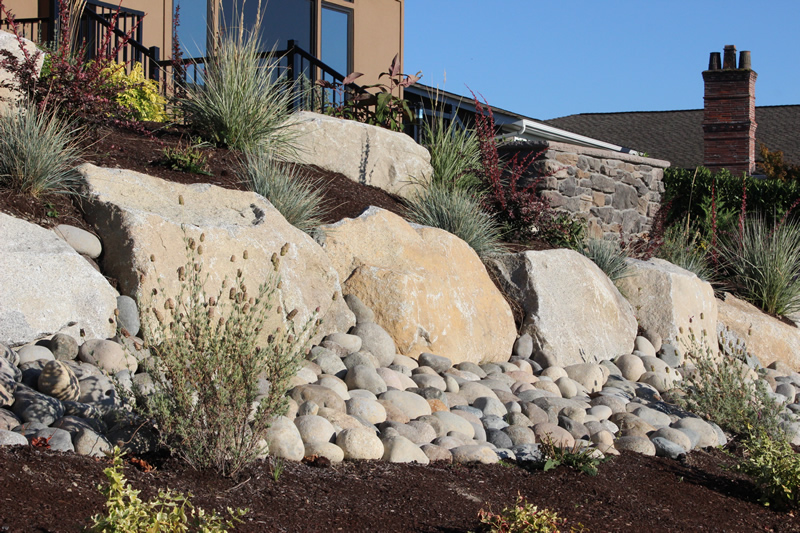
Image Source: www.earthhaulers.com
How Much Does A Yard Of Rock Weigh: Everything You Need to Know
The weight of a cubic yard of rock varies significantly, but a common estimate for landscaping rock is between 1.2 and 1.7 tons (2,400 to 3,400 pounds). This range accounts for differences in rock type, size, and how tightly it’s packed.
Deciphering Stone Weight Per Cubic Yard
When you’re planning a landscaping project, ordering materials, or figuring out delivery logistics, knowing the weight of your chosen rocks is crucial. Whether you’re working with decorative gravel for a garden path, crushed stone for a driveway base, or larger decorative boulders, the stone weight per cubic yard is a vital piece of information. This article will break down everything you need to know about how much a yard of rock weighs, why it matters, and how to estimate it for your specific needs.
Factors Affecting Rock Weight
Several factors influence how much a cubic yard of rock will weigh. It’s not a one-size-fits-all answer. Think of it like this: a box filled with feathers weighs much less than the same box filled with lead, even though both boxes have the same volume.
Rock Density: The Core Principle
The primary driver of weight difference is rock density. Density is a measure of how much mass is packed into a given volume. Different types of rock have different densities based on their mineral composition and how they are formed. For example, granite is denser than limestone, which is denser than pumice.
Common Rock Types and Their Densities
- Granite: Known for its strength and hardness, granite has a higher density.
- Limestone: Often used in construction and landscaping, limestone’s density can vary but is generally less than granite.
- Sandstone: This sedimentary rock can have a wide range of densities depending on its grain size and composition.
- River Rock/Pea Gravel: These are typically rounded stones with relatively consistent densities.
- Crushed Stone/Aggregate: The density here can vary greatly depending on the source material and the crushing process.
Size and Shape of the Rocks
The size and shape of individual rocks also play a role.
- Larger Rocks: Larger, more irregular rocks might leave more air space between them when measured by the yard, potentially reducing the overall weight compared to smaller, more uniform pieces.
- Smaller Rocks/Gravel: Smaller gravel or crushed stone can pack more tightly, filling in voids and increasing the density.
Moisture Content
This is a significant, often overlooked, factor. Rocks, especially porous ones like sandstone or crushed aggregate, can absorb water. Wet rocks are considerably heavier than dry rocks. If you’re measuring a load of rock that’s been sitting in the rain, it will weigh more than the same volume of dry rock.
Calculating Rock Tonnage: Your Go-To Guide
When you need to order materials, especially in bulk, knowing the calculating rock tonnage is essential. Tonnage refers to the weight in tons (usually US short tons, which are 2,000 pounds). Most suppliers will sell rock by the ton or by the cubic yard, but they use weight for their pricing and inventory.
How Much Does Gravel Weigh Per Yard?
The term “gravel” is very broad. It can range from small pea gravel to larger decorative stones. As a result, the weight varies.
- Pea Gravel (approx. 1/4″ to 1/2″): Typically weighs around 2,500 – 2,800 pounds per cubic yard.
- ¾” Gravel: This common size often falls in the 2,600 – 2,900 pounds per cubic yard range.
- Gravel Base (e.g., crushed stone for driveways): This can weigh more, often between 2,800 – 3,200 pounds per cubic yard, due to its density and packing.
Crushed Stone Density in Practice
Crushed stone density is a key metric for contractors and DIYers. Crushed stone is produced by breaking down larger rocks, creating angular pieces that interlock well. This interlocking quality can lead to denser packing.
- Typical Crushed Stone: Expect a cubic yard of crushed stone to weigh anywhere from 2,600 to 3,200 pounds. The exact weight depends on the source rock and the size of the crushed material.
Landscaping Rock Weight: A Visual Guide
Landscaping rock weight is what most homeowners are concerned about. This can include everything from decorative pebbles and river rocks to larger riprap.
- Decorative Pebbles (e.g., Mexican Beach Pebbles): These tend to be smoother and can pack moderately well. Weight can range from 2,500 to 3,000 pounds per cubic yard.
- Larger Decorative Rocks (1-3 inch size): These are often sold by the piece or by weight. A cubic yard might contain fewer, larger rocks, potentially with more air space. This can bring the weight down slightly compared to smaller, tightly packed gravel, but the inherent density of the rock type is still the main factor.
Cubic Yard Weight Conversion: Making Sense of Numbers
A cubic yard weight conversion is necessary because you might see weight listed in pounds, tons, or kilograms, while your material might be measured in cubic yards.
- 1 Cubic Yard = 27 Cubic Feet
To convert pounds to tons:
- Pounds to Tons: Divide the number of pounds by 2,000.
- Example: 3,000 pounds / 2,000 pounds/ton = 1.5 tons
To convert kilograms to pounds:
- Kilograms to Pounds: Multiply the number of kilograms by 2.20462.
Using an Aggregate Weight Calculator
For precise planning, an aggregate weight calculator can be incredibly helpful. These online tools allow you to input the type of aggregate (e.g., crushed stone, gravel, sand), the desired quantity (often in cubic yards), and sometimes even the specific gravity of the material, to get an estimated weight.
Estimating Your Rock Needs: Practical Tips
When ordering bulk materials, it’s always better to have a little extra than to run out.
How to Calculate Rock Tonnage for Your Project
- Determine the Volume Needed: Measure the area of your project in square feet and multiply by the desired depth in feet.
- Example: A patio area is 10 feet by 12 feet, and you want a 4-inch (0.33 feet) layer of gravel.
- Area = 10 ft * 12 ft = 120 sq ft
- Volume in Cubic Feet = 120 sq ft * 0.33 ft = 39.6 cubic feet
- Example: A patio area is 10 feet by 12 feet, and you want a 4-inch (0.33 feet) layer of gravel.
- Convert Cubic Feet to Cubic Yards: Divide the cubic feet by 27 (since there are 27 cubic feet in a cubic yard).
- Volume in Cubic Yards = 39.6 cubic feet / 27 cubic feet/yard ≈ 1.47 cubic yards
- Estimate the Weight: Use average weight per cubic yard figures based on the type of rock you’re using. If your supplier provides specific weight information for their products, use that.
- Example: If you need 1.5 cubic yards of gravel that weighs an average of 2,800 pounds per cubic yard:
- Total Weight (lbs) = 1.5 yards * 2,800 lbs/yard = 4,200 lbs
- Total Weight (tons) = 4,200 lbs / 2,000 lbs/ton = 2.1 tons
- Example: If you need 1.5 cubic yards of gravel that weighs an average of 2,800 pounds per cubic yard:
Bulk Material Weight: What to Expect
Bulk material weight is how materials like gravel, sand, and mulch are often sold and delivered. Suppliers understand these weight conversions and can help you order the correct amount. Always confirm with your supplier if they sell by the cubic yard or by the ton, and what their estimated weight per unit is.
Tables for Quick Reference
To make things easier, here’s a table summarizing common bulk material weight estimates. Remember these are averages, and your specific material might vary.
Average Weight Per Cubic Yard of Common Aggregates
| Material Type | Typical Size | Estimated Weight (lbs/cu yd) | Estimated Weight (tons/cu yd) |
|---|---|---|---|
| Pea Gravel | ¼” – ½” | 2,500 – 2,800 | 1.25 – 1.4 |
| ¾” Gravel | ¾” | 2,600 – 2,900 | 1.3 – 1.45 |
| Crushed Stone (Base) | ½” – 1 ½” | 2,800 – 3,200 | 1.4 – 1.6 |
| Decorative River Rock | 1″ – 3″ | 2,700 – 3,100 | 1.35 – 1.55 |
| Granite (Crushed) | ½” – 1″ | 2,900 – 3,300 | 1.45 – 1.65 |
| Limestone (Crushed) | ½” – 1″ | 2,600 – 3,000 | 1.3 – 1.5 |
| Sand (Construction) | Fine to Medium | 2,700 – 3,000 | 1.35 – 1.5 |
| Mulch | Wood Chips | 600 – 1,000 | 0.3 – 0.5 |
Note: These are approximate weights and can vary based on moisture content and specific material characteristics.
Why Knowing Rock Weight is Important
There are several practical reasons why grasping the stone weight per cubic yard is beneficial:
- Ordering and Delivery: Many landscapers and suppliers deliver bulk materials by weight. Knowing your estimated tonnage ensures you order the correct amount and aren’t surprised by delivery costs or limitations. Truck weight limits are also a consideration.
- Project Budgeting: Costs are often tied to weight or volume. A more accurate weight estimate leads to a more accurate budget.
- Structural Integrity: For projects involving retaining walls or sub-bases for structures, the load-bearing capacity and settlement are influenced by the weight of the material.
- Material Handling: If you’re moving the rock yourself, knowing the weight helps you determine if your trailer, truck, or equipment can handle the load. A cubic yard of dense rock can easily weigh over a ton!
Frequently Asked Questions (FAQ)
Q1: How much does a ton of gravel cover in a cubic yard?
A ton of gravel typically covers less than a cubic yard because most gravel weighs more than 2,000 pounds per cubic yard. For example, if gravel weighs 2,800 pounds per cubic yard, one ton would cover approximately 0.71 cubic yards (2,000 lbs / 2,800 lbs/cu yd).
Q2: Can I use a cubic yard weight conversion chart for all types of rocks?
While charts provide good estimates, rock density varies significantly. Always try to get specific weight data for the exact type of rock you intend to purchase, especially for specialized landscaping or construction applications.
Q3: How does moisture affect the weight of gravel?
Moisture significantly increases the weight of gravel, particularly for porous materials. Wet gravel can be 10-15% heavier, or even more, than dry gravel. This is a crucial factor to consider when ordering or estimating.
Q4: What is the average weight of crushed stone per yard?
The average weight of crushed stone per yard is typically between 2,600 and 3,200 pounds, or 1.3 to 1.6 tons. The specific weight depends on the source rock material (granite, limestone, etc.) and the size of the crushed aggregate.
Q5: What is a good estimate for landscaping rock weight per cubic yard?
A good general estimate for landscaping rock weight is around 2,500 to 3,000 pounds per cubic yard. However, this can range higher for denser stones and lower for lighter, more porous rocks or those with larger void spaces.
By paying attention to these details – rock density, size, moisture, and using available tools like aggregate weight calculators – you can confidently estimate the weight of your rock needs and ensure your projects run smoothly and within budget.