
A 30-yard dumpster typically weighs between 5,000 and 9,000 pounds when empty. This weight can fluctuate based on the dumpster’s construction materials, thickness of the steel, and specific design features.
When you’re planning a demolition project, a major renovation, or a large-scale cleanup, renting a dumpster is a must. Among the various sizes available, the 30-yard dumpster is a popular choice for its substantial capacity. But beyond its volume, one crucial aspect to consider is its weight. Knowing the 30 yard dumpster empty weight is vital for several reasons, from ensuring your property can handle the placement to understanding the logistics of transportation. This comprehensive guide will delve into the specifics of empty dumpster weights, focusing on the 30-yard model, and explore the factors that influence it.
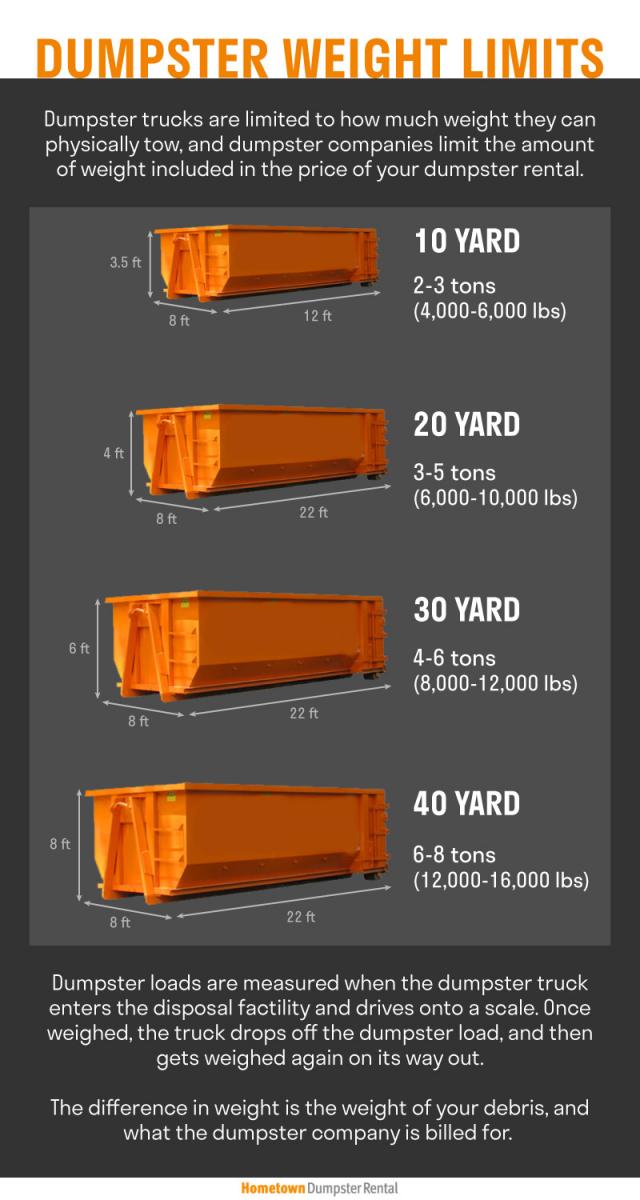
Image Source: www.hometowndumpsterrental.com
Fathoming the 30 Cubic Yard Dumpster Weight
The 30 cubic yard dumpster weight is not a fixed number. Think of it like car models – while they might share a general size, slight variations in features and build can change their overall weight. Similarly, the weight of an empty 30-yard dumpster depends on several key elements of its construction.
What Makes a Dumpster Heavy When Empty?
It might seem counterintuitive that an empty container carries significant weight, but it’s the very nature of its construction that accounts for this. These aren’t flimsy plastic bins; they are robust steel structures designed to withstand immense pressure from debris.
- Steel Gauge: The thickness of the steel used plays a massive role. Thicker steel means greater durability and a higher empty weight. Manufacturers select steel gauges that balance strength with the overall weight to ensure it can be transported and handled efficiently.
- Construction Style: Different dumpster manufacturers have varying designs. Some might have reinforced corners, extra bracing along the sides, or a thicker floor for increased strength. These additions, while beneficial for longevity, contribute to the roll-off dumpster weight.
- Type of Steel: While most dumpsters are made from carbon steel, the specific alloy and its treatment can subtly influence the weight.
- Door Design: The way the rear door is constructed – whether it has a simple latch or a more complex swing mechanism – can also add a small amount to the dumpster weight empty.
- Extra Features: Some dumpsters come with additional features like reinforced bottom runners (skids) for easier maneuvering or specialized coatings for rust prevention. These, too, add to the weight of an empty roll-off.
Typical Weight Range for a 30-Yard Dumpster
To give you a clearer picture, let’s look at the generally accepted weight ranges:
| Dumpster Size | Typical Empty Weight (lbs) |
|---|---|
| 10-yard | 2,000 – 3,000 |
| 20-yard | 4,000 – 6,000 |
| 30-yard | 5,000 – 9,000 |
| 40-yard | 7,000 – 10,000 |
As you can see, the 30-yard dumpster sits comfortably in the middle to upper-middle range of common dumpster sizes, reflecting its larger capacity and, therefore, its more substantial build. It’s crucial to remember that these are estimates. Always confirm the exact 30 yard container weight with your waste management provider.
Deciphering Empty Dumpster Specs for a 30-Yard Model
Beyond just weight, understanding the empty dumpster specs for a 30-yard unit involves looking at its dimensions and capacity. These details are just as important for planning your project and ensuring the dumpster fits your needs and your site.
The Dimensions: What to Expect from a 30 Yard Container
The empty dumpster dimensions of a 30-yard container are substantial. They are designed to hold a large volume of material, so they are quite long.
- Length: Typically around 22 feet.
- Width: Usually about 8 feet.
- Height: Can range from 5 to 6 feet.
These dimensions mean that a 30-yard dumpster will occupy a significant amount of space on your property. It’s wise to measure the area where you plan to place it and ensure there’s enough room for delivery and pickup. Remember, the dumpster needs to be accessible by a large truck.
Empty Dumpster Capacity: How Much It Holds
The “30-yard” in 30 yard dumpster empty weight refers to its cubic yard capacity. This is the volume of material it can hold. One cubic yard is equivalent to a 3-foot by 3-foot by 3-foot cube. So, a 30-yard dumpster can hold 30 of these cubes worth of material.
- Material Volume: This capacity is ideal for projects that generate a lot of waste, such as:
- Large home renovations or additions
- Demolition of garages or sheds
- Extensive landscaping projects
- Commercial cleanouts
Knowing the empty dumpster capacity helps you estimate how much waste your project will produce and whether a 30-yard unit is the right size. Going too small means multiple rentals, while going too big can be unnecessarily expensive.
The Roll-Off Dumpster Weight: Why It Matters
The term “roll-off dumpster” refers to the style of dumpster that is delivered and removed by a specialized truck. These trucks have a mechanism that “rolls off” the dumpster onto your site and then “rolls on” an empty one or takes the full one away. The weight of an empty roll-off is a critical factor for several reasons.
Transportation and Logistics
The weight of the dumpster directly impacts the type of truck needed for its delivery and removal. Heavier dumpsters require more robust trucks with higher weight capacities. This can influence rental costs and the availability of service in your area.
Site Preparation and Placement
A heavy dumpster empty can exert significant pressure on the ground. While generally placed on driveways or reinforced areas, you should consider the ground conditions. Soft ground or poorly compacted surfaces might be susceptible to damage. It’s often recommended to place a barrier, like plywood, under the dumpster’s support points to distribute the weight and prevent damage to driveways.
Disposal Facility Regulations
Landfills and transfer stations have weight limits for the loads they accept. The total weight of the dumpster (empty weight + debris weight) must not exceed these limits. If a dumpster is too heavy, you might incur additional fees or be required to remove some of the debris.
Rental Company Considerations
Waste management companies must adhere to strict weight regulations for their trucks and equipment. They need to know the approximate 30 yard container weight to ensure they dispatch the correct truck and that their driver can safely handle the load. This is why they often ask about the type of material you’ll be disposing of, as some materials (like concrete or dirt) are exceptionally heavy.
Comprehending Dumpster Weight Empty: Factors and Considerations
When we talk about dumpster weight empty, we’re talking about the “tare weight” – the weight of the container itself before any waste is added. This is a crucial piece of information.
Material Density: A Hidden Weight Factor
The type of debris you’re filling the dumpster with significantly impacts the total weight. Different materials have different densities.
- Lightweight Debris: Things like drywall, insulation, wood scraps, and general household trash are relatively light for their volume.
- Heavy Debris: Materials like concrete, brick, dirt, asphalt, and metal are very dense and can quickly add a lot of weight. A 30-yard dumpster filled with concrete could easily weigh over 20,000 pounds, far exceeding the dumpster’s empty weight.
This is why rental companies often inquire about the anticipated contents. They need to ensure their trucks and the disposal facilities can handle the potential total weight. A common mistake is underestimating the weight of heavy materials.
Estimating Debris Weight
To avoid exceeding weight limits, it’s helpful to have a rough idea of how much certain materials weigh per cubic yard:
| Material | Approximate Weight per Cubic Yard (lbs) |
|---|---|
| Drywall | 500 – 1000 |
| Wood | 500 – 1000 |
| Roofing Shingles | 700 – 1200 |
| Dirt | 2000 – 2700 |
| Concrete | 2500 – 3000 |
| Brick | 2000 – 2500 |
| Gravel | 2500 – 3000 |
| Asphalt | 2000 – 2500 |
For a 30-yard dumpster, filling it even halfway with concrete (15 cubic yards) could result in 30,000 to 45,000 pounds of debris alone. When you add the heavy dumpster empty weight of 5,000-9,000 pounds, you can see how quickly total weights can escalate.
Working with Your Rental Provider
The best way to get accurate information about the 30 yard dumpster empty weight and any weight restrictions is to communicate clearly with your waste management provider.
- Ask Specific Questions: Don’t hesitate to ask them:
- “What is the empty weight of your 30-yard dumpsters?”
- “Are there any weight limits for the debris I will be putting in the dumpster?”
- “What are the potential overage charges if I exceed the weight limit?”
- Be Honest About Your Debris: Clearly describe the materials you plan to dispose of. This helps them advise you on the appropriate dumpster size and potential weight concerns.
- Discuss Your Project Scope: Explain the nature of your project (e.g., kitchen remodel, yard cleanup, demolition) so they can offer tailored advice.
Frequently Asked Questions About Empty Dumpster Specs
Here are some common questions people have when it comes to dumpster weights and specifications.
What is the average weight of an empty 30-yard roll-off dumpster?
The average weight of an empty 30-yard roll-off dumpster typically falls between 5,000 and 9,000 pounds.
Can I put concrete in a 30-yard dumpster?
Yes, you can put concrete in a 30-yard dumpster, but you must be very careful about the weight. Concrete is extremely dense. Filling even a portion of the dumpster with concrete can quickly exceed weight limits, leading to extra charges or refusal of pickup. Always check with your rental company about their policies on heavy debris like concrete.
How much does a 30-yard container weigh when full?
The weight of a full 30-yard dumpster can vary dramatically. If filled with lightweight debris like wood and drywall, it might weigh around 10,000 to 14,000 pounds (empty weight + debris weight). However, if filled with heavy materials like dirt or concrete, the total weight could easily reach 25,000 to 54,000 pounds or more, significantly exceeding what a standard truck can legally haul in many areas.
Who is responsible if a dumpster is overloaded?
Typically, the customer who rents the dumpster is responsible for any overage charges or issues arising from overloading. It’s crucial to adhere to the weight limits provided by the rental company.
What are the typical dimensions of a 30-yard dumpster?
The common dimensions for a 30-yard dumpster are approximately 22 feet long, 8 feet wide, and 5-6 feet high.
By thoroughly researching and communicating with your dumpster rental provider, you can ensure you choose the right size dumpster for your project and avoid any unexpected issues related to weight or logistics. Knowing the 30 yard dumpster empty weight is just one piece of the puzzle in a successful waste management plan.