
Wondering how long does lawn paint last? Typically, lawn paint, also known as lawn colorant or grass paint, can last anywhere from a few weeks to several months, depending on various factors like the product’s quality, application method, grass type, and environmental conditions. Can I make lawn paint last longer? Yes, by following best practices for application and maintenance.
The allure of a perfectly green lawn year-round or a quick fix for dry, brown patches is undeniable. Lawn paint offers a solution for homeowners and groundskeepers alike, providing an instant aesthetic upgrade. But for many, the primary concern revolves around its staying power. This in-depth guide dives deep into the factors that influence lawn colorant durability, grass paint longevity, and what you can expect regarding lawn colorant wear time. We’ll explore the science behind these products, how weather impacts their performance, and how to maximize their lifespan.
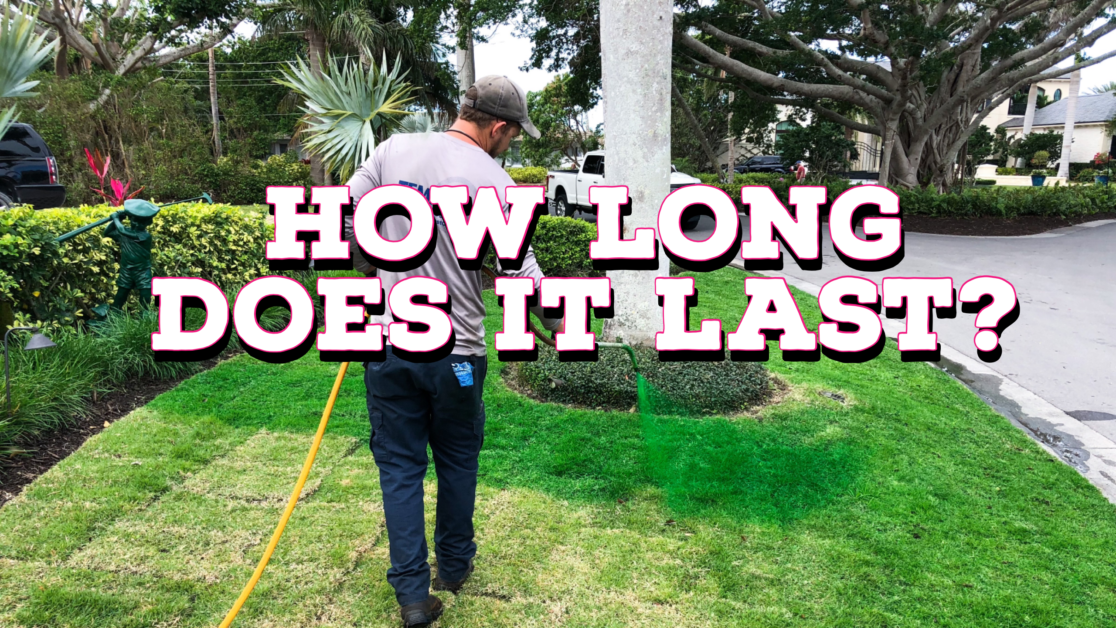
Image Source: turfpaint.net
Deciphering Lawn Paint Composition
Before we discuss how long lawn paint lasts, it’s important to know what it is. Lawn paints are specially formulated colorants designed to be safe for grass. They are not traditional paints with harmful chemicals. Instead, they typically contain pigments, binders, and often nutrients or wetting agents, all suspended in a water-based solution.
Pigments
The vibrant green color comes from pigments. These can be natural or synthetic, but are chosen for their ability to adhere to grass blades without harming them. The type and quality of pigment significantly influence the turf paint fade resistance.
Binders
Binders are crucial for ensuring the colorant sticks to the grass and resists washing away. They create a thin, flexible film around the grass blade. The effectiveness of the binder dictates how well the paint withstands rain and foot traffic, directly impacting grass paint longevity.
Additives
Many lawn colorants include additives to improve their performance. These might include:
* Wetting agents: Help the colorant spread evenly across the grass blades.
* Nutrients: Some formulations include nitrogen or other elements to provide a slight boost to the grass.
* UV protectants: Can help slow down fading from sunlight.
Factors Influencing Lawn Paint Lifespan
The lawn colorant lifespan isn’t a single, fixed duration. It’s a dynamic outcome influenced by a multitude of elements. Understanding these factors is key to predicting and managing how long your freshly painted lawn will remain vibrant.
1. Product Quality and Formulation
Not all lawn paints are created equal. The quality of the ingredients and the sophistication of the formulation play a massive role in lawn colorant durability.
- Higher-quality pigments: Offer better UV resistance and are less prone to fading.
- Superior binders: Provide stronger adhesion, making the paint more resistant to wear and tear and environmental elements.
- Concentration: More concentrated formulas might offer richer color and potentially longer-lasting results, although this can also depend on the dilution ratio recommended by the manufacturer.
How long does sod paint last? Sod paint, designed for newly laid sod, often has a slightly different formulation aimed at blending the sod with existing grass. Its longevity might be comparable to general lawn paints, but the primary goal is usually a seamless transition rather than long-term color maintenance.
2. Grass Type and Condition
The surface the paint adheres to also matters.
- Leaf Blade Texture: Coarser grass blades might hold paint slightly differently than finer blades. However, most modern lawn paints are designed to adhere well to a variety of grass types.
- Grass Growth Rate: Actively growing grass will shed the painted blades as new growth emerges. The faster the grass grows, the quicker the painted color will be replaced by natural green.
- Grass Health: Healthy, vigorous grass can sometimes lead to better adhesion and a more uniform finish. Stressed or damaged grass might absorb the colorant differently or shed painted sections more rapidly.
3. Application Technique
The way lawn paint is applied is paramount to its longevity. Proper application ensures maximum coverage and adhesion.
Proper Dilution
Most lawn paints require dilution with water. Incorrect dilution (too much or too little water) can affect how well the paint adheres and its overall appearance. Always follow the manufacturer’s instructions.
Even Coverage
Applying the paint evenly is crucial. Streaks or missed spots not only look bad but can also lead to inconsistent wear. Using the right spraying equipment – whether a backpack sprayer, hose-end sprayer, or a commercial-grade sprayer – and maintaining a consistent spray pattern is essential.
Application Timing
Applying paint when the grass is dry is important. Applying it to wet grass can dilute the colorant and reduce its adherence.
4. Weather Conditions
This is perhaps the most significant external factor affecting how long does lawn paint last.
Rainfall
- Heavy Rain: Significant rainfall shortly after application can wash away the paint, especially if the binders haven’t fully set. Most manufacturers recommend waiting 24-48 hours after application before significant rainfall.
- Light Rain/Dew: Light moisture might not be enough to wash the paint off, but it can cause some streaking or lightening of the color if it occurs soon after application.
Sunlight (UV Exposure)
Sunlight is a primary culprit for fading. Pigments break down over time when exposed to ultraviolet (UV) rays.
- Direct Sun: Lawns in areas with intense, prolonged direct sunlight will experience faster fading than those in shaded areas.
- UV Stabilizers: Some premium grass paint weather resistance formulations include UV stabilizers to combat this effect.
Temperature
Extreme temperatures can also play a role.
- Heat: Very high temperatures, especially combined with dry conditions, can sometimes cause grass to stress or change color naturally, which might make the painted color appear less vibrant by comparison.
- Freezing: Applying paint in freezing temperatures is generally not recommended as it can affect the paint’s consistency and ability to adhere. Some products might not be formulated to withstand prolonged freezing after application, potentially impacting their turf paint fade resistance.
Wind
Strong winds can cause uneven application by blowing the spray off course. They can also contribute to drying, which is usually beneficial after application, but excessive dryness without moisture can sometimes lead to brittleness.
5. Traffic and Mechanical Wear
The physical interaction with the lawn significantly impacts how long the colorant lasts.
- Foot Traffic: Walking on the lawn, especially with heavy shoes or repeated traffic in the same areas, can scuff off the paint.
- Mowing: While mowing is essential, the act of the mower deck and blades passing over the grass can cause wear.
- Mower Height: Cutting the grass very short can remove painted blades more quickly.
- Blade Sharpness: Dull mower blades can tear grass, potentially dislodging paint. Sharp blades create a cleaner cut.
- Mowing Frequency: Frequent mowing will naturally lead to the removal of painted grass as it’s cut.
6. Environmental Factors Beyond Weather
Other elements in the environment can influence the paint’s lifespan.
- Soil Type: While less direct, soil conditions that lead to drought stress or nutrient deficiency can impact grass health, indirectly affecting how well it retains the paint.
- Pesticide/Fertilizer Application: Applying certain chemicals to the lawn after painting could potentially interact with the paint’s binders, causing it to break down faster. It’s generally advisable to wait a few weeks after painting before applying other lawn treatments, or to consult the paint manufacturer.
How Long Does Green Grass Paint Last? Expected Durability
So, to directly address how long does green grass paint last? You can typically expect a well-applied coat of quality lawn paint to last anywhere from 3 to 8 weeks. However, under optimal conditions with minimal wear and ideal weather, some formulations might extend this to up to 3 months. Conversely, in areas with heavy foot traffic, frequent mowing, and harsh weather, you might see the color begin to diminish in as little as 2 weeks.
Let’s break this down further with some estimated durations based on common scenarios:
| Scenario | Expected Lifespan | Key Influences |
|---|---|---|
| Ideal Conditions | 6-12 weeks | High-quality paint, perfect application, minimal traffic, moderate weather, slow grass growth |
| Typical Residential Lawn | 3-8 weeks | Good quality paint, standard application, moderate traffic/mowing, typical seasonal weather |
| High Traffic/Heavy Use Area | 2-4 weeks | Frequent walking, sports, pets, aggressive mowing, potentially less durable paint formulation |
| Harsh Weather (Heavy Rain/Intense Sun) | 2-6 weeks (variable) | Rain can wash away, strong sun causes fading, performance heavily dependent on paint’s weather resistance |
| Dormant Grass (Winter) | Potentially longer (months) | Grass isn’t growing, so painted blades aren’t being “cut off” by new growth. Fading due to sun/weather is still a factor. |
It’s important to note that “lasting” can mean different things. Does it mean the color remains as vibrant as day one, or simply that some tint is still visible? Most people are looking for a noticeable green hue. As the weeks progress, you might observe a gradual lightening or patchiness rather than a sudden disappearance of color.
Fathoming Lawn Colorant Wear Time
The lawn colorant wear time is a cumulative process. Initially, the paint is at its most vibrant. As time passes, several mechanisms contribute to its fading or removal:
- Natural Grass Growth: As grass blades grow, the painted portion is pushed upwards. Eventually, frequent mowing cuts off these painted tips.
- Blade Shedding: Grass blades naturally shed older parts.
- Environmental Degradation: UV rays break down pigments. Rain can dilute and wash them away.
- Physical Abrasion: Foot traffic, pet activity, and mower contact physically rub off the paint.
Achieving Optimal Lawn Paint Application Duration
To maximize lawn paint application duration, a meticulous approach to application is key. This isn’t just about spraying; it’s about preparation, execution, and post-application care.
Pre-Application Steps
- Mow Appropriately: Mow your lawn a day or two before you plan to paint. This ensures the grass blades are a uniform height and relatively clean. Avoid mowing the same day as painting, as the cut edges might absorb paint unevenly.
- Watering: Water your lawn a day or two before painting, but ensure the grass is dry on the surface when you apply the paint. Damp soil is good, but wet blades are not.
- Clear Debris: Remove any fallen leaves, twigs, or other debris that could interfere with spray coverage.
Application Best Practices
- Use the Right Sprayer: A quality sprayer with an adjustable nozzle is essential for even application.
- Test Spray: Always do a test spray on a small, inconspicuous area to check the color and coverage.
- Spray in Sections: Work in manageable sections, overlapping your spray pattern slightly to avoid missed spots or heavy streaks.
- Maintain Consistent Distance: Hold the sprayer at a consistent distance from the grass for uniform application.
- Consider Wind: Avoid painting on very windy days to prevent overspray and ensure the paint lands on the grass.
Post-Application Care
- Allow Drying Time: Crucially, allow the paint to dry completely. This usually takes a few hours, but check the product instructions. Do not allow foot traffic or pets on the lawn until it’s dry.
- Avoid Watering Immediately: If possible, avoid watering the lawn for at least 24-48 hours after application to allow the binders to cure properly and maximize adhesion.
- Adjust Mowing Practices: If you want the painted color to last longer, consider raising your mower height slightly. This means you’ll cut off less of the painted blade with each mowing. Also, ensure your mower blades are sharp.
Grass Paint Weather Resistance: A Critical Factor
When discussing how long does lawn paint last, grass paint weather resistance is a huge component. A paint that can withstand the elements will naturally have a longer lifespan.
Resisting Rain
- Waterproof vs. Water-Resistant: Most lawn paints are designed to be water-resistant once dry, meaning light rain or dew won’t immediately wash them away. However, they are not typically completely waterproof. Heavy downpours can still impact them.
- Binder Quality: The binders used are key. High-quality binders create a more durable film that repels water better.
Battling Sunlight (UV Fading)
- Pigment Quality: High-quality, light-fast pigments are more resistant to fading from UV exposure.
- UV Stabilizers: As mentioned, some products include additives specifically to block or absorb UV radiation, thereby extending turf paint fade resistance.
- Shade vs. Sun: Lawns in shadier areas will naturally experience less UV fading than those in full sun.
How Grass Paint Withstands Other Elements
- Humidity: High humidity can sometimes slow the drying process, but once dry, it typically doesn’t significantly degrade the paint.
- Frost: Applying paint in freezing temperatures is inadvisable. Once applied and dry, mild frost might not cause significant issues, but extreme cold could potentially affect certain binder formulations over time, though this is less common.
Turf Paint Reapplying: When and How
Knowing when to reapply is as important as knowing how long it lasts.
Signs It’s Time for Reapplication
- Visible Green Fade: The most obvious sign is that the vibrant green color has significantly faded, and your lawn is looking dull or patchy again.
- New Growth: As the grass grows and is mowed, the painted tips are removed, revealing unpainted sections.
- Uneven Color: You might notice the color is still present but patchy and inconsistent.
The Reapplication Process
Turf paint reapplying is generally straightforward, similar to the initial application.
- Assess the Lawn: Determine if you need to reapply the paint to the entire lawn or just specific areas.
- Prepare the Lawn: Ensure the grass is dry and free of excessive debris.
- Mix and Apply: Mix the paint according to the manufacturer’s instructions and apply evenly.
- Drying and Curing: Allow adequate drying time before allowing traffic.
It’s generally not necessary to remove old paint before reapplying. The new coat will simply cover the old, assuming any remains. However, if you are reapplying due to poor initial adhesion or an undesirable color outcome, you might consider waiting for the existing paint to wear off naturally or rinsing the lawn thoroughly if you’re attempting a complete color change.
Frequently Asked Questions About Lawn Paint Longevity
Here are some common questions people have about how long lawn paint lasts:
Q1: How long does lawn paint last on dormant grass?
A1: Lawn paint can last longer on dormant grass because the grass isn’t actively growing and being mowed. This means the painted blades aren’t being cut off. However, environmental factors like sun exposure, rain, and wear will still cause the color to fade over time, potentially lasting several months if kept dry and out of direct sun.
Q2: Can rain wash away lawn paint?
A2: Yes, heavy rain, especially shortly after application before the binders have fully cured, can wash away lawn paint. Once dry and cured, most lawn paints are water-resistant, but not entirely waterproof. Light rain or dew typically won’t remove it.
Q3: How do I make my lawn paint last longer?
A3: To extend lawn paint’s life, ensure proper application (correct dilution, even coverage), allow adequate drying time, avoid heavy foot traffic and pets on the lawn for at least 48 hours post-application, and consider raising your mower height. Choosing a high-quality product with good turf paint fade resistance and grass paint weather resistance is also crucial.
Q4: Will mowing remove lawn paint?
A4: Yes, mowing will remove lawn paint as it cuts the painted tips of the grass blades. The frequency of mowing and the height at which you cut will influence how quickly the paint is removed.
Q5: Is lawn paint safe for pets and children?
A5: Most reputable lawn paints are formulated to be non-toxic and safe for pets and children once dry. However, always check the product’s label and safety data sheet (SDS) for specific information. It’s best to keep pets and children off the lawn until the paint is completely dry.
Q6: Can I apply lawn paint over brown or yellow grass?
A6: Yes, that’s one of the primary uses for lawn paint – to cover up brown or yellow patches and create a uniform green appearance.
Q7: How often do I need to reapply lawn paint?
A7: The frequency of reapplying depends on how long the previous application lasted, which is influenced by the factors discussed. For most homeowners, reapplying every 1-3 months is typical during the season they wish to maintain the green color.
Conclusion
In summary, the lifespan of lawn paint is a nuanced topic with no single answer. While you can generally expect lawn colorant durability to range from a few weeks to a couple of months, achieving this depends heavily on product quality, application precision, and environmental resilience. By prioritizing high-quality products with excellent grass paint weather resistance and turf paint fade resistance, and by adhering to best practices during application and maintenance, you can significantly extend the grass paint longevity and enjoy a consistently vibrant lawn for longer. Understanding the interplay of weather, wear, and the very nature of the paint itself empowers you to make informed decisions and achieve the aesthetic results you desire.