
You’re likely wondering, “How long does lawn fertilizer take to work?” Typically, you can start seeing fertilizer results timeline changes like improved color within 3 to 7 days, with more significant growth and health improvements appearing within 1 to 4 weeks.
Many homeowners are eager to see their lawns transform into lush, green carpets after applying fertilizer. This desire for rapid results is natural, but it’s important to know that lawn greening speed isn’t instantaneous. Several factors influence how quickly your grass responds to feeding. This in-depth guide will delve into the fertilizer absorption time, the fertilizer kick-in period, and what you can expect at each stage of the process, helping you create a more effective fertilizing schedule.
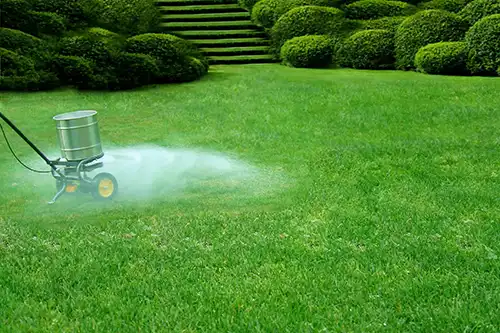
Image Source: www.flapest.com
Factors Influencing Fertilizer Speed
The speed at which your lawn shows the effects of fertilizer isn’t a one-size-fits-all answer. It depends on a combination of the fertilizer itself and the conditions of your lawn and environment.
Types of Fertilizer
The formulation of the fertilizer you use is perhaps the most significant factor in how quickly you’ll see results. Fertilizers are generally categorized into two main types: synthetic and organic.
Synthetic Fertilizers
Synthetic fertilizers are manufactured chemicals that provide nutrients in a readily available form for plants.
- Fast-Release (Water-Soluble): These fertilizers contain nutrients that are immediately dissolved in water and accessible to grass roots.
- Pros: Quickest results, often noticeable within a few days.
- Cons: Can be easily washed away by rain or over-irrigation, increasing the risk of fertilizer burn if applied incorrectly. They also provide a quick burst of growth, which might require more frequent applications.
- Slow-Release (Coated or Polymer-Coated): These fertilizers release nutrients gradually over an extended period, often weeks or months. The release is typically triggered by temperature, moisture, or microbial activity.
- Pros: Provide a steady supply of nutrients, reducing the risk of burn and the need for frequent applications. Offer more consistent growth.
- Cons: Results are not as immediate as fast-release options. The fertilizer efficacy duration can vary greatly depending on the coating technology.
Organic Fertilizers
Organic fertilizers are derived from natural sources like compost, manure, bone meal, and plant matter. They release nutrients more slowly as they are broken down by soil microbes.
- Pros: Improve soil health over time, promote beneficial microbial activity, and are less prone to burning.
- Cons: Nutrient content can be lower and less predictable than synthetic fertilizers. The nutrient uptake time is generally longer, meaning results are less immediate. This type of fertilizer contributes significantly to the overall health and structure of your soil, indirectly benefiting the lawn’s appearance over a longer period.
Grass Type and Growth Stage
Different grass species have varying nutrient requirements and growth rates. Some cool-season grasses, like Kentucky bluegrass, are known for their rapid response to nitrogen. Warm-season grasses, such as Bermuda grass, also show significant greening when fertilized during their active growing season.
- Active Growth Phase: Lawns are most receptive to fertilizer when they are actively growing. For cool-season grasses, this is typically spring and fall. For warm-season grasses, it’s late spring and summer.
- Dormancy: If your lawn goes dormant (turns brown) due to heat or drought, it won’t be able to absorb nutrients effectively. Fertilizing dormant grass is largely a waste of product and money.
Soil Conditions
The health and composition of your soil play a crucial role in how well fertilizer works.
- Soil pH: Soil pH affects nutrient availability. If the pH is too high or too low, certain nutrients might be locked up in the soil, making them inaccessible to grass roots, even if they are present in the fertilizer.
- Soil Moisture: Adequate moisture is essential for fertilizer absorption. Dry soil can prevent nutrients from dissolving and moving to the roots. Conversely, overly saturated soil can lead to nutrient leaching.
- Soil Microbes: Organic fertilizers rely on soil microbes to break them down. A healthy soil microbiome will accelerate nutrient release.
Environmental Factors
Beyond the fertilizer and the soil, external conditions significantly impact the lawn response to fertilizer.
- Temperature: Optimal soil temperatures are necessary for root activity and nutrient uptake.
- Moisture (Rainfall and Irrigation): As mentioned, moisture is critical. Light to moderate watering after application helps move granular fertilizer into the root zone. Too much water too quickly can wash away soluble nutrients.
- Sunlight: While not directly related to nutrient absorption, sunlight is essential for the grass to utilize the nutrients for growth and photosynthesis, which contributes to the visible greening.
The Fertilizer Kick-In Period: What to Expect
The journey from applying fertilizer to seeing a visibly greener and healthier lawn can be broken down into stages.
Stage 1: Initial Application and Dissolution
Once you spread the fertilizer granules on your lawn, the first step is for them to dissolve.
- Granular Fertilizers: These need moisture to break down and release their nutrients. This is why watering your lawn after fertilizing is often recommended.
- Fast-Release Granules: Start dissolving quickly with moisture. You might see some granules begin to break down within hours.
- Slow-Release Granules: The coating on these granules controls the rate of dissolution, which can take days or even weeks depending on the product.
- Liquid Fertilizers: These are already in a liquid form and begin to be absorbed by the grass blades and roots very quickly, often within minutes to hours, depending on the formulation.
Stage 2: Nutrient Absorption by the Grass
Once the nutrients are dissolved and available in the soil or on the grass blades, the plant begins to absorb them.
- Fertilizer Absorption Time: For fast-release synthetic fertilizers, this process can begin within hours of application and moisture availability. The grass roots actively take up dissolved nutrients from the soil. Some nutrients, particularly nitrogen, can also be absorbed through the grass blades, especially with liquid applications.
- Nutrient Uptake Time: The speed of uptake depends on the grass’s metabolic rate, soil moisture, and temperature. Healthy, actively growing grass will absorb nutrients more efficiently.
Stage 3: Visible Greening and Growth
This is where you start to see the tangible effects of your fertilizing efforts.
- Lawn Greening Speed: For fast-release nitrogen fertilizers, you can often observe a noticeable improvement in grass color within 3 to 7 days. This is because nitrogen is a key component of chlorophyll, the pigment responsible for the green color of leaves.
- Early Growth Response: Alongside the greening, you might notice a slight increase in grass growth. However, significant growth spurts usually take longer.
Stage 4: Enhanced Overall Health and Growth
Beyond just color, fertilizer contributes to the overall vigor of your lawn.
-
Fertilizer Results Timeline:
- 1-7 Days: Initial greening, especially with high-nitrogen, fast-release fertilizers.
- 1-4 Weeks: More pronounced greening, thicker turf, and increased growth rate. Roots may also start to strengthen.
- 4-8 Weeks: The lawn should appear significantly healthier, more resilient to stress, and have a denser appearance. The effects of slow-release fertilizers become more apparent during this period.
- Ongoing: The benefits of slow-release and organic fertilizers continue to manifest, improving soil health and providing sustained nutrition.
-
Fertilizer Efficacy Duration: The duration of fertilizer effects varies widely.
- Fast-release fertilizers might show results for only 4-6 weeks.
- Slow-release fertilizers can provide benefits for 6-12 weeks or even longer.
- Organic fertilizers contribute to soil health, offering long-term benefits rather than a specific duration of visible effects.
When to See Fertilizer Effects: A Detailed Look
Let’s break down the expected timeline based on fertilizer type and application.
Synthetic Fertilizers: The Quick Fix
Synthetic fertilizers, particularly those with a high percentage of fast-acting nitrogen, are designed for rapid results.
- When to See Fertilizer Effects:
- Day 1-3: Little to no visible change. Nutrients are dissolving and being absorbed.
- Day 3-7: Noticeable greening. The grass blades will appear a richer, deeper green.
- Week 1-2: Continued deepening of color and initiation of increased growth. You might need to mow more frequently.
- Week 2-4: Maximum greening and growth response from fast-release components. The turf density increases.
Factors for Faster Synthetic Results:
- High Nitrogen Content: Fertilizers labeled with a higher first number in the N-P-K ratio (e.g., 25-5-10) will promote greener color faster.
- Water Soluble Nitrogen: Ensure your fertilizer contains readily available forms like urea, ammonium nitrate, or urea-formaldehyde.
- Proper Application: Even distribution is key. Overlapping or missed spots will lead to uneven results.
- Adequate Moisture: Essential for dissolution and root uptake.
Organic Fertilizers: The Steady Nourishment
Organic fertilizers work differently, relying on microbial activity in the soil.
- When to See Fertilizer Effects:
- Week 1-3: Minimal visible changes. Microbes are beginning to break down the organic matter.
- Week 3-6: Gradual greening and a slight improvement in overall plant vigor.
- Month 1-3: More significant improvements in color, density, and resilience. The soil structure starts to benefit.
- Ongoing: Continuous improvement in soil health and lawn vitality with regular organic applications.
Factors for Slower Organic Results:
- Soil Temperature and Moisture: Organic fertilizers need favorable conditions for microbial activity.
- Type of Organic Material: Different organic materials break down at different rates. For example, compost tea might show faster results than bone meal.
- Soil Health: Healthy soil with a robust microbial population will process organic fertilizers more efficiently.
Optimizing Your Fertilizing Schedule
A well-planned fertilizing schedule ensures your lawn receives nutrients when it needs them most, maximizing the effectiveness of your fertilizer and the speed of visible results.
Timing is Everything
The best time to fertilize depends on your grass type and climate.
- Cool-Season Grasses (e.g., Kentucky Bluegrass, Fescue, Ryegrass):
- Spring: Best time to fertilize after the initial spring green-up. Focus on nitrogen to promote growth.
- Fall: The most important feeding for cool-season grasses. This application helps the lawn recover from summer stress and build root reserves for winter.
- Warm-Season Grasses (e.g., Bermuda Grass, Zoysia, St. Augustine):
- Late Spring/Early Summer: Fertilize as the grass actively begins to grow after its dormancy period.
- Mid-Summer: A second application can help maintain color and density during peak growing season.
- Early Fall: A light feeding can help the grass prepare for winter dormancy.
Post-Application Care for Best Results
What you do after applying fertilizer significantly impacts how quickly and effectively it works.
Watering
- Granular Fertilizers: Water lightly immediately after application, or wait for the next rainfall. This helps dissolve the granules and move them into the soil, preventing them from burning the grass blades. Aim for about 1/4 to 1/2 inch of water.
- Liquid Fertilizers: Usually, no watering is needed after application unless the product instructions specify.
Mowing
- Avoid Mowing Immediately Before or After: Wait at least 24-48 hours after fertilizing before mowing. Mowing too soon can remove some of the fertilizer granules before they have a chance to dissolve or could damage newly strengthened grass blades.
- Keep Mower Blades Sharp: Clean cuts help the grass recover faster.
Weeds and Pests
- Avoid Applying Weed Control with Fertilizer Too Soon: Many combination products require specific timing. Applying broadleaf weed killers immediately after fertilizing can hinder the fertilizer’s effectiveness or damage grass.
- Address Pests and Diseases: Healthy, well-fed lawns are more resilient, but active infestations can stress the grass, making it less receptive to fertilizer.
Common Questions About Fertilizer Timing
Here are answers to some frequently asked questions about how long fertilizer takes to work.
FAQ
Q1: Can I fertilize my lawn when it’s dry?
A1: It’s best to fertilize when the grass is moist (from dew or light irrigation) but not soaking wet. Dry lawns can lead to uneven application and potential fertilizer burn. Watering after application is often recommended for granular fertilizers to help them dissolve.
Q2: Will rain wash away my fertilizer?
A2: Light rain or irrigation after application is beneficial. However, heavy downpours shortly after applying fast-release, water-soluble fertilizers can wash them away before the grass can absorb them, reducing efficacy. Slow-release fertilizers are less susceptible to leaching.
Q3: What does the N-P-K ratio on fertilizer mean?
A3: The N-P-K ratio represents the percentage by weight of Nitrogen (N), Phosphorus (P), and Potassium (K) in the fertilizer. Nitrogen promotes leaf growth and green color, Phosphorus aids root development, and Potassium helps with overall plant health and stress tolerance. For greening speed, Nitrogen is the key nutrient.
Q4: How often should I fertilize my lawn?
A4: The frequency depends on your grass type, climate, and the type of fertilizer used. Generally, cool-season grasses benefit from fertilization in spring and fall, while warm-season grasses are fertilized in late spring, summer, and early fall. Always follow the product label for specific application intervals.
Q5: Can I apply fertilizer and weed killer at the same time?
A5: Some products are combination fertilizers and weed killers. However, applying separate products requires careful timing. It’s often best to apply weed control to actively growing weeds a few days before or after fertilizing, depending on the specific product instructions. Applying broadleaf herbicides too soon after fertilizing can stress the grass.
Q6: Why isn’t my lawn turning green after fertilizing?
A6: Several reasons could cause this:
* Fertilizer Type: You might be using a slow-release or organic fertilizer that takes longer to show effects.
* Environmental Conditions: Low temperatures, lack of moisture, or insufficient sunlight can hinder nutrient uptake and grass response.
* Grass Dormancy: If the grass is dormant due to heat or drought, it won’t absorb nutrients.
* Soil Issues: pH imbalances or nutrient lockout in the soil can prevent uptake.
* Incorrect Application: Too little fertilizer was applied, or it was applied unevenly.
Q7: How long does fertilizer last in the soil?
A7: This depends on the fertilizer type. Fast-release synthetic fertilizers provide nutrients for about 4-6 weeks. Slow-release fertilizers can last from 6 weeks to several months. Organic fertilizers release nutrients over a longer period as they decompose, improving soil over time.
By considering these factors and understanding the typical fertilizer results timeline, you can better manage your lawn’s health and achieve that desired vibrant green color more efficiently. Patience is key, especially with organic options, but a well-timed and correctly applied fertilizer will undoubtedly lead to a beautiful, robust lawn.