
When can dogs be on the lawn after fertilizer? Generally, it’s best to wait at least 24 to 48 hours after fertilizing your lawn before allowing your dogs on it. However, this waiting period can vary significantly depending on the type of fertilizer used and its application.
Lawn care is a rewarding activity, transforming a patchy, dull yard into a lush green carpet. But for dog owners, this process often comes with a critical question: how long after fertilizing lawn is it safe for dogs? The health and safety of our furry companions are paramount, and understanding the risks associated with fertilized lawns is crucial for responsible pet ownership. This in-depth guide will explore the factors influencing dog safety on a fertilized lawn, what to do if your dog ingests lawn fertilizer, and how to choose pet-friendly lawn fertilizer options. We’ll also delve into avoiding dog poisoning from fertilizer and provide clear guidance on the waiting period for dogs on fertilized grass.
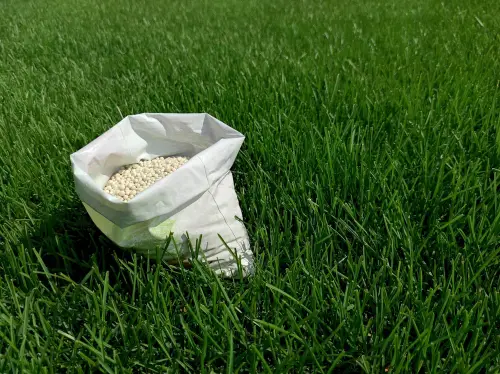
Image Source: www.groundsguys.com
Fertilized Lawn Hazards for Dogs
Fertilizers, while beneficial for grass growth, can pose several hazards to dogs. The primary concern is dog ingestion of lawn fertilizer. Dogs often explore their environment with their mouths, sniffing and sometimes nibbling on grass. If the grass has recently been treated with fertilizer, they can ingest the product directly.
The specific dangers depend on the ingredients in the fertilizer. Common components like nitrogen, phosphorus, and potassium, while essential plant nutrients, can be harmful to dogs in concentrated amounts.
- Nitrogen: Can cause gastrointestinal upset, including vomiting and diarrhea.
- Phosphorus: Ingesting large amounts can lead to electrolyte imbalances and potentially affect kidney function.
- Potassium: High levels can disrupt heart rhythm and muscle function.
Beyond the primary nutrient compounds, many fertilizers also contain other chemicals. Some common additives and their potential effects on dogs include:
- Herbicides and Pesticides: If the fertilizer is a weed-and-feed product or has added pest control agents, these chemicals can be particularly toxic to dogs. They can cause a range of symptoms from mild irritation to severe neurological damage or organ failure, depending on the specific compound and the amount ingested.
- Heavy Metals: Some fertilizers may contain trace amounts of heavy metals like iron or zinc. While usually present in small quantities, ingestion of a concentrated amount can lead to symptoms such as vomiting, diarrhea, lethargy, and in severe cases, organ damage.
- Urea: A common nitrogen source that can cause skin irritation and gastrointestinal issues.
The physical form of the fertilizer also plays a role. Granular fertilizers can cause intestinal blockages if ingested in large quantities, especially by smaller dogs.
Decoding Fertilizer Labels: What to Look For
To ensure the safety of your pets, it’s vital to comprehend lawn care safety for pets by knowing what’s in the products you use. Always scrutinize fertilizer packaging for crucial information.
Key Information to Seek on Fertilizer Packaging:
- Active Ingredients: This section will list the chemical compounds present and their concentrations. Look out for any warnings related to pets.
- Application Instructions: Pay close attention to the recommended application rate and any specific instructions for preventing pet exposure.
- Safety Precautions: Manufacturers typically include advice on handling the product and safety measures for pets and children.
- “Pet-Friendly” or “Safe for Pets” Labels: While reassuring, these labels should not be the sole basis for your decision. Always cross-reference with the ingredient list.
It’s important to note that the term “pet-friendly” can sometimes be misleading. A fertilizer might be considered “pet-friendly” if its primary components are less acutely toxic, but it doesn’t guarantee zero risk, especially with significant ingestion or if it contains other harmful additives.
The Crucial Waiting Period: How Long to Keep Dogs Off Fertilized Grass
The most critical factor in lawn care safety for pets after fertilization is the waiting period. This is the time you need to keep dogs off fertilized grass to allow the fertilizer to dissolve and absorb into the soil, reducing the risk of ingestion and contact.
General Guidelines for Waiting Periods:
- Standard Synthetic Fertilizers: For most common synthetic lawn fertilizers, a waiting period of 24 to 48 hours is recommended. This allows time for the granules to dissolve and for any initial fumes or dust to dissipate.
- Liquid Fertilizers: Liquid fertilizers are often absorbed more quickly. However, it’s still wise to wait until the grass is completely dry, which might take a few hours to a full day, depending on weather conditions.
- “Weed and Feed” Products: These are often the most hazardous as they combine fertilizers with herbicides. For these, it’s essential to follow the manufacturer’s instructions meticulously, which might extend the waiting period significantly, potentially up to a week or more, and may require keeping pets off the lawn until the applied herbicides have been thoroughly washed into the soil by rain or irrigation.
- Slow-Release Fertilizers: These fertilizers release nutrients over a longer period. While generally considered safer once absorbed, the initial application still requires a waiting period similar to standard fertilizers, as the coating on the granules can break down.
Factors Influencing the Waiting Period:
- Weather: Rain or watering can help the fertilizer absorb into the soil faster, potentially shortening the safe waiting time. Conversely, dry, hot conditions can keep granules on the surface longer.
- Fertilizer Type: As mentioned, the chemical composition and formulation (granules, liquid, slow-release) significantly impact how quickly it becomes safe.
- Application Rate: If the fertilizer was over-applied, the concentration on the grass blades and soil surface will be higher, necessitating a longer waiting period.
- Dog’s Behavior: Dogs that tend to eat grass or lick surfaces will be at higher risk, even after the recommended waiting period.
Understanding Different Fertilizer Types and Dog Safety
When choosing fertilizers, especially with pets in mind, organic lawn fertilizer dog safety is a common consideration.
Organic Lawn Fertilizers:
Organic fertilizers are derived from natural sources such as compost, manure, bone meal, and blood meal.
- Benefits:
- Generally considered safer for pets and the environment.
- Improve soil health over time by adding organic matter.
- Less likely to cause chemical burns or acute poisoning.
- Considerations for Dog Safety:
- Manure-Based Fertilizers: While natural, fresh manure can contain harmful bacteria like E. coli or Salmonella. Ensure that any manure-based fertilizers are properly composted and aged to kill these pathogens. Even then, some dogs might experience digestive upset from the rich organic content.
- Bone Meal and Blood Meal: These are excellent sources of nutrients but can be highly attractive to dogs due to their smell and taste. Ingesting large quantities of bone meal could potentially cause blockages. Blood meal can cause gastrointestinal upset.
- Waiting Period: While often safer, it’s still advisable to keep dogs off newly fertilized lawns, especially if they have sensitive stomachs. Waiting until the product is worked into the soil or until it has dried completely is a good practice. A waiting period of 12-24 hours is often sufficient for well-composted organic fertilizers.
Synthetic Fertilizers:
These are manufactured chemical compounds designed for specific nutrient delivery.
- Benefits:
- Nutrients are readily available for plant uptake.
- Often provide quick greening effects.
- Precise nutrient ratios are easy to achieve.
- Considerations for Dog Safety:
- Higher risk of toxicity due to concentrated chemicals.
- Potential for skin irritation and burns if contact is prolonged.
- Require strict adherence to waiting periods.
“Weed and Feed” or Combined Products:
These products integrate herbicides or pesticides with fertilizers.
- Benefits:
- Convenience of tackling multiple lawn issues at once.
- Considerations for Dog Safety:
- Extremely High Risk: Herbicides and pesticides are inherently more toxic than fertilizers. Dogs are particularly susceptible to these chemicals.
- Extended Waiting Periods: The waiting period for these products is crucial and often much longer, sometimes requiring the lawn to remain dry and untreated by pets until after the first rainfall or irrigation cycle, which could be several days or even a week. Always read and follow the product label exactly.
Strategies for Safe Lawn Fertilization with Pets
Making your lawn care routine pet-friendly involves more than just waiting. Proactive measures can significantly reduce risks.
Choosing Pet-Friendly Lawn Fertilizers:
- Opt for Organic: Prioritize certified organic fertilizers whenever possible. Look for products specifically marketed as safe for pets and children.
- Read Labels Meticulously: Even with organic options, check the ingredients. Avoid products with added synthetic pesticides or herbicides.
- Consider Slow-Release Formulas: These can be safer as they are less concentrated on the surface at any given time, but still require the initial waiting period.
Application Best Practices:
- Apply When Pets are Indoors: Fertilize the lawn when your dogs are safely inside. This ensures they aren’t exposed during the application process and minimizes the chance of them tracking wet fertilizer.
- Water Thoroughly After Application: Unless the product instructions state otherwise, watering the lawn after fertilization helps wash the granules into the soil, reducing surface contact and the risk of ingestion or absorption through paws.
- Sweep Up Excess Granules: If any fertilizer granules remain on hard surfaces like driveways or patios, sweep them back onto the lawn or collect them to prevent them from being tracked into the house or washed into storm drains.
- Apply in Sections: If you have a large lawn, consider fertilizing in sections. This allows you to keep your dogs in one part of the yard while you treat another, rotating them as sections become safe.
- Avoid Fertilizing During Peak Pet Activity Times: Do not fertilize just before your dog’s usual outdoor playtime or walk.
What to Do If Your Dog Ingests Lawn Fertilizer
Despite best efforts, accidental ingestion can happen. Knowing what to do can make a critical difference.
Immediate Actions:
- Remove Your Dog from the Area: Immediately bring your dog inside or to a part of the yard that has not been fertilized.
- Prevent Further Ingestion: If there is any remaining fertilizer on your dog’s coat or paws, try to rinse them with plain water. Do not use soap unless advised by a professional.
- Contact Your Veterinarian or Pet Poison Helpline: This is the most crucial step. Have the fertilizer packaging (or a clear picture of it, including the ingredient list) readily available to provide information to the professional. They will ask about:
- The specific fertilizer product.
- The amount your dog might have ingested.
- Your dog’s breed, age, weight, and any pre-existing health conditions.
- The time of ingestion.
- Any symptoms your dog is exhibiting.
Symptoms of Fertilizer Poisoning in Dogs:
The symptoms can vary widely depending on the type and amount of fertilizer ingested. They can appear within a few hours or longer.
- Gastrointestinal Upset: Vomiting, diarrhea (sometimes with blood), excessive drooling, nausea.
- Lethargy and Weakness: Your dog may seem unusually tired or weak.
- Respiratory Issues: Difficulty breathing, especially if certain pesticides were involved.
- Neurological Signs: Tremors, seizures, incoordination, staggering.
- Skin and Eye Irritation: Redness, burning sensation, discharge.
- Increased Thirst and Urination: Common with certain types of fertilizers.
- Cardiovascular Effects: Changes in heart rate.
Veterinary Treatment:
Treatment will depend on the specific fertilizer ingested and the symptoms displayed. It may include:
- Inducing Vomiting: If ingestion was recent and the product is highly toxic.
- Activated Charcoal: To bind to toxins in the digestive tract.
- IV Fluids: To support hydration and organ function.
- Medications: To manage specific symptoms like seizures or gastrointestinal irritation.
- Hospitalization: For severe cases requiring intensive monitoring and treatment.
Alternatives to Chemical Fertilizers
For those deeply concerned about lawn care safety for pets, exploring alternatives to traditional fertilizers is a smart move.
Natural Amendments for Lawn Health:
- Compost: Regularly top-dressing your lawn with compost improves soil structure, fertility, and water retention. It’s completely safe for pets once applied.
- Grasscycling: Leaving grass clippings on the lawn after mowing returns valuable nutrients to the soil, acting as a natural fertilizer.
- Aeration and Dethatching: These practices improve air, water, and nutrient penetration into the soil, leading to a healthier lawn that requires less chemical intervention.
- Beneficial Microbes: Inoculating your soil with beneficial microbes can enhance nutrient uptake by grass roots, leading to a more robust and self-sufficient lawn.
FAQs: Your Top Questions Answered
Q1: Can my dog get sick from just walking on fertilized grass?
A1: While unlikely to cause severe illness, prolonged contact with fertilizer residue can cause skin irritation or mild gastrointestinal upset if your dog licks their paws. The primary risk is ingestion.
Q2: What if it rains after I fertilize? Do I still need to wait?
A2: Rain can help dissolve and absorb the fertilizer, potentially making the lawn safer sooner. However, it’s still best to wait at least 24 hours, or as recommended by the product label, to ensure the chemicals are fully integrated into the soil and any residue has dissipated.
Q3: Are all “fertilizers” dangerous to dogs?
A3: Not all fertilizers are equally dangerous. Organic fertilizers with natural ingredients tend to be much safer than synthetic ones, especially those containing herbicides or pesticides. However, even natural products can cause digestive upset if ingested in large quantities.
Q4: How long do I need to keep my dog off a lawn treated with “weed and feed”?
A4: “Weed and feed” products are the most concerning. Always adhere strictly to the label’s instructions. This often means keeping pets off the lawn for at least 7 days, or until after the first significant rainfall or irrigation, as the herbicides can remain active on the grass blades.
Q5: Is it safe to use a spreader for fertilizer if my dog is around?
A5: It’s safest to have your dogs indoors while you are applying fertilizer. This prevents them from being exposed to the dust or granules that can become airborne during application and ensures they don’t track the product into the house.
Q6: What are the signs of fertilizer poisoning in dogs?
A6: Signs include vomiting, diarrhea, drooling, lethargy, difficulty breathing, tremors, and seizures. If you notice any of these symptoms after fertilizing your lawn, contact your veterinarian immediately.
By prioritizing safety and making informed choices about lawn care products and practices, you can enjoy a beautiful lawn without compromising the health and well-being of your beloved canine companions. Remember, diligent observation and prompt action are key to responsible pet ownership when it comes to lawn fertilization.