
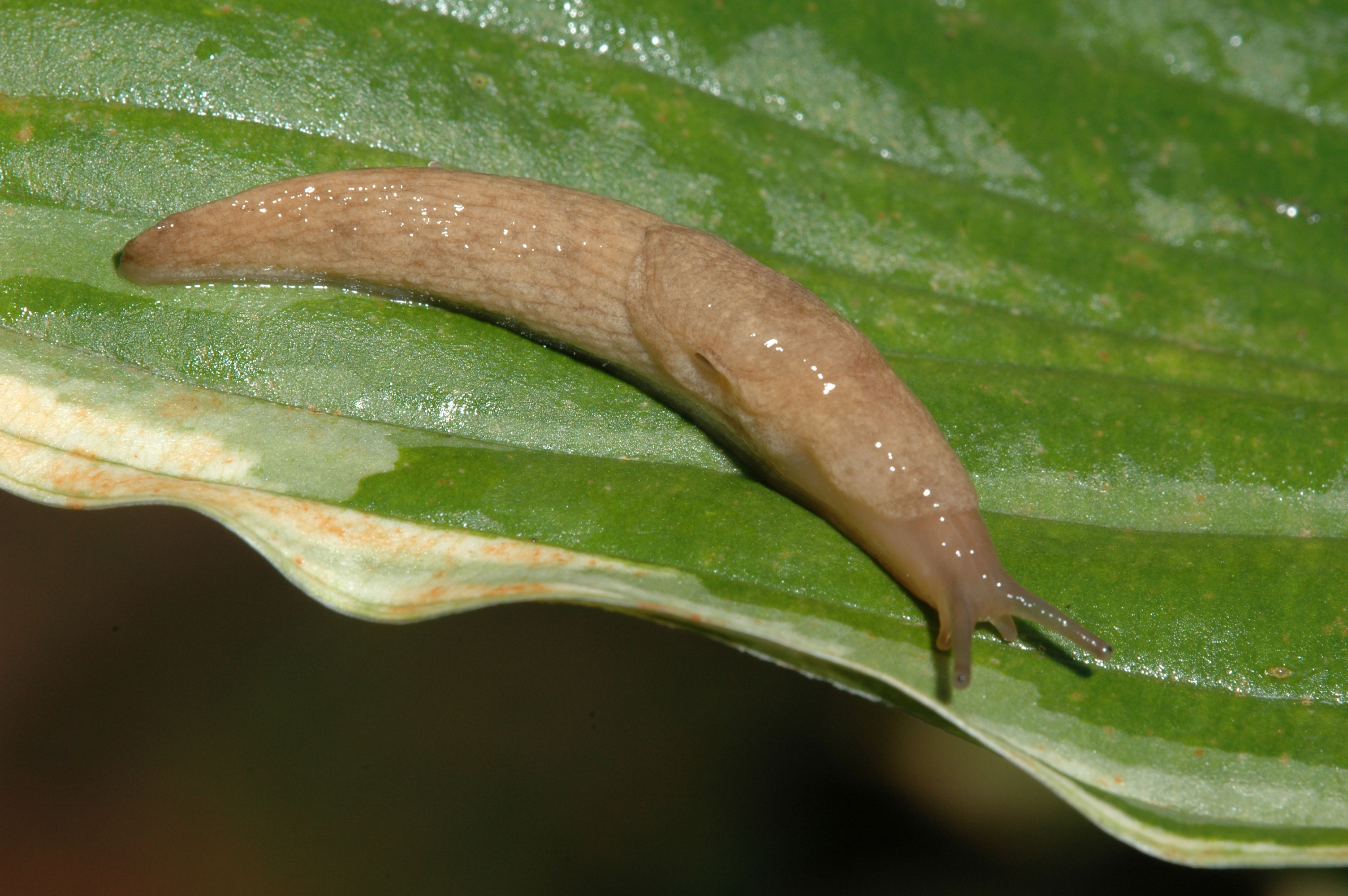
Image Source: extension.umn.edu
Why Do I Have Slugs In My Yard? Deciphering the Mystery and Finding Solutions
You’re noticing those silvery, slimy trails across your patio, or perhaps your prized hostas are riddled with irregular holes. The question “Why do I have slugs in my yard?” is a common one for gardeners and homeowners. Slugs are present in most outdoor environments because your yard provides them with their ideal living conditions: moisture, food, and shelter. These common garden pests are land mollusks that thrive in damp, shady areas and readily feast on a variety of plants, causing significant gastropod damage.
Fathoming the Slugs’ Presence: What Attracts Them?
Slugs are not discerning eaters; they are opportunistic omnivores. Your yard is a buffet for them, offering a diverse menu. The primary drivers for a slug infestation are readily available food sources, consistent moisture, and safe havens. Let’s delve deeper into what makes your yard a slug paradise.
Moisture: The Lifeblood of Slugs
Slugs are soft-bodied creatures that dehydrate easily. Therefore, consistent moisture is paramount to their survival.
- Rainfall and Irrigation: Regular rain or overwatering your garden creates the damp conditions slugs crave. They are most active during humid weather and after rain showers.
- Dew and Fog: Even heavy dew can provide enough moisture for slugs to emerge and forage, especially during early mornings or evenings.
- Shady, Humid Areas: Locations in your yard that retain moisture for extended periods, such as under dense foliage or in areas with poor air circulation, become prime slug habitats.
Food: A Garden Buffet
Your garden is a smorgasbord for slugs, and they aren’t picky eaters. They will consume a wide range of organic matter, including living plants, decaying material, and even fungi.
- Tender Plant Foliage: Young, tender leaves of vegetables, flowers, and ornamental plants are particularly attractive. Hostas, lettuce, strawberries, and seedlings are frequent targets.
- Fruits and Vegetables: Fallen fruits or ripening vegetables at ground level are an easy meal.
- Algae and Fungi: Slugs also feed on algae growing on damp surfaces and various types of fungi, contributing to their presence even when direct plant damage isn’t immediately obvious.
- Organic Debris: Mulch, fallen leaves, and compost piles provide both food and shelter, making them magnets for slugs.
Shelter: Safe Havens for Slugs
Slugs need places to hide from predators and the harsh sun during the day. These resting spots are crucial for their life cycle.
- Dense Ground Cover: Overgrown grass, thick ground cover plants, and dense vegetation offer excellent hiding places.
- Mulch and Leaf Litter: A thick layer of mulch or accumulated leaves provides both moisture retention and a dark, safe environment for slugs to retreat to.
- Debris and Structures: Discarded pots, lumber, stones, and any damp, undisturbed debris in your yard can serve as ideal slug habitats.
- Beneath Rocks and Logs: Cool, damp spaces under rocks and fallen logs are classic slug retreats.
Identifying the Culprits: Types of Slugs
While the most common species may vary by region, recognizing them is the first step to effective mollusk control.
Common Slug Species
- Gray Field Slug (Deroceras reticulatum): One of the most widespread and damaging species, often pale gray or yellowish.
- Leopard Slug (Limax maximus): A larger, more conspicuous slug with a distinctive spotted or marbled pattern. While they can eat plants, they are also known to prey on other slugs and their eggs.
- Brown Slug (Arion ater): A dark brown or black slug, often found in gardens and known for its significant plant damage.
Recognizing the Signs: Slug Damage
Before you see the slugs themselves, you might notice the evidence of their nocturnal feasting. The characteristic slimy trails are a dead giveaway.
Visual Indicators of Slug Activity
- Silvery Trails: These glistening paths are left behind as slugs move, often seen on leaves, soil, or hard surfaces after they’ve passed.
- Holes in Leaves: Slugs create irregular, chewed holes in plant leaves. These are typically not neat edges but ragged tears.
- Gnawed Stems and Fruits: Slugs can also damage stems and bore into fruits that are close to the ground.
- Seedling Devastation: Young seedlings are particularly vulnerable and can be completely devoured overnight.
Tackling the Problem: Effective Slug Control Strategies
Once you’ve identified a slug problem, it’s time to implement control measures. A multi-pronged approach is usually the most effective for managing a slug infestation.
Physical and Mechanical Control Methods
These methods focus on direct removal and creating barriers.
- Handpicking: The most direct method is to go out at night or early morning with a flashlight and pick slugs off plants and surfaces. Dispose of them by dropping them into a bucket of soapy water.
- Barriers: Creating physical barriers around plants can deter slugs.
- Copper Tape: Slugs are repelled by copper. Applying copper tape around the rims of pots or garden beds can be effective. The copper reacts with the slug’s slime to create a mild electric shock.
- Diatomaceous Earth (DE): Food-grade DE is a powder made from fossilized algae. Its sharp edges can scratch the slug’s body, causing dehydration. Apply it around plants when the area is dry. Reapply after rain.
- Crushed Eggshells or Diatomaceous Earth: Spreading a rough barrier around plants can make it difficult for slugs to traverse.
- Gravel or Sand: A thick layer of coarse gravel or sand around plants can also act as an irritant.
- Traps:
- Beer Traps: Bury shallow containers (like yogurt cups or tuna cans) so their rims are level with the soil. Fill them with beer. Slugs are attracted to the yeast in beer and will drown. Check and empty these regularly.
- Plank or Board Traps: Place damp boards or upside-down flower pots in the garden. Slugs will seek shelter underneath them during the day. Lift these in the morning to find and dispose of slugs.
Biological Control Measures
Leveraging nature’s own pest controllers can be a sustainable solution.
- Encourage Natural Predators: Birds, toads, frogs, hedgehogs, and some ground beetles are natural predators of slugs. Providing a habitat that attracts these creatures can help keep slug populations in check.
- Nematodes: Specific species of parasitic nematodes can infect and kill slugs. These are applied to the soil and work best in moist conditions.
Chemical Control Methods (Use with Caution)
Chemical slug baits are available, but they should be used as a last resort due to potential harm to non-target organisms, including pets and beneficial wildlife.
- Slug Baits:
- Metaldehyde Baits: These are common but can be toxic to pets and wildlife if ingested. They work by dehydrating slugs. Use sparingly and follow label instructions carefully.
- Iron Phosphate Baits: These are considered a safer alternative. Slugs eat them, stop feeding, and die shortly after. They are generally less toxic to pets and wildlife.
- Slug Repellents: While not a control method in itself, certain substances can be used to repel slugs from specific areas. These often overlap with barrier methods, like copper or certain plant-based deterrents.
Proactive Measures: Slugs Prevention
The best way to deal with slugs is to prevent them from becoming established in the first place. Good garden hygiene and smart planting choices can go a long way.
Garden Management for Slug Prevention
- Reduce Habitat:
- Clear Debris: Regularly remove leaf litter, fallen branches, weeds, and old plant debris from your garden. This eliminates hiding places.
- Manage Mulch: Use mulch judiciously. While it conserves moisture, a thick, damp layer can be a slug haven. Keep mulch pulled back from plant stems.
- Control Weeds: Weeds provide shelter and alternative food sources for slugs.
- Watering Practices:
- Water in the Morning: This allows the soil surface and foliage to dry out before slugs become active in the evening, reducing their moisture advantage.
- Water at the Base of Plants: Avoid overhead watering, which keeps foliage damp.
- Improve Drainage: Ensure your garden beds have good drainage to prevent persistent sogginess.
- Sanitation: Remove fallen fruits and vegetables promptly, as these can attract slugs.
- Container Gardening: Growing plants in containers can sometimes help, as slugs find it harder to reach elevated plants. Ensure pots are not sitting directly on the soil surface.
Planting Choices for Deterrence
Some plants are less attractive to slugs than others.
- Resistant Plants: Incorporate plants that slugs tend to avoid. These often have fuzzy, leathery, or aromatic foliage. Examples include:
- Ferns
- Astilbe
- Bleeding Hearts
- Geraniums
- Lavender
- Rosemary
- Thyme
- Alliums (onions, garlic)
- Columbine
- Attractive Plants to Avoid Placing Near Vulnerable Plants: Be mindful of placing highly attractive plants, like hostas, near seedlings or other prized, vulnerable plants. Consider placing them in containers or areas where slug control is easier.
Understanding Slug Behavior: Nocturnal Habits and Life Cycle
Slugs are primarily nocturnal, meaning they are most active at night, especially in warm, humid conditions. During the day, they retreat to cool, damp, dark places to avoid dehydration and predators. This behavior is crucial for effective mollusk control.
The Slug Life Cycle
Understanding their life cycle can help target them more effectively.
- Eggs: Slugs lay small, translucent eggs, often in clusters, in damp soil, under rocks, logs, or mulch.
- Young Slugs: Hatchlings are tiny and vulnerable but quickly begin feeding.
- Adult Slugs: Grow and reproduce, laying more eggs.
Most common garden slugs have an annual life cycle, but some can live for several years. They typically reproduce most prolifically in the autumn and spring.
Advanced Mollusk Control: Integrated Pest Management (IPM)
An Integrated Pest Management (IPM) approach combines various strategies to manage slug populations sustainably and effectively. It emphasizes prevention and uses the least toxic methods first.
Key Components of IPM for Slugs
- Monitoring: Regularly inspect your garden for signs of slugs and their damage. Early detection is key to preventing a large-scale slug infestation.
- Cultural Controls: Implement good garden practices like proper watering, sanitation, and habitat reduction.
- Mechanical/Physical Controls: Use barriers, traps, and handpicking.
- Biological Controls: Encourage natural predators and consider biological agents like nematodes.
- Chemical Controls (Last Resort): Use targeted, less toxic chemical baits only when other methods are insufficient, and always follow label instructions precisely.
Common Questions About Slugs in the Yard
Here are some frequently asked questions about slug problems and their solutions.
FAQ Section
- Q1: Can slugs actually kill plants?
- A1: Yes, severe slug damage, especially to young seedlings or plants with tender foliage, can weaken or even kill them. However, healthy, mature plants can usually withstand moderate slug feeding without lasting harm.
- Q2: Are slugs harmful to humans or pets?
- A2: Slugs themselves are not harmful to humans. However, some slug baits, particularly those containing metaldehyde, can be highly toxic to pets if ingested. Always store and use slug baits safely away from pets and children.
- Q3: How long does it take for slug control methods to work?
- A3: The effectiveness of methods varies. Handpicking and barriers offer immediate, albeit localized, protection. Beer traps and board traps can start working within a day or two. Chemical baits typically take a few days to show significant results. Consistent application of preventative measures is key for long-term control.
- Q4: Why do I see slimy trails on my patio?
- A4: Slimy trails are the mucus slugs secrete as they move. This slime lubricates their path, protects their soft bodies, and helps them adhere to surfaces. You’ll often see these trails on surfaces where slugs have traveled to and from their food sources or shelters.
- Q5: Are there any plants that slugs absolutely hate?
- A5: While no plant is entirely slug-proof, many plants with fuzzy leaves (like Lamb’s Ear), strong scents (like lavender or mint), or tough, leathery textures tend to be less appealing to slugs. However, even these can be eaten if other food sources are scarce.
- Q6: What is the best time of day to look for slugs?
- A6: Slugs are most active during the night, especially after rain or when temperatures are mild and humidity is high. Early morning, before the sun fully rises, is also a good time to spot them as they retreat to shelter.
- Q7: Can slugs survive in dry conditions?
- A7: No, slugs cannot survive in dry conditions for long. They need moisture to breathe and move. They will retreat underground or to very damp, shaded areas to wait for more favorable, moist conditions. This is why they are most problematic in gardens that are frequently watered or experience regular rainfall.
- Q8: How can I get rid of slugs in my lawn?
- A8: For lawns, reducing thatch and keeping the grass at a moderate height can help. Watering in the morning is also beneficial. For more severe infestations, specialized lawn treatments might be necessary, but always consider the impact on beneficial insects and pets.
By understanding why slugs are in your yard and implementing a combination of preventative measures and active slug control strategies, you can significantly reduce gastropod damage and enjoy a healthier garden. Remember that consistency and a multi-faceted approach are your best allies in the ongoing battle against these common garden pests.