
Mushrooms popping up in your yard can be a surprise, and many wonder: are mushrooms in my yard a problem? Generally, mushrooms are a sign of healthy soil and are not harmful to your lawn or garden, but their presence can indicate certain conditions you might want to address. This article will delve into why mushrooms appear, the factors influencing their growth, how to identify them, and what you can do about them.
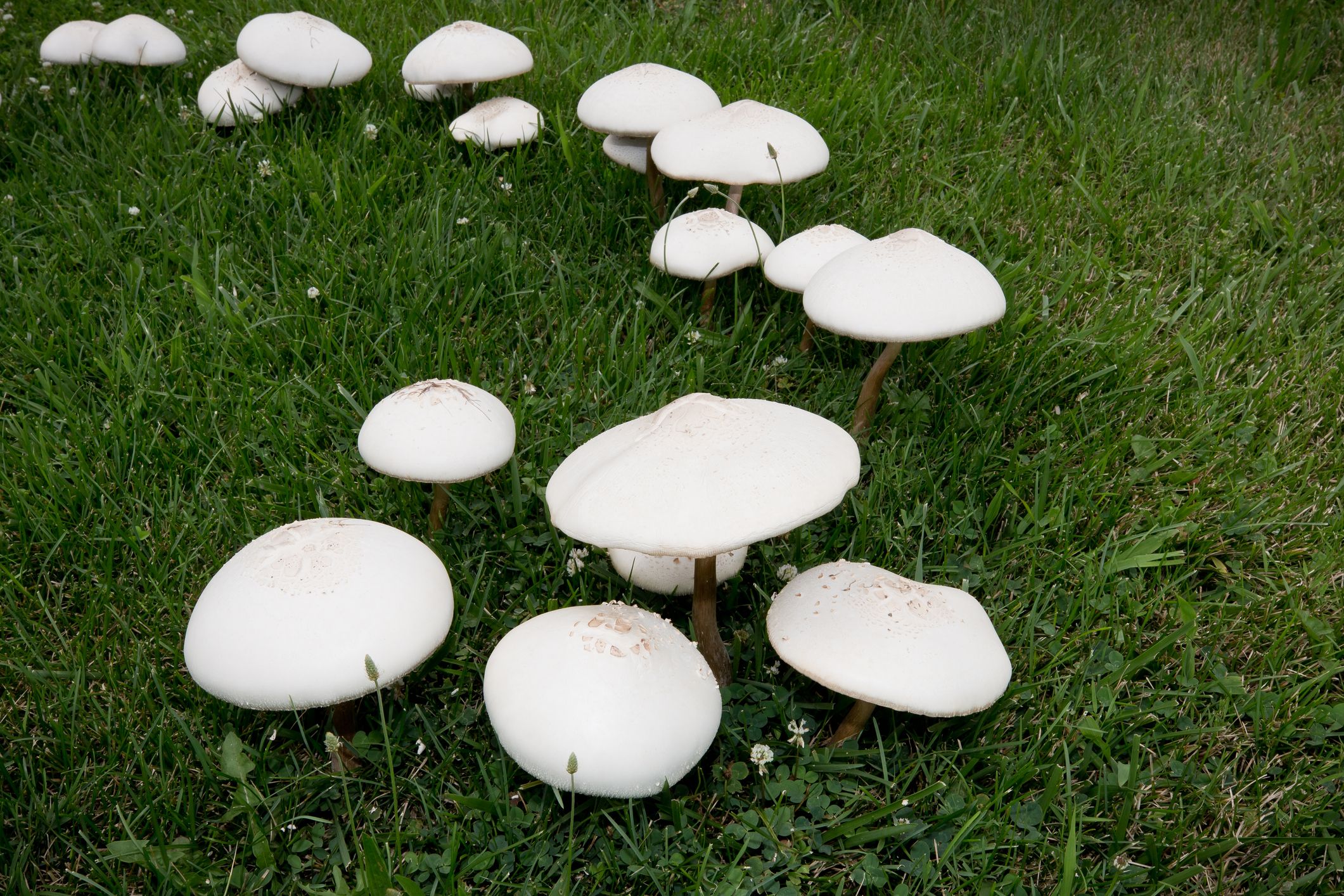
Image Source: hips.hearstapps.com
Fathoming the Presence of Fungus in Your Lawn
The appearance of mushrooms in your yard is a direct indicator of the presence of a fungus in lawn. These fungi are not the same as the ones that cause diseases in grass; in fact, many are beneficial. They are part of a vast underground network called mycelium, which plays a crucial role in breaking down organic material in the soil. Think of the mushrooms as the “fruit” of this hidden network.
Mushroom Growth Causes: The Essentials
Several factors contribute to mushroom growth causes. At their core, mushrooms need three things to thrive: food, moisture, and the right temperature.
Decaying Organic Matter: The Primary Food Source
The most common reason for mushrooms to sprout is the presence of decaying organic matter. Your soil is a living ecosystem, and fungi are nature’s recyclers. They break down dead plant material, animal waste, and other organic debris, returning nutrients to the soil. This means that mushrooms in your yard are often a sign that your soil is rich and healthy, albeit with plenty of food for these fungi.
Some common sources of decaying organic matter include:
- Buried Tree Stumps or Roots: Even old, seemingly dead stumps can provide a food source for years.
- Compost Piles: If your compost pile isn’t perfectly contained or if small amounts have spread, mushrooms can appear.
- Thatch Buildup: A thick layer of dead grass at the soil surface can decompose and feed fungi.
- Animal Droppings: Pet waste or wild animal scatters can also be a food source.
- Buried Wood or Debris: Construction or landscaping debris left in the ground can decompose slowly.
Moisture: The Essential Element
Fungi, like most living organisms, require water. Excess moisture, whether from prolonged rain, overwatering your lawn, or poor drainage, can create ideal conditions for mushroom growth. Even a few damp days can be enough to trigger the fruiting bodies – the mushrooms we see – to emerge from the mycelium.
Temperature and Spores: The Catalysts
Mushrooms emerge when temperatures are favorable. Typically, this is during the cooler, wetter periods of spring and fall. However, some species can pop up in the summer, especially after heavy rains.
The presence of mushroom spores in soil is ubiquitous. These microscopic spores are constantly in the air and land on the ground. They lie dormant until conditions are right for germination and growth. So, the spores are likely already present; it’s the combination of food and moisture that makes them visible.
Identifying Yard Mushrooms: What You’re Seeing
When you see toadstools in garden or mushrooms in your lawn, it’s natural to wonder what they are. Identifying yard mushrooms involves looking at several characteristics:
- Cap: Shape, color, texture, and size.
- Gills/Pores: Located under the cap, these can be gilled or have pores. Their color and spacing are important.
- Stem (Stipe): Color, texture, presence of a ring (annulus), or a cup-like structure at the base (volva).
- Spore Print: The color of the spores, obtained by placing the cap on paper.
Common Types of Yard Mushrooms
While a definitive identification often requires expert knowledge, here are a few common types you might encounter:
- Fairy Rings: These are circles of mushrooms that appear in lawns. They are caused by a circular pattern of underground mycelium that feeds on organic matter. The grass within the ring might be darker green due to the nutrients released by the fungus.
- Ink Caps: These mushrooms are distinctive because their caps “melt” into a black, ink-like liquid as they mature. They often appear in clusters.
- Puffballs: These are round or pear-shaped mushrooms that release spores when disturbed, puffing out a cloud of brown powder. Young, white puffballs are often edible.
- Boletes: These mushrooms have pores instead of gills under their caps and typically have a stout stem.
Important Note: While some yard mushrooms are edible, many are poisonous. It is never recommended to eat a mushroom found in your yard unless you are an experienced forager and have positively identified it as edible.
Mushroom Removal: When and How to Act
For the most part, mushrooms are harmless to your lawn and can even be beneficial. However, if you are concerned about their appearance, or if you have pets or children who might be tempted to interact with them, you might consider mushroom removal.
Is Mushroom Removal Necessary?
- Aesthetic Concerns: You simply don’t like the way they look.
- Pet or Child Safety: You are worried about accidental ingestion of poisonous varieties.
- Indications of Other Issues: While mushrooms themselves aren’t usually the problem, their abundance might point to excessive moisture or extensive buried organic matter.
Methods for Mushroom Removal
1. Manual Removal:
- How: The simplest method is to pull the mushrooms out of the ground by hand or with a trowel. Try to get as much of the stem and any visible base as possible.
- Effectiveness: This is a temporary solution. It removes the visible fruiting bodies but does not eliminate the underlying mycelium. Mushrooms will likely reappear if the conditions remain favorable.
2. Improving Drainage:
- How: If excessive moisture is a primary cause, focus on improving drainage in your yard. This might involve aerating your lawn, dethatching, or adjusting your watering schedule.
- Effectiveness: Addressing the moisture issue can help reduce the frequency of mushroom outbreaks over time.
3. Reducing Organic Matter:
- How: Remove any obvious sources of decaying organic matter, such as fallen leaves, grass clippings, or pet waste. Address buried tree stumps if they are a persistent problem.
- Effectiveness: This tackles the food source for the fungi, which can reduce future growth.
4. Chemical Treatments (Use with Caution):
- How: Fungicides designed for lawns can sometimes be used to control mushroom growth. However, it’s crucial to note that these products can also harm beneficial soil fungi. Always read and follow product instructions carefully.
- Effectiveness: This is generally a last resort and can have unintended consequences for your lawn’s overall health. It’s often more effective to manage the environmental factors.
5. Natural Remediation:
- How: Some gardeners use natural methods like applying a thin layer of lime to the affected areas. Lime can help alter the soil pH, making it less hospitable for certain types of fungi. However, this should be done judiciously, as it can also impact your grass.
- Effectiveness: Variable, depending on the specific fungi and soil conditions.
Beneficial Lawn Fungi: The Hidden Helpers
It’s important to remember that not all fungi are pests. Many are beneficial lawn fungi. These fungi form symbiotic relationships with grass roots, a process called mycorrhizal association.
- Nutrient Uptake: Mycorrhizal fungi extend the reach of grass roots, helping them absorb water and nutrients (like phosphorus) more efficiently from the soil.
- Disease Resistance: A healthy network of beneficial fungi can help your grass resist certain diseases and environmental stresses like drought.
- Soil Health: They contribute to soil structure and aeration as they grow and decompose organic matter.
When you see mushrooms, it’s often a sign that these beneficial fungi are thriving. Aggressively trying to eliminate all fungi might inadvertently harm the very organisms that help keep your lawn healthy.
Soil Conditions for Mushrooms: What They Prefer
The presence of mushrooms is a strong indicator of specific soil conditions for mushrooms.
Key Soil Conditions:
- Adequate Moisture: As discussed, consistent moisture is paramount.
- Organic Matter: A plentiful supply of food from decaying material.
- pH Levels: While some fungi tolerate a wide range, others prefer slightly acidic or alkaline conditions.
- Aeration: Fungi need oxygen to grow. Compacted soil can sometimes hinder their spread.
- Temperature: Moderate temperatures, avoiding extremes of heat or cold.
Mushroom Spores in Soil: A Constant Presence
Mushroom spores in soil are a natural and constant component of any healthy ecosystem, including your lawn. They are incredibly tiny and are carried by wind, water, animals, and even on your shoes.
- Ubiquity: You can’t eliminate them entirely without sterilizing your soil, which would also kill beneficial microorganisms.
- Germination Triggers: Spores lie dormant until the right combination of moisture, temperature, and available nutrients triggers their germination into mycelium.
Mushroom Remediation: A Balanced Approach
When considering mushroom remediation, it’s about management rather than eradication. The goal should be to create an environment less conducive to excessive mushroom growth, while still supporting overall soil health.
Strategies for Balanced Mushroom Remediation:
- Cultural Practices: Focus on good lawn care. This includes proper mowing height (longer grass shades the soil and retains moisture), appropriate watering (water deeply and less frequently), and regular dethatching and aeration to prevent thatch buildup and compaction.
- Leaf and Debris Management: Keep your lawn clear of fallen leaves and other debris that can decompose and feed fungi.
- Targeted Removal: If you choose to remove mushrooms, do so consistently.
- Soil Testing: Consider a soil test to check for nutrient deficiencies or pH imbalances that might be contributing to the problem. Adjustments can be made based on the results.
Addressing Specific Concerns: Toadstools in Garden
When toadstools in garden areas appear, the principles are similar to those in the lawn, but with a few nuances. Gardens often have richer soil and more diverse organic matter, which can encourage a greater variety of fungi.
- Mulch: Organic mulch is excellent for gardens, but it also provides food and moisture retention for fungi. If mushrooms are a persistent issue in mulched beds, you might consider switching to inorganic mulches or topping up less frequently.
- Watering Practices: Ensure you are watering plants directly at the base and avoiding overhead watering that keeps the foliage and soil surface consistently wet.
- Deadheading and Pruning: Remove dead plant material promptly from garden beds.
Troubleshooting Common Mushroom Issues
| Issue | Potential Causes | Solutions |
|---|---|---|
| Frequent Fairy Rings | Buried organic matter (stumps, roots), thatch, compacted soil, rich soil conditions. | Aerate, dethatch, remove visible debris. For persistent rings, consider special treatments or a small amount of lime. Adjust watering. |
| Clumps of Mushrooms | High moisture, decaying organic matter (e.g., old wood chips, pet waste). | Remove mushrooms manually. Improve drainage. Rake up debris. Ensure compost is well-integrated or contained. |
| Mushrooms after Heavy Rain | Natural response to increased moisture and favorable temperatures. | Usually temporary. Allow them to decompose naturally if not a concern. If concerned about pets, remove them. |
| Mushrooms in Garden Beds | Mulch, compost, decaying plant material, watering practices. | Manage mulch layers. Remove dead plant debris. Water at the base of plants. Consider replacing some organic mulch with inorganic if problems persist. |
| White, Fuzzy Growth (Mycelium) | Visible signs of the underground fungal network, often on soil or mulch. | Usually harmless, indicating active decomposition. Improve air circulation if growth is excessive. |
| Persistent Mushroom Problems | Underlying issues with drainage, excessive organic matter, or soil compaction. | Comprehensive lawn care approach: aeration, dethatching, proper watering, and debris removal. Consider a soil test. |
Frequently Asked Questions (FAQ)
Q1: Are mushrooms in my yard dangerous?
A1: Most yard mushrooms are harmless to your lawn and soil. However, some varieties are poisonous if ingested by pets or children. It’s best to remove them if you have concerns about accidental consumption.
Q2: Can I eat mushrooms from my yard?
A2: It is strongly advised not to eat wild mushrooms found in your yard unless you are an expert forager with absolute certainty of their identification. Many poisonous mushrooms resemble edible ones.
Q3: What causes mushrooms to grow in rings?
A3: Mushrooms often grow in rings, known as “fairy rings,” because the underground fungal network (mycelium) grows outwards in a circular pattern. As it feeds on organic matter in the soil, it creates a circle, with the mushrooms appearing at the outer edge where conditions are optimal.
Q4: How can I prevent mushrooms from growing?
A4: Prevention involves managing the conditions that fungi need: reduce excess moisture by improving drainage and watering practices, remove sources of decaying organic matter, and maintain a healthy, vigorous lawn through proper care.
Q5: Are mushrooms a sign of a sick lawn?
A5: Generally, no. Mushrooms are often a sign of healthy soil with plenty of organic matter and good moisture. They are a natural part of the decomposition process. However, if the mushrooms are accompanied by brown patches or other signs of distress in your grass, it might indicate a fungal disease, which requires different treatment.
Q6: What is the best way to remove mushrooms?
A6: The most effective methods involve manual removal and addressing the underlying causes. Improving drainage and reducing decaying organic matter are key to long-term management. Chemical treatments are rarely necessary and can have unintended consequences.
Q7: Will removing the mushrooms kill the fungus?
A7: Removing the visible mushrooms (fruiting bodies) does not eliminate the underlying mycelium in the soil. Mushrooms will continue to appear as long as the conditions are favorable for the fungus.
Q8: Can I use baking soda to get rid of mushrooms?
A8: Some people try using baking soda or lime on mushrooms. While these can alter soil conditions, their effectiveness varies, and they can potentially harm your lawn if not used correctly. It’s generally better to focus on moisture and organic matter management.
In conclusion, the appearance of mushrooms in your yard is a common natural phenomenon, often indicating a healthy soil ecosystem. By understanding the role of decaying organic matter, mushroom spores in soil, and the ideal soil conditions for mushrooms, you can better manage their presence, whether that means enjoying them as a sign of a robust environment or taking steps for mushroom removal and mushroom remediation when aesthetic or safety concerns arise. Remember to always prioritize the overall health of your lawn and garden when deciding on any course of action.