
Moles appear in your yard because they are seeking a reliable food source, primarily earthworms and grubs, and they need to create extensive underground tunnel systems for shelter and foraging. These small, velvety mammals are driven by their insatiable appetite and their need for a safe environment. If you’re asking, “Can I get rid of moles?” the answer is yes, with the right approach.
Moles are fascinating creatures, though their presence can be a nuisance for homeowners. Their underground activity can wreak havoc on lawns, gardens, and landscaping, leaving behind unsightly mounds of soil and damaged plants. This guide will delve into why moles invade our yards, the damage they cause, and the most effective methods for mole control.
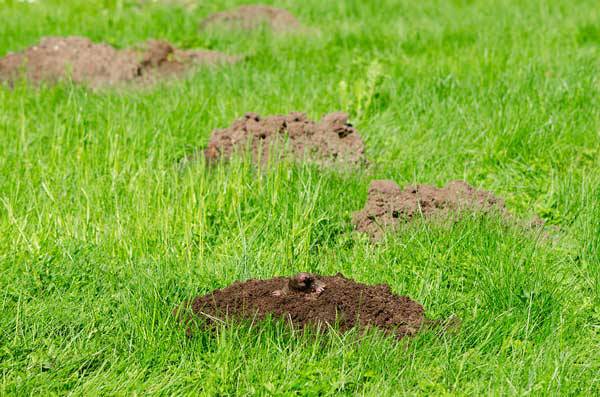
Image Source: www.rottler.com
Deciphering Mole Behavior: What Makes Them Tick
Moles are not rodents, as many people assume. They are insectivores, meaning their diet consists almost entirely of invertebrates found in the soil. Their entire existence revolves around the subterranean world.
The Mole’s Diet: A Constant Quest for Food
- Earthworms: These are a mole’s primary food source. A single mole can eat an astonishing amount of earthworms, sometimes up to its own body weight each day. They are drawn to moist, healthy soil where earthworms thrive.
- Grubs: The larvae of beetles, such as Japanese beetles, are another favorite. Grubs feed on plant roots, and areas with grub infestations can become a magnet for moles.
- Other Invertebrates: Moles will also consume insects, larvae, slugs, snails, and even small amphibians if they encounter them.
Underground Architects: The Art of Tunneling
Mole tunnels are not just random excavations. They are sophisticated networks designed for efficiency and survival.
- Foraging Tunnels: These are typically shallow tunnels, often only a few inches below the surface. You’ll recognize them by the raised ridges they create on your lawn. Moles use these to systematically search for food.
- Deep Tunnels: Deeper tunnels serve as permanent residences, nesting chambers, and escape routes. These are usually located several inches to a few feet underground.
- Push Mounds: When moles excavate deeper, they push the excess soil to the surface, creating characteristic cone-shaped mounds known as “molehills.” The fresh soil is a clear sign of moles in your yard.
Moles have a highly developed sense of smell and touch, which helps them locate prey in the dark. Their large, paddle-like front paws are perfectly adapted for digging.
Identifying the Signs of Moles in Your Yard
Spotting moles is often difficult, as they spend almost all their time underground. However, the evidence of their presence is usually unmistakable. Recognizing these signs is the first step in effective mole control.
Visible Indicators of Infestation
- Mounds of Soil: These are the most obvious clue. Fresh, volcano-shaped mounds of loose soil popping up across your lawn are a strong indicator. The soil is often fine and free of debris, as it’s pushed up from below.
- Surface Ridges: Raised, worm-like ridges snaking across your lawn are another tell-tale sign. These are the shallow foraging tunnels collapsing slightly from the weight of the soil above.
- Damaged Lawns: Beyond the mounds and ridges, moles can disrupt the root systems of grass, causing patches of lawn to die off or become unhealthy.
- Disturbed Garden Beds: Moles in garden areas can be particularly frustrating, as they can uproot delicate plants and damage bulbs while searching for grubs and worms.
Distinguishing Mole Damage from Other Pests
It’s important to differentiate mole damage from that caused by voles or gophers.
- Moles: Primarily cause mounds and surface ridges. They rarely eat plants.
- Voles: Are rodents that feed on plants. They create smaller, shallower holes and runways closer to the surface, often along the base of plants, and chew on stems and roots.
- Gophers: Also create mounds, but they are typically larger and have a plug of soil in the center of the hole. They are more likely to damage plants by eating roots and chewing on vegetation.
The Impact: Lawn Damage from Moles
The aesthetic and structural damage caused by moles can be significant, impacting the health and appearance of your landscape.
Aesthetic Concerns
- Uneven Terrain: The constant creation of molehills makes mowing difficult and creates an unsightly, bumpy surface.
- Unsightly Ridges: The raised tunnels detract from the smooth appearance of a well-maintained lawn.
- Destroyed Flowerbeds: Moles digging through garden beds can uproot and damage flowers, vegetables, and other desirable plants.
Structural and Health Impacts
- Root Damage: While moles don’t eat plants, their tunneling can sever plant roots, depriving them of water and nutrients, leading to wilting and death.
- Soil Compaction: The repeated excavation and movement of soil can lead to soil compaction in some areas.
- Erosion: In extreme cases, extensive tunneling can weaken the soil structure, potentially contributing to minor erosion.
Strategies for Mole Control: How to Get Rid of Moles
Dealing with moles requires a multi-faceted approach. There’s no single magic bullet, but a combination of methods can be highly effective. Your goal is to make your yard less hospitable to moles or to remove them directly.
Habitat Modification: Making Your Yard Less Appealing
Sometimes, the simplest approach is to remove what attracts them.
-
Reduce Food Sources:
- Grub Control: If your yard has a significant grub problem, applying a grub killer can reduce one of the mole’s main food sources. This might discourage them from staying long-term.
- Earthworm Management: While you can’t eliminate earthworms without harming your soil, ensuring your soil is not overly saturated or consistently moist might make it less appealing for moles to concentrate their efforts.
-
Improve Soil Drainage: Moles prefer moist soil. Improving drainage can make certain areas less attractive.
Mole Repellents: Discouraging Their Presence
Mole repellents are designed to make your yard unpleasant for moles, encouraging them to move elsewhere. They typically work by scent or taste.
-
Castor Oil-Based Repellents: These are common and often formulated as granules or liquids that are watered into the soil. The idea is that when moles ingest or come into contact with treated soil and earthworms, they find it unpalatable.
- Application: Follow product instructions carefully. Many require reapplication after rain or heavy watering.
- Effectiveness: Results can vary. Some homeowners report success, while others find them ineffective. Moles are persistent, and if the food source is strong enough, they may tolerate the repellent.
-
Predator Urine: Products containing the urine of predators like foxes or coyotes can be used as a deterrent. The scent is meant to make moles believe predators are present, prompting them to flee.
- Application: Typically sprinkled around active mole tunnels and mounds.
- Effectiveness: Similar to castor oil repellents, effectiveness can be inconsistent.
-
Ultrasonic Devices: These devices emit high-frequency sounds meant to disturb moles.
- Effectiveness: Scientific evidence supporting their efficacy is limited. Moles have poor eyesight but a good sense of hearing and touch, so while some sounds might be irritating, it’s unlikely to drive them away permanently if other conditions are favorable.
Mole Traps: The Direct Approach
For homeowners who want a more direct and immediate solution, mole traps are often considered the most effective method for removing moles.
-
Types of Mole Traps:
- Scissor Traps: These have two scissor-like blades that spring shut when triggered by a mole moving through a tunnel. They are designed to kill the mole quickly.
- Plunger Traps: These feature a plunger that descends when a mole triggers a pressure plate, impaling the mole.
- Harpoon Traps: Similar to plunger traps, these have a harpoon-like spike that shoots down into the tunnel when a trigger is activated.
- Chokers/Loop Traps: These create a loop that tightens around the mole as it passes through.
-
How to Use Mole Traps Effectively:
- Locate Active Tunnels: The key to successful trapping is to find active tunnels. Look for fresh molehills and surface ridges. Gently collapse a section of a ridge with your foot. If the tunnel is repaired within 24 hours, it’s likely active.
- Set the Trap: Carefully dig a small hole in the active tunnel and set the trap according to the manufacturer’s instructions. Ensure the trap is level with the tunnel floor.
- Conceal the Trap: Cover the trap and the hole with a bucket, a piece of sod, or a cardboard box to block out light and prevent other animals from interfering.
- Check Regularly: Check traps daily. Moles are active, and you want to remove them quickly.
- Handle with Gloves: Always wear gloves when handling traps or moles. Moles can carry diseases, and human scent can sometimes deter them from a trapped area.
-
Pros of Trapping:
- Highly Effective: When placed correctly in active tunnels, traps are generally the most successful method for direct mole removal.
- Targeted: Traps specifically target moles, minimizing harm to other wildlife.
- Immediate Results: You can often see results within a few days.
-
Cons of Trapping:
- Requires Effort: Finding active tunnels and setting traps can be labor-intensive.
- Ethical Considerations: Some people are uncomfortable with killing animals.
- Risk of Injury: Improperly set traps can injure non-target animals or humans.
Other Mole Control Methods
-
Flooding: While tempting, flooding tunnels is usually ineffective. Moles are excellent swimmers and can often simply relocate to drier parts of their tunnel system or emerge from the ground. It also wastes a lot of water and can damage your lawn.
-
Natural Predators: Encouraging natural predators like owls, hawks, and snakes can help keep mole populations in check over the long term. However, this is a gradual process and not a quick solution for an active infestation.
Professional Mole Control Services
If you find yourself overwhelmed by mole activity or don’t have the time or inclination to deal with it yourself, hiring a professional pest control service specializing in wildlife removal is a viable option.
When to Call the Professionals
- Severe Infestations: If your lawn is riddled with molehills and tunnels, professionals have access to more potent solutions and extensive experience.
- Lack of Success with DIY Methods: If you’ve tried various repellents and traps without success, a professional can identify the problem and implement a tailored plan.
- Time Constraints: Professionals can handle the labor-intensive aspects of mole control efficiently.
What to Expect from Professionals
- Inspection: They will typically conduct a thorough inspection to assess the extent of the infestation and identify active tunnels.
- Treatment Plan: They will propose a treatment plan, which might involve trapping, baiting (though mole baits are less common and often less effective than traps), or habitat modification.
- Guarantees: Many professional services offer guarantees on their work.
Frequently Asked Questions About Moles in the Yard
Q1: Are moles dangerous to humans or pets?
A1: Moles themselves are not directly dangerous to humans or pets. They are shy creatures that avoid contact. However, their tunneling can create tripping hazards on lawns, and their presence can be a nuisance. It’s always best to wear gloves when handling traps or dealing with dead moles, as they can potentially carry diseases.
Q2: Can moles be completely eliminated from an area?
A2: Complete elimination is very difficult. Moles are native to many regions, and their habitat is your soil. The goal of mole control is typically to reduce their population to a manageable level where they cause minimal damage. If you have a neighbor with a heavily infested yard, moles might continue to migrate to your property.
Q3: Will moles eat my plants?
A3: Moles are insectivores and primarily eat earthworms, grubs, and other invertebrates. They do not typically eat plants. However, their tunneling activity can sever plant roots, which can indirectly kill or damage plants. The lawn damage from moles is usually a result of their digging, not their eating habits.
Q4: How long does it take for mole control methods to work?
A4: This varies greatly depending on the method and the severity of the infestation. Repellents can take several weeks to show any effect, and even then, their success is not guaranteed. Trapping is generally the fastest method, with some homeowners seeing results within a few days to a week of proper trap placement.
Q5: Are there any natural ways to get rid of moles that don’t involve killing them?
A5: Some people try to deter moles with castor oil repellents, ultrasonic devices, or by planting certain plants like mole plant (Ricinus communis) or Crown Imperial Fritillary (Fritillaria imperialis). However, the effectiveness of these “humane” methods is often debated and may not be sufficient for significant infestations. Encouraging natural predators can help long-term.
Q6: I see mounds in my yard. Is it definitely moles?
A6: While mounds are a strong indicator, it’s worth confirming. Look for raised surface ridges, which are characteristic of moles. Voles and gophers also create mounds, but their activity patterns and the appearance of their mounds can differ. Moles create the characteristic raised ridges from shallow tunnels.
Q7: What is the best time of year to deal with moles?
A7: Moles are active year-round, but their activity can sometimes be more noticeable during certain seasons. Early spring and fall, when the soil is moist and earthworm populations are high, can be peak times for mole activity and tunneling. This is also a good time to start mole control efforts before populations grow.
Q8: Can I use mole baits?
A8: Mole baits are available, but they are often not as effective as other methods. These baits are typically formulated to look like grubs or earthworms and are placed in active tunnels. However, moles have a varied diet, and they might not consume enough of the bait to be lethal. Trapping is generally considered more reliable for mole control.
Q9: What can I do about moles in my garden specifically?
A9: Moles in garden areas can be particularly damaging. For gardens, trapping is often the most effective immediate solution. You can also try to improve drainage and reduce the appeal of the soil. If grubs are a major issue, addressing the grub population can indirectly help reduce mole activity in the garden.
Q10: Are mole repellents worth the money?
A10: The effectiveness of mole repellents is highly variable. Some people find them helpful as a deterrent, while others report little to no success. They are generally less expensive than traps or professional services, so they might be worth trying as a first step, but be prepared that they may not solve the problem entirely.
Conclusion: Taking Action Against Mole Invasion
Moles in your yard are a common problem, but with a clear understanding of their behavior and a strategic approach to mole control, you can reclaim your lawn and garden. From identifying the subtle signs of their presence to implementing effective mole traps or exploring mole repellents, there are multiple avenues to pursue. By taking consistent action, you can effectively manage mole damage and restore the beauty and health of your landscape. Remember that patience and persistence are key when dealing with these persistent underground dwellers.