
Can you use rabbit poop fertilizer directly in your garden? Yes, but with caution and proper preparation. While rabbit droppings are a powerhouse of nutrients, applying them without aging or composting can harm your plants. This guide will show you exactly how much to use and how to prepare it for a thriving garden.
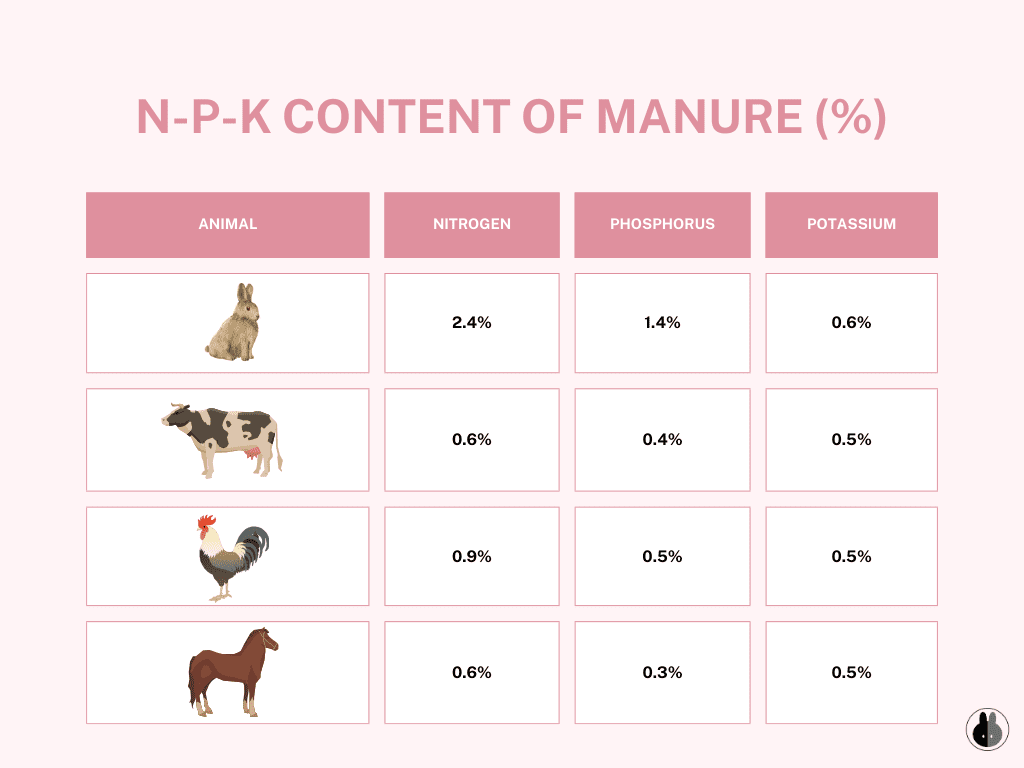
Image Source: twobun.com
The Amazing Benefits of Rabbit Manure for Your Garden
Rabbit manure is often called “black gold” by gardeners, and for good reason. It’s a fantastic, all-around fertilizer packed with essential nutrients that your plants crave. Unlike many other animal manures, rabbit droppings are considered “cold” manure, meaning they have a low risk of burning plants even when applied fresh, though it’s still best to age or compost it.
Here’s why rabbit manure is so good for your garden:
- Rich in Nutrients: Rabbit poop fertilizer contains a balanced mix of nitrogen (N), phosphorus (P), and potassium (K), the three primary macronutrients plants need to grow. It also offers vital micronutrients like calcium, magnesium, and sulfur.
- Improves Soil Structure: As rabbit waste breaks down, it adds organic matter to the soil. This improves aeration, drainage, and water retention, creating a healthier environment for root growth.
- Slow Release of Nutrients: Rabbit droppings release nutrients gradually over time. This means your plants get a steady supply of food, preventing sudden nutrient spikes and promoting consistent growth.
- Boosts Microbial Activity: The organic matter in rabbit manure feeds beneficial soil microbes. These tiny helpers break down organic material, making nutrients more available to plants and improving overall soil health.
- Naturally Odorless: Compared to other manures, rabbit droppings have a very mild odor, making them pleasant to handle and use in your garden.
A Closer Look at Rabbit Manure’s Nutritional Content
| Nutrient | Percentage (%) |
|---|---|
| Nitrogen (N) | 2.0 – 2.5 |
| Phosphorus (P) | 1.0 – 1.5 |
| Potassium (K) | 1.5 – 2.0 |
| Calcium (Ca) | 1.0 – 2.0 |
| Magnesium (Mg) | 0.2 – 0.3 |
| Sulfur (S) | 0.1 – 0.3 |
These figures can vary slightly depending on the rabbit’s diet.
Rabbit Manure pH: A Garden-Friendly Factor
A significant advantage of rabbit manure is its relatively neutral pH. Most rabbit droppings fall between 6.0 and 7.0, which is ideal for most garden plants. This means it’s unlikely to drastically alter your soil’s pH, making it a safe choice for a wide variety of crops. This neutral pH is a key factor in its versatility as a soil amendment.
How to Prepare Rabbit Manure for Your Garden
While rabbit droppings are beneficial, direct application of fresh manure can sometimes lead to issues, especially if there are undigested seeds or potential pathogens. The best practice is to either compost it or age it properly.
Composting Rabbit Manure
Rabbit manure compost is a gardener’s dream. Composting breaks down the manure, kills weed seeds and pathogens, and creates a nutrient-rich, stable soil amendment.
What You Need for Rabbit Manure Compost:
- Rabbit Manure: The star ingredient!
- Carbon-Rich Materials (Browns): Dried leaves, straw, shredded newspaper, cardboard, sawdust. These balance the nitrogen in the manure.
- Nitrogen-Rich Materials (Greens): Vegetable scraps, grass clippings, coffee grounds.
- A Compost Bin or Pile: This can be a simple heap or a contained bin.
- Water: To keep the pile moist.
- Air: To allow decomposition.
Steps for Composting Rabbit Manure:
- Layering is Key: Start with a layer of brown material at the bottom of your bin or pile. Then, add a layer of rabbit manure mixed with some green materials. Continue layering browns and greens, ensuring the manure is well-mixed with other materials. Aim for a carbon-to-nitrogen ratio of roughly 25:1 to 30:1. A good rule of thumb is to use about two parts browns for every one part greens (including the manure).
- Maintain Moisture: The compost pile should be as damp as a wrung-out sponge. If it’s too dry, the decomposition process will slow down. If it’s too wet, it can become anaerobic and smelly. Water it as needed.
- Aerate Regularly: Turn your compost pile every week or two using a pitchfork or compost aerator. This introduces oxygen, which is essential for the aerobic bacteria that break down the materials quickly and without odor.
- Patience is a Virtue: Depending on the conditions, it can take anywhere from 2 to 6 months for your rabbit manure compost to be ready. It’s ready when it looks like dark, crumbly soil and has an earthy smell.
Aging Rabbit Manure
Aging is a simpler method than full composting, but it still requires some time. Aged rabbit manure allows some of the nitrogen to break down and makes it easier for plants to absorb.
How to Age Rabbit Manure:
- Pile it Up: Collect your rabbit droppings and place them in a pile or bin.
- Moisten Slightly: Lightly moisten the droppings.
- Cover: Cover the pile with a tarp or a layer of straw. This helps retain moisture and prevents nutrients from leaching out.
- Let it Sit: Allow the manure to sit for at least 4-6 months. Turning the pile occasionally can speed up the process. The manure is ready when it no longer resembles fresh droppings and has a more uniform, crumbly texture.
Using Rabbit Droppings Directly (with Caution)
If you are in a hurry, you can use rabbit droppings directly, but with significant precautions:
- Mix with Soil: Always mix fresh rabbit droppings thoroughly with soil before planting or applying to existing plants.
- Use Sparingly: Apply only a small amount.
- Avoid Direct Contact: Do not let fresh droppings touch plant stems or roots directly.
- Best for Established Plants: It’s safer to use fresh droppings around established plants that are less sensitive.
How Much Rabbit Manure to Use: Rabbit Manure Application Rates
This is where the “how much” question gets answered. The amount of rabbit manure you use will depend on whether it’s fresh, aged, or composted, and what you’re trying to achieve in your garden.
Using Rabbit Manure Compost
Rabbit manure compost is the safest and most beneficial form to use. You can be quite generous with it.
- General Soil Amendment: Mix 1-2 inches of rabbit manure compost into the top 6-8 inches of your garden soil before planting. This is a great way to prepare beds for vegetables or flowers.
- Top Dressing: Apply a 1-inch layer of compost around established plants as a top dressing. Keep it a few inches away from the base of the plant stem. This provides a slow release of nutrients throughout the growing season.
- Potting Mix: Mix rabbit manure compost with other potting ingredients like peat moss, coir, and perlite to create a nutrient-rich potting mix. A common ratio is 1 part compost to 3-4 parts other ingredients.
Using Aged Rabbit Manure
Aged rabbit manure is less potent than compost but still very effective.
- Soil Amendment: Mix 1 inch of aged rabbit manure into the top 6 inches of soil before planting.
- Top Dressing: Apply a 1/2-inch layer around established plants, keeping it a few inches away from the stem.
- Side Dressing: For actively growing plants, you can side-dress by applying a thin layer of aged manure along the row or around the plant, then lightly scratching it into the soil surface.
Using Fresh Rabbit Manure (With Extreme Caution)
This is the least recommended method, but if necessary, follow these guidelines for rabbit waste soil amendment:
- Thin Layer Only: Apply a very thin layer, no more than 1/4 inch, directly to the soil surface.
- Mix Immediately: Scratch it into the top 2-3 inches of soil immediately to prevent burning.
- Avoid Root Contact: Ensure it does not touch plant roots or stems.
- Best for Fall Application: Apply in the fall so it has time to break down over winter.
- Never for Seedlings: Do not use fresh rabbit manure on seedlings or young plants.
Important Note on Rabbit Manure Application Rates: It’s always better to start with less and add more if needed, rather than applying too much at once and potentially harming your plants. Observe your plants for signs of nutrient deficiency or excess.
How to Fertilize with Rabbit Manure: Techniques for Different Garden Needs
There are several effective ways to fertilize your garden using rabbit manure, catering to different plant types and growth stages.
Fertilizing Vegetables with Rabbit Manure
Vegetables are heavy feeders, and rabbit manure provides them with the consistent nutrition they need.
- Pre-Planting Preparation: Before planting your vegetable garden, incorporate 1-2 inches of rabbit manure compost into the soil. This ensures a good nutrient base from the start.
- During the Growing Season:
- Tomatoes, Peppers, Squash: These plants benefit from a side dressing of aged rabbit manure or a thin layer of compost around mid-season.
- Leafy Greens (Lettuce, Spinach, Kale): These appreciate a top dressing of compost every 4-6 weeks to encourage lush leaf growth.
- Root Vegetables (Carrots, Radishes): While they need phosphorus, too much nitrogen from manure can lead to leafy tops with small roots. Use aged manure or compost sparingly, focusing on balanced nutrients. A good starter fertilizer or a compost that has aged longer is ideal.
- Rabbit Manure Tea: You can create a liquid fertilizer by steeping aged rabbit manure in water for a few days.
- Fill a porous bag (like a burlap sack or old pillowcase) with aged rabbit manure.
- Place the bag in a bucket of water.
- Let it steep for 2-3 days, stirring occasionally.
- Dilute the “tea” with water until it’s the color of weak tea.
- Use this liquid fertilizer to water your plants, especially during active growth.
Fertilizing Flower Gardens and Ornamentals
Flowers and ornamental plants also benefit greatly from rabbit manure.
- Annuals: Mix compost into the soil before planting annuals. A light top dressing a month into their blooming cycle can help sustain vibrant colors.
- Perennials: Apply a layer of compost around perennials in early spring as new growth emerges. This provides nutrients for the entire season.
- Shrubs and Trees: For established shrubs and trees, apply a layer of compost around the drip line (the outer edge of the branches) in early spring or fall. This mimics natural forest floor conditions.
Using Rabbit Waste Soil Amendment for Container Plants
Container plants have limited access to nutrients, making rabbit manure compost an excellent addition.
- Potting Mix: As mentioned earlier, mix rabbit manure compost into your potting soil. Ensure good drainage.
- Top Dressing: For established potted plants, a thin layer of compost on the soil surface can provide a nutrient boost.
Important Considerations When Using Rabbit Manure
While rabbit manure is fantastic, a few points are crucial for optimal and safe use.
What About Weed Seeds?
Rabbit droppings are generally low in viable weed seeds because rabbits have a fast digestive system. However, if your rabbits consume hay or other feed that contains weed seeds, some may pass through undigested. Composting is the most effective way to eliminate any potential weed seeds, as the heat generated during decomposition will kill them. Aging also helps, but composting is superior for weed seed control.
Pathogens and Safety
While rabbit manure is considered safer than some other animal manures, it’s always a good practice to handle it with care.
- Wear Gloves: Always wear gloves when handling manure.
- Wash Hands: Wash your hands thoroughly after working with manure.
- Composting Kills Pathogens: Proper hot composting effectively kills most harmful bacteria and pathogens. If you are using fresh or minimally aged manure, err on the side of caution and avoid applying it to edible plants where the produce will be eaten raw.
Over-fertilization: Signs to Watch For
Even with rabbit manure, it’s possible to overdo it. Signs of over-fertilization include:
- Leaf Burn: Brown, crispy edges on leaves.
- Wilting: Plants may wilt even when the soil is moist.
- Slowed Growth: Paradoxically, too many nutrients can inhibit growth.
- Salt Buildup: White crystalline deposits on the soil surface, especially in containers.
If you suspect over-fertilization, water the soil thoroughly to leach out excess nutrients. For container plants, repotting with fresh soil may be necessary.
FAQ: Your Rabbit Manure Garden Questions Answered
How long does rabbit manure take to compost?
Rabbit manure compost can be ready in as little as 2-3 months in ideal conditions (balanced C:N ratio, adequate moisture, regular turning) or up to 6 months or more.
Can I put rabbit droppings directly on my lawn?
It’s best to avoid putting fresh rabbit droppings directly on your lawn. Compost or age them first. If you do apply fresh, scatter them very thinly and water them in.
What is aged rabbit manure?
Aged rabbit manure is manure that has been left to sit and break down for at least 4-6 months, losing its fresh appearance and becoming more crumbly and less potent.
How often should I fertilize with rabbit manure?
For compost, a top dressing every 4-8 weeks during the growing season is generally good. For aged manure, slightly less often. Observe your plants; they will tell you when they need more nutrients.
Is rabbit manure good for all vegetables?
Yes, rabbit manure is generally good for all vegetables. However, root vegetables may benefit from manure that is composted or aged longer to ensure a more balanced nutrient release, preventing excessive leafy growth at the expense of root development.
Can I use rabbit manure if my rabbits are on pine shavings?
Yes, you can use rabbit manure even if your rabbits are housed on pine shavings. The shavings will break down along with the manure in the composting or aging process. Some gardeners prefer to remove excessive shavings before piling the manure.
By following these guidelines, you can harness the incredible power of rabbit poop fertilizer to create a more fertile, healthy, and productive garden. Happy gardening!