
When it’s time to say goodbye to your old lawn mower, you might wonder: “How do I get rid of a lawn mower?” or “Can I just leave my lawn mower by the curb?” The answer is no; improper disposal can harm the environment and may even result in fines. This comprehensive guide will walk you through the safest and most responsible ways to dispose of your lawn mower, whether it’s a gas-powered workhorse, a quiet electric model, or a well-known brand like Toro, Honda, or John Deere.
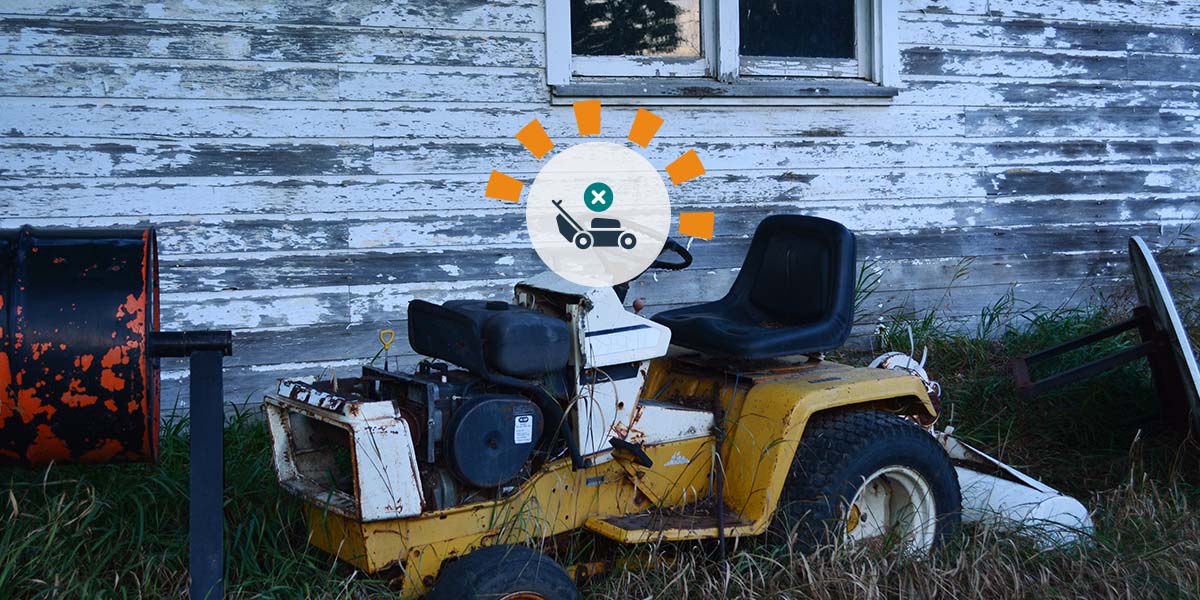
Image Source: dumpsters.com
Why Proper Lawn Mower Disposal Matters
Lawn mowers, especially those with gas engines, contain hazardous materials like gasoline, oil, and battery acid. If not handled correctly, these substances can contaminate soil and groundwater, posing risks to ecosystems and human health. Moreover, many parts of a lawn mower are recyclable, making responsible disposal an environmentally conscious choice.
Environmental Impact of Improper Disposal
- Soil and Water Contamination: Leaking fluids can seep into the ground, polluting drinking water sources and harming plant and animal life.
- Air Pollution: Improperly disposed of fuel can evaporate, releasing volatile organic compounds (VOCs) into the atmosphere.
- Landfill Burden: While metals can be recycled, other mower components might contribute to landfill waste if not sorted properly.
Exploring Your Lawn Mower Disposal Options
You have several excellent options when it comes to getting rid of your old lawn mower. Each method offers a different set of benefits, from potential cash in your pocket to helping your community.
1. Selling Old Lawn Mowers
If your lawn mower is still in working condition, even if it’s a bit weathered, selling it is a great way to recoup some of your investment and ensure it gets continued use.
Where to Sell Your Lawn Mower
- Online Marketplaces: Platforms like eBay, Facebook Marketplace, Craigslist, and dedicated local classified sites are popular choices. Be sure to take clear photos and provide an honest description of the mower’s condition, including any maintenance history or known issues.
- Local Equipment Dealers: Some dealerships may offer to buy used equipment or take it as a trade-in towards a new purchase. This is particularly true if you’re looking at brands like Toro lawn mower disposal or considering an upgrade from your current Honda lawn mower disposal.
- Yard Sales and Garage Sales: A classic way to sell items directly to your neighbors.
Tips for Selling Successfully
- Clean it Up: A thorough cleaning can make a big difference. Wash the mower, wipe down the engine, and ensure it looks presentable.
- Perform Basic Maintenance: Change the oil, sharpen the blade, and check the spark plug. A mower that starts and runs smoothly will fetch a better price.
- Be Honest: Disclose any problems or repairs needed. This builds trust with potential buyers.
- Price it Right: Research similar models and their selling prices to set a competitive but fair price.
2. Donating Lawn Mowers
Donating your working lawn mower is a fantastic way to support community organizations and individuals who may not be able to afford a new one.
Where to Donate
- Local Charities and Non-profits: Many organizations that assist low-income families, community gardens, or provide job training programs might accept lawn mower donations. Habitat for Humanity ReStores sometimes take garden equipment.
- Community Centers and Schools: Some community centers or vocational schools with landscaping programs might find your mower useful for training.
- Churches and Religious Organizations: Many churches run outreach programs that could benefit from a functional mower.
What to Consider Before Donating
- Working Condition: Most donation centers will only accept mowers that are in good working order.
- Tax Deductions: If you plan to claim a tax deduction, ensure you get a receipt from the organization detailing the donation. Keep records of the mower’s original cost and its condition at the time of donation.
- Transportation: Confirm if the organization can pick up the mower or if you’ll need to deliver it.
3. Recycling Lawn Mowers
Recycling lawn mowers is a vital step in responsible disposal, especially for mowers that are no longer functional. Many components, like metal frames and engines, can be repurposed.
Key Components for Recycling
- Metal: The mower’s chassis, deck, and wheels are typically made of steel, which is highly recyclable.
- Engine: Internal combustion engines contain various metals and fluids that need special handling.
- Plastics: Some parts, like the grass catcher or certain housing components, may be plastic.
How to Recycle Your Lawn Mower
- Scrap Metal Yards (Scrapping Lawn Mowers): Many scrapping lawn mowers facilities will accept old lawn mowers. They will then dismantle them for their metal content. You might even get paid a small amount for the scrap metal. Remember to drain all fluids (gasoline, oil) before taking it to a scrap yard.
- Municipal Recycling Centers: Check with your local waste management or recycling center. They may have specific drop-off points or collection events for yard equipment.
- Retailer Take-Back Programs: Some retailers that sell lawn mowers might offer take-back programs for old equipment, especially when you purchase a new one.
4. Lawn Mower Disposal Services
For convenience or if other options are not suitable, lawn mower disposal services can handle the removal and proper disposal for you.
Types of Disposal Services
- Municipal Bulky Waste Pickup: Many cities and towns offer scheduled or on-demand pickup for large items like appliances and lawn equipment. There may be a fee associated with this service. Check your local municipality’s website for details.
- Junk Removal Companies: Private junk removal companies are equipped to pick up and dispose of almost anything, including lawn mowers. They will typically handle the dismantling and proper disposal or recycling of the components.
- Appliance Recycling Centers: Some centers that specialize in recycling appliances may also accept lawn mowers.
When to Use a Disposal Service
- Mower is Unusable: If your mower is beyond repair and cannot be sold or donated.
- Lack of Transportation: If you don’t have a truck or trailer to transport the mower yourself.
- Hazardous Fluids: If you are unsure how to safely drain hazardous fluids.
Handling Specific Mower Types and Brands
The process for disposing of your lawn mower can vary slightly depending on whether it’s powered by gasoline or electricity, and the brand.
Gas Lawn Mower Disposal
Gas lawn mower disposal requires special attention due to the presence of fuel and oil.
Safely Draining Fluids
This is the most critical step before disposing of a gas mower.
- Gasoline:
- Run the mower until the fuel tank is almost empty.
- Use a siphon pump or a funnel to drain the remaining gasoline into an approved container.
- Never pour gasoline down drains, sewers, or onto the ground.
- Take the collected gasoline to a household hazardous waste (HHW) collection site.
- Oil:
- Locate the oil drain plug (usually on the bottom of the engine crankcase).
- Place a suitable container underneath the plug.
- Remove the plug and let the oil drain completely.
- Dispose of the used oil at an auto parts store, recycling center, or HHW collection site. Many places that sell oil will accept used oil for recycling.
Other Considerations for Gas Mowers
- Battery: If your gas mower has an electric start, it will have a small battery. These batteries contain lead and acid and must be recycled at a facility that handles them, such as an auto parts store or a specialized battery recycler.
- Propane/Autogas Mowers: If you have a propane-powered mower, ensure the propane tank is empty and handled according to propane safety guidelines.
Electric Lawn Mower Disposal
Electric lawn mower disposal is generally more straightforward as they don’t contain flammable fuels or oils.
Battery Disposal
- Corded Electric Mowers: These are simpler and primarily consist of plastic and metal. They can usually be taken to metal recyclers or general waste recycling centers.
- Battery-Powered Electric Mowers: The main component requiring special handling is the battery.
- Lithium-ion Batteries: These are common in newer electric mowers. They can be a fire hazard if damaged. Many electronics recycling centers, battery retailers (like Best Buy), or specialized battery recycling programs accept them. Check Call2Recycle.org for drop-off locations.
- Lead-Acid Batteries: Older electric mowers might use lead-acid batteries, similar to car batteries. These should be taken to lead-acid battery recyclers, auto parts stores, or HHW collection sites.
Recycling Electric Mowers
Once the battery is removed, the rest of the mower (plastic and metal parts) can typically be recycled through your local metal recycling facility or municipal recycling program.
Brand-Specific Considerations
While the general principles apply, some brands might have specific programs or recommendations.
Toro Lawn Mower Disposal
For Toro lawn mower disposal, follow the general guidelines for gas or electric models. Toro often emphasizes responsible product stewardship. Check Toro’s official website or contact their customer support to see if they offer any specific take-back or recycling programs for their equipment.
Honda Lawn Mower Disposal
Honda is known for its engines, and their lawn mowers are no exception. For Honda lawn mower disposal, the key is proper engine fluid management if it’s a gas model. Honda often provides resources for their customers regarding maintenance and disposal. Look for information on their website or contact their service centers. Many Honda engines are also compatible with common parts, making them attractive for parts harvesting by mechanics or hobbyists.
John Deere Lawn Mower Disposal
If you have a John Deere lawn mower disposal to consider, John Deere is a major manufacturer with robust recycling initiatives. Check their website or contact a local dealer. They may have specific programs for their equipment, especially larger zero-turn or garden tractors, which often have more complex components.
Preparing Your Lawn Mower for Disposal
No matter which method you choose, preparing your mower correctly is essential.
Step-by-Step Preparation
- Drain Fluids (Gas Mowers): As detailed earlier, safely drain all gasoline and oil.
- Remove Battery (Electric Mowers): Carefully detach and remove any batteries.
- Secure Loose Parts: Ensure any detachable parts, like grass catchers or handles, are secured or removed if necessary.
- Clean the Mower: A clean mower is easier to handle and may be more appealing to potential buyers or donation centers.
- Gather Documentation: If selling or donating, have any manuals, service records, or proof of ownership available.
Finding Local Resources
Your local community is your best resource for responsible disposal.
How to Locate Disposal Facilities
- Online Search: Use search terms like “lawn mower recycling near me,” “scrap metal yards,” “household hazardous waste disposal,” or “[your city/county] recycling.”
- Municipal Waste Management Website: Your local government’s website is the primary source for information on waste disposal, recycling programs, and bulky item pickup schedules.
- Earth911.com: This website provides a comprehensive database of recycling centers for various items across the US.
- Call2Recycle.org: Specifically for battery recycling.
Table: Lawn Mower Disposal Options at a Glance
| Disposal Method | Best For | Pros | Cons |
|---|---|---|---|
| Selling Old Mowers | Mowers in good working condition. | Recoup costs, extends product life, environmentally friendly. | Requires effort, time commitment, may not sell quickly. |
| Donating Lawn Mowers | Mowers in good working condition. | Helps community, tax deduction possible, environmentally friendly. | Requires donation center acceptance, potential transport needs. |
| Recycling Lawn Mowers | Non-working mowers, parts. | Recovers valuable materials, prevents landfill waste, environmentally sound. | Requires proper fluid draining, may need to transport to specific facility. |
| Scrapping Lawn Mowers | Non-working mowers. | Recovers metal, potential small payment. | Requires fluid draining, often for metal value only. |
| Disposal Services | Non-working mowers, convenience, no transport. | Easy, handles all aspects, ensures proper disposal. | May involve fees, less direct environmental benefit from the owner’s side. |
Frequently Asked Questions (FAQ)
Q: Can I just throw my lawn mower in the regular trash?
A: No, you cannot just throw your lawn mower in the regular trash. It contains hazardous materials like gasoline, oil, and batteries that require special disposal. Improper disposal can lead to environmental damage and fines.
Q: How do I dispose of a lawn mower with a full tank of gas?
A: You must drain all gasoline from the tank before disposal. Run the engine until it’s nearly empty, then use a siphon to remove the rest into an approved container. Take the gasoline to a household hazardous waste (HHW) collection site.
Q: Where can I take used lawn mower oil for recycling?
A: Used motor oil can be taken to many auto parts stores, local recycling centers, or HHW collection sites. Many service stations also accept used oil.
Q: Is it legal to abandon a lawn mower?
A: No, it is illegal and irresponsible to abandon a lawn mower. Abandonment can lead to fines and environmental harm.
Q: What if my lawn mower has a special battery, like a lithium-ion battery?
A: Lithium-ion batteries require careful handling. Do not puncture or damage them. Take them to a specialized battery recycler or an electronics recycling center that accepts them, such as those found through Call2Recycle.org.
Q: Do I need to remove the blade before recycling my lawn mower?
A: It’s a good practice to remove the blade, especially if you are taking it to a scrap metal yard. Blades are often sharp and made of steel, which is recyclable. Some facilities may require it.
By following these guidelines, you can ensure your old lawn mower is disposed of safely, responsibly, and with minimal impact on the environment. Whether you choose to sell, donate, recycle, or use a specialized disposal service, taking the extra step makes a significant difference.