
Can I stop my neighbor’s dog from pooping in my yard? Yes, there are many effective ways to address this common problem. This guide offers a comprehensive look at strategies, from gentle deterrents to more direct solutions, all focused on maintaining good neighborly relations while protecting your lawn.
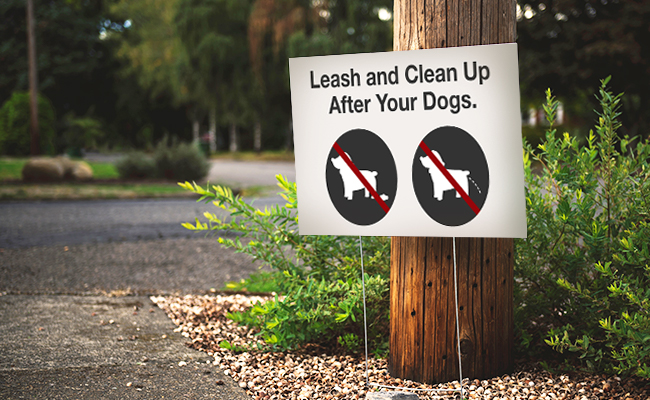
Image Source: home-cdn.reolink.us
Why Dogs Poop in Your Yard
Dogs are creatures of habit and scent. Your neighbor’s dog may be marking its territory, especially if they regularly walk past or near your property. The scent of other dogs, or even just the appeal of fresh grass, can also draw them in. Sometimes, it’s simply a matter of opportunity if there’s no effective barrier. It’s important to remember that this often isn’t malicious, but a natural canine behavior.
Common Reasons for Unwanted Deposits
- Territorial Marking: Dogs use urine and feces to leave scent messages, informing other dogs of their presence.
- Familiar Routes: If your yard is along a dog’s usual walking path, it becomes a convenient stop.
- Attraction to Scents: Other animals or even specific plants in your yard might attract a dog.
- Lack of Training: The dog may not be adequately trained to relieve itself in designated areas.
- Owner Negligence: In some cases, the owner might be unaware or not taking responsibility for their dog’s actions.
Initial Steps: The Gentle Approach
Before considering anything drastic, it’s always best to start with polite communication and simple deterrents. A friendly chat with your neighbor can often resolve the issue swiftly.
Talking to Your Neighbor
A direct, calm conversation is usually the most effective first step. Your neighbor might not even realize their dog is a nuisance.
How to Approach the Conversation
- Be polite and non-confrontational. Start with a friendly greeting.
- Focus on the problem, not the person. Say, “I’ve noticed your dog has been using my yard,” rather than “Your dog is a menace.”
- Explain the impact. Mention that you’re finding waste on your lawn and are concerned about hygiene or damage to your grass.
- Suggest solutions together. You could ask if they could be more mindful of where their dog goes, or if there’s a particular time it happens.
- Keep it brief. You don’t need to have a long, drawn-out discussion.
Gentle Deterrents and Barriers
Several subtle methods can discourage a dog from entering your yard and leaving its mark. These are often pet friendly solutions that don’t harm the animal.
Scent-Based Deterrents
Dogs rely heavily on their sense of smell. Using scents they find unpleasant can be quite effective.
- Citrus Peels: Orange, lemon, or grapefruit peels scattered around the perimeter of your yard can deter dogs. Their strong scent is often off-putting.
- Vinegar Solution: A diluted vinegar spray can be applied to the edges of your lawn. Reapply after rain or watering. While vinegar can kill grass if too concentrated, a diluted solution is generally safe.
- Coffee Grounds: Used coffee grounds, when spread around your yard, can act as a deterrent. Some dogs dislike the smell and texture.
- Essential Oils: Certain essential oils, like citronella, eucalyptus, or peppermint, are unpleasant for dogs. Dilute them with water and spray them on the borders of your property. Caution: Ensure these are safe for dogs if ingested or in contact with their skin. Some oils can be toxic.
Visual Deterrents
Sometimes, a simple visual cue can make a dog think twice.
- Plastic Flamingos or Garden Gnomes: While seemingly whimsical, placing these strategically can make a dog feel like the area is occupied or unfamiliar, potentially discouraging them.
- Pinwheels or Wind Chimes: The movement and sound can startle dogs and make them hesitant to enter.
Physical Barriers
Creating a physical boundary is one of the most reliable ways to keep dogs out.
- Low Fencing: Even a low decorative fence, a few feet high, can signal to a dog that this is private property and not a public pathway.
- Hedges or Shrubs: Planting a dense hedge along your property line can create a natural barrier. Choose plants that are sturdy and have dense foliage.
- Netting or Wire: Temporary netting or chicken wire can be staked along the ground to discourage entry, especially in specific problem areas.
Escalating Strategies: When Gentleness Isn’t Enough
If the gentle approach doesn’t work, or if the problem persists, you might need to consider more robust solutions.
More Robust Barriers
- Solid Fencing: The most effective barrier is a solid fence. Ensure it’s tall enough to prevent jumping and has no gaps at the bottom where dogs can dig.
- Invisible Fences: These systems use a buried wire to create a boundary. When a dog approaches, it receives a static correction. This requires training for the dog to learn its limits. It’s crucial that your neighbor agrees to this system and properly trains their dog for it.
Motion-Activated Sprinklers
These devices detect movement and spray a burst of water. Most dogs dislike being sprayed unexpectedly and will quickly learn to avoid the area. This is a humane deterrent that is often very effective.
Training and Responsible Pet Ownership
Ultimately, the responsibility lies with the dog’s owner. Encouraging good responsible pet ownership is key to long-term solutions.
Educating Your Neighbor
If direct communication hasn’t yielded results, you might gently educate your neighbor about the importance of their dog’s behavior.
- Leash Laws: Remind them of local leash laws and how they help prevent issues like this.
- Dog Parks and Designated Areas: Suggest they utilize designated dog parks or areas specifically for dog relief.
- Waste Bags: Encourage them to carry waste bags and clean up after their dog, even if it’s on your property.
Professional Training
If your neighbor is struggling with their dog’s behavior, suggesting professional training might be beneficial. A well-trained dog is less likely to roam and cause nuisance.
Natural Repellents and Their Application
When you want to avoid harsh chemicals or overly aggressive scare tactics, natural repellents offer a humane and effective alternative. These often rely on strong scents or tastes that dogs find unpleasant.
Commonly Used Natural Repellents
- Cayenne Pepper: While effective, cayenne pepper can cause irritation if a dog rubs against it or gets it in their eyes. Use sparingly and with caution. It’s best applied as a diluted spray around the perimeter, not directly on the lawn where dogs might roll.
- Ammonia: The strong smell of ammonia can deter dogs. Dilute it significantly with water and spray it around the edges of your yard. Like vinegar, reapplication is necessary after rain. Caution: Ammonia is toxic if ingested and can damage plants.
- Certain Plants: Some plants are naturally disliked by dogs. Planting these along your property line can act as a deterrent. Examples include:
- Coleus Canina (also known as “Scaredy Cat Plant”)
- Rue
- Pennyroyal
- Lavender
How to Apply Natural Repellents Effectively
- Test in a Small Area: Before applying widely, test any deterrent on a small patch of your lawn to ensure it doesn’t damage the grass or plants.
- Reapplication is Key: Natural repellents break down over time, especially after rain or watering. You’ll need to reapply them regularly for them to remain effective.
- Targeted Application: Focus your application on the entry points to your yard – along the fence line, gates, and any gaps.
- Combine Methods: Using a combination of natural repellents with physical barriers or motion-activated sprinklers can create a multi-layered defense.
Addressing Urine Stains and Odors
Beyond the mess of feces, dog urine can also damage lawns and leave persistent odors.
Minimizing Urine Damage
- Watering: If you see fresh urine spots, immediately water the area thoroughly. This dilutes the urine and helps prevent grass burn.
- Avoid Over-fertilizing: Healthy, well-fertilized grass is more resilient to urine damage.
Neutralizing Odors
- Enzymatic Cleaners: These cleaners break down the organic matter in urine and feces, effectively eliminating odors. They are often sold as pet stain and odor removers.
- Baking Soda: A sprinkle of baking soda can help absorb and neutralize odors from dried urine spots.
When Direct Confrontation is Necessary
If all other methods fail, and your neighbor remains uncooperative, you may need to escalate the situation.
Documenting the Problem
Keep a record of incidents:
- Dates and Times: Note when you find feces or see the dog in your yard.
- Photos/Videos: Take pictures or videos as evidence, but ensure you are not trespassing or violating privacy.
- Communication Log: Keep track of conversations with your neighbor.
Contacting Authorities
- Local Animal Control: Most municipalities have animal control services that handle issues like nuisance animals and leash law violations.
- Homeowner’s Association (HOA): If you live in a community with an HOA, check your covenants for rules regarding pets and property maintenance.
Frequently Asked Questions (FAQ)
Q1: Can I legally stop my neighbor’s dog from pooping in my yard?
A1: Generally, yes. Most local ordinances and laws require pet owners to control their animals and clean up after them. If direct communication fails, animal control or local authorities can be contacted.
Q2: Are there any scare tactics that are safe for the dog?
A2: Motion-activated sprinklers are often considered a safe scare tactic as they only startle the animal with water, not cause harm. Avoid anything that could physically injure the dog.
Q3: How often should I reapply natural repellents?
A3: It depends on the repellent and weather conditions. Generally, reapply every few days or after rain. Check product instructions if using commercial natural repellents.
Q4: What if my neighbor claims their dog is just marking territory and it’s normal?
A4: While marking is normal, it should not be at the expense of someone else’s property or hygiene. Responsible pet ownership means managing your dog’s behavior to prevent nuisance to others.
Q5: Can I use urine from a predator animal as a deterrent?
A5: Some people suggest using predator urine (like coyote urine), available commercially. However, effectiveness varies, and it can also be quite unpleasant for humans. Use with caution and consider the potential odor issues for your own property.
Q6: My neighbor’s dog keeps digging under my fence. What can I do?
A6: This requires reinforcing your fence. You can bury chicken wire or hardware cloth along the bottom of the fence, extending outwards into your yard, to prevent digging. Some dogs are also deterred by placing large rocks or concrete blocks along the base of the fence.
Q7: What are some good pet friendly solutions that don’t involve chemicals or scare tactics?
A7: Physical barriers like low fencing or dense hedges are excellent pet friendly solutions. Planting specific plants that dogs dislike, like the Coleus Canina, is also a natural deterrent. Good communication and encouraging responsible pet ownership are also key pet friendly solutions.
This comprehensive guide provides a range of options for dealing with your neighbor’s dog. By starting with communication and gentle methods, and escalating as necessary, you can effectively protect your yard while aiming to maintain positive relationships with your neighbors.