
Watering your lawn after fertilizing is crucial for the health and appearance of your grass. So, how long to water your lawn after fertilizing? The general rule of thumb is to water your lawn for at least 15-20 minutes after applying fertilizer. This helps wash the fertilizer granules from the grass blades into the soil, preventing potential burn and ensuring the nutrients are absorbed by the roots.
This guide will delve into the nuances of post-fertilization watering, covering when to water lawn after fertilizing, the ideal watering schedule after fertilizer application, and the best time to water fertilized lawn. We’ll also discuss how much water after fertilizing is optimal, offer practical watering tips for fertilized grass, and explain the importance of watering after fertilizing. You’ll learn when to water grass after feeding, the right watering frequency after fertilizing, and the appropriate watering duration after fertilizing.
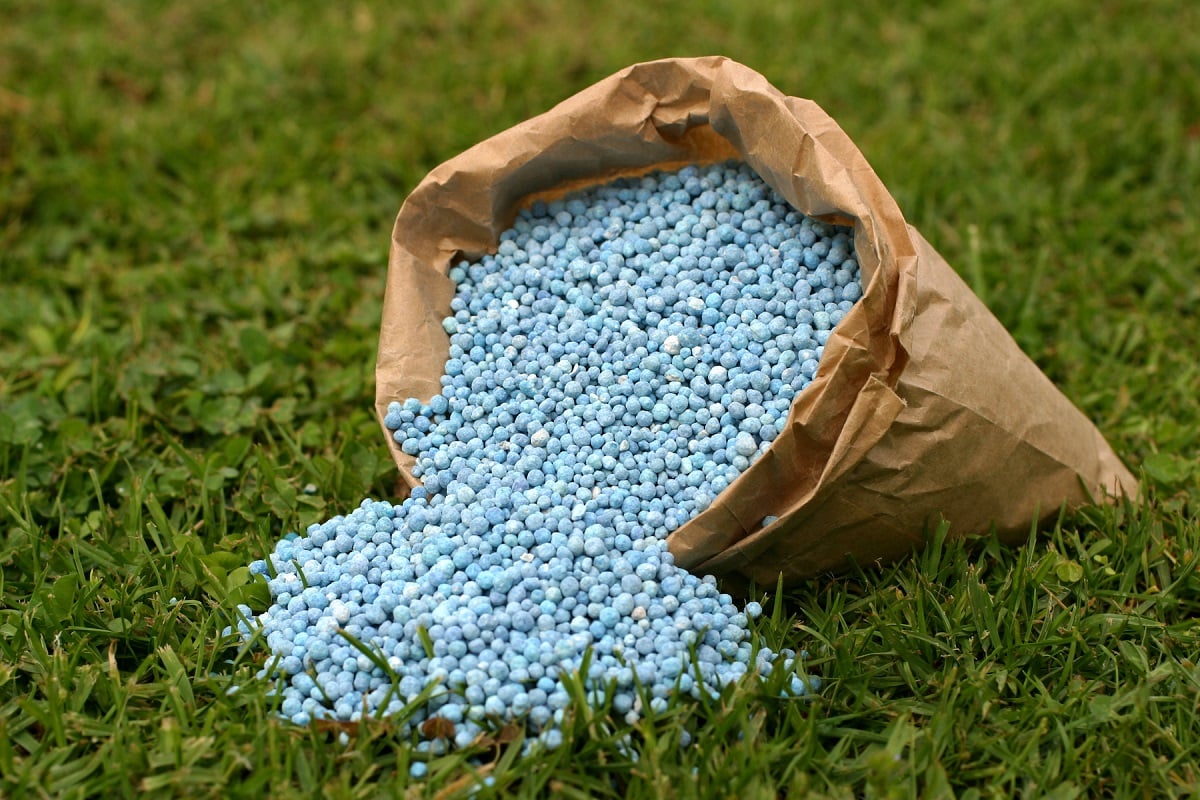
Image Source: www.lawnbuddies.com
The Importance of Watering After Fertilizing
Applying fertilizer to your lawn is like giving your grass a meal. However, just like humans, plants need water to process and absorb nutrients. Watering after fertilizing serves several vital purposes:
- Nutrient Absorption: Fertilizer granules contain essential nutrients like nitrogen, phosphorus, and potassium. For the grass roots to access these nutrients, they must first dissolve and be carried into the soil. Water acts as the vehicle for this process. Without adequate moisture, the fertilizer can sit on the surface, becoming less effective or even inaccessible to the roots.
- Preventing Grass Burn: Many lawn fertilizers contain salts. If left on the grass blades and exposed to direct sunlight and heat without being washed off, these salts can dehydrate the grass, leading to brown patches and what is commonly known as “fertilizer burn.” A thorough watering session washes these granules off the blades and into the soil, significantly reducing the risk of burn.
- Activating the Fertilizer: Fertilizers are designed to be activated by moisture. The water dissolves the granular fertilizer, releasing the nutrients in a form that the grass roots can absorb. This activation process is essential for the fertilizer to work effectively and promote healthy growth.
- Soil Penetration: Water helps carry the dissolved fertilizer deeper into the soil profile, reaching the root zone where it can be most effectively utilized by the grass. This ensures a more even distribution of nutrients and promotes deeper root development.
- Compacting the Soil: In some cases, light watering can help lightly settle the soil around the fertilizer granules. This can be beneficial in preventing the fertilizer from being easily washed away by heavy rains or wind before it has a chance to dissolve and be absorbed.
When to Water Lawn After Fertilizing
The timing of your watering after fertilizing is as important as the watering itself. Ideally, you should water your lawn as soon as possible after applying the fertilizer.
Immediate Watering vs. Delayed Watering
- Immediate Watering: The most common and often recommended approach is to water immediately after fertilizing. This ensures that the fertilizer is washed off the grass blades and begins to move into the soil before it can cause damage or dry out. If you’ve applied a granular fertilizer, this is especially important.
- Delayed Watering: In some specific situations, a slight delay might be considered, but this is generally not recommended for typical lawn fertilization. For instance, if there is a high chance of an imminent, heavy rainfall that will effectively soak the lawn, you might consider waiting. However, relying on rainfall is risky as it might not be enough to adequately dissolve and transport the fertilizer, or it might come too late.
Factors Influencing the “When”
- Fertilizer Type: Water-soluble fertilizers begin to work immediately upon contact with moisture. Slow-release fertilizers are designed to release nutrients over time, and while immediate watering is still beneficial for washing them off blades, the urgency to activate them is slightly less critical than with water-soluble types.
- Weather Conditions: If you fertilize on a very hot and sunny day, watering immediately is paramount to prevent grass burn. If the weather is cool and overcast, you might have a slightly larger window, but prompt watering is still best practice.
- Application Method: If you used a spreader, some granules might have landed on grass blades. Watering helps dislodge these. If you applied a liquid fertilizer, the activation and washing-off process is also crucial.
Watering Schedule After Fertilizer Application
Establishing a consistent watering schedule after fertilizer application ensures your lawn receives the benefits of the fertilizer without negative side effects.
The First Watering Session
As mentioned, the first watering should be thorough and prompt.
- Duration: Aim for 15-20 minutes of continuous watering. This is typically enough to moisten the top 4-6 inches of soil, which is where most grass roots reside.
- Method: Use sprinklers that provide a gentle, even coverage. Avoid sprinklers that deliver large, forceful droplets, as these can sometimes dislodge fertilizer granules and create uneven distribution.
Subsequent Watering
After the initial watering, your lawn’s watering needs will revert to your regular schedule, but with some considerations:
- Regular Watering Schedule: Continue with your established watering schedule after fertilizer application based on your grass type, climate, and soil conditions. Most lawns require about 1 to 1.5 inches of water per week, delivered in one or two deep watering sessions.
- Monitoring Soil Moisture: The key is to monitor soil moisture levels. You can do this by using a soil moisture meter or by simply digging a small hole with a trowel. If the soil is dry an inch or two down, it’s time to water.
- Avoid Overwatering: While watering after fertilizing is important, overwatering can be detrimental. It can leach nutrients from the soil, promote shallow root growth, and increase the risk of fungal diseases.
Best Time to Water Fertilized Lawn
The time of day you water your lawn after fertilizing can impact its effectiveness and health.
Morning Watering: The Golden Rule
The best time to water fertilized lawn is in the early morning, ideally between 4 AM and 10 AM.
- Reduces Evaporation: Cooler temperatures and less wind in the morning mean less water is lost to evaporation, allowing more to reach the roots.
- Minimizes Disease Risk: Watering in the morning allows the grass blades to dry off during the day. Wet grass blades overnight create a perfect environment for fungal diseases to thrive. By allowing ample time for drying, you reduce this risk.
- Efficient Nutrient Uptake: The grass is typically more receptive to nutrient uptake during its active growth periods, which often align with the morning hours.
Why Avoid Other Times?
- Midday Watering: This is the least efficient time to water. High temperatures and strong sunlight lead to significant water evaporation, meaning less water actually soaks into the soil.
- Evening Watering: While better than midday, watering late in the evening or at night is not ideal. It leaves the grass blades wet for extended periods, increasing the likelihood of fungal diseases.
How Much Water After Fertilizing?
Determining how much water after fertilizing is crucial. Too little won’t dissolve the fertilizer effectively, and too much can be wasteful and harmful.
The 15-20 Minute Rule
For most sprinkler systems, watering for 15-20 minutes is a good starting point. This is usually sufficient to moisten the top few inches of soil.
Checking Your Sprinkler’s Output
To be more precise, you can calibrate your sprinklers.
- Placement: Place several empty tuna cans or similar containers around your lawn.
- Watering: Run your sprinklers for a set amount of time (e.g., 15 minutes).
- Measurement: Measure the depth of water collected in the cans. This tells you how much water your sprinklers are delivering in that time.
If your cans show less than about 1/4 inch of water after 15 minutes, you may need to water for a longer duration to achieve the desired 15-20 minute equivalent coverage. Conversely, if you get significantly more, you might need to adjust sprinkler run times.
Soil Type Matters
The type of soil in your lawn also influences how much water after fertilizing is needed.
- Sandy Soil: Drains quickly. You might need to water for slightly longer durations more frequently to ensure adequate moisture penetration.
- Clay Soil: Drains slowly. It can become waterlogged easily. Watering for shorter, more frequent intervals might be better initially, but for post-fertilization, a single good soak is still important to move the fertilizer down.
Watering Tips for Fertilized Grass
Beyond the basics, here are some specialized watering tips for fertilized grass to maximize benefits and minimize risks:
- Even Coverage: Ensure your sprinklers are set up to provide uniform coverage across your entire lawn. Overlap sprinkler patterns slightly to avoid dry spots.
- Avoid Runoff: If you have a slope, water in short bursts, allowing the water to soak in between bursts. This prevents runoff and ensures better absorption.
- Adjust for Rain: If rain is forecasted, you may be able to skip a scheduled watering, but remember the importance of watering after fertilizing, even if it’s raining lightly. A gentle rain might not be enough to wash fertilizer off blades.
- Observe Your Lawn: Pay attention to your grass. Wilting or graying blades are signs of thirst. Yellowing can indicate nutrient deficiency or overwatering, so correlate it with your watering and fertilizing schedule.
- Watering after Aeration/Dethatching: If you’ve recently aerated or dethatched your lawn and then fertilized, watering is even more critical. The open soil channels created by aeration will readily absorb the water and nutrients.
Post-Fertilization Watering: What to Expect
After you’ve watered your lawn post-fertilization, you can expect to see changes over the next few days and weeks.
- Initial Greening: You should notice a greener appearance within a few days to a week, especially if you used a nitrogen-rich fertilizer.
- Increased Growth: Expect to see more vigorous growth as the grass utilizes the applied nutrients. This means you might need to mow more frequently.
- Healthier Appearance: Overall, your lawn should look healthier, thicker, and more resilient.
When to Water Grass After Feeding
This is a direct question with a direct answer: When to water grass after feeding? You should water your grass immediately after feeding it with fertilizer. This prompt watering is essential for several reasons. It helps to wash any fertilizer granules off the grass blades, preventing potential “burn” or yellowing of the grass. More importantly, it begins the process of dissolving the fertilizer and moving it down into the soil where the grass roots can absorb the nutrients. Delaying watering can render the fertilizer less effective and potentially damage your lawn.
Watering Frequency After Fertilizing
The watering frequency after fertilizing is primarily dictated by your lawn’s ongoing needs rather than the fertilization event itself. The fertilization is a single event that requires an immediate, thorough watering. Following that, you should return to your standard watering practices.
- Initial Flush: The first watering after fertilizing should be a single, deep watering session.
- Return to Normal: After this initial flush, adhere to your regular watering schedule. This typically means watering deeply once or twice a week, depending on weather conditions, grass type, and soil.
- Signs of Thirst: The best indicator of when to water again is the condition of your lawn. If the grass blades start to look dull, or if footprints remain visible on the grass for a long time after you walk on it, it’s likely time to water.
It’s important to avoid excessive watering immediately after the initial post-fertilization soak. This can wash away nutrients before the grass has a chance to absorb them or lead to other lawn problems.
Watering Duration After Fertilizing
The watering duration after fertilizing is critical for ensuring the fertilizer is properly incorporated into the soil.
- The 15-20 Minute Guideline: As a general rule, aim for a watering duration that delivers about 1/4 to 1/2 inch of water. For most standard sprinklers, this equates to approximately 15-20 minutes of continuous watering.
- Goal: Moistening the Root Zone: The objective is to moisten the top 4-6 inches of soil. This ensures that the dissolved fertilizer reaches the grass roots.
- Factors Affecting Duration:
- Sprinkler Efficiency: More efficient sprinklers deliver more water in less time.
- Soil Type: Sandy soils need water to penetrate quickly, while clay soils absorb water more slowly. Adjust duration to avoid puddling or runoff.
- Weather: Hotter, drier, and windier conditions will increase evaporation, potentially requiring slightly longer watering times to achieve the same soil moisture.
It’s better to water deeply and less frequently than to water shallowly every day. This encourages deeper root growth, making your lawn more drought-tolerant.
When to Water Lawn After Fertilizing: A Summary Table
To help you remember, here’s a quick reference table:
| Aspect | Recommendation | Details |
|---|---|---|
| Immediate Action | Water immediately after fertilizer application. | Essential to wash fertilizer off blades and into the soil. |
| First Watering | Deep and thorough. | Aim for 15-20 minutes to moisten the top 4-6 inches of soil. |
| Time of Day | Early morning (4 AM – 10 AM). | Reduces evaporation and risk of disease. |
| Subsequent Watering | Resume your regular watering schedule. | Water when the lawn shows signs of thirst (dull color, footprints). |
| Watering Amount | Approximately 1/4 to 1/2 inch of water. | Use cans to calibrate sprinkler output. |
| Watering Frequency | Return to normal (1-2 times per week, deeply). | Do not increase frequency solely because you fertilized. |
| Watering Duration | 15-20 minutes per session (adjust based on output). | Ensure water penetrates to the root zone without runoff. |
Common Pitfalls to Avoid
- Over-Watering Immediately: While prompt watering is necessary, avoid flooding the lawn. This can wash away nutrients and lead to other issues.
- Under-Watering: Not watering enough is almost as bad as not watering at all, as it won’t effectively dissolve the fertilizer.
- Watering at Night: This creates ideal conditions for fungal diseases.
- Ignoring Your Lawn’s Needs: Relying solely on schedules without observing your lawn can lead to over or under-watering.
Frequently Asked Questions (FAQ)
Q1: Can I water my lawn immediately after fertilizing?
A1: Yes, it is highly recommended to water your lawn immediately after fertilizing. This helps wash the fertilizer off the grass blades and into the soil, preventing potential burn and activating the nutrients.
Q2: How long should I water my lawn after fertilizing?
A2: For most lawns, watering for 15-20 minutes is a good guideline. The goal is to deliver about 1/4 to 1/2 inch of water to moisten the top 4-6 inches of soil.
Q3: What is the best time of day to water my lawn after fertilizing?
A3: The best time to water your lawn after fertilizing is in the early morning, between 4 AM and 10 AM. This minimizes evaporation and reduces the risk of fungal diseases.
Q4: What happens if I don’t water my lawn after fertilizing?
A4: If you don’t water your lawn after fertilizing, the fertilizer granules can remain on the grass blades, potentially causing “fertilizer burn” (yellow or brown patches). The nutrients also won’t dissolve properly, making them less available to the grass roots, and the fertilizer may not be as effective in promoting growth.
Q5: How often should I water my lawn after fertilizing?
A5: After the initial watering session post-fertilization, you should revert to your regular watering schedule. This typically means watering deeply once or twice a week, depending on your lawn’s specific needs and environmental conditions.
By following these guidelines, you can ensure your lawn receives the full benefits of fertilization, leading to a greener, healthier, and more robust turf.