
Can you power wash Astroturf? Yes, you can power wash Astroturf, but it’s crucial to use the right pressure and nozzle to avoid damaging the synthetic fibers. What is the best way to clean Astroturf? The best way involves regular sweeping, occasional rinsing, and targeted stain removal, potentially using a low-pressure wash for tougher jobs.
Keeping your artificial grass lawn looking pristine and vibrant is not a chore, but a simple, rewarding process. While Astroturf offers a low-maintenance alternative to natural grass, it still requires some attention to maintain its fresh, stain-free appearance. This guide will walk you through the most effective artificial grass cleaning and synthetic turf maintenance techniques, ensuring your lawn stays beautiful year-round. We’ll explore various fake grass cleaning methods, from everyday care to tackling stubborn messes, and discuss Astroturf deodorizing for a consistently pleasant outdoor space.
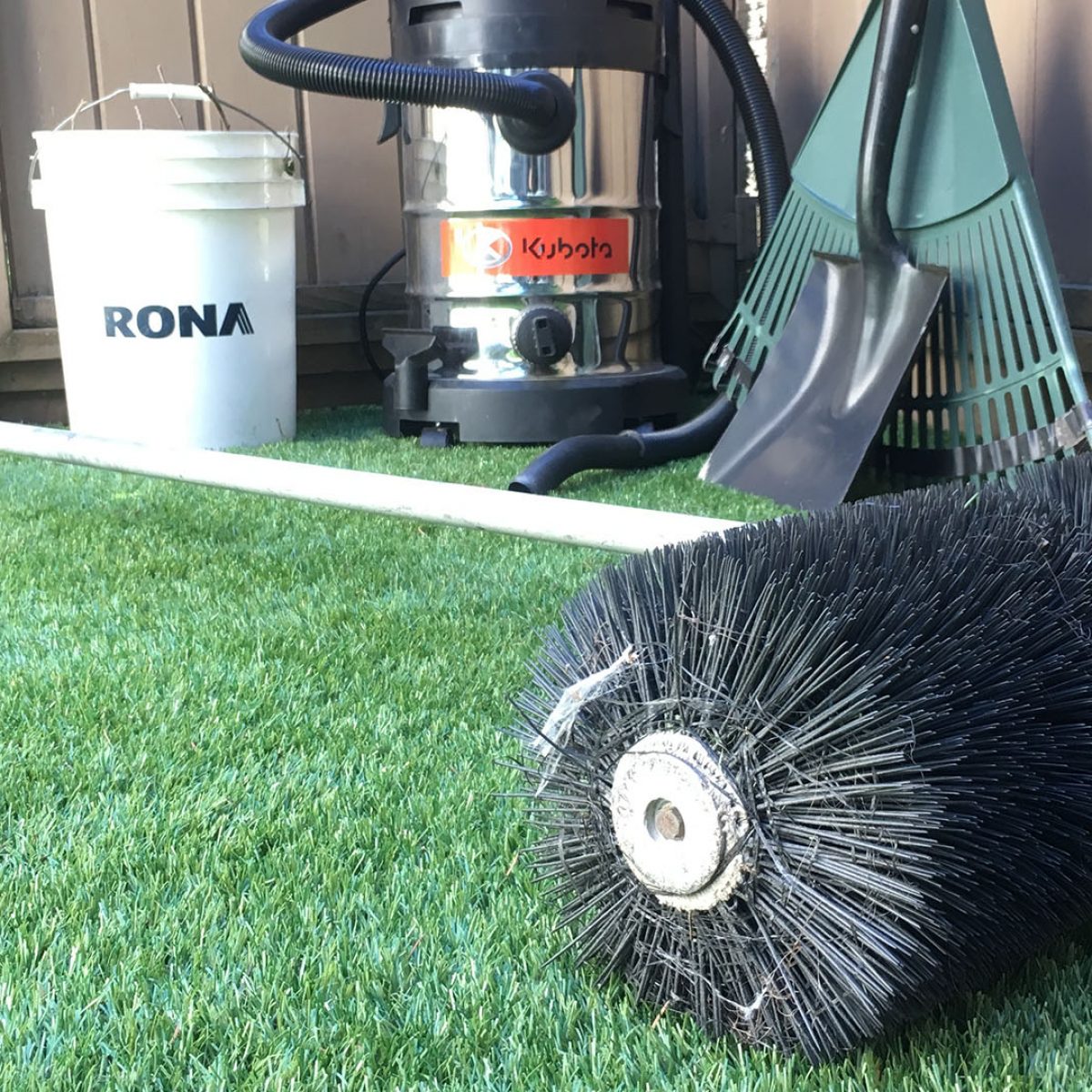
Image Source: bellaturf.ca
Why Regular Cleaning Matters for Your Artificial Lawn
Your Astroturf lawn is an investment. Regular cleaning not only keeps it looking its best but also prolongs its lifespan and prevents potential issues. Dirt, debris, pet waste, and environmental pollutants can accumulate, leading to dullness, odors, and even damage to the turf fibers. By adopting simple synthetic turf maintenance practices, you ensure your lawn remains a welcoming and attractive feature of your home.
Preventing Odors and Mildew
One of the primary benefits of cleaning your artificial lawn is preventing unpleasant odors. Pet accidents, spilled drinks, and general accumulation of organic matter can lead to bacterial growth, resulting in musty smells. Regular rinsing and proper cleaning techniques help to eliminate these odor-causing culprits and keep your lawn smelling fresh. Mildew can also form in damp conditions, especially if drainage is poor, so ensuring your turf is clean and dry is important.
Maintaining Aesthetic Appeal
Artificial turf can lose its vibrant color and plush look if not cared for. Dust, pollen, and grime can settle on the blades, making them appear dull. Removing these particles regularly restores the natural sheen and lively appearance of your synthetic lawn, enhancing your home’s curb appeal.
Extending the Lifespan of Your Turf
The fibers of artificial grass are durable, but prolonged exposure to dirt, grit, and certain chemicals can degrade them over time. By cleaning your turf, you remove abrasive materials that can wear down the fibers, thus extending the overall life of your Astroturf installation.
Essential Tools for Astroturf Cleaning
Before diving into the cleaning methods, let’s gather the necessary tools to make the process efficient and effective. Having the right equipment on hand ensures you can handle various cleaning tasks with ease.
Basic Cleaning Supplies
- Soft-bristled broom or leaf rake: For removing loose debris like leaves, twigs, and dirt. Avoid stiff metal rakes, which can damage the turf fibers.
- Garden hose with a spray nozzle: Essential for rinsing away dirt and cleaning solutions.
- Mild dish soap or specialized artificial turf cleaner: For tackling stains and general cleaning.
- Bucket: To mix cleaning solutions.
- Soft cloths or sponges: For spot cleaning and stain removal.
- Microfiber towel: For drying certain areas if needed.
For Deeper Cleaning and Specific Issues
- Stiff-bristled brush (synthetic): For more stubborn dirt or dried-on stains.
- Commercial artificial turf cleaner/deodorizer: Specifically formulated to break down pet waste and eliminate odors.
- Baking soda: A natural deodorizer and mild abrasive.
- White vinegar: An excellent disinfectant and odor neutralizer.
- Pressure washer (low setting): For thorough rinsing of larger areas (use with extreme caution).
Daily and Weekly Synthetic Turf Maintenance
Consistent, light cleaning is the foundation of keeping artificial grass clean. These simple habits will prevent major build-ups and keep your lawn looking great with minimal effort.
Sweep Away Debris
- Frequency: Daily or every few days, depending on your environment.
- Method: Use a soft-bristled broom or a leaf rake to gently sweep away leaves, twigs, grass clippings, and other loose debris. Always brush in the direction of the turf pile to avoid flattening or damaging the blades. This simple step prevents debris from becoming embedded and harder to remove later.
Rinse the Surface
- Frequency: Weekly or bi-weekly, especially in dry or dusty areas.
- Method: Use your garden hose with a spray nozzle to rinse down the entire lawn. This helps wash away dust and pollen that may have settled on the surface. A gentle rinse is usually sufficient for everyday cleaning.
Tackling Specific Stains and Issues
Even with regular maintenance, you might encounter specific stains or problems. Knowing how to address these promptly will keep your artificial lawn looking flawless.
Removing Pet Waste and Odors
Pet waste is a common concern for Astroturf owners. Prompt cleanup and proper deodorizing are key.
Immediate Cleanup
- Method: Scoop up solid waste immediately. For liquid waste, a quick rinse with the hose is recommended.
Deodorizing and Deep Cleaning Pet Areas
- Frequency: As needed, or after any pet accidents.
- Method 1 (Vinegar Solution): Mix equal parts white vinegar and water in a bucket or spray bottle. Spray the affected area liberally and let it sit for 10-15 minutes. Rinse thoroughly with the hose. Vinegar is a natural disinfectant and helps neutralize odors.
- Method 2 (Baking Soda): For stubborn odors, sprinkle baking soda over the affected area after cleaning and rinsing. Let it sit for several hours or overnight to absorb odors, then rinse again.
- Method 3 (Commercial Cleaners): Use a specialized artificial grass cleaning solution designed for pet odors. Follow the product instructions carefully. These cleaners often contain enzymes that break down odor-causing molecules.
Dealing with Spills and Food Stains
Accidental spills happen. Acting quickly is the best approach for removing stains from astroturf.
- Method: Blot up any excess liquid immediately with a clean cloth or paper towels. For sticky residues or colored spills, mix a mild solution of dish soap and water. Apply the solution to the stain with a sponge or cloth, gently working it into the fibers. Rinse thoroughly with the hose. For tougher stains like grease or wine, a specialized artificial turf cleaner might be necessary.
Gum and Sticky Residues
Gum can be a nuisance, but it’s manageable.
- Method: Freeze the gum by placing an ice pack on it for about 10-15 minutes. Once frozen, it should become brittle and easier to scrape off with a dull knife or putty knife. Be gentle to avoid pulling out turf fibers. After removing the bulk of the gum, clean the area with a mild soap and water solution and rinse.
Mud and Dirt Stains
Mud can be stubborn if left to dry.
- Method: Allow the mud to dry completely. Once dry, brush or rake away as much as possible. Then, use your hose to rinse the area thoroughly. For any remaining discoloration, a mild soap and water solution can be used with a soft brush.
Deep Cleaning Artificial Grass: When and How
While daily and weekly maintenance keeps your lawn looking good, a more thorough cleaning might be needed periodically, perhaps once or twice a year, or after significant events like heavy pollen seasons or parties. This is where deep cleaning artificial grass comes into play.
Assessing the Need for Deep Cleaning
You might consider a deep clean if:
- The turf appears dull and dirty.
- Odors are becoming noticeable, especially in pet areas.
- There’s a buildup of organic matter that sweeping can’t remove.
- You want to refresh the turf before a special event.
The Deep Cleaning Process
- Thorough Debris Removal: Start by meticulously removing all loose debris using a stiff-bristled brush or rake. Work in different directions to loosen anything embedded in the fibers.
- Washing Solution Application: Mix a solution of mild dish soap (a few drops per gallon of water) or a specialized artificial grass cleaning solution. You can use a garden sprayer or a bucket and sponge to apply this solution evenly across the turf.
- Gentle Scrubbing: Use a stiff-bristled (synthetic) brush or a deck brush to gently scrub the turf. Work in the direction of the pile to lift dirt and dislodge any stubborn grime. Avoid aggressive scrubbing that could damage the fibers.
- Rinsing Thoroughly: This is a crucial step. Use your garden hose with a strong spray setting to rinse away all the soap residue and lifted dirt. Ensure you rinse from all angles to get the solution out from between the fibers. Rinsing synthetic turf effectively is key to preventing residue buildup.
- Addressing Stubborn Spots: For any remaining stains or particularly dirty areas, you might need to repeat the spot-cleaning process described earlier.
Power Washing Astroturf: A Careful Approach
Can you power washing astroturf? As mentioned, yes, but with significant caveats. Improper use can damage the turf, backing, and infill.
When to Consider Power Washing
Power washing is generally best reserved for very stubborn dirt, mold, or mildew that cannot be removed by other methods. It’s also useful for a very thorough rinse after deep cleaning.
Power Washing Best Practices
- Low Pressure Only: Never use a high-pressure setting. Set your pressure washer to its lowest setting.
- Wide Fan Nozzle: Always use a wide fan spray nozzle (e.g., 40-degree or wider). Never use a concentrated jet nozzle, as this can easily damage the turf fibers and backing.
- Distance is Key: Keep the nozzle at least 12-18 inches away from the turf surface.
- Consistent Motion: Move the wand in a steady, sweeping motion. Do not linger on any one spot.
- Test Area: Before cleaning the entire lawn, test the power washer on a small, inconspicuous area to ensure it doesn’t cause any damage.
- Consider the Infill: If your turf has infill (like sand or rubber granules), excessive pressure can dislodge it, requiring replenishment.
If you are unsure about using a power washer, it’s always best to stick to less aggressive methods or hire a professional who specializes in artificial turf cleaning.
Astroturf Deodorizing: Keeping it Fresh
Maintaining a pleasant scent is as important as a clean look. Astroturf deodorizing can be done naturally or with specialized products.
Natural Deodorizing Methods
- Vinegar and Water: As mentioned earlier, a 1:1 solution of white vinegar and water is an excellent natural deodorizer and disinfectant.
- Baking Soda: Sprinkle dry baking soda over the turf, let it sit for a few hours or overnight, then brush it in and rinse. It effectively absorbs odors.
Commercial Deodorizers
There are many artificial grass cleaning products specifically designed to neutralize odors, particularly those associated with pet waste. These are often enzyme-based and highly effective. Always follow the manufacturer’s instructions for application.
Keeping Artificial Grass Clean: Proactive Tips
Prevention is always better than cure. Implementing these proactive measures will significantly reduce the need for intensive cleaning and make maintenance easier.
Regular Leaf and Debris Removal
Don’t let leaves and twigs accumulate. They not only make the lawn look messy but can also trap moisture and promote mold growth. Regular sweeping is your best defense.
Prompt Pet Waste Cleanup
The sooner you remove pet waste, the less chance it has to soak into the turf and cause odor or stains.
Managing Surface Water
Ensure your Astroturf has adequate drainage. Standing water can contribute to odor issues and mildew. If you notice pooling, check for blockages in drainage systems or consider addressing landscape grading.
Protecting Against Sun Damage and Fading
While most artificial turf is UV-stabilized, prolonged exposure to intense sunlight can still cause some fading over many years. Some manufacturers offer UV protectant sprays that can be applied periodically as part of synthetic turf maintenance.
Dealing with Weeds
Although artificial turf is designed to prevent weeds, they can sometimes sprout through seams or drainage holes. Pull any weeds you see as soon as they appear to prevent them from establishing themselves.
Seasonal Cleaning and Maintenance
Adjusting your cleaning routine based on the seasons can help keep your Astroturf in top condition throughout the year.
Spring Cleaning
After winter, your lawn may have accumulated debris from fallen branches, winter storms, or accumulated dust. A thorough sweep and rinse in the spring will refresh your lawn for the warmer months. Check for any areas where water may have pooled over winter and ensure drainage is clear.
Summer Care
In summer, you might use your lawn more for gatherings and outdoor activities. Spills from drinks or food are more likely. Keep a hose readily available for quick rinses after parties. If pets use the lawn frequently, ensure consistent cleanup and deodorizing.
Autumn Tidying
As leaves begin to fall, be diligent with your sweeping. Accumulating leaves can smother the turf fibers and create a damp environment conducive to mold. A good rake and sweep will keep your lawn looking neat and prevent rot.
Winter Preparation
In colder climates, you might not use your artificial lawn as much. However, it’s still good practice to give it a final sweep to remove any remaining leaves or debris before winter sets in. This prevents them from becoming embedded or rotting over the colder months.
Frequently Asked Questions (FAQ)
Here are some common questions people have about cleaning their Astroturf.
Q1: Can I use bleach on my Astroturf?
A1: It is generally not recommended to use bleach on Astroturf. Bleach can damage the synthetic fibers, cause discoloration, and potentially degrade the backing material. Mild soap and water or specialized artificial turf cleaners are much safer alternatives.
Q2: How often should I clean my Astroturf?
A2: For general maintenance, sweeping and rinsing weekly or bi-weekly is ideal. For deep cleaning or Astroturf deodorizing, this might be needed once or twice a year, or as specific issues arise, such as pet accidents.
Q3: Will rain clean my Astroturf?
A3: Rain can help rinse away light dust and dirt, but it is not a substitute for proper cleaning. Organic matter, pet waste, and stains can be left behind and may even be exacerbated by moisture if not properly cleaned and drained.
Q4: What is the infill in Astroturf, and how do I maintain it?
A4: Infill is the material (like sand, rubber granules, or specialized polymers) spread between the turf blades to help them stand up, provide cushioning, and aid in drainage. Regular maintenance involves brushing the infill back up and topping it off if it gets compacted or displaced. Some infill types can also benefit from deodorizing treatments.
Q5: My Astroturf smells like pet urine. What’s the best way to get rid of the odor?
A5: For pet odors, it’s crucial to clean and neutralize the urine. First, scoop any solid waste and rinse the area thoroughly with water. Then, apply a mixture of equal parts white vinegar and water, let it sit for 15-20 minutes, and rinse again. For persistent odors, a specialized enzymatic artificial turf cleaner is highly effective. Baking soda can also be used as an additional odor absorber.
Q6: Can I use a leaf blower on my Astroturf?
A6: Yes, a leaf blower can be a quick way to remove light debris like leaves and grass clippings. However, be careful not to use excessively high settings that could dislodge infill if your turf has it. Always follow up with a sweep or rinse if needed for a more thorough clean.
By following these comprehensive guidelines, you can ensure your Astroturf lawn remains a beautiful, functional, and odor-free asset to your home for years to come. Consistent attention to keeping artificial grass clean will pay off in both appearance and longevity.