
Can you mow the lawn right after it rains? Generally, it’s best to wait until your grass is dry. Mowing when the grass is wet can lead to clumping, uneven cuts, and can even harm your mower and lawn. This guide will help you figure out the ideal time to get back to your lawn care routine after a good soaking.
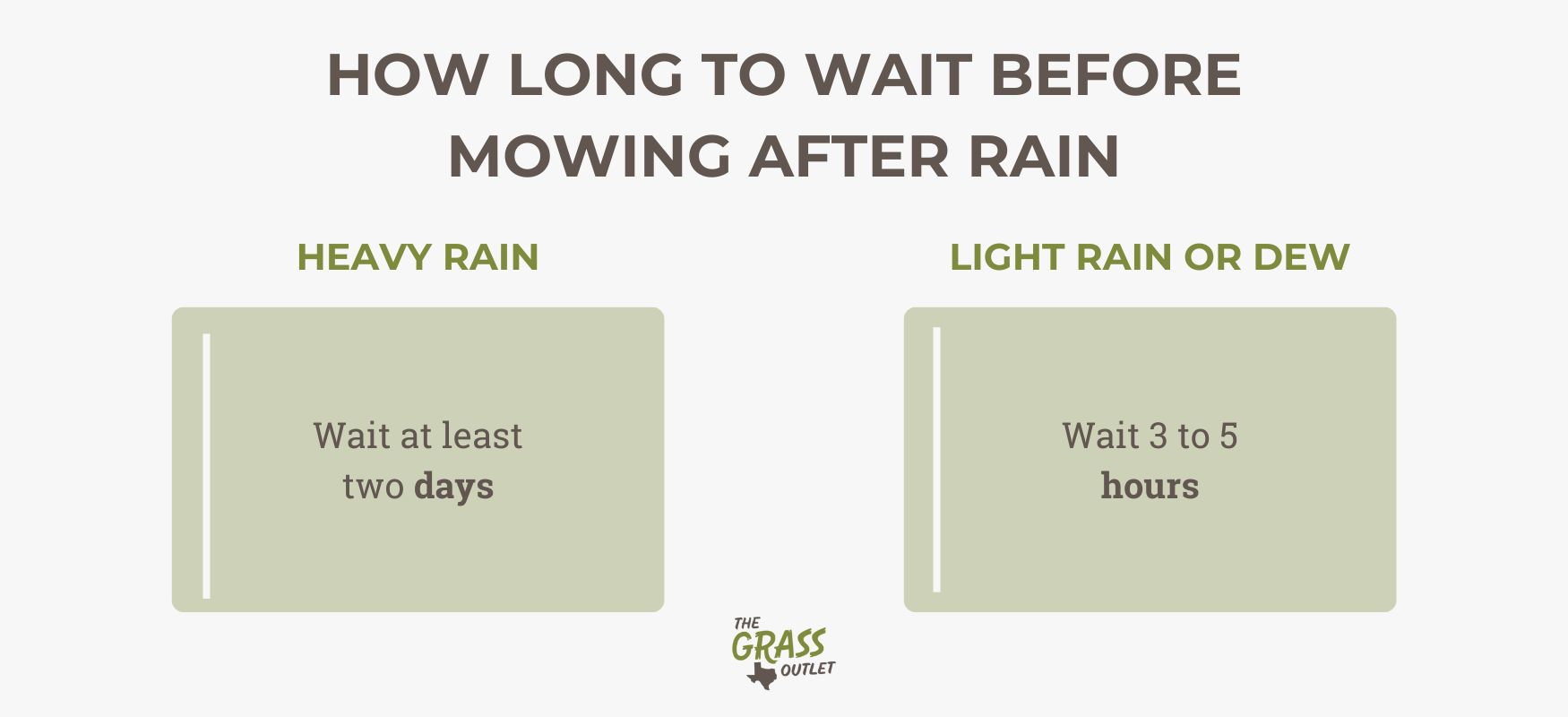
Image Source: thegrassoutlet.com
Why Waiting for Dry Grass Matters
The decision to mow your lawn after rainfall isn’t just about convenience; it’s crucial for the health of your grass and the efficiency of your mowing. Damp grass mowing can create a cascade of problems that are best avoided. When grass blades are wet, they tend to stick together and clump. This makes it difficult for your mower to cut them cleanly, often resulting in torn blades rather than a crisp cut. Torn blades are more susceptible to disease and can leave your lawn looking ragged.
The Impact of Wet Grass on Mowing
Mowing wet grass is a recipe for disappointment and potential damage. Here’s a breakdown of why it’s a bad idea:
- Uneven Cutting: Wet grass blades are heavy and flexible. They bend over rather than standing upright, making it hard for the mower blades to catch them properly. This leads to an inconsistent cut, where some areas are mowed shorter than others, creating a patchy appearance.
- Clumping and Bagging Issues: Wet grass clippings are sticky and heavy. They tend to clump together rather than being finely mulched or bagged. These clumps can smother the grass underneath, blocking sunlight and airflow, which can cause yellowing and even kill patches of your lawn. If you’re using a mulching mower, the clumps will be even more pronounced.
- Disease Spread: Wet grass blades can harbor and spread fungal diseases more easily. If your lawn has any existing fungal issues, mowing wet grass can transfer spores from infected areas to healthy ones, accelerating the spread of disease.
- Soil Compaction: Walking and operating a mower on saturated soil can cause compaction. The weight of the mower and your feet presses down on the soil, reducing the air pockets that grass roots need to breathe and grow. This can lead to a weaker, less healthy lawn in the long run.
- Mower Damage: Wet grass and clumping clippings can clog your mower’s deck and engine. This puts extra strain on the motor and can lead to overheating or even permanent damage. The moisture can also contribute to rust and corrosion on metal parts, affecting the longevity of your equipment.
Factors Affecting Lawn Drying Time
Determining the rain lawn drying time involves considering several environmental factors that influence how quickly your grass will be ready for mowing. It’s not just about the amount of rain; it’s about the conditions that follow.
Weather Conditions Post-Rain
The speed at which your lawn dries depends heavily on the weather immediately following the rain event.
- Sunlight: Bright sunshine is a key drying agent. Sunlight warms the grass blades and the soil, encouraging evaporation. A sunny day after rain will dry your lawn much faster than a cloudy one.
- Temperature: Higher temperatures accelerate the evaporation process. Warm air can hold more moisture, so it readily picks up water from the grass blades.
- Wind: Wind plays a significant role by physically moving the moist air away from the grass and replacing it with drier air, speeding up evaporation. A light breeze can make a big difference.
- Humidity: Humidity lawn mowing is a critical consideration. High humidity means the air is already saturated with moisture, slowing down the evaporation process. Even if it’s sunny and warm, if the humidity is high, your grass will stay damp for longer. The dew point mowing is an important indicator here. When the dew point is high, it means there’s a lot of moisture in the air, and drying will be slower.
Type of Grass and Lawn Density
Different grass types and the density of your lawn can also influence drying times.
- Grass Type: Some grass species have broader or thicker blades that retain moisture longer than others. For example, fescues and ryegrasses tend to dry faster than some of the broader-leafed warm-season grasses.
- Lawn Density: A thick, dense lawn can trap moisture between the blades, slowing down evaporation. Conversely, a thinner lawn might dry out more quickly because air can circulate more freely.
- Shade vs. Sun: Areas of your lawn that are shaded by trees or buildings will naturally take longer to dry than those exposed to direct sunlight.
Soil Type and Drainage
The composition of your soil and its ability to drain water is a major factor in how quickly the ground beneath the grass dries out.
- Sandy Soils: These soils drain very quickly, allowing water to pass through efficiently. This means the surface and the grass blades will likely dry faster.
- Clay Soils: Clay soils hold water for much longer. If you have a clay-heavy lawn, the soil will remain saturated, and the grass will stay damp for an extended period, even after the surface appears dry.
- Drainage: If your lawn has poor drainage, water will pool on the surface, prolonging the wet conditions. Aerating your lawn can improve drainage and help it dry out more effectively after rain. Soil moisture mowing is directly related to how well your soil drains.
When is the Best Time to Mow After Rain?
Figuring out the best time mow after rain requires a practical approach, combining your observations with a good understanding of the factors above.
The “Dry Blade” Rule
The most straightforward advice is to wait until the grass blades themselves are visibly dry. This means no dew, no lingering raindrops, and no dampness when you touch the grass.
Practical Tests to Gauge Dryness
You don’t need fancy equipment to test your lawn’s readiness. Here are some simple methods:
- The Touch Test: Simply walk across your lawn in your bare feet or with light-soled shoes. If your feet feel damp, the grass is still too wet.
- The Visual Check: Look closely at the grass blades. Are they beaded with water? Is there a sheen of moisture on them? If so, wait longer.
- The Swath Test: Mow a small, inconspicuous strip of your lawn. If the clippings clump excessively or the cut looks ragged, the grass is likely still too wet.
Estimating Drying Times: A General Guide
While every situation is different, here’s a rough idea of how long it might take for your lawn to dry:
| Rainfall Intensity | Sunlight & Wind Conditions | Estimated Drying Time (General) |
|---|---|---|
| Light Drizzle | Sunny, Light Breeze | 1-3 hours |
| Moderate Rain | Partly Cloudy, Moderate Wind | 3-6 hours |
| Heavy Rain | Cloudy, Still Air | 6-12 hours or more |
| Prolonged Rain | Any conditions | 12-24+ hours |
Note: This table provides a general estimate. Always perform the dry-ness tests mentioned above for a more accurate assessment.
The Risks of Mowing Wet Lawn
Let’s reiterate why mowing wet lawn is an activity to be avoided whenever possible. The consequences can be significant and detrimental to your lawn’s health and your equipment.
Negative Impacts on Lawn Health
- Disease Propagation: As mentioned, wet grass is a breeding ground and a vector for diseases. Mowing can spread these pathogens quickly.
- Poor Root Development: When you mow wet grass, the soil can become compacted. Compacted soil restricts root growth and makes it harder for the grass to access water and nutrients.
- Thatch Buildup: Clumped, wet grass clippings can contribute to thatch, a layer of dead and living organic matter that builds up on the soil surface. Excessive thatch can impede water and air penetration to the roots.
Mower Performance and Longevity
- Clogging: Wet grass clippings are heavy and sticky, leading to frequent clogging of the mower deck, discharge chute, and bagging system. This makes mowing inefficient and frustrating.
- Blade Dullness: Mowing wet grass puts more strain on mower blades. Instead of cleanly slicing the grass, the blades often bend and tear the wet blades, leading to premature dulling.
- Engine Strain: A clogged mower deck and dulled blades force the engine to work harder, potentially leading to overheating and reduced lifespan of the mower.
- Corrosion: Moisture is a primary cause of rust. If your mower is repeatedly exposed to wet grass, metal components are more prone to corrosion, affecting its performance and appearance.
Lawn Care After Rain: Beyond Mowing
Lawn care after rain involves more than just waiting for the right mowing conditions. There are other important steps to take to ensure your lawn remains healthy and vibrant.
Check for Standing Water
After a heavy rain, check your lawn for areas where water is pooling. Standing water for extended periods can suffocate grass roots and promote fungal growth.
- Improving Drainage: If you frequently have standing water, consider addressing drainage issues. This might involve:
- Aeration: Punching holes in the soil to improve air and water penetration.
- Leveling: Filling in low spots where water collects.
- Adding Amendments: Incorporating organic matter or sand into clay soils can improve drainage.
- Installing French Drains: For persistent problems, a more involved drainage system might be necessary.
Dealing with Mower Maintenance Wet Grass
If you accidentally mowed when the grass was a bit too damp, or if rain is forecast immediately after mowing, it’s crucial to perform proper mower maintenance wet grass scenarios.
- Clean the Mower Immediately:
- Deck: Use a hose or pressure washer to thoroughly clean the underside of the mower deck, removing all grass clippings and mud. Pay attention to the blade area and the discharge chute.
- Engine Area: Gently brush or blow away any wet clippings from the engine housing to prevent moisture buildup.
- Wheels and Tires: Clean off any mud or grass.
- Dry the Mower: Allow the mower to air dry completely in a sheltered area, preferably in the sun or a dry garage. Open up any access panels to ensure all parts dry out.
- Check for Rust: Inspect metal components for any signs of rust. If you find any, clean it off with a wire brush and apply a rust inhibitor or lubricant.
- Sharpen and Balance Blades: If you notice your blades are duller than usual after mowing wet grass, it’s a good time to sharpen them. Ensure they are properly balanced after sharpening to prevent vibrations that can damage the mower.
- Lubrication: After cleaning and drying, consider lubricating moving parts like the wheel axles and height adjustment mechanisms to prevent rust and ensure smooth operation.
Mowing Techniques to Avoid Clumping
Even on a good day, certain mowing techniques can exacerbate avoiding clumping mowing. Being aware of these can help you maintain a cleaner finish.
Mowing Strategy
- Don’t Over-Mow: Never try to cut more than one-third of the grass blade height in a single mowing session. If your grass has grown significantly since the last cut, you might need to mow twice, with a few days in between, to avoid overwhelming the mower and creating clumps.
- Adjust Mower Height: If your grass is a bit longer than usual, consider raising your mower deck slightly for the first pass. This reduces the amount of grass the mower has to process at once.
- Mow at a Slower Pace: Rushing through mowing, especially with slightly damp grass, will worsen clumping. Slow down to give the mower time to process the clippings effectively.
- Alternate Mowing Patterns: Avoid mowing in the same direction every time. Alternating your mowing pattern helps grass blades stand up straighter and can reduce compaction.
Using Your Mower Features
- Mulching vs. Bagging: If you’re concerned about clumping, consider using the bagging function on your mower if available. While mulching is often beneficial, it can create more significant clumps with damp grass.
- Side Discharge: If your mower has a side discharge option, this can sometimes help spread clippings more thinly than a bagger, though clumping can still occur.
Frequently Asked Questions (FAQ)
Q1: Can I mow my lawn if it has dew on it?
A1: It’s generally best to wait until the dew has evaporated. Mowing with dew on the grass is similar to mowing after rain – the grass is damp, leading to clumping, uneven cuts, and potential disease spread.
Q2: What if it rains again shortly after I finish mowing?
A2: If you mowed when the grass was dry, a brief shower afterward is usually not a major issue for the lawn itself. However, if there’s a lot of mud or significant clumping occurred, it’s a good idea to clean your mower as soon as possible to prevent rust and damage.
Q3: How does high humidity affect mowing?
A3: High humidity means the air is already holding a lot of moisture. This slows down the evaporation process, so your grass will take longer to dry. If the humidity is very high, even a sunny day might not dry the grass quickly enough for optimal mowing.
Q4: My lawn has clay soil. Will it take longer to dry?
A4: Yes, lawns with clay soil typically take longer to dry because clay retains moisture more effectively than sandy soils. You might need to wait significantly longer after rain if you have clay soil. Aerating can help improve drainage over time.
Q5: Is it okay to use a ride-on mower on damp ground?
A5: It’s still not ideal. While a ride-on mower might seem more robust, the weight of the machine can cause significant soil compaction on damp ground, damaging your lawn’s root system. It’s always best to wait until the ground is firm enough to support the mower without leaving deep ruts.
Q6: What is “dew point mowing”?
A6: “Dew point mowing” refers to the practice of considering the dew point temperature when deciding when to mow. A low dew point indicates drier air, meaning faster drying. A high dew point means the air is very moist, and drying will be slow. Monitoring the dew point can help you anticipate how long your lawn might stay wet.
Q7: How can I tell if my soil moisture mowing is too high?
A7: You can test your soil moisture by digging a small core sample. If the soil feels saturated and clumps together easily in your hand, the soil moisture is too high for mowing. Another indicator is if your mower wheels sink into the ground or leave deep tracks.
This comprehensive guide should equip you with the knowledge to make informed decisions about when to mow your lawn after it rains, ensuring a healthier lawn and a better mowing experience.