
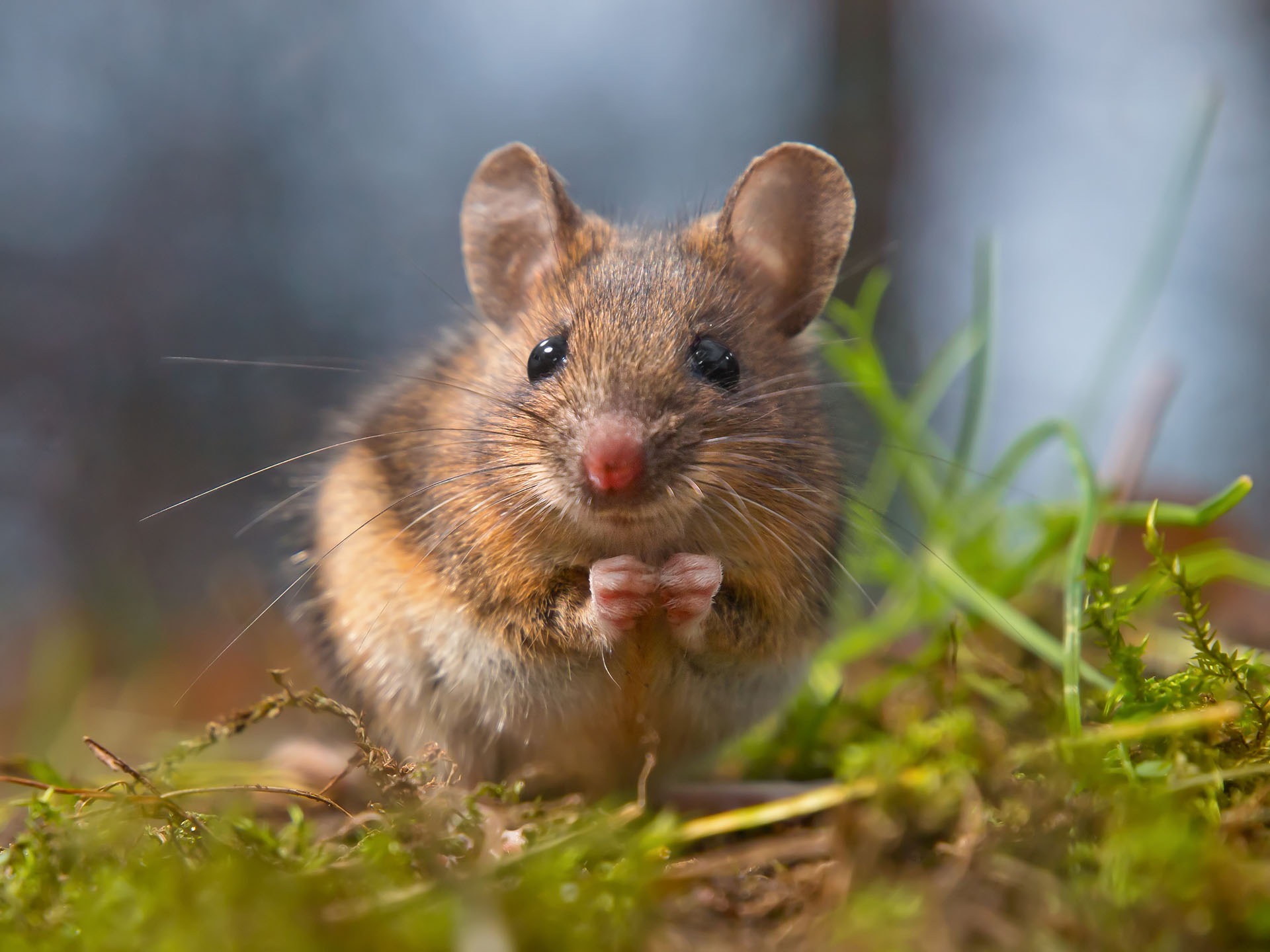
Image Source: theturfgrassgroup.com
How To Get Rid Of Mice In Your Yard Safely & Naturally
Worried about mice in your yard? You can get rid of mice in your yard safely and naturally by making your yard less appealing to them, using natural deterrents, and employing humane removal methods. This comprehensive guide will walk you through effective strategies for rodent control in your outdoor spaces.
Mice might seem small and harmless, but a large population can cause significant damage to your garden, outdoor structures, and even pose health risks. They can chew through wires, burrow under patios, and contaminate food sources. Fortunately, you don’t need harsh chemicals to tackle this problem. Focusing on natural mouse control and rodent prevention will create a less hospitable environment for these unwelcome guests. We’ll delve into creating an inhospitable landscape, exploring effective mouse repellent options, and discussing humane ways to manage an existing infestation. This approach to outdoor pest control prioritizes safety for your family, pets, and the environment.
Making Your Yard Less Inviting: The Foundation of Natural Mouse Control
The first step in eliminating mice outdoors is to understand what attracts them. Mice are looking for three main things: food, water, and shelter. By removing these attractants, you significantly reduce the chances of mice making your yard their home. This proactive approach is crucial for long-term rodent prevention.
Yard Sanitation: The Cornerstone of Deterring Mice
Think of your yard as a buffet for mice. If you remove the food, the buffet closes. Yard sanitation is not just about tidiness; it’s about strategic removal of resources that mice depend on.
Food Sources to Eliminate:
- Birdseed Spills: Bird feeders are a major attraction. If you have them, clean up any spilled seed regularly. Consider using feeders that dispense seed directly into the tray, minimizing ground spillage. Squirrel-proof feeders can also help reduce waste that attracts mice.
- Pet Food: Never leave pet food outdoors overnight. Store it in airtight containers, preferably in a garage or shed, not directly on the ground. Even a small amount of kibble can be a feast for a mouse.
- Fallen Fruit and Nuts: If you have fruit trees or nut-bearing plants, regularly collect fallen produce. Rotting fruit and nuts are a prime food source.
- Garbage and Compost: Ensure your garbage cans have tight-fitting lids. Compost piles can be a hidden haven for mice, especially if they contain food scraps. Turn your compost regularly to deter burrowing and consider a rodent-proof compost bin.
- Outdoor Grills and Picnic Areas: Clean up thoroughly after barbecues or picnics. Grease drippings and food scraps left on grills or tables can draw mice.
Water Sources to Remove:
- Leaky Faucets and Hoses: Fix any dripping outdoor faucets or leaky hoses. Standing water can be a critical resource for mice, especially during dry periods.
- Bird Baths: While beneficial for birds, bird baths can also attract mice. Ensure they are cleaned regularly and not overflowing. Consider a raised bird bath that is harder for rodents to access.
- Clogged Gutters: Clogged gutters can hold stagnant water. Keep them clean and clear of debris.
- Pet Water Bowls: Similar to pet food, don’t leave pet water bowls out unattended, especially overnight.
Shelter and Nesting Materials to Address:
Mice are resourceful nesters. They will take advantage of any nooks and crannies to build their homes. Eliminating these potential nesting sites is vital for rodent prevention.
- Overgrown Vegetation: Trim back overgrown bushes, shrubs, and tall grasses. These provide excellent cover and nesting opportunities. Keep your lawn mowed regularly.
- Woodpiles: Store firewood off the ground and away from your house. A stacked woodpile is an ideal mouse condo.
- Debris and Clutter: Remove old tires, lumber, tarps, and any other junk lying around your yard. These create countless hiding spots.
- Sheds and Garages: Keep these structures clean and organized. Seal any gaps or holes in the walls, foundations, or around doors and windows.
Natural Mouse Repellent Strategies
Once you’ve made your yard less attractive, you can introduce natural deterrents to further discourage mice. These methods are safe and don’t harm the ecosystem.
Scent-Based Repellents: Nature’s Alarm System
Mice have a keen sense of smell and are repelled by certain strong odors.
Essential Oils:
Many essential oils are effective mouse repellent agents. Their strong scents can disrupt a mouse’s ability to navigate and find food, signaling danger.
- Peppermint Oil: This is one of the most popular and effective natural repellents. The strong menthol scent is overwhelming to mice.
- How to Use: Soak cotton balls in pure peppermint oil and place them in areas where you’ve seen mouse activity or near potential entry points. Reapply every few days as the scent dissipates. You can also mix peppermint oil with water and spray it around the perimeter of your yard or garden beds.
- Eucalyptus Oil: Similar to peppermint, eucalyptus oil has a strong scent that mice dislike.
- How to Use: Use it the same way as peppermint oil – on cotton balls or diluted in water for spraying.
- Tea Tree Oil: Another potent essential oil that can deter mice.
- How to Use: Apply to cotton balls or mix with water for a spray.
- Citronella Oil: Known for repelling insects, citronella can also work on mice.
- How to Use: Apply to cotton balls or use citronella candles in outdoor seating areas, though the scent might be less concentrated for effective mouse repulsion.
Important Note: While essential oils are natural, they can be potent. Keep them away from pets and children, and avoid direct skin contact.
Other Natural Scents:
- Clove Oil/Whole Cloves: The strong aroma of cloves can also deter mice.
- How to Use: Place whole cloves in strategic locations or use clove oil on cotton balls.
- Ammonia: While not a pleasant smell for humans either, ammonia’s pungent odor mimics predator urine, which scares mice.
- How to Use: Place small, open containers of ammonia in areas where mice are active. Be extremely cautious with ammonia as it can be toxic if ingested or inhaled in large quantities. Ensure good ventilation and keep it away from children and pets. This is a last resort due to its toxicity.
- Cayenne Pepper/Chili Powder: The capsaicin in these spices can irritate a mouse’s nasal passages and paws.
- How to Use: Sprinkle cayenne pepper or chili powder around garden beds or areas where you see activity. Reapply after rain.
Plant-Based Deterrents: Growing Your Defense
Certain plants have natural properties that repel mice. Planting these around your yard can act as a natural barrier.
- Mint Family: Beyond peppermint oil, planting mint varieties (spearmint, peppermint) in your garden can help deter mice from those specific areas. However, mint can be invasive, so consider planting it in pots or contained areas.
- Lavender: The strong, pleasant scent of lavender is disliked by mice.
- How to Use: Plant lavender around your garden beds or near your home’s foundation. Dried lavender sachets can also be placed in outdoor sheds or garages.
- Chrysanthemums: These flowers contain pyrethrins, a natural insecticide and rodent repellent.
- How to Use: Planting chrysanthemums in your garden can offer some protection. Dried chrysanthemum flowers can also be used.
- Garlic: The strong smell of garlic is known to repel many pests, including mice.
- How to Use: Plant garlic cloves around your garden or scatter crushed garlic in areas of activity.
Humane Mouse Traps: Capturing and Relocating
If you have an active mouse problem, humane mouse traps are an excellent way to remove them without causing harm. These traps capture mice alive, allowing you to release them away from your property. This is a key component of humane garden pest removal.
Types of Humane Mouse Traps:
- One-Door Live Traps: These traps have a single entry point. When a mouse enters to get the bait, the door snaps shut, trapping the mouse inside without injury.
- Two-Door Live Traps: These are often larger and have doors at both ends. This can increase the chances of a catch.
- Bucket Traps: These DIY traps often involve a ramp leading to a bucket with a rolling mechanism (like a soda can on a wire) that causes the mouse to fall in. While effective, ensure the bucket is deep enough and has smooth sides to prevent escape and injury.
Effective Baiting Techniques:
The key to any trap is good bait. Mice are attracted to sweet, fatty, and protein-rich foods.
- Peanut Butter: A classic for a reason. Its sticky texture and strong smell are irresistible.
- Oatmeal: Uncooked oatmeal is a simple and effective bait.
- Seeds and Nuts: Sunflower seeds or small pieces of nuts work well.
- Chocolate: Mice are attracted to the sweetness and fat content.
- Small Pieces of Fruit: Apple or berries can also be used.
Best Practices for Using Humane Traps:
- Placement: Place traps in areas where you’ve seen signs of mouse activity, such as droppings, gnawed items, or runways (smooth paths along walls or under vegetation). Place them perpendicular to walls, as mice tend to travel along edges.
- Baiting: Use enough bait to be appealing but not so much that the mouse can grab it without entering the trap.
- Checking Regularly: This is crucial for humane trapping. Check your traps at least twice a day, preferably in the morning and evening. A trapped mouse can die from stress, dehydration, or starvation if left for too long.
- Relocation: Once you catch a mouse, relocate it at least 1-2 miles away from your home. Choose a suitable habitat, such as a wooded area or field, that can support wildlife. Be aware that relocating mice might not be successful if the new environment is too harsh or already populated.
- Cleaning: Clean traps thoroughly after each use with soap and water. You can also use a diluted vinegar solution. Avoid strong chemicals that might deter future catches.
Rodent Prevention: Long-Term Solutions for Eliminating Mice Outdoors
Beyond immediate removal, establishing robust rodent prevention strategies is vital to keep mice from returning. This involves ongoing maintenance and vigilance.
Sealing Entry Points: The First Line of Defense
Mice can squeeze through incredibly small openings. Sealing potential entry points into your home and outbuildings is a critical step in preventing them from gaining access.
- Foundation: Inspect the foundation of your house and any outbuildings for cracks or holes. Use steel wool, caulk, or concrete patching compounds to seal them. Mice cannot chew through steel wool.
- Doors and Windows: Ensure doors and windows close tightly. Install weather stripping and door sweeps to eliminate gaps.
- Vents and Utility Lines: Seal any openings where pipes, wires, or vents enter your home. Use a fine-mesh metal screening or steel wool.
- Gaps Under Eaves: Mice can enter through gaps under eaves. Ensure they are properly sealed.
Maintaining Your Yard for Continuous Rodent Prevention
Regular maintenance of your yard is key to preventing future infestations.
- Regular Mowing and Weeding: Keep your lawn mowed and your garden beds weed-free. This reduces hiding places.
- Pruning Shrubs and Trees: Trim branches and shrubs so they don’t touch your house or fence, providing a bridge for mice to climb.
- Proper Storage of Outdoor Items: Store anything that could provide shelter or nesting material (like old furniture, gardening equipment, or toys) in sealed containers or elevated off the ground.
- Regularly Clean Gutters: As mentioned earlier, this removes water sources and potential nesting material.
Addressing Specific Outdoor Areas
Let’s look at how to tackle mice in particular outdoor zones.
Mice in the Garden: Protecting Your Plants
Gardens are attractive to mice due to the presence of seeds, roots, and often moist soil.
- Raised Beds: Using raised garden beds can make it more difficult for mice to burrow underneath.
- Protective Netting: For vulnerable plants or seeds, consider using fine-mesh netting or row covers to deter mice from accessing them directly.
- Companion Planting: Some plants, like garlic and mint, can act as natural deterrents when planted amongst your vegetables and flowers.
- Mulch Management: While mulch is good for the garden, overly thick or damp mulch can provide a cozy home for mice. Keep mulch a few inches away from plant stems and avoid excessively deep layers.
- Natural Sprays: Regularly apply diluted peppermint oil or chili pepper spray around the garden perimeter and on plants if needed.
Mice in Sheds and Garages: Securing Your Storage
Sheds and garages are often prime nesting locations due to the abundance of stored items and sheltered spaces.
- Declutter: The less stuff you have stored, the fewer hiding places mice have. Organize and discard unnecessary items.
- Elevate Storage: Store items off the floor on shelves or pallets. This makes it harder for mice to nest underneath.
- Airtight Containers: Store all food items, birdseed, pet food, and anything else palatable in sturdy, airtight containers made of metal or thick plastic.
- Seal All Openings: As mentioned in prevention, meticulously seal all cracks, holes, and gaps around doors, windows, and foundations.
What About Ultrasonic Mouse Repellers?
Ultrasonic devices emit high-frequency sound waves that are supposed to deter rodents. While they seem like a simple solution, scientific evidence for their long-term effectiveness is mixed.
- How They Work: These devices create a sound that is inaudible to humans and most pets but is believed to be irritating or disruptive to mice.
- Effectiveness: Some users report success, while others find they have little to no impact. Mice may become accustomed to the sound over time, rendering it ineffective. The effectiveness can also depend on the specific device, the layout of your yard, and the extent of the mouse population.
- Considerations: If you decide to try them, purchase a reputable brand and place them strategically. They are generally safe for pets like cats and dogs, but it’s always wise to observe your pets for any signs of distress. They are best used as a supplementary measure rather than a standalone solution.
Natural Predators: Harnessing Nature’s Helpers
Encouraging natural predators in your yard can be a very effective and sustainable way to control mouse populations.
- Owls: Owls are voracious hunters of mice.
- How to Encourage: Install owl boxes in trees on your property. Owls need a safe place to nest and will hunt in the surrounding area.
- Snakes: While some people are uncomfortable with snakes, many are beneficial garden inhabitants that feed on rodents.
- How to Encourage: Avoid killing snakes and try to provide natural habitats like rock piles or brush piles in areas away from your main living spaces.
- Birds of Prey: Hawks and other birds of prey also hunt mice.
- How to Encourage: Avoid using broad-spectrum pesticides that can harm beneficial birds. Providing perching spots can also help.
- Cats: Domestic cats are natural hunters.
- How to Encourage: If you have an outdoor cat, they can help keep mouse populations in check. Ensure they have a safe and comfortable environment.
When to Call a Professional
While natural methods are excellent for prevention and mild infestations, there are times when professional help is needed.
- Severe Infestations: If you have a significant number of mice and natural methods aren’t making a dent, a professional pest control service can assess the situation and implement more robust control measures.
- Health Concerns: If you suspect a health hazard due to mouse droppings or urine, professional cleaning and decontamination might be necessary.
- Persistent Problems: If you’ve tried everything and the mice keep returning, a professional can identify specific attractants or entry points you might have missed.
When hiring a professional for outdoor pest control, inquire about their integrated pest management (IPM) strategies and their approach to using non-chemical and humane methods first.
Frequently Asked Questions (FAQ)
Q1: How can I tell if I have mice in my yard?
Signs include droppings (small, dark, rice-grain sized pellets), gnaw marks on plants or outdoor structures, burrowing holes in the ground, or sightings of mice, especially at dawn or dusk.
Q2: Can I use essential oils directly on my plants to repel mice?
It’s best to dilute essential oils with water before spraying. Some oils, in high concentrations, can potentially harm plants. Always do a spot test on a small area of the plant first.
Q3: How far away should I release trapped mice?
A distance of 1 to 2 miles is generally recommended to prevent them from finding their way back to your property. Choose a suitable habitat with food and shelter.
Q4: Are ultrasonic repellers safe for my pets?
Most ultrasonic repellers are safe for cats and dogs, as the frequencies are generally outside their hearing range or are not bothersome. However, always monitor your pets for any signs of discomfort.
Q5: What is the best time of year to focus on rodent prevention in my yard?
The best time to focus on prevention is in the late summer and fall, before mice begin seeking warmer shelter indoors. However, consistent yard sanitation and rodent prevention should be an ongoing practice throughout the year.
By implementing these natural and safe strategies, you can effectively manage and deter mice from your yard, creating a healthier and more enjoyable outdoor space. Consistent effort in yard sanitation and applying natural mouse control techniques will lead to long-term success in eliminating mice outdoors.