
A lawn mower spark plug typically lasts for one mowing season or approximately 100 hours of use, though this can vary significantly based on several factors.
Your lawn mower’s spark plug is a tiny but vital component. It’s the spark that ignites the fuel, making your mower run. Like any part in your engine, it wears down over time. Knowing how long a spark plug lasts and when to replace it is a key part of good lawn mower maintenance. This will help keep your mower running smoothly and your lawn looking great.
Image Source: greenpal-production.s3.amazonaws.com
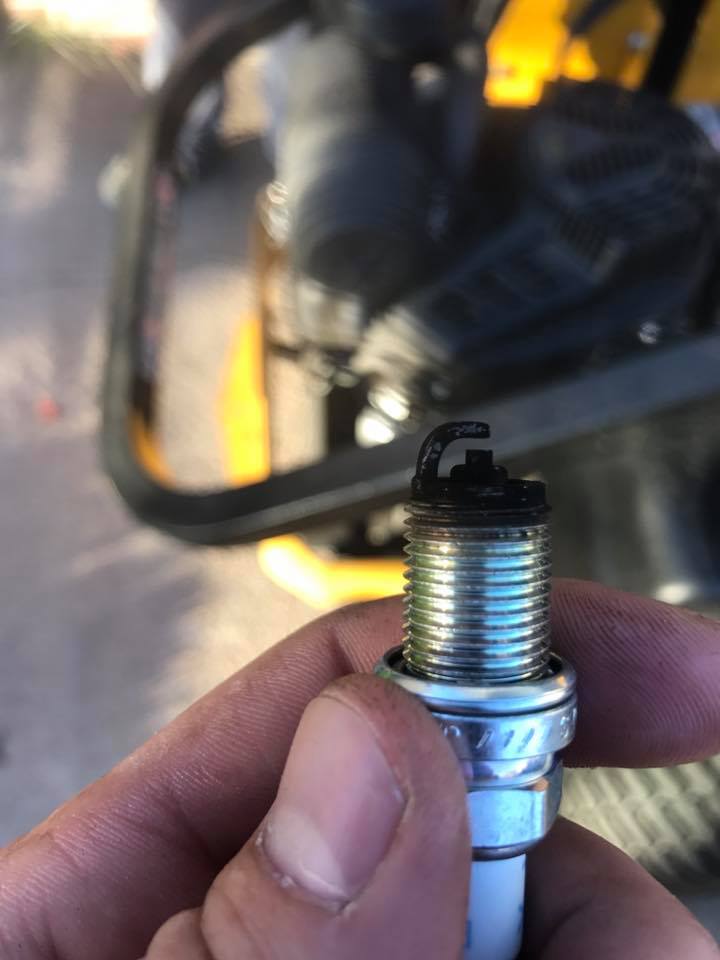
The Journey of a Lawn Mower Spark Plug
Think of your spark plug as a small but mighty worker. Every time your engine fires, it sends a powerful spark across a small gap. This spark ignites the air-fuel mixture. This process happens hundreds, even thousands, of times during a single mowing session.
Spark Plug Wear: What Happens Over Time?
Over its working life, a spark plug undergoes significant wear and tear. Here’s a breakdown:
- Electrode Erosion: The constant high-voltage sparks gradually wear away the electrodes (the metal tips that create the spark). This widening gap makes it harder for the spark to jump, leading to a weaker spark.
- Carbon Buildup: Incomplete combustion can lead to carbon deposits forming on the spark plug’s insulator and electrodes. This buildup can create an electrical path for the spark to follow to the cylinder head instead of jumping the gap, causing misfires.
- Fouling: Other substances, like oil or unburned fuel, can also foul the spark plug, coating its surfaces and preventing proper ignition.
- Insulator Cracking: Extreme heat and pressure cycles can cause microscopic cracks to form in the ceramic insulator. These cracks can allow voltage to leak, again resulting in a weak spark or no spark at all.
Factors Affecting Spark Plug Lifespan
Several things influence how long your lawn mower spark plug will last. Some are about how you use your mower, and others are about the plug itself.
How You Use Your Mower Matters
- Mowing Frequency and Duration: If you mow your lawn often and for long periods, your spark plug will work harder and wear out faster. A large property or thick grass will put more strain on the engine and its components, including the spark plug.
- Engine Load: Pushing your mower through tall, wet, or dense grass creates a heavier load on the engine. This increased load means the spark plug is firing more intensely and more frequently, leading to accelerated wear.
- Fuel and Oil Quality: Using the correct type of fuel and oil, as recommended by your mower’s manufacturer, is crucial. Poor quality fuel or using the wrong type of oil can lead to fouling and premature wear of the spark plug.
- Engine Condition: A healthy engine runs efficiently. Issues like carburetor problems, air filter clogs, or improper valve timing can lead to poor combustion, which in turn can cause the spark plug to foul or wear out faster.
The Spark Plug Itself
- Type of Spark Plug: Not all spark plugs are created equal. There are different types, and some are designed for longer life.
- Copper Core Spark Plugs: These are the most common and affordable. They generally have a shorter lifespan.
- Platinum Spark Plugs: These have a platinum tip, which is more durable. They offer a longer lifespan than copper plugs.
- Iridium Spark Plugs: Iridium is even harder than platinum, offering the longest lifespan and the best performance.
- Quality of the Plug: Just like with any product, there are better and worse brands. Choosing a reputable brand generally means a better-quality spark plug that will last longer.
- Correct Plug for Your Mower: Using the best spark plug for lawn mower means using the one recommended by the manufacturer. The gap, heat range, and thread size must be correct for your specific engine.
Typical Spark Plug Replacement Interval
So, how often should you be thinking about changing your spark plug? The general rule of thumb is once a year or after about 100 hours of operation. This is a good starting point for most residential lawn mower users.
Lawn Mower Tune-Up Schedule
A lawn mower tune-up is a routine maintenance service that keeps your mower running at its best. Replacing the spark plug is a standard part of this tune-up.
- Annual Tune-Up: For most homeowners, performing a tune-up once a year, typically before the start of the mowing season, is sufficient. This ensures the mower is ready for the work ahead.
- After 100 Hours: If you use your mower very frequently, perhaps for professional landscaping or on a very large property, tracking the hours of use might be more accurate. However, most residential users don’t have an hour meter on their mower.
A good lawn mower tune up should include checking and cleaning or replacing the air filter, checking and topping up or changing the oil, sharpening or replacing the blade, and, of course, inspecting and potentially replacing the spark plug.
Signs of a Bad Spark Plug
Your lawn mower will often tell you when its spark plug is going bad. Paying attention to these signs can save you from bigger problems down the line.
Common Indicators of Mower Spark Plug Wear
- Difficulty Starting: If your mower is hard to start, especially when the engine is cold, a worn or fouled spark plug is a common culprit.
- Rough Idling or Stalling: An engine that idles unevenly, sputters, or stalls unexpectedly can indicate a weak or inconsistent spark.
- Loss of Power: If you notice your mower feels sluggish, struggles to cut through grass, or lacks its usual power, the spark plug might not be igniting the fuel efficiently.
- Increased Fuel Consumption: A misfiring or inefficiently firing spark plug means your engine isn’t burning fuel as effectively, which can lead to higher fuel consumption.
- Visible Damage: If you remove the spark plug and see it’s covered in heavy carbon buildup, oil, or appears physically damaged (like a cracked insulator or eroded electrode), it’s time for a replacement.
When to Change Your Spark Plug: A Detailed Look
Deciding on the spark plug replacement interval involves considering your mower’s usage and the plug’s condition.
How Often to Change Lawn Mower Spark Plug?
- Preventative Replacement: The simplest approach is to replace it annually as part of your lawn mower maintenance routine. This is especially recommended if you’re unsure of its history or if you’re experiencing any of the signs above.
- Condition-Based Replacement: If you decide not to replace it annually, you should inspect it regularly. Look for the signs of wear and fouling mentioned earlier. If you see any, replace it immediately.
Inspecting Your Spark Plug
To inspect your spark plug, you’ll need a socket wrench of the appropriate size.
- Safety First: Make sure the engine is cool and the mower is turned off. Disconnect the spark plug wire to prevent accidental starting.
- Removal: Carefully unscrew the spark plug using the socket wrench.
- Visual Check: Examine the spark plug.
- Color: A healthy plug usually has a light tan or grayish-brown color on the electrodes.
- Deposits: Look for excessive black, sooty carbon deposits, oily residue, or white/gray ash deposits.
- Electrode Gap: The gap between the center electrode and the ground electrode should be consistent. You can check this with a spark plug gap tool. The correct gap specification is usually found in your mower’s owner’s manual.
- Insulator: Check the ceramic insulator for cracks or chips.
Re-gapping a Spark Plug
Sometimes, a spark plug isn’t completely worn out but its gap has widened. You might be able to adjust this.
- Using a Gap Tool: Carefully use a spark plug gap tool (a wire or feeler gauge) to measure the gap.
- Adjustment: Gently bend the ground electrode to achieve the manufacturer’s specified gap. Be careful not to damage the center electrode or the insulator.
- Caution: This is a temporary fix for a slightly widened gap. Severely eroded or fouled plugs cannot be reliably re-gapped.
The Impact on Lawn Mower Engine Health
The condition of your spark plug has a direct impact on your lawn mower engine health. A healthy spark plug ensures optimal combustion, which is vital for a well-functioning engine.
Benefits of a Good Spark Plug
- Efficient Fuel Combustion: A strong, consistent spark leads to complete fuel burn. This means your engine uses fuel more efficiently, saving you money.
- Smooth Operation: Proper ignition results in a smooth-running engine with consistent power delivery.
- Reduced Emissions: Efficient combustion also means your mower produces fewer harmful emissions, making it more environmentally friendly.
- Longer Engine Life: By ensuring proper combustion and preventing misfires, a good spark plug reduces strain on other engine components, potentially extending the overall life of your mower’s engine.
Consequences of a Bad Spark Plug
- Misfires: Inconsistent sparks lead to misfires, where the fuel-air mixture doesn’t ignite properly.
- Engine Knocking/Pinging: In some cases, a weak spark can lead to pre-ignition or detonation, causing a knocking sound.
- Increased Wear on Other Parts: Misfires and rough running can put extra stress on parts like the crankshaft, connecting rod, and piston rings, leading to premature wear and potential failure.
- Deposit Fouling: If the spark plug isn’t firing correctly, the engine can run rich (too much fuel), leading to carbon buildup in other parts of the engine, such as the valves and piston tops.
Choosing the Best Spark Plug for Your Lawn Mower
When it’s time to replace your spark plug, picking the right one is important. The best spark plug for lawn mower is usually the one specified in your owner’s manual.
What to Look for in a Replacement Plug
- Manufacturer’s Recommendation: Always check your owner’s manual for the exact spark plug model or specifications (e.g., NGK BKR5ES, Champion RC12YC). This ensures compatibility and optimal performance.
- Material:
- Copper: Good for basic use, but shorter lifespan.
- Platinum: Offers better durability and a longer spark plug life expectancy.
- Iridium: The most durable and offers the best ignition performance.
- Heat Range: Spark plugs are designed to operate within a specific temperature range. The wrong heat range can cause the plug to either foul (too cool) or overheat and damage the engine (too hot). The manufacturer’s recommendation is critical here.
- Thread Size and Reach: Ensure the new plug has the correct thread size and reach to fit properly into the cylinder head.
When to Consider Upgrades
While sticking to the manufacturer’s recommended plug is always safe, some users opt for upgraded plugs for potential benefits.
- Platinum or Iridium Plugs: If your mower came with a standard copper plug, upgrading to a platinum or iridium plug can offer a longer lawn mower spark plug lifespan and potentially improved ignition. However, the benefits might be less pronounced on smaller, less demanding engines.
- Performance: While often associated with cars, high-performance plugs can sometimes offer a more consistent spark, leading to slightly better engine performance and fuel efficiency in some lawn mowers.
Calculating Your Spark Plug Life Expectancy
While we’ve given general guidelines, you can get a more personalized estimate for your spark plug life expectancy.
Factors for Personal Calculation
- Usage Hours: If you can track your mowing time, that’s your best metric.
- Mowing Conditions: Are you mowing flat, dry grass, or hilly, wet, and thick areas? The latter significantly reduces the plug’s life.
- Engine Size and Type: Larger engines or those under constant heavy load will put more wear on the plug.
- Maintenance Habits: Regular air filter cleaning, oil changes, and using the correct fuel all contribute to a longer spark plug life.
Example Scenario
Let’s say you have a medium-sized riding mower and mow your lawn twice a month for about an hour each time during a 6-month mowing season.
- Total mowing hours per year = 2 mows/month * 6 months * 1 hour/mow = 12 hours.
- In this scenario, a standard copper plug might easily last 5-8 years if kept clean and the mower is otherwise well-maintained.
- If you used it for commercial purposes, mowing 20 hours a week for 6 months, that’s 480 hours. You’d be looking at replacing that plug every 1-2 years, or even more frequently if using standard copper plugs.
This highlights why how often to change lawn mower spark plug is not a one-size-fits-all answer.
Replacing Your Lawn Mower Spark Plug: A Step-by-Step Guide
Replacing a spark plug is a straightforward DIY task that is a fundamental part of lawn mower maintenance.
Tools You’ll Need
- Socket wrench set (with a spark plug socket if possible)
- New spark plug (correct type for your mower)
- Spark plug gap tool (feeler gauge or wire gauge)
- Rag
- Anti-seize lubricant (optional, but recommended for the new plug)
The Replacement Process
- Prepare the Mower: Ensure the engine is cool and the mower is on a level surface.
- Locate the Spark Plug: It’s usually a cylindrical metal component with a thick rubber boot covering it, connected to a wire.
- Disconnect the Wire: Gently pull the rubber boot off the spark plug. Never pull the wire itself, as this can damage it.
- Clean Around the Plug: Use a rag to wipe away any dirt or debris from around the spark plug base. This prevents debris from falling into the engine cylinder when the plug is removed.
- Remove the Old Plug: Fit the correct size socket wrench onto the spark plug. Turn counter-clockwise to loosen and remove it.
- Inspect the Old Plug (Optional but Recommended): As discussed, check its condition.
- Prepare the New Plug:
- Gap Check: Use your gap tool to verify the gap on the new spark plug matches your mower’s specification. Adjust if necessary.
- Anti-Seize (Optional): Apply a small amount of anti-seize lubricant to the threads of the new spark plug. This helps prevent it from seizing in the cylinder head in the future.
- Install the New Plug:
- Hand-Tighten First: Carefully thread the new spark plug into the engine by hand, turning it clockwise. This prevents cross-threading. Continue until it’s snug.
- Tighten with Wrench: Use the socket wrench to tighten the spark plug. Consult your owner’s manual for the exact torque specification. If you don’t have a torque wrench, a common guideline is to tighten it about 1/2 to 3/4 of a turn after it becomes snug. Overtightening can damage the threads in the cylinder head.
- Reconnect the Wire: Push the spark plug wire boot firmly back onto the new spark plug until it clicks into place.
- Test: Start your mower to ensure it runs smoothly.
Frequently Asked Questions (FAQ)
Q1: How long does a lawn mower spark plug typically last?
A1: A lawn mower spark plug generally lasts for one mowing season or about 100 hours of use. However, this can vary based on usage, mower condition, and plug quality.
Q2: How often should I change my lawn mower spark plug?
A2: It’s a good practice to change your lawn mower spark plug annually as part of routine lawn mower maintenance, typically before the start of the mowing season. If you use your mower very heavily, you might consider replacing it sooner based on hours of use.
Q3: What are the signs of a bad spark plug?
A3: Signs include difficulty starting, rough idling, stalling, loss of power, increased fuel consumption, and visible damage or heavy deposits on the plug itself.
Q4: Can I use a different type of spark plug in my mower?
A4: It’s best to use the specific spark plug recommended by your mower’s manufacturer. While upgrades like platinum or iridium might offer benefits, using the wrong type (especially regarding heat range or gap) can harm your engine.
Q5: How do I know if my spark plug needs replacing?
A5: Inspect the spark plug for signs of wear like eroded electrodes, carbon buildup, oil fouling, or cracks in the ceramic insulator. If it looks worn or dirty, it’s time for a replacement.
Q6: What is the best spark plug for my lawn mower?
A6: The best spark plug for lawn mower is the one specified in your owner’s manual. Look for the exact model number or specifications provided by the manufacturer.
Q7: Does spark plug wear affect my lawn mower’s engine health?
A7: Yes, a worn or fouled spark plug leads to inefficient combustion, misfires, and can put extra strain on your engine, potentially reducing its lifespan and overall lawn mower engine health.
Q8: Can I clean and reuse an old spark plug?
A8: You can clean minor carbon fouling from a spark plug. However, if the electrodes are significantly eroded or there are cracks in the insulator, cleaning will not restore its performance, and it should be replaced.
By paying attention to your spark plug and performing regular lawn mower maintenance, you can ensure your mower starts easily, runs efficiently, and serves you well for years to come.