
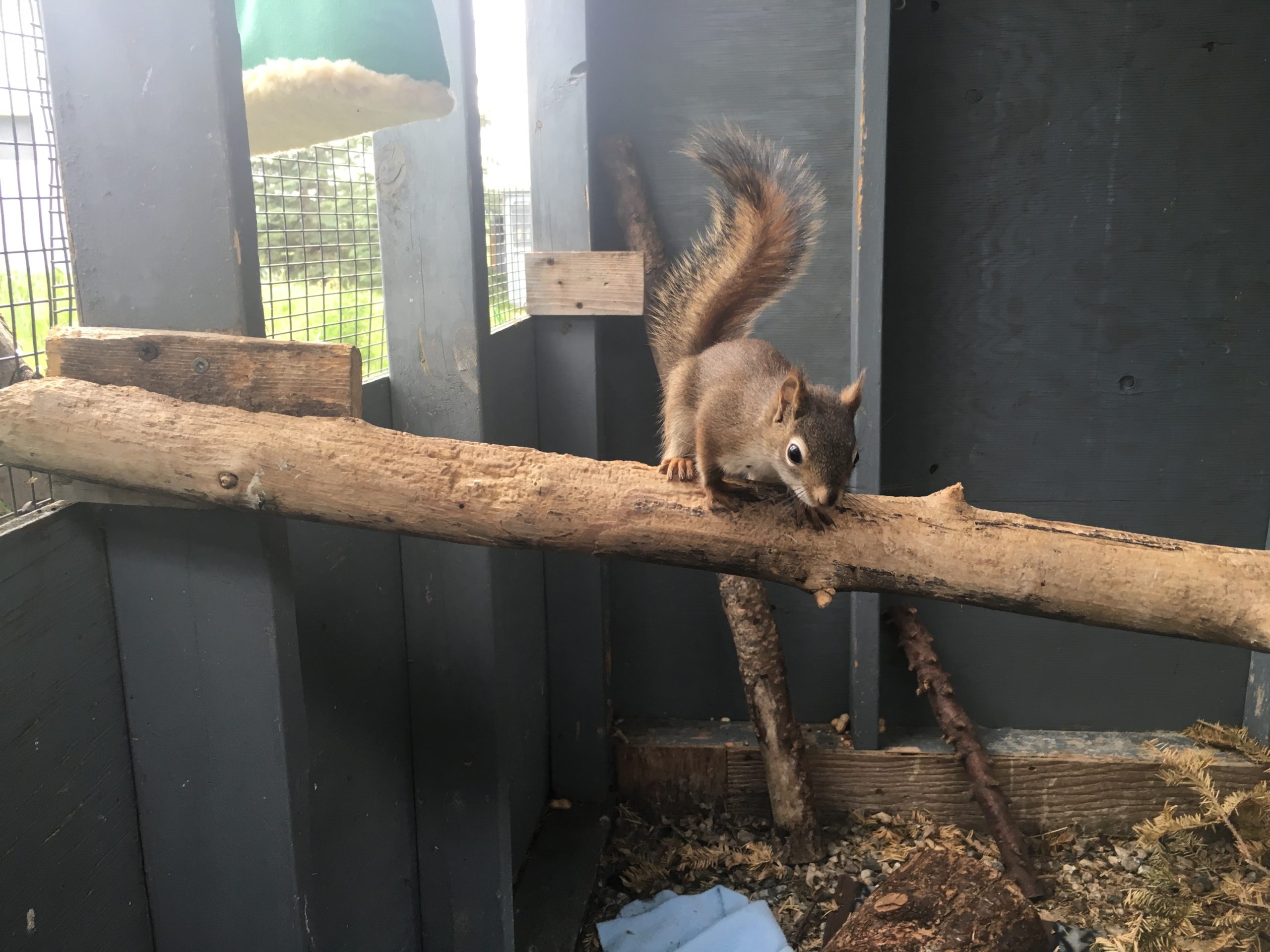
Image Source: www.aiwc.ca
How To Get Rid Of Red Squirrels In My Yard Safely & Effectively
Can I get rid of red squirrels in my yard without harming them? Yes, you absolutely can! This guide focuses on humane and effective strategies for dealing with red squirrels in your outdoor space, emphasizing natural squirrel deterrents and humane squirrel removal techniques. We’ll explore how to stop these energetic creatures from becoming a nuisance, covering everything from deterring red squirrels to preventing squirrels in garden areas.
Red squirrels, with their charming russet coats and bushy tails, can be a delightful part of nature. However, when they begin to damage gardens, chew on wires, or raid bird feeders, they can quickly turn into a problem. Fortunately, you don’t need to resort to harsh methods to manage their presence. This article will equip you with the knowledge and tools to implement squirrel exclusion methods, squirrel proofing backyard designs, and practical advice for controlling red squirrels effectively and humanely.
Why Red Squirrels Become a Yard Nuisance
Red squirrels, scientifically known as Sciurus vulgaris in Europe and Tamiasciurus hudsonicus in North America, are distinct from their grey squirrel cousins. They are generally smaller, more territorial, and known for their distinctive chattering calls. Their presence in your yard might stem from a few key reasons:
- Abundant Food Sources: Your yard might offer an easy buffet of nuts, seeds, fruits, and even garden vegetables. Bird feeders are a particularly attractive target.
- Shelter and Nesting Sites: Trees, dense shrubs, sheds, attics, and even decks can provide safe havens for red squirrels to build their dreys (nests).
- Water Availability: Bird baths, leaky faucets, or even puddles can attract them.
- Lack of Natural Predators: In urban and suburban environments, natural predators like hawks, foxes, and owls are often less prevalent, allowing squirrel populations to thrive.
Identifying the Damage Caused by Red Squirrels
Before you can effectively manage red squirrels, it’s helpful to recognize the signs of their activity:
- Garden Damage: Nibbled flowers, dug-up bulbs, and damaged fruit or vegetable plants.
- Bird Feeder Raids: Empty feeders, scattered seeds, and often chewed access points.
- Structural Damage: Gnawed electrical wires (a serious fire hazard), chewed siding, damaged insulation in attics or soffits, and damaged decking.
- Noise and Droppings: Scratching sounds in walls or attics, along with droppings that can resemble small, dark pellets.
Humane Methods for Deterring Red Squirrels
The first and most important step in controlling red squirrels is to make your yard less appealing to them. This involves a multi-pronged approach focused on removal of attractants and the application of squirrel repellent strategies.
Making Your Yard Less Attractive
- Secure Your Bird Feeders: This is often the biggest draw for squirrels.
- Use Squirrel-Proof Feeders: Many feeders are designed with weight-activated perches that close off access when a heavier animal like a squirrel lands on them.
- Strategic Feeder Placement: Hang feeders at least 10 feet away from trees, fences, or buildings that squirrels can use as launching pads.
- Use Squirrel Baffles: These are cone-shaped or dome-shaped devices that can be placed above or below feeders to prevent squirrels from climbing to them. Ensure the baffle is wide enough and positioned correctly.
- Choose Squirrel-Resistant Food: Black oil sunflower seeds and safflower seeds are less appealing to squirrels than corn or peanuts. Avoid cracked corn and millet, which squirrels love.
- Remove Fallen Food and Debris: Regularly clean up spilled birdseed, fallen fruits, and nuts from around feeders and under trees.
- Secure Your Trash Cans: Use bins with tight-fitting lids and consider securing them with bungee cords or weights.
- Protect Garden Produce:
- Netting: Cover vulnerable plants, especially berry bushes and fruit trees, with fine mesh netting.
- Fencing: Install a sturdy fence around vegetable gardens. Ensure it’s at least 3 feet tall and buried at least 6 inches underground to prevent burrowing. Consider adding an outward-facing lip to the top of the fence to deter climbing.
- Harvest Promptly: Pick fruits and vegetables as soon as they are ripe.
Natural Squirrel Deterrents
Many natural remedies can help in deterring red squirrels without causing them harm. These often work by appealing to their sense of smell or taste.
- Spicy Repellents: Squirrels dislike spicy flavors. You can create a homemade squirrel repellent spray by mixing water with cayenne pepper, hot sauce, or chili powder. Apply this to plants and areas you want to protect. Reapply after rain.
- Recipe Example: 1 tablespoon of cayenne pepper, 1 teaspoon of dish soap (to help the spray adhere), and 1 quart of water.
- Strong Scents: Certain strong scents can be off-putting to squirrels.
- Peppermint Oil: Soak cotton balls in peppermint oil and place them around areas you want to protect, or mix a few drops with water and spray.
- Predator Urine: The scent of predator urine (like fox or coyote) can deter squirrels. These are available commercially in granular or spray form.
- Garlic and Onions: Planting garlic and onions around the garden can act as a natural repellent. You can also create a spray from blended garlic and onions.
- Coffee Grounds: Some gardeners report success by sprinkling used coffee grounds around plants.
- Physical Barriers:
- Mesh and Netting: As mentioned for garden protection, using fine mesh or bird netting can physically prevent squirrels from accessing certain areas or plants.
- Prickly Mulch: Placing thorny branches, pinecones, or rough mulch around vulnerable plants can make it uncomfortable for squirrels to tread there.
Scent-Based Squirrel Repellents (Commercial Options)
If natural deterrents aren’t strong enough, several commercial squirrel repellent products are available. These often contain ingredients like:
- Capsaicin (from chili peppers)
- Predator urine extracts
- Essential oils (peppermint, castor oil)
- Ammonia or naphthalene (use with extreme caution and ensure they are safe for plants and other wildlife)
Always read product labels carefully and follow instructions precisely. Some repellents are designed for specific applications, such as protecting gardens or preventing chewing on wires.
Squirrel Exclusion Methods: Blocking Access
An effective way to manage red squirrels in my yard is by preventing them from entering areas where they cause damage, such as attics, sheds, or under decks. This falls under squirrel exclusion methods.
Sealing Entry Points
- Inspect Your Home: Regularly check your roofline, eaves, vents, and siding for any holes or gaps. Squirrels can squeeze through surprisingly small openings.
- Seal Gaps: Use strong materials like galvanized steel mesh (hardware cloth), sheet metal, or caulk to seal any openings. Avoid using materials like wood or plastic, which squirrels can easily chew through.
- Chimney Caps: Install a chimney cap with a mesh screen to prevent squirrels from entering your chimney.
- Vent Covers: Ensure all vents (attic, soffit, dryer) are covered with sturdy metal mesh.
Squirrel Proofing Backyard Design Elements
- Trim Tree Branches: Keep tree branches trimmed back at least 6-10 feet from your roofline and any other structures. This makes it harder for squirrels to jump onto your home.
- Protect Wood Structures: If squirrels are gnawing on decks, fences, or wooden trim, consider wrapping these areas with metal flashing or installing a barrier of hardware cloth.
- Remove Potential Nesting Sites: Clear out debris piles, old machinery, or any other clutter that could provide shelter or nesting material for squirrels.
Dealing with Red Squirrels in Attics and Structures
When red squirrels have already invaded your attic or crawl spaces, humane squirrel removal becomes the priority.
- One-Way Doors (Exclusion Funnels): These devices are installed over the primary entry point squirrels are using. They allow squirrels to exit but prevent them from re-entering. Once you’re confident all squirrels have left, you can remove the one-way door and seal the opening permanently.
- Timing is Crucial: Avoid installing one-way doors during nesting season (typically spring and late summer). If you trap a mother squirrel away from her young, the babies could starve or die within the structure, leading to odor and pest problems.
- Professional Assistance: If you’re unsure about the process or suspect babies are present, it’s best to contact professional wildlife removal services. They have the expertise and equipment to safely and humanely remove squirrels, especially if young are involved.
Natural Solutions for Squirrels Already in the Yard
Beyond repellents and exclusion, here are some other natural approaches for controlling red squirrels:
- Introduce Natural Predators (Indirectly): Encourage beneficial birds of prey by installing owl boxes or hawk perches in areas away from your immediate living space.
- Companion Planting: Some plants are said to deter squirrels. Consider planting castor bean (caution: poisonous to humans and pets), marigolds, or tansy around your garden.
- Noise Deterrents: While not always effective long-term, temporary noise deterrents like radios tuned to talk stations or ultrasonic devices can sometimes startle squirrels away.
When to Call Wildlife Removal Services
While many issues with red squirrels can be resolved with DIY methods, there are times when professional help is necessary.
- Persistent Problems: If you’ve tried multiple deterrents and exclusion methods without success, a professional service can identify the root cause and implement more robust solutions.
- Infestations: If you have a significant number of squirrels causing extensive damage, professional wildlife removal services can efficiently manage the situation.
- Injured or Trapped Animals: If you find an injured squirrel or believe animals are trapped in a way you cannot safely access, call professionals.
- Concerns About Young: If you suspect a mother squirrel has young in your attic or walls, professional humane squirrel removal is essential to ensure the babies are cared for.
- Complex Exclusion: For difficult-to-access areas or when dealing with structural damage, professionals have the tools and experience for effective squirrel exclusion methods.
When selecting a wildlife removal service, ensure they specialize in humane practices and are licensed and insured. Ask about their methods for removal and exclusion, and prioritize those who use live traps and relocation (where legal and appropriate) or one-way exclusion devices.
Maintaining a Squirrel-Resistant Yard Long-Term
Preventing squirrels in garden and around your home is an ongoing effort. Here’s how to maintain a squirrel-resistant yard:
- Regular Maintenance: Continue to monitor for new entry points, secure trash cans, and clean up fallen food.
- Vary Your Deterrents: Squirrels can sometimes get used to a single deterrent. Periodically switch up your methods or repellents to keep them guessing.
- Educate Your Neighbors: If your neighbors are also experiencing squirrel issues, coordinating efforts can be more effective.
- Embrace Natural Landscaping: While this might seem counterintuitive, a yard with less manicured flower beds and more natural plantings might offer fewer concentrated food sources and be less attractive overall for nuisance activity.
Table: Summary of Humane Squirrel Deterrents and Exclusion
| Method Type | Specific Strategy | Effectiveness | Notes |
|---|---|---|---|
| Food Management | Squirrel-proof bird feeders | High (if feeders are truly squirrel-proof) | Requires regular maintenance and correct placement. |
| Secure trash cans | High | Essential to prevent scavenging. | |
| Promptly harvest garden produce | High | Reduces readily available food sources. | |
| Scent Deterrents | Cayenne pepper spray | Moderate to High (requires reapplication) | Natural and safe for plants; reapply after rain. |
| Peppermint oil/Garlic spray | Moderate | Pleasant scent for humans, often disliked by squirrels. | |
| Predator urine products | High (mimics natural threats) | Available commercially; follow instructions. | |
| Physical Barriers | Hardware cloth over openings | Very High (prevents entry) | Durable and effective for sealing structural gaps. |
| Bird netting over plants | High (physical exclusion) | Essential for protecting vulnerable crops and fruits. | |
| Chimney caps/Vent screens | Very High (prevents attic entry) | Crucial for preventing nesting in unwanted areas. | |
| Exclusion Devices | One-way doors (exclusion funnels) | Very High (for removing squirrels from structures) | Requires careful timing to avoid trapping young. |
| Professional Help | Wildlife removal services | Very High (for complex or persistent issues) | Ensures humane treatment and effective long-term solutions. |
Frequently Asked Questions (FAQ)
Q1: Are red squirrels dangerous to humans or pets?
A1: Red squirrels are generally not aggressive towards humans or pets unless they feel threatened or cornered. However, like any wild animal, they can bite if they feel trapped. It’s best to admire them from a distance and avoid direct contact. They can also carry diseases or parasites, so it’s wise to avoid handling them.
Q2: What are the best natural squirrel repellents?
A2: The most effective natural squirrel deterrents often involve strong scents that squirrels dislike. These include cayenne pepper, chili powder, peppermint oil, garlic, and onions. Predator urine scents can also be very effective.
Q3: How can I stop squirrels from digging in my flower pots?
A3: You can deter squirrels from digging in pots by placing decorative rocks or chicken wire (hardware cloth) on top of the soil. Alternatively, try sprinkling cayenne pepper or coffee grounds on the soil surface. Planting marigolds or tansy around your pots can also help.
Q4: Can I trap squirrels myself?
A4: While you can buy live traps, it’s important to understand local wildlife laws regarding trapping and relocating animals. Relocating squirrels can be stressful for them and may not solve the problem if their habitat is still attractive. If you do trap a squirrel, it’s often best to release it as close to your property as possible to minimize stress, or consult with a wildlife professional for guidance. Remember to check traps frequently to avoid leaving an animal distressed.
Q5: How do I know if there are baby squirrels in my attic?
A5: Signs of baby squirrels include faint chirping or squeaking sounds, especially during spring and late summer. You might also see the mother squirrel making frequent trips in and out of your home. If you suspect babies are present, it’s crucial to delay exclusion until they are old enough to travel with their mother to avoid separating families. Professional wildlife removal services are best equipped to handle these sensitive situations.
Q6: What if squirrels are chewing on my electrical wires?
A6: Squirrels chewing on electrical wires is a serious fire hazard. You must take immediate action. Seal all entry points to your home with sturdy materials like metal. Use squirrel repellent sprays designed for wire protection. Trim tree branches that overhang your roof. If the problem persists or you can’t access the chewed areas, contact a qualified electrician and wildlife removal services immediately.
By implementing these humane and effective strategies, you can successfully manage the presence of red squirrels in your yard, protecting your property and gardens while coexisting peacefully with these fascinating creatures.