
Can you throw a gas lawn mower in the regular trash? No, you cannot throw a gas lawn mower in the regular trash. Disposing of a gas lawn mower requires specific steps to ensure safety and environmental protection. This comprehensive guide will walk you through the entire process, from preparing your mower to finding the right disposal options. We’ll cover everything you need to know for a safe disposal, making sure you handle hazardous waste responsibly.
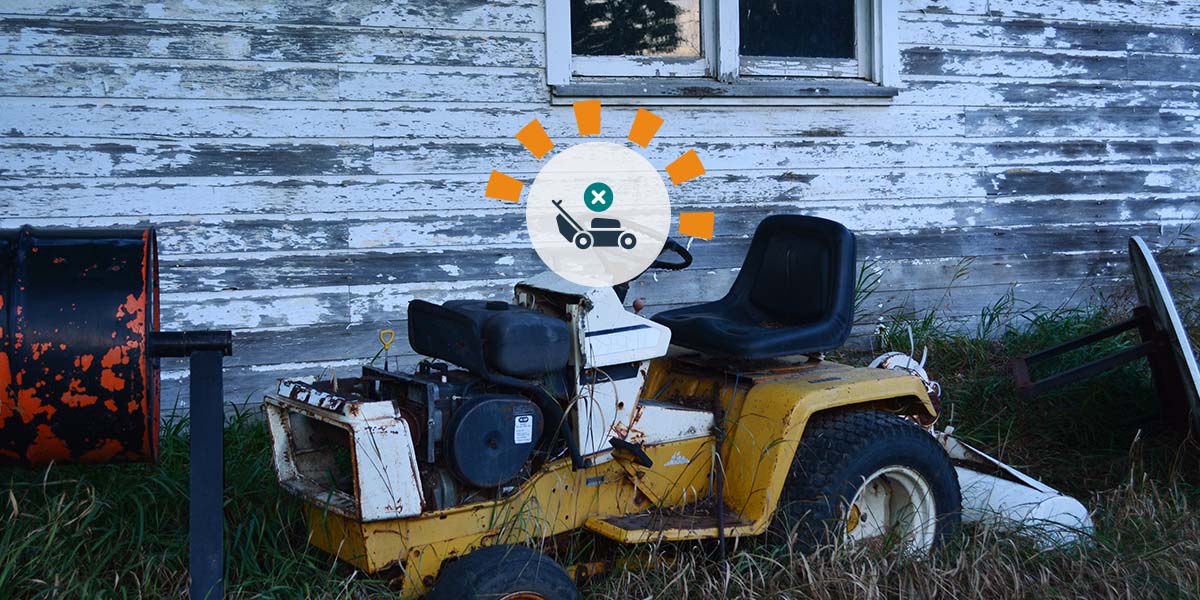
Image Source: dumpsters.com
Why Proper Disposal Matters
Lawn mowers, especially those powered by gasoline, contain components that are harmful to the environment if not handled correctly. Gasoline, oil, and batteries are considered hazardous waste and can contaminate soil and water if they leak. Furthermore, many parts of a lawn mower can be recycled, giving them a new life and reducing the need for raw materials. Understanding proper disposal methods is crucial for environmental protection.
The Dangers of Improper Disposal
- Environmental Contamination: Leaking fuel and oil can seep into the ground, polluting groundwater and soil. This can harm plant and animal life.
- Fire Hazards: Improperly drained fuel can pose a significant fire risk, especially if the mower is stored or transported carelessly.
- Health Risks: Contact with old gasoline and oil can be harmful to human health.
- Legal Penalties: Many communities have strict local regulations regarding the disposal of yard equipment and hazardous materials.
Preparing Your Gas Lawn Mower for Disposal
Before you can take your mower to a disposal facility, you need to prepare it properly. This primarily involves draining fuel, removing the battery, and ensuring any oil is handled correctly.
Step 1: Draining the Fuel
Draining fuel is the most critical step in preparing your gas lawn mower for disposal. Gasoline is highly flammable and a significant environmental hazard.
How to Drain the Fuel Safely:
- Choose a Safe Location: Work outdoors in a well-ventilated area, away from any open flames, sparks, or direct sunlight. Never drain fuel indoors.
- Gather Supplies: You’ll need:
- A clean, approved gasoline container (metal or plastic specifically designed for fuel).
- A funnel.
- Rags or paper towels for spills.
- Gloves and eye protection for safety.
- Locate the Fuel Tank and Lines: Most gas mowers have a fuel tank near the engine. You’ll also need to identify the fuel line that connects the tank to the carburetor.
- Drain the Tank:
- Method A: Siphoning: Carefully insert a siphon tube into the fuel tank and pump the fuel into your approved container. Be cautious not to ingest any fuel.
- Method B: Fuel Line Disconnection: Place your approved container and funnel under the fuel line. Gently disconnect the fuel line from the carburetor. The remaining fuel in the tank and line should drain out. You may need to tilt the mower slightly to ensure all fuel drains.
- Start the Engine (Optional but Recommended): After draining as much fuel as possible, start the mower and let it run until it stops on its own. This will burn off any residual fuel left in the carburetor and fuel lines, making it safer to handle. Do this in a well-ventilated area and turn it off as soon as it stops.
- Dispose of the Fuel Responsibly: Never pour old gasoline down drains or onto the ground. Take it to a local household hazardous waste collection site or an auto parts store that accepts used fuel.
Step 2: Handling Oil Disposal
Just like fuel, motor oil is a hazardous waste and requires careful handling.
How to Dispose of Used Oil:
- Drain the Oil: Locate the oil drain plug on the mower’s engine (usually at the bottom). Place a suitable container (like a shallow pan or an old oil jug with the top cut off) underneath. Remove the drain plug and let all the oil drain out.
- Replace the Drain Plug: Once the oil has drained, reinsert and tighten the drain plug.
- Recycle Used Oil: Do not pour used oil down drains or dispose of it in your regular trash. Take it to:
- Local auto parts stores.
- Service stations.
- Designated household hazardous waste collection sites.
- Some recycling centers.
- Many oil change facilities accept used motor oil for recycling.
Step 3: Battery Removal
If your lawn mower has an electric start, it will have a battery. These batteries often contain lead and acid, making them hazardous waste.
Removing and Disposing of Batteries:
- Locate the Battery: The battery is typically located under a cover or near the engine. Consult your owner’s manual if you’re unsure.
- Disconnect the Terminals: Always disconnect the negative terminal first, followed by the positive terminal. This prevents accidental short circuits.
- Remove the Battery: Carefully lift the battery out of its compartment.
- Recycle Batteries: Batteries should never be thrown in the regular trash. Take them to:
- Auto parts stores.
- Battery retailers.
- Household hazardous waste collection sites.
- Many recycling centers have specific battery drop-off points.
Step 4: Removing Other Hazardous Components
- Spark Plugs: While not strictly hazardous, removing the spark plug can prevent accidental starting and is a good practice.
- Blades: Lawn mower blades are sharp and should be removed carefully. Consider wrapping them in thick cloth or cardboard to prevent injury. Some scrap metal recyclers may accept them.
Finding Disposal and Recycling Options
Once your mower is prepared, you need to find suitable disposal or scrap metal recycling facilities. The best option often depends on your local regulations and the condition of the mower.
Option 1: Local Waste Management and Recycling Centers
Your local municipal waste management department or recycling center is often the first place to check.
What to Look For:
- Household Hazardous Waste (HHW) Collection Events: Many communities hold special collection events for items like old mowers, paint, chemicals, and electronics.
- Designated Drop-off Sites: Some recycling centers accept lawn mowers as part of their bulk item or metal recycling programs. They will have specific instructions on preparation and drop-off procedures.
- Transfer Stations: These facilities often have designated areas for large items and scrap metal.
How to Find Them:
- Visit your city or county government website.
- Search online for “[Your City/County] waste management” or “[Your City/County] recycling center.”
- Call your local public works department.
Option 2: Scrap Metal Recyclers
Gas lawn mowers are made of significant amounts of metal, making scrap metal recycling a great option.
Working with Scrap Metal Recyclers:
- Preparation is Key: Ensure the mower is completely drained of fuel and oil, and the battery is removed. Many recyclers will not accept mowers with these components still present.
- Potential Payment: Some scrap metal yards may pay you a small amount for the metal, depending on current market prices.
- What They Accept: They are primarily interested in the steel and aluminum components.
How to Find Them:
- Search online for “[Your City/County] scrap metal recycling.”
- Check local business directories.
Option 3: Retailer Take-Back Programs
When purchasing a new lawn mower, some retailers offer to take your old one as part of their service.
Inquiring About Take-Back Programs:
- Ask Before You Buy: When you’re shopping for a new mower, inquire about their old equipment take-back or recycling programs.
- Associated Fees: There might be a small fee associated with this service, but it can be convenient.
Option 4: Donating or Selling a Working Mower
If your lawn mower is still in good working condition, consider giving it a second life.
Options for Working Mowers:
- Donate:
- Local Charities: Many community organizations, Habitat for Humanity ReStores, or vocational schools may accept working lawn mowers.
- Community Gardens: Local community garden projects might be in need of such equipment.
- Sell:
- Online Marketplaces: Use platforms like Craigslist, Facebook Marketplace, or eBay to sell your mower.
- Yard Sales: A traditional yard sale is another option.
- Local Classifieds: Check local newspapers or community bulletin boards.
Complying with Local Regulations
Local regulations are paramount when disposing of a gas lawn mower. These rules are in place to protect public health and the environment.
Key Considerations:
- Hazardous Waste Laws: Understand which components are classified as hazardous waste in your area and how they must be handled.
- Bulk Trash Pickup: Some municipalities allow lawn mowers to be placed out for bulk trash pickup, but usually only after they have been properly prepared (drained fuel, oil, battery removed). Always confirm this with your local waste management provider.
- Prohibited Items: It’s crucial to know which items are explicitly forbidden from regular landfill disposal.
Actionable Steps:
- Visit Your Municipality’s Website: Look for sections on waste disposal, recycling, or hazardous waste.
- Contact Your Local Waste Management Provider: They can provide specific guidelines, collection schedules, and locations for disposal.
- Inquire at Your Local Recycling Center: They are often knowledgeable about regional disposal options.
Table: Disposal Options at a Glance
| Disposal Option | Preparation Required | Environmental Impact | Potential Cost | Convenience |
|---|---|---|---|---|
| Local Recycling Center | Drain fuel/oil, remove battery | Low (Recycling) | Free to low | Moderate |
| Household Hazardous Waste (HHW) | Drain fuel/oil, remove battery | Low (Proper treatment) | Free | Moderate |
| Scrap Metal Recycler | Drain fuel/oil, remove battery, may need to dismantle | Low (Recycling) | None to payment | Moderate |
| Retailer Take-Back Program | Follow retailer’s instructions (often minimal prep) | Low (Recycling) | Possible fee | High |
| Donate/Sell (if working) | Ensure it’s in good working order | High (Extended life) | None | High |
| Regular Trash (NEVER RECOMMENDED) | N/A (Not allowed) | High (Contamination) | N/A | N/A |
Frequently Asked Questions (FAQ)
Q: Do I need to remove the blades before taking my mower to a scrap metal yard?
A: It’s a good idea to remove the blades. They are sharp and some yards may prefer them removed. Ensure you handle them with care.
Q: Can I just drain the fuel into my car?
A: No, absolutely not. Never mix old or used gasoline with your vehicle’s fuel. Dispose of it properly at a designated collection site.
Q: What if I can’t drain all the fuel?
A: If you are unable to drain all the fuel, contact your local household hazardous waste facility. They can advise you on how to handle residual fuel safely or may have specific procedures for collection.
Q: Are there specific times of year for disposing of lawn mowers?
A: While you can dispose of a mower year-round, some municipalities have seasonal bulk trash pickups or HHW collection events that might be more convenient.
Q: What are the environmental consequences of dumping a gas mower?
A: Dumping a gas mower can lead to severe environmental contamination. Gasoline and oil can poison soil and water, harming wildlife and potentially entering the human food chain. Batteries also release toxic chemicals.
Q: Can I dismantle the mower myself for recycling?
A: Yes, if you are comfortable and have the right tools, you can dismantle the mower. This allows you to separate different metal components for scrap metal recycling and ensures all hazardous materials are handled separately. However, always wear appropriate safety gear, including gloves and eye protection.
By following these guidelines, you can ensure that your old gas lawn mower is disposed of safely and responsibly, contributing to environmental protection and a healthier community. Always prioritize safe disposal and adhere to your local regulations.