
Wondering how much lime to put on your lawn? The amount of lime you need depends on your soil test results and the specific product you’re using. Generally, you’ll apply between 5 to 10 pounds of lime per 100 square feet of lawn.
Lime is a vital tool for any homeowner looking to improve their lawn’s health and appearance. It acts as a soil amendment for lawn care, primarily by raising the pH of acidic soil. Most turf grasses thrive in a slightly acidic to neutral pH range (6.0-7.0). When your lawn soil ph drops too low, it can hinder nutrient uptake, reduce the effectiveness of fertilizers, and promote the growth of moss and weeds. Applying the correct amount of lime is crucial for correcting soil ph and creating an optimal environment for healthy grass.
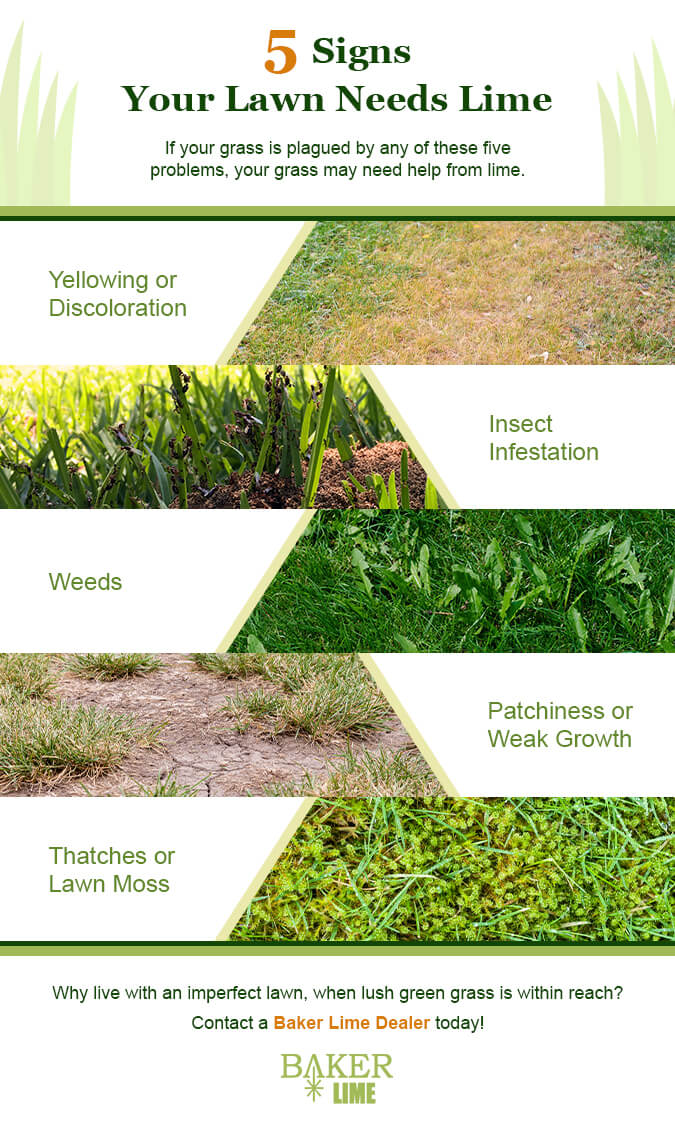
Image Source: www.bakerlime.com
Why Your Lawn Needs Lime
Your lawn’s soil can become acidic over time for several reasons:
- Natural Leaching: Rainfall and irrigation can wash away alkaline minerals from the soil.
- Fertilizer Use: Many nitrogen fertilizers can contribute to soil acidity.
- Organic Matter Decomposition: As organic materials break down, they can release acids.
When your soil is too acidic, it affects your grass in several ways:
- Nutrient Availability: Essential nutrients like phosphorus, potassium, and calcium become less available to the grass roots.
- Microbial Activity: Beneficial soil microbes, which help break down organic matter and release nutrients, are less active in acidic conditions.
- Aluminum Toxicity: In very acidic soils, aluminum can become more soluble, which is toxic to grass roots and can stunt growth.
- Weed and Moss Growth: Many weeds and mosses prefer acidic conditions and can outcompete your grass.
Determining Your Lawn’s pH
The first step in calculating lime for lawn application is to get a soil test. This is the most accurate way to know your lawn soil ph and whether lime is needed.
Getting a Soil Test
- Home Test Kits: These are readily available at garden centers. They are convenient but may not be as precise as professional lab tests.
- Cooperative Extension Office: Many local universities have agricultural extension offices that offer soil testing services. You’ll typically collect a soil sample according to their instructions and mail it in. They provide a detailed report, including your soil pH and recommendations for amendments, like lime.
How to Collect a Soil Sample:
- Sample from Multiple Areas: Don’t just test one spot. Collect samples from at least 5-10 different locations across your lawn, avoiding areas that are unusually wet or dry.
- Use a Clean Tool: Use a trowel or soil probe that is free from rust or contaminants.
- Collect at the Right Depth: For lawns, aim for a depth of about 3-4 inches.
- Mix Thoroughly: Combine all the collected soil samples in a clean bucket, mix them well, and then take a smaller representative sample to send for testing.
- Label Clearly: Include your name, address, and the type of grass you have.
What Does Soil pH Mean?
Soil pH is a measure of how acidic or alkaline your soil is. The pH scale ranges from 0 to 14.
- pH 7.0 is neutral.
- pH below 7.0 is acidic.
- pH above 7.0 is alkaline (or basic).
Most lawn grasses prefer a pH between 6.0 and 7.0. If your soil test shows a pH below 6.0, you likely need to apply lime. The lower the pH, the more lime you will need to raise it.
Types of Lawn Lime
There are several types of lime available for lawn use, each with slightly different properties and application rates. The most common types are:
Granular Lime
- Pulverized Limestone: This is ground limestone, which is readily available and effective. It’s often sold as “agricultural lime” or “garden lime.”
- Pelletized Lime: This is pulverized lime that has been processed into small pellets. It’s easier to handle and spread evenly, reducing dust. Pelletized lime often acts a bit slower than pulverized lime but is less messy.
Other Forms of Lime
- Dolomitic Lime: This type of lime contains both calcium and magnesium. If your soil test also indicates a deficiency in magnesium, dolomitic lime is a good choice.
- Calcitic Lime: This type of lime primarily provides calcium. Use this if your soil has sufficient magnesium levels.
- Hydrated Lime: This is a fast-acting but caustic form of lime. It’s generally not recommended for home lawns as it can easily burn grass if applied incorrectly.
- Burnt Lime (Quicklime): Similar to hydrated lime, this is very caustic and should be avoided for general lawn applications.
Choosing the Right Type:
For most lawn care purposes, pelletized limestone is a popular choice due to its ease of use and effectiveness. If you know you have a magnesium deficiency, opt for dolomitic lime. Always check the product label for specific application instructions.
How Much Lime to Apply: Calculating Your Lawn’s Needs
The lime application rate is determined by your soil test results. The report will typically provide recommendations for how much lime to apply per 1,000 square feet to achieve the desired pH change.
Key Factors to Consider:
- Current Soil pH: The lower your pH, the more lime is needed.
- Target Soil pH: What pH does your grass prefer?
- Soil Type: Clay soils generally require more lime than sandy soils to achieve the same pH change because they have a higher buffering capacity.
- Type of Lime: Different limes have varying levels of “neutralizing value” (NV). Pure calcium carbonate has an NV of 100. Dolomitic lime and calcitic lime will have NV values based on their calcium carbonate equivalent.
General Application Guidelines (Without a Soil Test)
If you haven’t had a soil test, you can use general guidelines, but this is less precise.
- For slightly acidic soil (pH 6.0-6.5): Apply about 2-3 pounds of pelletized lime per 100 square feet.
- For moderately acidic soil (pH 5.5-6.0): Apply about 4-5 pounds of pelletized lime per 100 square feet.
- For very acidic soil (pH below 5.5): You might need 6-10 pounds or more per 100 square feet, but it’s best to split this into two applications, spaced a few months apart.
Important Note: Never apply more than 10 pounds of lime per 100 square feet in a single application. Over-liming can cause more harm than good. If your soil test indicates a need for a larger amount, it’s best to split the application over several months or even a year.
How Much Lime for a Small Lawn?
To calculate how much lime for a small lawn, you first need to know its square footage. Measure the length and width of your lawn and multiply them to get the area.
Example: If your lawn is 20 feet wide and 30 feet long, its area is 600 square feet.
If your soil test recommends 5 pounds of lime per 100 square feet, you would calculate:
(600 sq ft / 100 sq ft) * 5 lbs/100 sq ft = 30 pounds of lime.
So, for this small lawn, you would need 30 pounds of lime.
Calculating Lime for Lawn Application
Let’s break down the calculation process:
- Determine your lawn’s square footage.
- Consult your soil test results. The report will typically state something like: “Apply X pounds of dolomitic limestone per 1000 square feet to raise pH.”
- Convert the recommendation to your lawn’s area.
- If your recommendation is per 1000 sq ft and your lawn is smaller, divide your lawn’s square footage by 1000 and then multiply by the recommended rate.
- If your recommendation is per 100 sq ft and your lawn is larger, divide your lawn’s square footage by 100 and then multiply by the recommended rate.
Example Calculation:
- Lawn Size: 5,000 sq ft
- Soil Test Recommendation: Apply 4 lbs of pelletized lime per 100 sq ft.
Calculation:
(5,000 sq ft / 100 sq ft) * 4 lbs/100 sq ft = 50 * 4 lbs = 200 lbs of lime.
You would need 200 pounds of lime for this 5,000 sq ft lawn.
When to Apply Lime to Your Lawn
The best time to lime lawn depends on your climate and when you want to see the most benefit.
Ideal Timing
- Fall: This is often considered the ideal time. The cool, moist conditions of fall allow the lime to start dissolving and reacting with the soil without stressing the grass. It also gives the lime time to work before the peak growing season.
- Early Spring: Applying lime in early spring, before new growth begins, is also a good option. This prepares the soil for the upcoming growing season.
Other Considerations
- Avoid Hot, Dry Weather: Applying lime during periods of high heat and drought can stress your lawn.
- Avoid Applying with Fertilizer: It’s generally recommended to wait at least a few weeks before or after applying fertilizer to avoid potential nutrient imbalances or reduced effectiveness.
- Avoid Application When Grass is Wet: This can cause the lime pellets to stick to the grass blades, potentially leading to burn spots. If you apply when the grass is dry and water it in afterward, you minimize this risk.
Applying Lime Correctly
Proper application is as important as knowing how much lime to use.
Tools for Application
- Broadcast Spreader: This is the most common and effective tool for applying lime evenly across your lawn. They can be hand-held, towed behind a lawn tractor, or walked behind.
- Drop Spreader: These spreaders apply lime in a narrower, more controlled band. They are useful for more precise application, especially in smaller or oddly shaped areas, but can be slower for larger lawns.
Using a Lime Spreader
- Calibrate Your Spreader: Most spreader manufacturers provide guidelines for setting the application rate. Calibrate your spreader based on the lime product you are using and the recommended application rate. This usually involves running the spreader at a specific setting for a short distance with a known amount of lime.
- Fill the Spreader: Do not overfill the hopper.
- Apply in Overlapping Passes: To ensure even coverage and avoid streaks or missed spots, set your spreader to apply about half the recommended rate and make passes in one direction. Then, make overlapping passes perpendicular to the first set, again applying half the rate. This criss-cross pattern ensures uniform distribution.
- Sweep Up Any Spilled Lime: If you spill lime on sidewalks, patios, or driveways, sweep it up immediately. Lime can stain concrete surfaces.
- Water the Lawn: After applying lime, lightly water your lawn. This helps wash the lime off the grass blades and into the soil, where it can start to work.
How Often Should You Lime Your Lawn?
The frequency of lime application depends on your soil’s pH and how quickly it becomes acidic again.
- If your soil is significantly acidic: You might need to apply lime every 1-2 years until the pH is in the optimal range.
- Once the pH is corrected: Maintenance applications of lime might be needed every 2-3 years, depending on your soil conditions and any contributing factors like fertilizer use.
Regular soil testing is the best way to monitor your lawn’s pH and determine if and when another application of lime is necessary.
Common Mistakes to Avoid
- Applying Too Much Lime at Once: This can lead to “over-liming,” which can lock up essential nutrients and harm your grass. Always follow soil test recommendations and never exceed 10 lbs per 100 sq ft in a single application.
- Skipping the Soil Test: Guessing your lime needs can lead to incorrect application rates, wasting money and potentially harming your lawn.
- Not Calibrating the Spreader: An uncalibrated spreader will lead to uneven application, resulting in areas with too much or too little lime.
- Applying Lime on Wet Grass: This can cause lime to stick to the grass blades, potentially leading to “burns.”
- Applying Lime During Hot, Dry Weather: This can stress an already struggling lawn.
Frequently Asked Questions (FAQ)
Q1: Can I lime my lawn in the summer?
While fall and early spring are ideal, you can apply lime in the summer if necessary. However, choose a cooler, overcast day and water the lawn thoroughly afterward to minimize stress on the grass. Avoid applying during periods of extreme heat or drought.
Q2: What happens if I put too much lime on my lawn?
Applying too much lime, known as over-liming, can raise the soil pH too high. This can lead to nutrient deficiencies by making certain essential nutrients, like iron and manganese, unavailable to the grass. It can also lead to fertilizer burn if applied with certain fertilizers. Symptoms might include yellowing grass or stunted growth.
Q3: How long does it take for lime to work on a lawn?
The speed at which lime works depends on the type of lime, soil moisture, and soil temperature. Granular lime needs to dissolve and react with the soil. It can take several weeks to a few months to see a noticeable change in soil pH. Consistent watering and favorable soil temperatures will speed up the process.
Q4: Should I water my lawn after applying lime?
Yes, it’s highly recommended to water your lawn after applying lime. This helps wash the lime off the grass blades and into the soil, where it can begin to work. Watering also helps activate the lime, making it more effective.
Q5: My soil test says my pH is too high (alkaline). Should I use lime?
No, if your lawn soil ph is already neutral or alkaline (above 7.0), you should not apply lime. Lime is used to raise the pH of acidic soil. If your soil is too alkaline, you might need to add other amendments like elemental sulfur to lower the pH, but this should also be done based on soil test recommendations.
Q6: What is the difference between agricultural lime and garden lime?
For most lawn care purposes, agricultural lime and garden lime are essentially the same. Both are typically ground limestone. The terms are often used interchangeably. The key is to check the product’s guaranteed analysis and ensure it’s suitable for lawn use.
Q7: How do I measure my lawn’s square footage?
Measure the length and width of your lawn. If it’s a rectangular or square shape, multiply the length by the width to get the total square footage. For irregularly shaped lawns, break them down into smaller, simpler shapes (rectangles, squares, triangles), calculate the area of each, and add them together.
Q8: Is it okay to mix lime with fertilizer?
It’s generally not recommended to mix lime and fertilizer in the same application. Some fertilizers, particularly ammonium sulfate, can react with lime and reduce the effectiveness of both. It’s best to apply them separately, with at least a few weeks between applications. Always read the product labels for specific advice.
By following these guidelines, you can effectively use lime to improve your lawn’s health, promote robust growth, and achieve that lush, green appearance you desire. Remember, a soil test is your best friend in this process!