
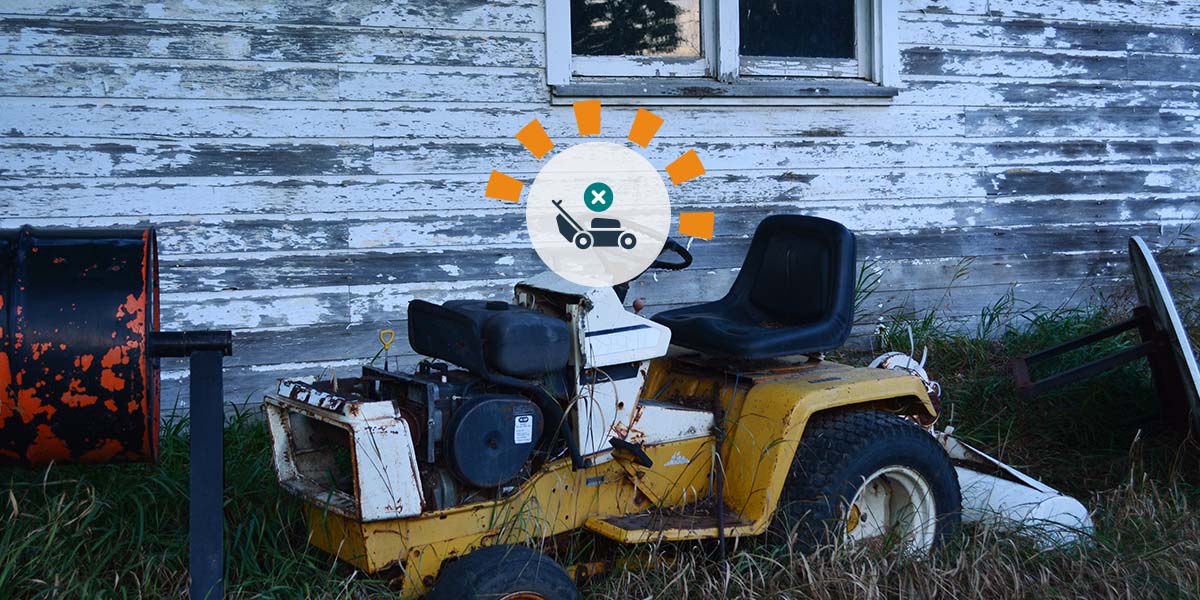
Image Source: dumpsters.com
How to Get Rid of Your Riding Lawn Mower Fast & Easy
Thinking about ditching your old riding lawn mower? Wondering how to get rid of it fast and easy? You can sell it, donate it, scrap it for parts, or have it hauled away as junk. This guide will walk you through all the best methods.
Owning a riding lawn mower is a big help for keeping large yards looking neat. But, like any piece of machinery, they eventually wear out or get replaced. When that time comes, you might be asking yourself, “How do I get rid of this big thing?” It’s not as simple as tossing a regular mower in the trash. You’ve got options, from making a bit of cash to giving it a new life through donation, or even just getting it out of your hair with junk removal. Let’s explore how to handle your lawn tractor disposal effectively.
Why You Might Need to Get Rid of Your Riding Mower
There are many reasons why you might be looking to part ways with your trusty lawn tractor. Maybe it’s broken down beyond repair, and the cost of fixing it is too high. Perhaps you’ve moved to a smaller property and no longer need such a large machine. Or, you might simply be upgrading to a newer, more efficient model with better features. Whatever your reason, knowing the best ways to get rid of it makes the process much smoother.
Selling Your Used Riding Lawn Mower
Selling a used mower can be a great way to recoup some of your investment. The key to a successful sale is knowing your mower’s mower resale value and presenting it well.
Preparing Your Mower for Sale
First impressions matter, even for machinery! A clean mower will always attract more buyers than a dirty one.
- Clean it Thoroughly: Wash the entire mower. Pay attention to the deck, engine, wheels, and seat. Remove any grass clippings, dirt, or oil. A good degreaser can work wonders on the engine.
- Check and Top Up Fluids: Ensure the oil, coolant (if applicable), and fuel levels are correct.
- Sharpen the Blades: Sharp blades cut grass cleanly and make the mower perform better. This is a significant selling point.
- Inspect for Obvious Issues: Note any minor problems like a loose bolt or a worn tire. You might want to fix these if the cost is low, or be upfront about them.
- Test Everything: Make sure the engine starts easily, the transmission works smoothly, the steering is responsive, and all lights and features are functional.
Determining Your Used Mower Prices
Research is crucial for setting a realistic price. Used mower prices can vary widely based on brand, age, condition, hours of use, and features.
- Online Marketplaces: Check sites like Craigslist, Facebook Marketplace, eBay, and specialized equipment sites (e.g., TractorHouse.com) to see what similar mowers are selling for. Look at both active listings and sold listings if available.
- Manufacturer and Model: Some brands hold their value better than others. High-end brands might command higher prices.
- Hours of Operation: Like a car, the hours on the mower’s meter are a good indicator of wear. Mowers with fewer hours will generally fetch more.
- Condition: A well-maintained mower in good working order will always sell for more than one that is rusted, damaged, or needs repairs.
Here’s a general idea of factors influencing used mower prices:
| Factor | Impact on Price | Notes |
|---|---|---|
| Brand | Higher for premium | John Deere, Cub Cadet often hold value better. |
| Age | Lower for older | Newer models are in higher demand. |
| Condition | Significantly higher | Excellent condition commands top dollar. |
| Hours Used | Lower for higher hours | Less than 500 hours is generally good. |
| Features | Higher for more | Hydrostatic transmission, power steering, mulching kits. |
| Maintenance | Higher if well-kept | Records of regular servicing add value. |
| Attachments | Higher with extras | Bagging systems, aerators, dethatchers can increase appeal. |
Where to Sell Your Riding Mower
- Online Marketplaces:
- Craigslist: Great for local sales, but be prepared for haggling and meeting strangers.
- Facebook Marketplace: Similar to Craigslist, with a larger user base and built-in buyer/seller reviews. You can also list in local gardening or equipment groups.
- eBay: Can reach a wider audience, but be prepared for shipping logistics or local pickup arrangements.
- Local Channels:
- Local Farm & Garden Stores: Some stores might have a bulletin board where you can post a “for sale” ad.
- Lawn Care Companies: Small businesses might be looking for used equipment.
- Word of Mouth: Let friends, neighbors, and family know you’re selling.
How to Sell a Riding Mower Effectively
- Write a Detailed Description: Include the make, model, year (if known), engine size, transmission type, deck size, and any features. Be honest about its condition and any known issues.
- Take High-Quality Photos: Good lighting and clear shots from multiple angles (front, back, sides, engine, deck, seat, tires) are essential.
- Be Responsive: Answer potential buyers’ questions promptly.
- Offer a Test Drive: Allow serious buyers to see the mower in action.
- Be Safe: When meeting buyers, choose a public or well-lit area if possible, or have someone with you.
Selling Used Mower: Negotiating and Transaction
Be prepared to negotiate on price. Decide beforehand what your lowest acceptable price is. When you agree on a price, decide on the payment method. Cash is often preferred for private sales. Ensure you have a bill of sale to document the transaction, including the mower’s VIN (if applicable), your contact information, the buyer’s information, the sale price, and the date.
Donating Your Riding Mower
If your mower isn’t worth much financially or you simply want to support a good cause, donate riding mower is an excellent option. Many charities can use a functional riding mower, or they can sell it to fund their programs.
Charities That Accept Riding Mowers
- Local Churches and Community Centers: These often maintain large grounds and might be able to use a functional mower.
- Habitat for Humanity ReStores: While they primarily sell building materials, some ReStores may accept large equipment if it can be sold to support their mission.
- Vocational Schools or Agricultural Programs: Schools with landscaping or agricultural departments might be thrilled to receive a mower for training purposes.
- Local Parks and Recreation Departments: Sometimes, municipal departments can use donated equipment for maintaining smaller parks.
- Veteran Organizations: Some groups may use equipment for their own facilities or sell it to fund programs for veterans.
How to Donate Riding Mower
- Call Ahead: Always contact the organization first to confirm they accept riding lawn mowers and to arrange a drop-off or pickup.
- Prepare the Mower: Even for donation, a clean mower is more appreciated. Ensure it’s in working order if possible.
- Get a Donation Receipt: Most charities will provide a receipt for your donation, which can be used for tax deductions. Be sure to get an itemized receipt that includes the mower’s make, model, and condition.
Scrap Your Riding Mower for Parts or Metal
If your riding mower is beyond repair and no one is interested in buying or donating it, scrap lawn mower is a viable option. You can either scrap it for its metal value or dismantle it for usable parts.
Dismantling for Parts
If you have some mechanical inclination, you can take the mower apart and sell the usable parts. This can sometimes fetch more than selling the entire unit as scrap.
- What to Salvage: Engine, transmission, wheels, tires, steering components, seat, blades, and any electronics.
- Where to Sell Parts: Online marketplaces (eBay, Craigslist, Facebook Marketplace) or local tractor repair shops.
- Safety First: Wear protective gear, including gloves and eye protection. Be careful with sharp blades and heavy components.
Selling as Scrap Metal
Even if the mower is completely unusable, the metal itself has value.
- Find a Local Scrap Yard: Search online for “scrap metal recycling near me” or “auto salvage yards that accept lawn mowers.”
- Prepare for Transport: You’ll likely need a trailer or a truck to haul the mower to the scrap yard.
- Drain Fluids: Before taking it to the scrap yard, it’s often required to drain all fluids, including oil, gasoline, and battery acid. Check with the scrap yard for their specific requirements.
- Separate Materials: Some scrap yards pay more if you separate different types of metals (e.g., steel, aluminum).
Costs and Considerations for Scrap
- Transport Costs: Factor in the cost of fuel and potential trailer rental.
- Scrap Prices: Metal prices fluctuate, so check current rates before you go.
- Regulations: Be aware of any local regulations regarding the disposal of hazardous materials like batteries or oil.
Junk Lawn Mower Removal Services
If you want the quickest and most hassle-free way to get rid of your riding mower, consider hiring a junk lawn mower removal service. These companies specialize in hauling away unwanted items.
How Junk Removal Services Work
- Get a Quote: Contact a few different services and provide details about your mower (make, model, condition, and location). They’ll usually give you a quote over the phone or online.
- Schedule Pickup: Once you agree on a price, schedule a convenient time for them to pick up the mower.
- The Pickup: The junk removal team will come to your property, load the mower onto their truck, and take it away.
- Disposal: Reputable services will ensure the mower is disposed of responsibly, often by taking it to a recycling center or a licensed landfill.
Benefits of Junk Removal
- Convenience: They do all the heavy lifting and transport.
- Speed: Often, they can pick up within a day or two.
- Eco-Friendly: Many services aim to recycle or donate items when possible.
Finding a Reputable Service
- Check Reviews: Look for online reviews and testimonials.
- Ask About Disposal Practices: Ensure they are environmentally conscious.
- Get Written Quotes: Always get quotes in writing to avoid surprises.
- National Chains vs. Local Companies: Both can be good options. National chains often have more streamlined booking, while local companies might offer more competitive pricing.
Lawn Mower Recycling
Lawn mower recycling is an environmentally responsible way to dispose of your old mower. Recycling centers can break down the mower and repurpose its metal and other components.
How Lawn Mower Recycling Works
- Local Recycling Centers: Many municipal waste management facilities or private recycling centers accept lawn mowers.
- Prepare the Mower: Similar to scrap yards, you may need to drain fluids and remove the battery. Call your local center to find out their specific requirements.
- Drop-off or Pickup: Some centers offer drop-off services, while others might have collection events or offer pickup for a fee.
Environmental Benefits of Recycling
- Conserves Resources: Recycling metal reduces the need to mine new ore.
- Reduces Landfill Waste: Keeps bulky items like riding mowers out of landfills.
- Prevents Pollution: Proper disposal prevents oil and fuel from contaminating soil and water.
Other Disposal Options for Lawn Tractor Disposal
Beyond the main methods, here are a few other less common but sometimes useful options:
Selling as Parts “As-Is”
If you don’t want to dismantle it yourself but know some parts are valuable, you can list it online for “parts only.” Buyers who need specific components will often purchase a whole mower knowing they’ll scrap the rest. Be very clear in your listing that it’s being sold for parts and is not operational.
Trade-In at a Dealer
When purchasing a new riding mower, some dealerships may offer a trade-in value for your old unit, even if it’s in poor condition. This is usually a modest amount, but it’s a convenient way to reduce the cost of your new purchase.
Listing with a “Free to Haul Away” Offer
If your primary goal is just to get rid of it, you can list it on Craigslist or Facebook Marketplace with the heading “FREE – Riding Mower – Must Haul Away.” Be prepared for many responses, and prioritize those who can pick it up quickly and have the means to transport it.
Frequently Asked Questions (FAQ)
Q1: Can I put a riding lawn mower in my regular trash?
A1: No, absolutely not. Riding lawn mowers are considered bulky waste and often contain hazardous fluids (oil, gasoline, battery acid) that require special disposal methods. They will not be picked up with regular trash collection.
Q2: How much can I expect to get for selling my used riding mower?
A2: This varies greatly. A well-maintained, newer mower might fetch several hundred to over a thousand dollars. An older, well-used mower might sell for $50-$200, or even just for scrap metal value if it’s in very poor condition. Using online marketplaces to check used mower prices for similar models is the best way to estimate.
Q3: Is it worth fixing my old riding mower or should I get rid of it?
A3: Consider the cost of repairs versus the cost of a replacement. If a major component like the engine or transmission needs replacement, it’s often more economical to buy a new or used mower. For minor issues, fixing might be worthwhile.
Q4: What if my riding mower doesn’t run?
A4: If it doesn’t run, selling it for parts, scrapping it for metal, or hiring a junk removal service are your most likely options. Donation might still be possible if the charity has a mechanic on hand or can sell it for parts themselves.
Q5: Do I need a title for my riding mower?
A5: Most riding lawn mowers do not require a title like a car does. However, some larger garden tractors that are street-legal might. It’s best to check your local Department of Motor Vehicles (DMV) or equivalent agency if you are unsure, especially if you plan to sell it to someone who might register it in a state with stricter requirements. For most private sales, a bill of sale is sufficient.
Q6: How do I safely remove the battery from my riding mower?
A6: Disconnect the negative (black) cable first, then the positive (red) cable. Use appropriate tools and wear gloves and eye protection. Batteries contain acid and can be heavy. Dispose of old batteries at an auto parts store or recycling center.
Q7: What are the environmental implications of not properly disposing of my riding mower?
A7: Improper disposal can lead to hazardous fluids leaching into the soil and groundwater, harming ecosystems and potentially contaminating drinking water sources. Metal components can also sit in landfills for decades. Lawn mower recycling and responsible disposal are crucial for environmental protection.
Getting rid of a riding lawn mower doesn’t have to be a chore. By weighing your options—whether it’s maximizing your return through selling used mower, contributing to a cause by deciding to donate riding mower, reclaiming space by using junk lawn mower removal, or being environmentally conscious with lawn mower recycling—you can find the perfect solution for your situation. A little preparation and research can make lawn tractor disposal a fast and easy process.