
The typical lifespan of a lawn mower spark plug is between 100 and 250 hours of use, or roughly 3-5 years for the average homeowner. However, this is just a general guideline, and the actual longevity can vary significantly based on several factors.
Keeping your lawn mower running smoothly requires regular maintenance, and one of the most crucial components to look after is the spark plug. This small but vital part ignites the fuel-air mixture in your engine, allowing your mower to cut grass. Neglecting your spark plug can lead to a host of problems, from difficulty starting to a complete engine failure. This guide will delve into the factors affecting lawn mower spark plug life, how to recognize signs of wear, and when it’s time for a replacement.
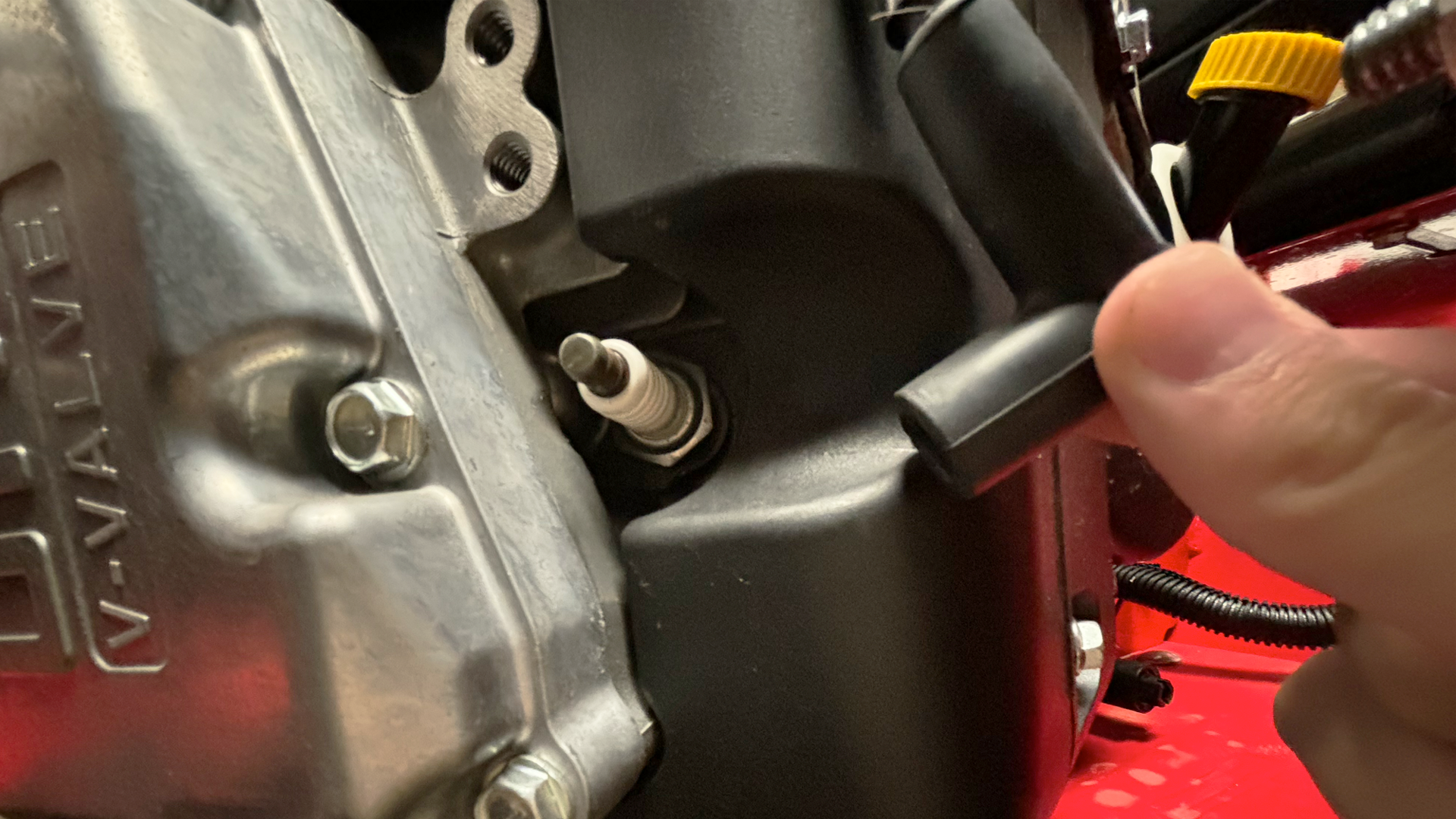
Image Source: blog.koenigequipment.com
The Role of the Spark Plug in Your Mower’s Engine
Before we discuss how long they last, it’s helpful to know what a spark plug does. The spark plug is a fundamental part of an internal combustion engine, like the one in your lawn mower. Its job is to deliver a high-voltage electrical spark at the precise moment needed to ignite the compressed fuel and air inside the engine’s cylinder. This controlled explosion pushes the piston, creating the power that turns the mower’s blades.
Think of it as the “lighter” for your mower’s engine. Without a strong, consistent spark, the fuel won’t ignite efficiently, or it might not ignite at all. This directly impacts how well your mower performs.
Factors Influencing Lawn Mower Spark Plug Life
Several elements contribute to the overall durability of a lawn mower spark plug. Understanding these can help you maximize its lifespan and avoid premature failure.
1. Quality of the Spark Plug
Not all spark plugs are created equal. High-quality spark plugs, often made with superior materials like platinum or iridium, tend to last longer and perform better than standard copper plugs.
- Copper Plugs: These are the most common and affordable. They provide a good spark but have a shorter lifespan.
- Platinum Plugs: These offer a more durable electrode and can last significantly longer than copper plugs.
- Iridium Plugs: These are the premium option, featuring an extremely hard and fine-tipped electrode that provides a strong spark and excellent longevity.
Choosing a reputable brand and a plug specifically designed for your mower’s engine is a wise investment for extending lawn mower spark plug life.
2. Engine Type and Design
The specific design and operating conditions of your lawn mower’s engine play a role.
- Two-Stroke vs. Four-Stroke Engines: Two-stroke engines often run hotter and can be a bit harsher on spark plugs compared to four-stroke engines. This can lead to slightly reduced lawn mower spark plug life.
- Engine Load and Operating Conditions: Consistently running your mower at full throttle or under heavy loads (like cutting very tall, wet grass) can put more stress on the spark plug, potentially shortening its lifespan.
3. Fuel Quality and Additives
The type of fuel you use and any additives can impact the spark plug’s performance and longevity.
- Ethanol Content: Fuels with high ethanol content can sometimes lead to deposits forming on the spark plug electrodes, affecting the spark’s quality.
- Fuel Additives: While some additives can clean the engine, others might leave residues that can foul the spark plug over time.
4. Maintenance Practices
Regular and proper lawn mower maintenance is key to extending the life of all its components, including the spark plug.
- Air Filter Condition: A clogged air filter can cause the engine to run rich (too much fuel, not enough air), leading to carbon buildup on the spark plug.
- Oil Changes: Using the correct oil and changing it at recommended intervals helps keep the engine running cleanly, which indirectly benefits the spark plug.
- Carburetor Adjustment: A properly adjusted carburetor ensures the optimal fuel-air mixture, preventing fouling of the spark plug.
5. Operating Environment
The conditions under which you use your mower also matter.
- Dusty or Sandy Environments: These can introduce abrasive particles into the engine, which might find their way to the spark plug, causing wear.
- High Humidity: While less common, extremely humid conditions can sometimes affect ignition systems, though this is usually a minor factor for spark plugs themselves.
Signs of a Failing Spark Plug
Knowing when to replace your lawn mower spark plug is crucial. Fortunately, there are several telltale signs that indicate your spark plug is nearing the end of its service life or is failing. Recognizing these symptoms early can save you from more significant engine problems.
Difficulty Starting the Mower
This is one of the most common indicators. If your mower is struggling to turn over, or you have to pull the starter rope multiple times before it catches, a fouled or worn spark plug could be the culprit.
Rough Engine Idling or Misfiring
A healthy engine runs smoothly. If your mower’s engine is sputtering, hesitating, or sounds like it’s running unevenly, especially at low speeds or when starting, the spark plug might not be igniting the fuel consistently.
Reduced Power and Performance
If you notice your mower isn’t cutting as effectively as it used to, or it seems to lack its usual power, a weak spark from a dirty or worn plug can be the reason. The engine isn’t getting the full combustion it needs to operate at peak performance.
Increased Fuel Consumption
When the spark plug isn’t delivering an optimal spark, the engine has to work harder to produce power. This inefficiency often translates to increased fuel consumption. If you find yourself refueling more often than usual for the same amount of mowing, a spark plug issue might be contributing.
Visible Wear or Damage on the Spark Plug
The most direct way to check is to physically inspect the spark plug. This involves carefully removing the spark plug from the engine and examining its electrode.
What to Look For During Inspection:
- Carbon Fouling: A black, sooty, or powdery deposit on the electrode tip indicates that the fuel-air mixture is too rich or that oil is entering the combustion chamber.
- Oil Fouling: Oily deposits on the electrode suggest that oil is leaking into the combustion chamber, perhaps due to worn piston rings or valve seals.
- Ash Deposits: Light brown or whitish deposits can result from fuel additives or oil burning. Excessive ash can insulate the electrode, preventing a strong spark.
- Electrode Erosion: Over time, the metal on the electrode will wear away. If the gap between the electrodes becomes too wide, the spark will be weaker.
- Cracked Insulator: The white ceramic insulator can crack due to overheating or physical shock, allowing the spark to escape before reaching the electrode.
Spark Plug Replacement Frequency: When is it Time?
Determining the exact spark plug replacement frequency for your lawn mower can be tricky as it’s not a fixed schedule for every mower. The average lifespan of a lawn mower spark plug is often cited between 100 and 250 operating hours. However, for many homeowners who only mow their lawn a few times a season, this can translate to several years.
It’s often more practical to think in terms of spark plug wear lawn mower symptoms rather than a strict time or hour limit.
Recommended Replacement Schedule
While you can rely on the signs of failure, a proactive approach to lawn mower maintenance spark plugs is always beneficial. Many manufacturers recommend checking or replacing the spark plug annually, especially before the start of the mowing season. This is a good habit to get into to ensure reliable performance.
Based on Operating Hours
If you use your mower extensively for a large property, commercial landscaping, or other demanding tasks, keeping track of operating hours becomes more relevant. Consult your mower’s owner’s manual for specific recommendations. A good rule of thumb is to consider replacement after every 100-150 hours of use, even if you don’t observe obvious symptoms. This proactive replacement is part of good lawn mower engine spark plug life management.
When to Replace Lawn Mower Spark Plug Immediately
- If you notice any of the signs of a failing spark plug mentioned earlier, it’s best to replace it as soon as possible.
- If the spark plug is visibly damaged, fouled, or heavily eroded, do not attempt to clean and reuse it. A new plug is inexpensive insurance against engine trouble.
How to Change a Lawn Mower Spark Plug
Changing a lawn mower spark plug is a relatively straightforward maintenance task that most homeowners can perform themselves. Proper procedure ensures safety and prevents damage to the engine.
What You’ll Need:
- New Spark Plug: Ensure it’s the correct type and gap for your mower model. Check your owner’s manual.
- Spark Plug Wrench or Socket: This is a special socket with a rubber insert to grip the spark plug.
- Rag or Compressed Air: For cleaning around the spark plug hole.
- Gapping Tool (Optional): If the new plug needs its gap adjusted.
- Gloves: For clean handling.
Step-by-Step Guide:
- Ensure the Engine is Cool: Never work on a hot engine. Let the mower sit for at least 15-20 minutes after use.
- Disconnect the Spark Plug Wire: Gently pull the boot of the spark plug wire off the plug. Do not pull on the wire itself.
- Clean Around the Spark Plug Hole: Before removing the plug, use a rag or compressed air to clear any dirt, grass clippings, or debris from around the spark plug base. This prevents these contaminants from falling into the engine cylinder.
- Remove the Old Spark Plug: Place the spark plug wrench over the old plug. Turn it counter-clockwise to loosen and remove it.
- Inspect the Old Plug (Optional): If you’re troubleshooting, examine the old plug for signs of wear or fouling.
- Check the New Spark Plug’s Gap: Most new plugs come pre-gapped, but it’s always wise to verify. Use a gapping tool to ensure the distance between the electrodes matches your mower’s specifications (found in the owner’s manual).
- Install the New Spark Plug: Carefully thread the new spark plug into the cylinder by hand, turning it clockwise. This prevents cross-threading. Once it’s hand-tight, use the spark plug wrench to tighten it another half to three-quarters of a turn. Do not overtighten, as this can damage the cylinder head.
- Reconnect the Spark Plug Wire: Push the spark plug wire boot firmly back onto the new spark plug until it clicks into place.
- Test the Mower: Start your lawn mower to ensure it runs smoothly.
Maximizing Your Mower Spark Plug Durability
Beyond regular replacement, there are practices you can adopt to ensure your mower spark plug durability is as good as it can be.
Use the Correct Spark Plug
Always refer to your lawn mower’s owner’s manual for the specific spark plug model recommended by the manufacturer. Using the wrong type can lead to poor performance and premature failure.
Maintain a Clean Engine Compartment
Regularly clear grass clippings, dirt, and debris from around the engine. This prevents anything from being drawn into the combustion chamber and fouling the spark plug.
Regular Air Filter Maintenance
A clean air filter ensures your engine receives adequate air for proper combustion. A clogged air filter can lead to a rich fuel mixture, causing the spark plug to foul more quickly. Check and clean or replace your air filter according to your owner’s manual’s recommendations.
Use High-Quality Fuel
While not always feasible for everyone, using fresh, good-quality fuel with a lower ethanol content can contribute to a cleaner burn and less deposit buildup on the spark plug.
Proper Storage
If you store your mower for extended periods (like over winter), it’s a good idea to either drain the fuel tank and run the engine dry or add a fuel stabilizer. This helps prevent fuel degradation, which can leave deposits. Some people also choose to remove and clean or replace the spark plug before storage.
Avoid Over-Lubrication
Be careful not to over-lubricate your engine during oil changes or greasing. Excessive oil can find its way into the combustion chamber, leading to oil fouling of the spark plug.
Frequently Asked Questions (FAQ)
Q1: How often should I replace my lawn mower spark plug?
A1: For most homeowners, checking the spark plug annually and replacing it every 1-3 years or 100-250 operating hours is a good practice. It’s best to replace it if you notice any performance issues.
Q2: Can I clean a fouled spark plug instead of replacing it?
A2: You can clean minor carbon fouling using a wire brush and a cleaning solvent. However, if the plug is heavily fouled, oil-fouled, or shows signs of electrode erosion or physical damage, replacement is recommended for optimal lawn mower engine spark plug life.
Q3: What happens if I don’t replace my spark plug?
A3: If you don’t replace a worn or fouled spark plug, you may experience difficulty starting your mower, rough idling, reduced power, increased fuel consumption, and potentially more serious engine damage over time. This directly impacts mower spark plug durability.
Q4: What is the best type of spark plug for a lawn mower?
A4: While copper plugs are standard, platinum or iridium plugs generally offer better lawn mower spark plug life and performance due to their advanced electrode materials. Always check your owner’s manual for the manufacturer’s recommendation.
Q5: How do I know if my spark plug is bad?
A5: Signs of a bad spark plug include difficulty starting, rough engine operation, misfires, loss of power, and increased fuel use. Visual inspection of the plug for fouling, erosion, or damage will also confirm its condition. Paying attention to spark plug wear lawn mower symptoms is key.
Conclusion
The spark plug might be a small component, but its health is critical for your lawn mower’s performance and longevity. By understanding the factors that influence lawn mower spark plug life, recognizing the signs of wear, and adhering to a sensible spark plug replacement frequency, you can ensure your mower starts easily, runs efficiently, and serves you well for years to come. Proactive lawn mower maintenance spark plugs are an essential part of keeping your equipment in top shape. Don’t wait for your mower to falter; inspect and replace your spark plug as part of your routine maintenance to guarantee a beautifully cut lawn every time.