
Can you keep birds from eating garden seeds? Yes, you can effectively keep birds from eating your garden seeds by employing a combination of physical barriers, deterrents, and garden management techniques. This comprehensive guide will delve into various strategies, helping you achieve successful seed germination and protect your precious young plants.
Gardening is a rewarding activity, but it can be frustrating when birds decide your freshly sown seeds are a delightful snack. These feathered friends, while beautiful, can decimate a seedbed in a matter of hours. Fathoming the reasons behind this behavior is the first step to implementing effective solutions. Birds are often looking for easy meals, and tiny, exposed seeds are prime targets. They also seek out tender, emerging seedlings for moisture and nutrients. Fortunately, there are numerous bird deterrents and seed protection methods you can utilize to safeguard your garden.
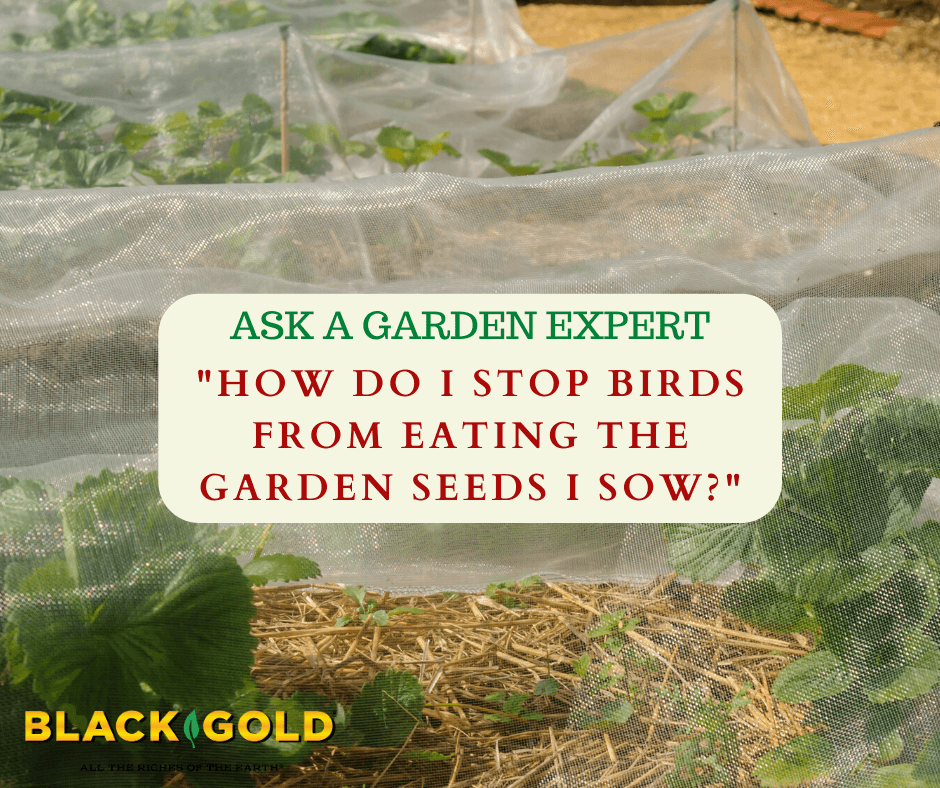
Image Source: blackgold.bz
Why Birds Love Your Seeds
Birds are opportunistic eaters. Your garden presents a buffet of readily available food sources. Here’s a closer look at why they target your seeds and seedlings:
- Nutritional Value: Seeds are packed with energy and nutrients, making them an attractive food source for birds, especially during breeding seasons when they need extra sustenance for their young.
- Easy Access: Freshly sown seeds, especially those left exposed on the soil surface, are incredibly easy for birds to find and consume.
- Moisture Content: Emerging seedlings offer moisture, which is crucial for birds, particularly in dry weather.
- Tender Growth: The delicate nature of young seedlings makes them a tender and easily digestible meal.
- Instinctive Foraging: Birds have natural foraging instincts, and a garden brimming with potential food will naturally draw them in.
Physical Barriers: The First Line of Defense
Physical barriers are often the most reliable way to prevent birds from reaching your seeds and delicate seedlings. These methods create a physical blockade that birds cannot penetrate.
Netting for Plants: Creating a Protective Canopy
One of the most effective bird deterrents is using netting. Netting for plants acts as a physical barrier, preventing birds from accessing your seeds and seedlings while still allowing sunlight and rain to reach them.
Types of Bird Netting
- Mesh Size: The crucial factor in selecting bird netting is the mesh size. For small seeds and delicate seedlings, a finer mesh (¼ inch to ½ inch) is ideal to prevent even smaller birds and larger insects from getting through. Larger mesh sizes are suitable for protecting established plants from larger birds.
- Material: Bird netting is typically made from plastic, nylon, or polyethylene. These materials are durable and resistant to UV damage.
- Application Methods:
- Over Raised Beds: You can create a hoop structure using PVC pipes or garden stakes and drape the netting over it, securing the edges firmly to the ground. This forms a protective tunnel or cage.
- Individual Plant Covers: For specific plants or small patches, you can create individual covers by attaching netting to stakes or cages around the plants.
- Floating Row Covers: While primarily for insect control, some floating row covers with a fine mesh can offer a degree of protection against birds as well.
Installing Bird Netting for Vegetable Gardens
When installing bird netting for vegetable gardens, ensure it is taut and securely anchored. Gaps or loose areas can allow birds to enter.
- Secure the Edges: Bury the edges of the netting a few inches into the soil or weigh them down with rocks, bricks, or soil. This prevents birds from getting underneath.
- Avoid Tangling: Ensure the netting is not so tight that it restricts plant growth or so loose that it becomes a hazard to wildlife. Birds can get tangled in loosely hung netting.
- Consider Height: If using hoops, ensure there is adequate height to allow plants to grow without pushing against the netting.
Row Covers and Cloches: Shielding Young Growth
Row covers and cloches are excellent for protecting seedlings from birds in their most vulnerable early stages.
- Floating Row Covers: Lightweight, permeable fabric laid directly over seedlings or supported by hoops. They offer protection from birds and insects while allowing light, water, and air to pass through.
- Cloches: These are individual protective covers, often bell-shaped, made from glass, plastic, or wire mesh. They shield individual plants from birds and create a mini-greenhouse effect, promoting early growth. Ensure any cloches with openings are secured to prevent birds from entering.
Cages and Barriers: Fortifying Your Garden Beds
Building physical cages or barriers around your seed beds is another robust method.
- Wire Mesh Cages: Construct cages from chicken wire, hardware cloth, or other sturdy wire mesh. These can be built to encompass entire beds or individual rows.
- Bamboo or Wooden Structures: Create frames from bamboo poles or wood and stretch netting or wire mesh over them. This provides a more aesthetically pleasing and durable solution.
- Edible Bird Barriers: While not a physical barrier in the traditional sense, planting certain “sacrificial” plants around your valuable crops can sometimes distract birds. For example, planting a patch of sunflowers away from your garden might draw birds’ attention. However, this method is less reliable for seed protection.
Bird Deterrents: Discouraging Your Feathered Visitors
Beyond physical barriers, various deterrents can make your garden less appealing to birds. These methods aim to scare or confuse them, making them seek food elsewhere.
Visual Deterrents: Confusing and Scaring Birds
Birds are often startled by sudden movements or unusual objects. Exploiting this can be an effective strategy.
- Shiny Objects:
- Aluminum Foil Strips: Hanging strips of aluminum foil from stakes or branches can create flashing reflections that deter birds.
- Old CDs/DVDs: Suspend old CDs or DVDs in your garden. Their reflective surfaces can disorient birds.
- Shiny Tape: Specialized bird-repellent tape that rustles and flashes in the wind is also available.
- Scarecrows and Decoys:
- Traditional Scarecrows: While classic, their effectiveness can wane as birds get accustomed to them. Move them around periodically.
- Predator Decoys: Decoys of owls, hawks, or snakes can be effective, especially if they are moved regularly to mimic real movement. Ensure they are placed in visible locations.
- Colored Flags or Ribbons: Brightly colored flags or ribbons that flutter in the wind can also startle birds.
Auditory Deterrents: Making Noise
Sound can be a powerful deterrent, though its effectiveness depends on the type of sound and the bird species.
- Wind Chimes: Gentle wind chimes might attract some birds, but louder, metallic chimes can be more off-putting.
- Noise-Making Devices: There are electronic devices that emit ultrasonic sounds or distress calls of birds. These can be effective but may also affect beneficial birds or even pets. Use them judiciously.
- Banging Pots or Pans: A quick bang on a pot or pan can scare away birds temporarily.
Scent-Based Deterrents: Unpleasant Smells
Some scents are believed to repel birds. While less scientifically proven for seed protection, they can be used in conjunction with other methods.
- Chili Pepper Sprays: Birds generally don’t taste spicy foods. A spray made from cayenne pepper or hot sauce diluted in water can be sprayed on surfaces (not directly on seeds, as this could affect germination) or leaves. Reapply after rain.
- Garlic or Onion Sprays: Strong scents like garlic or onion are sometimes suggested as deterrents.
Garden Management: Creating a Less Appealing Environment
How you manage your garden space can also play a role in keeping birds out of seed beds.
Prompt Cleanup and Removal
- Clear Fallen Seeds: Don’t leave spilled seeds or fallen fruits scattered around your garden. Birds will readily find and eat them.
- Remove Weeds: Weeds can provide hiding places for birds and also harbor insects that attract them.
Companion Planting
Certain plants are thought to deter birds due to their strong scent or appearance.
- Marigolds: Their strong scent is believed to repel some pests and birds.
- Onions and Garlic: Planting these around your seed beds might offer a scent-based deterrent.
Watering Practices
- Watering Early or Late: Water your garden early in the morning or late in the evening. This is when birds are often less active and can reduce their need to peck at seedlings for moisture during the hottest parts of the day.
Specific Scenarios and Solutions
Let’s consider some common gardening situations and the best ways to protect your seeds.
Protecting Newly Sown Seeds in Open Beds
When sowing seeds directly into open beds, the seeds are most vulnerable before they germinate and are covered by soil.
- Cover with Soil: Ensure seeds are sown at the correct depth according to package instructions. A thin layer of soil is your first layer of protection.
- Use a Fine Mesh Netting: Drape fine mesh bird netting over the entire bed, securing it firmly. This is one of the most effective methods for newly sown seeds.
- Apply Mulch: A thin layer of mulch, such as straw or compost, can help conceal seeds and make them harder for birds to find. However, ensure the mulch is not too thick, which could hinder germination.
Safeguarding Seedlings from Birds
Once seedlings emerge, they are tender and attractive to birds.
- Row Covers: Floating row covers are excellent for young seedlings, providing protection while allowing light and water.
- Cloches: Protect individual plants with cloches.
- Netting Tunnels: Create tunnels over rows of seedlings using hoops and netting.
- Netting for Plants: If you have established plants that attract birds (like berry bushes), ensure the netting covers them completely without any gaps.
Bird-Proof Gardening for Specific Crops
Some crops are particularly attractive to birds.
- Berries: Berry bushes are a favorite. Encasing bushes in bird netting is essential as the fruit ripens. Ensure the netting is fine enough to prevent birds from pecking at the fruit.
- Sunflowers: If you want to harvest sunflower seeds, you’ll need to protect the heads as they mature. Covering the heads with fine mesh bags or netting can work.
- Vegetables: Many vegetables, from lettuce to peas, can be targeted by birds, especially when young. Bird netting for vegetable gardens is a common and effective solution.
Combining Methods for Maximum Effectiveness
The most successful bird-proof gardening strategies often involve a multi-pronged approach. Combining physical barriers with visual or auditory deterrents can significantly increase your success rate.
Example Combination Strategy:
- Initial Sowing: Sow seeds at the correct depth and cover with a light layer of mulch.
- Post-Sowing Protection: Immediately drape fine-mesh bird netting over the area, anchoring it securely.
- Seedling Stage: As seedlings emerge, ensure the netting remains in place. Consider adding shiny deterrents like CDs on stakes around the perimeter of the netted area for added effect.
- Mature Plants: For plants like berries that are highly susceptible, ensure netting remains until harvest.
What Not To Do
Some commonly suggested methods are either ineffective or potentially harmful.
- Watering with Spicy Sprays Directly on Seeds: While spicy sprays can deter birds from eating foliage, applying them directly to seeds can harm germination.
- Overly Aggressive Deterrents: Avoid methods that could harm birds or other wildlife, such as sticky traps or poisons. Bird-friendly gardening aims to coexist with nature.
- Allowing Gaps in Netting: Birds are clever and will exploit any entry points. Ensure your barriers are complete.
Table: Summary of Bird Protection Methods
| Method | Effectiveness (Seeds) | Effectiveness (Seedlings) | Pros | Cons |
|---|---|---|---|---|
| Fine Mesh Bird Netting | Very High | Very High | Highly effective, allows light/water | Can be costly, requires proper installation, can entangle wildlife if not careful |
| Floating Row Covers | High | High | Lightweight, permeable, doubles as insect protection | May not withstand strong winds, can be damaged easily |
| Cloches | High | High | Protects individual plants, promotes early growth | Limited coverage, can be fragile |
| Wire Mesh Cages/Barriers | Very High | Very High | Durable, long-lasting, robust protection | Can be expensive, labor-intensive to build, can be unsightly |
| Shiny Objects (CDs, Foil) | Moderate | Moderate | Cheap, easy to implement | Birds can get accustomed to them, less effective on their own |
| Predator Decoys | Moderate | Moderate | Can be effective, visually startling | Birds can get used to them, need to be moved frequently |
| Companion Planting (Scent) | Low | Low | Natural, can have other garden benefits | Generally unreliable as a primary deterrent |
| Spicy Sprays (on foliage) | N/A | Moderate | Can deter birds from eating leaves | Needs frequent reapplication, can affect beneficial insects |
Frequently Asked Questions (FAQ)
How can I protect my sunflower seeds from birds?
To protect sunflower seeds, cover the developing seed heads with fine mesh bags or bird netting before the seeds fully mature. Ensure the covering is secure to prevent birds from pecking through.
What is the best way to keep birds out of a vegetable garden?
The most effective way to keep birds out of a vegetable garden is to use physical barriers like netting for plants or row covers. Combining these with visual deterrents can enhance protection.
Can I use edible bird barriers to protect my seeds?
While some gardeners use “edible bird barriers” like planting sacrificial crops elsewhere, their effectiveness for seed protection is generally low. They may distract some birds but won’t provide comprehensive protection for your valuable seedbeds.
Is it harmful to birds to use netting?
Netting itself is not harmful if installed correctly. However, loose or damaged netting can pose a risk of entanglement for birds and other small animals. Always ensure netting is taut, secure, and free of holes or loose threads, and check it regularly.
How often do I need to replace bird deterrents?
The lifespan of bird deterrents varies. Shiny objects like CDs or foil may need to be repositioned or replaced after windy or rainy weather. Decoys may lose effectiveness over time as birds habituate. Physical barriers like netting are generally durable for several seasons if cared for properly.
By implementing these researched and effective methods, you can significantly improve your chances of successful germination and enjoy a bountiful harvest, free from the ravages of hungry birds. Happy gardening!