
The number of amps a lawn mower battery has is crucial for understanding its power and runtime. Generally, battery-powered mowers use batteries that output between 20 to 80 volts, and their amperage (Amp-hours or Ah) can range from 2 Ah to 5 Ah or even higher for more powerful models. This guide will delve into the specifics of lawn mower battery amperage, helping you decipher the power behind your electric mower.
When you’re looking at a battery powered mower amps are a key metric. They tell you how much energy the battery stores. Think of amps like the size of a gas tank. A bigger tank means you can go further. For a lawn mower, more amps (measured in Amp-hours or Ah) mean more runtime. You want to know this to make sure the mower can finish your lawn on a single charge.
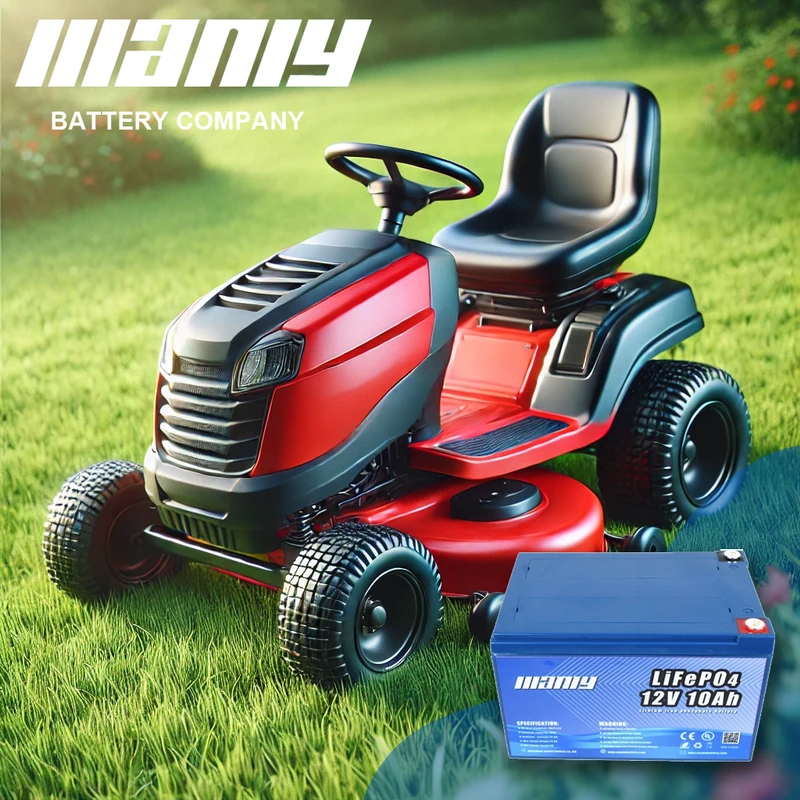
Image Source: manlybattery.com
Deciphering Lawn Mower Amps: What They Mean for Your Mower
The term “amps” when talking about lawn mower batteries usually refers to Amp-hours (Ah). This is a measure of electrical charge. It tells you how much current a battery can deliver over a certain period. For instance, a 4.0 Ah battery can theoretically supply 4 amps of current for one hour, or 2 amps for two hours, and so on.
This mower battery capacity directly impacts how long you can mow your lawn. A higher Ah rating means the battery can power the mower for a longer time before needing a recharge. This is especially important if you have a large yard or thick grass that requires more power.
Lawn Mower Battery Voltage: The Power Source
While Ah tells you about runtime, lawn mower battery voltage indicates the sheer power the battery can deliver. You’ll commonly see voltages like 18V, 40V, 60V, 80V, or even higher for commercial-grade electric mowers.
- Lower Voltage (e.g., 18V, 20V): Typically found in smaller, lighter mowers designed for compact lawns. They offer good maneuverability but may have less power for tougher tasks.
- Mid-Voltage (e.g., 40V, 60V): These are the sweet spot for many homeowners. They offer a good balance of power and runtime for medium-sized yards and varied grass conditions.
- Higher Voltage (e.g., 80V and up): These batteries provide the most power and longest runtime, often comparable to gas-powered mowers. They are ideal for larger properties, hilly terrain, or very thick grass.
The voltage and amperage work together. A higher voltage means the mower can spin its blades faster and with more force, while a higher Ah rating means it can sustain that power for longer.
Electric Lawn Mower Amperage: More Than Just a Number
When we talk about electric lawn mower amperage, we’re really talking about the battery’s capacity to store and deliver energy. This is often expressed as Amp-hours (Ah).
Here’s a breakdown of what different Ah ratings typically mean for a battery powered mower amps:
| Ah Rating | Typical Runtime (Minutes) | Best For |
|---|---|---|
| 2.0 Ah | 20-30 | Small yards (under 1/4 acre) |
| 3.0 Ah | 30-45 | Medium yards (1/4 – 1/2 acre) |
| 4.0 Ah | 40-60 | Larger yards (1/2 acre) |
| 5.0 Ah+ | 50+ | Very large yards, tough grass, demanding use |
Note: Runtime is an estimate and can vary based on grass type, height, density, terrain, and battery condition.
Understanding Lawn Mower Amps: The Relationship with Watt-hours
Sometimes you might see Watt-hours (Wh) mentioned alongside Amp-hours. Watt-hours are a more direct measure of the total energy a battery can store.
Watt-hours (Wh) = Voltage (V) × Amp-hours (Ah)
For example, a 40V, 4.0Ah battery has 160 Wh of energy. A 60V, 4.0Ah battery has 240 Wh of energy. This means the 60V battery stores 50% more energy and will likely provide longer runtime, assuming the mower is designed to utilize that extra power efficiently.
Best Lawn Mower Battery Amps: Finding the Right Fit
The best lawn mower battery amps for you depends entirely on your lawn’s size and your mowing habits.
- For small, flat lawns: A mower with batteries in the 2.0 Ah to 3.0 Ah range might be sufficient. You might even get away with a single battery if your yard is very small.
- For medium-sized yards with some inclines or thicker grass: Look for batteries in the 4.0 Ah to 5.0 Ah range. Many mowers in this category come with two batteries, allowing you to swap them out for continuous mowing.
- For large properties or challenging conditions: You’ll want higher voltage batteries (60V or 80V) and higher Ah ratings (5.0 Ah and up). Consider models that allow for dual battery systems for maximum runtime.
It’s also worth noting that some brands offer interchangeable battery systems. This means a battery you use for your lawn mower might also power your string trimmer, leaf blower, or hedge trimmer. This can be a cost-effective solution if you’re investing in a brand’s ecosystem.
Lawn Mower Battery Requirements: What to Look For
When choosing a new electric mower or replacement batteries, consider these lawn mower battery requirements:
- Voltage (V): Higher voltage generally means more power.
- Amp-hours (Ah): Higher Ah means longer runtime.
- Battery Type: Most modern electric mowers use Lithium-ion (Li-ion) batteries due to their high energy density, longer lifespan, and lighter weight compared to older lead-acid batteries.
- Charge Time: How quickly does the battery recharge? Some fast chargers can replenish a battery in under an hour.
- Compatibility: If you already own tools from a particular brand, check if the mower batteries are compatible with those tools.
- Number of Batteries: Some mowers come with one battery, while others include two. Two batteries are essential for larger yards if you want to mow without interruption.
Corded vs. Battery Lawn Mower Amps: A Power Comparison
When comparing corded vs. battery lawn mower amps, it’s important to understand that corded mowers don’t have batteries in the same sense. They draw power directly from an electrical outlet via an extension cord.
- Corded Mowers:
- Pros: Unlimited runtime as long as you’re connected to power. Generally lighter and less expensive upfront.
- Cons: Limited by cord length, can be cumbersome to maneuver around obstacles, risk of cutting the cord, and the power delivery is consistent but not as “bursty” as some battery systems.
- Battery Mowers:
- Pros: Freedom of movement, no fuel to buy or store, quieter operation, lower emissions, and increasingly powerful.
- Cons: Limited runtime by battery capacity, batteries can be expensive to replace, and charging takes time.
The “amps” in a corded mower’s context relate to the amperage drawn from the outlet, which dictates the power delivered to the motor. However, it’s not directly comparable to the Ah rating of a battery, which is a measure of stored energy and discharge rate.
Battery Powered Mower Amps: The Technology Behind the Power
Modern battery powered mower amps are primarily driven by Lithium-ion technology. These batteries offer several advantages:
- High Energy Density: They can store a lot of energy in a relatively small and light package.
- Low Self-Discharge Rate: They lose their charge slowly when not in use.
- No Memory Effect: You don’t need to fully discharge them before recharging, unlike older battery technologies.
- Consistent Power Output: They tend to deliver consistent power throughout their discharge cycle.
The specific output of these batteries is determined by their cell configuration and the battery management system (BMS) that controls charging, discharging, and temperature.
Fathoming Battery Capacity: Beyond the Numbers
While Ah is a good indicator, it’s not the only factor determining performance. The mower battery capacity also relates to:
- Discharge Rate (C-Rating): Some batteries can deliver their rated capacity quickly, while others are designed for slower, steady discharge. For a lawn mower, a higher discharge rate (indicated by a higher C-rating) is generally better for handling the demanding startup and mowing loads.
- Battery Chemistry: While most are Li-ion, there are different types (e.g., Lithium Iron Phosphate – LiFePO4) with varying characteristics.
- Temperature: Battery performance can be affected by extreme heat or cold.
Lawn Mower Battery Charging: Keeping Your Mower Ready
Lawn mower battery charging is a critical aspect of owning an electric mower. Most Li-ion batteries come with a charger.
- Standard Chargers: These might take 1-3 hours to fully charge a battery.
- Fast Chargers: Some manufacturers offer fast chargers that can significantly reduce charging time, sometimes to under an hour for a full charge.
Tips for Battery Charging:
- Always use the charger supplied by the manufacturer.
- Avoid charging in extreme temperatures.
- Store batteries in a cool, dry place.
- Don’t leave batteries on the charger indefinitely after they are full, although modern chargers have trickle charging capabilities.
Lawn Mower Battery Lifespan: Maximizing Your Investment
The lawn mower battery lifespan is typically measured in charge cycles. A charge cycle is one full discharge and recharge. Most high-quality Li-ion batteries can last for 500 to 1000 charge cycles, or even more.
Factors affecting lawn mower battery lifespan:
- Frequency of Use: More frequent use means more charge cycles over time.
- Depth of Discharge: Regularly draining the battery completely can shorten its life compared to partial discharges.
- Charging Habits: Improper charging can degrade the battery.
- Storage Conditions: Storing batteries in extreme temperatures can damage them.
- Mowing Conditions: Mowing very thick, wet grass puts more strain on the battery, potentially leading to faster degradation over the long term.
Interpreting Lawn Mower Amps: A Quick Recap
Let’s summarize the key takeaways for understanding lawn mower amps:
- Amps (Ah) measure a battery’s capacity, determining runtime.
- Voltage (V) determines the power output of the mower.
- Watt-hours (Wh) provide a combined measure of energy (V x Ah).
- Choose batteries with Ah ratings that match your lawn’s size and your mowing needs.
- Li-ion batteries are the standard for modern electric mowers.
What Are the Best Lawn Mower Battery Amps?
The best lawn mower battery amps are those that match your specific lawn size and grass conditions. For most homeowners with average-sized yards (up to 1/2 acre), batteries in the 4.0 Ah to 5.0 Ah range offer a good balance of runtime and power. For larger properties or tougher mowing jobs, aim for higher Ah ratings and potentially higher voltage batteries.
Can I Use a Battery with a Different Amp Rating?
Generally, you can use a battery with a higher Ah rating than your mower originally came with. This will simply give you longer runtime. However, using a battery with a lower Ah rating will result in shorter runtimes. Always ensure the voltage of the replacement battery matches the mower’s requirements. Using a battery with an incorrect voltage can damage the mower.
How Many Amps Does a Typical Battery Powered Mower Use?
A typical battery powered mower doesn’t “use” a constant number of amps in the way a corded appliance does. Instead, the battery supplies amps as needed by the motor. The electric lawn mower amperage draw will fluctuate depending on the resistance it encounters (e.g., thick grass, slopes). The battery’s Ah rating indicates its capacity to supply current over time, not its constant draw.
Frequently Asked Questions (FAQ)
Q1: How do I know what kind of battery my lawn mower needs?
Always check your lawn mower’s owner’s manual. It will specify the required voltage and recommended Amp-hour (Ah) range for the batteries. Using incompatible batteries can damage your mower.
Q2: Will a higher Ah battery make my mower more powerful?
A higher Ah battery will not necessarily make your mower more powerful in terms of blade speed or torque. Power is primarily determined by voltage and the motor’s design. However, a higher Ah battery will allow your mower to maintain its peak power for a longer duration, thus providing a longer runtime.
Q3: What happens if I use a lower voltage battery?
Using a lower voltage battery than what your mower requires can result in significantly reduced performance and could potentially damage the mower’s electronics, as the motor will not receive the intended power.
Q4: How long should a lawn mower battery last?
A well-maintained Lithium-ion lawn mower battery typically lasts between 3 to 5 years, or around 500 to 1000 charge cycles. Proper charging, storage, and avoiding extreme conditions will help maximize its lifespan.
Q5: Is it okay to leave the battery in the mower when not in use?
It’s generally best to remove the battery from the mower and store it separately in a cool, dry place, especially for extended periods of non-use. This prevents accidental discharge and protects the battery. Check your owner’s manual for specific recommendations.
Q6: How do I check the health of my lawn mower battery?
Some modern batteries have an indicator light or a button to check the charge level. For a more in-depth check, you can use a multimeter to measure the battery’s voltage, though this is not a definitive indicator of its overall health or capacity. Some manufacturers also have companion apps that can provide battery health diagnostics.