
Can you cover exposed tree roots in your lawn? Yes, you absolutely can, and it’s often a good idea for both the health of your tree and the appearance of your yard. Exposed roots can be unsightly, create tripping hazards, and even be damaged by lawn equipment. Fortunately, there are several safe and effective ways to manage and conceal them, turning a potential problem into an attractive landscape feature. This guide will delve into how to cover exposed tree roots in your lawn safely, offering practical solutions for mulching exposed tree roots, covering tree roots with soil, and other effective tree root repair and management techniques.
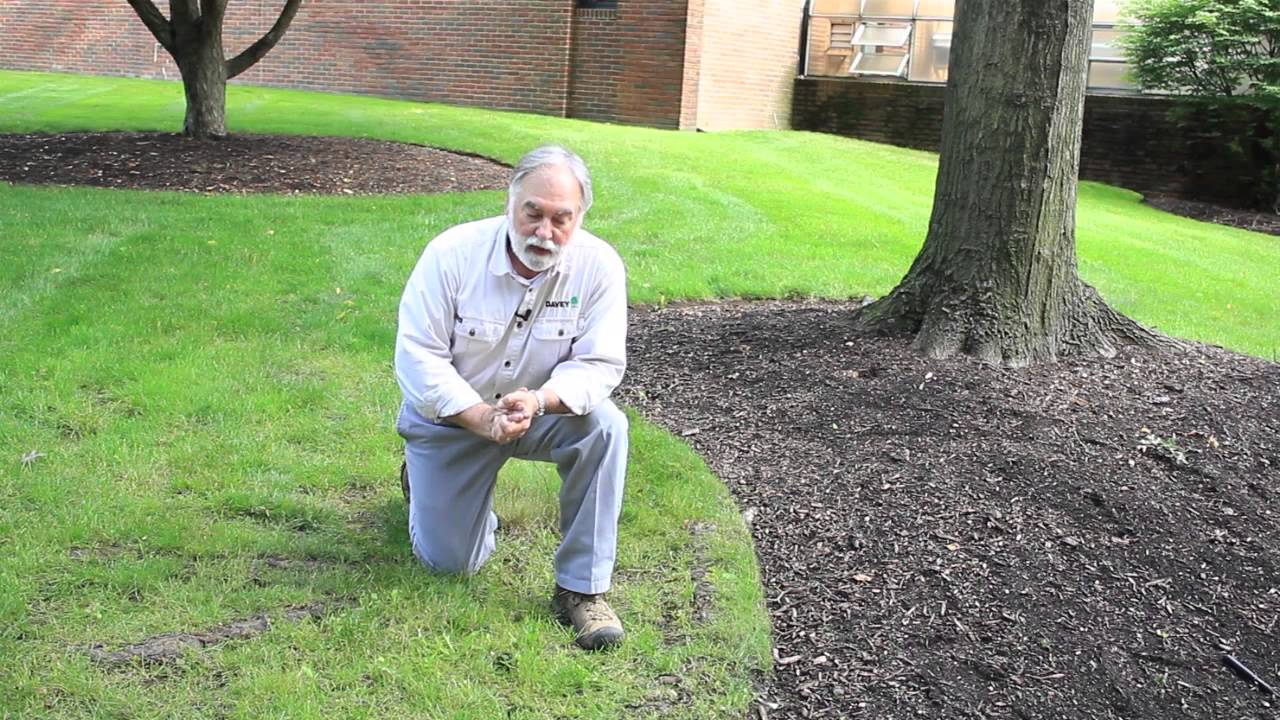
Image Source: i.ytimg.com
Why Tree Roots Become Exposed
Before we explore how to cover them, it’s helpful to understand why tree roots might become exposed in the first place.
Natural Growth Patterns
As trees mature, their root systems expand outward and often upward to find nutrients and water. In some cases, especially with shallow-rooted species or on sloping ground, these roots can naturally surface.
Lawn Care Practices
- Excessive Aeration: Frequent or aggressive aeration can disturb the soil around the base of a tree, bringing shallow roots closer to the surface.
- Shallow Mowing: Mowing too close to the tree trunk can damage the bark and the roots just beneath the surface.
- Compacted Soil: Heavy foot traffic or the use of heavy machinery in the root zone can compact the soil, hindering root growth downwards and encouraging surface growth.
Environmental Factors
- Erosion: Wind and water can gradually wash away soil, exposing roots over time, particularly on slopes.
- Drought: During dry periods, trees may extend roots closer to the surface in search of moisture.
- Construction and Landscaping: Digging or grading around a tree can damage or sever roots, leading to further exposure and instability.
Safely Covering Exposed Tree Roots: Key Principles
The primary goal when covering exposed tree roots is to do so without harming the tree. Roots need to breathe, and suffocating them with the wrong materials or excessive depth can be detrimental.
Protecting Tree Roots: What to Avoid
- Deep Burial of the Root Flare: The area where the trunk widens into the root system (the root flare) must remain exposed to air. Burying this area can lead to rot and disease.
- Excessive Soil: Piling too much soil over the entire root system can suffocate the fine feeder roots that absorb water and nutrients.
- Heavy, Impermeable Materials: Avoid using materials like plastic sheeting or thick layers of non-porous mulch that prevent air and water exchange.
- Compacting the Soil: Applying new soil or mulch should be done gently to avoid compacting the existing root zone.
Methods for Covering Exposed Tree Roots
There are several effective strategies for addressing exposed tree roots, ranging from simple mulching to more involved landscape design.
1. Mulching Exposed Tree Roots: The Gentle Approach
Mulching exposed tree roots is often the simplest and most beneficial method. Mulch helps retain moisture, suppress weeds, regulate soil temperature, and gradually decompose to enrich the soil.
Choosing the Right Mulch
- Organic Mulches: Wood chips, shredded bark, compost, pine needles, and leaf mold are excellent choices. They break down over time, adding nutrients to the soil.
- Avoid: Avoid dyed mulches or mulches that are too fine (like pure peat moss in thick layers), as these can sometimes impede water and air flow. Also, steer clear of rocks or gravel directly over roots, as they can overheat the roots and don’t offer the same benefits.
How to Apply Mulch
- Depth: Apply mulch in a layer of 2-4 inches. This depth is sufficient to cover most exposed roots and provide benefits without suffocating them.
- Distance from Trunk: Crucially, keep the mulch a few inches away from the tree trunk. This “mulch-free collar” prevents moisture from accumulating around the bark, which can lead to rot and fungal diseases. Create a doughnut shape, not a volcano.
- Even Distribution: Spread the mulch evenly over the exposed roots and the surrounding area. If the roots are quite thick, you can gently build up the mulch around them, ensuring it doesn’t pile too high against the trunk.
Table 1: Benefits of Organic Mulch for Exposed Roots
| Benefit | Description |
|---|---|
| Moisture Retention | Reduces evaporation, keeping soil moist. |
| Temperature Regulation | Insulates roots from extreme heat and cold. |
| Weed Suppression | Blocks sunlight, preventing weed seeds from germinating. |
| Soil Improvement | Decomposes over time, adding organic matter and nutrients. |
| Erosion Control | Protects soil from being washed away by rain or wind. |
| Aesthetic Improvement | Creates a neat and tidy appearance, concealing unsightly roots. |
2. Covering Tree Roots with Soil: A Measured Approach
While covering tree roots with soil is possible, it requires more caution than mulching. The key is to add only a modest amount of soil and to ensure it’s well-draining.
When is Adding Soil Appropriate?
- Minor Exposure: If only small sections of roots are barely showing.
- Sloping Areas: To help prevent further erosion on hillsides.
- Creating a Smoother Lawn: To fill in slight undulations caused by surfacing roots.
What Kind of Soil to Use
- Loamy Soil: A mix of sand, silt, and clay is ideal, providing good drainage and aeration.
- Compost-Enriched Soil: Adding compost to your soil mix will improve its structure and fertility.
- Avoid: Heavy clay soils that retain too much moisture can be problematic.
How to Apply Soil Safely
- Depth: Add soil in thin layers, no more than 1-2 inches at a time. Allow the soil to settle and water it in.
- Gradual Buildup: If you need to add more soil, wait a few weeks or even months before adding another thin layer. This allows the tree to adapt and prevents shocking the root system.
- Root Flare: Again, ensure the root flare remains uncovered.
- Drainage: If covering a larger area or a significant root, ensure the new soil integrates well with the existing soil and doesn’t create a basin that collects water. Good drainage is paramount.
- Lawn Care Integration: If you are covering roots to smooth the lawn for mowing, ensure the new soil level is consistent with the surrounding lawn to avoid damaging mower blades.
Table 2: Soil Addition Considerations
| Factor | Recommendation |
|---|---|
| Soil Depth | Maximum 1-2 inches per application. |
| Frequency | Gradual addition over time; allow settling and adaptation. |
| Soil Type | Loamy, well-draining soil, preferably with compost. |
| Root Flare | Must remain exposed to air. |
| Drainage | Ensure new soil does not create water-collecting depressions. |
| Compaction | Avoid compacting the soil around the roots. |
3. Landscape Design for Tree Roots: Creative Solutions
Sometimes, the best approach to landscape design for tree roots involves working with the roots rather than trying to completely hide them. This can lead to unique and attractive garden features.
Raised Garden Beds for Trees
One of the most effective raised garden beds for trees involves creating a slightly elevated planting area around the tree.
- Construction: Build low retaining walls (using bricks, stone, timber, or landscape blocks) around the tree’s drip line or a portion of it.
- Filling: Fill the bed with a good quality topsoil and compost mix.
- Benefits: This visually defines the area, hides exposed roots, adds visual interest, and allows for improved soil conditions without burying the root flare. It also helps protect the roots from lawn equipment.
Planting Around Exposed Roots
You can strategically plant groundcovers, perennials, or shrubs in the area around exposed roots.
- Groundcovers: Low-growing, spreading plants like Vinca minor (periwinkle), Pachysandra, or hostas can soften the look of exposed roots and help hold the soil.
- Perennials: Plants like ferns, heucheras, or astilbes thrive in shade and can add color and texture.
- Shrubs: Small to medium-sized shrubs can be planted slightly away from the trunk, their foliage camouflaging the roots.
- Considerations:
- Root Competition: Choose plants that won’t overly compete with the tree for water and nutrients.
- Watering Needs: Select plants with similar watering requirements to the tree.
- Planting Depth: Be careful not to plant too deeply, which could harm the tree’s roots.
Rock Gardens and Mulch Beds
Creating a dedicated mulch bed or a small rock garden around the base of the tree can be an attractive way to manage exposed roots.
- Mulch Bed: A well-maintained mulch bed, as described earlier, is a classic and effective solution.
- Rock Garden: Incorporating decorative rocks and gravel, interspersed with drought-tolerant plants, can create a naturalistic look. Ensure rocks are placed to allow for airflow and don’t trap excessive moisture.
4. Tree Root Repair and Management: When Issues Arise
In some cases, exposed roots might indicate underlying problems or require more specific tree root repair and tree root management.
Addressing Damaged Roots
- Identify the Cause: If roots are exposed due to recent excavation or damage, try to identify the cause.
- Clean Cuts: If roots have been cut cleanly (e.g., by a shovel), they may heal on their own.
- Damaged Sections: For jagged or severely damaged sections, gently prune them back to a smooth edge using sharp, clean pruning tools. This promotes cleaner healing.
- Mulching: After pruning, apply a layer of mulch to protect the exposed area and aid recovery.
Tree Root Control: Preventing Future Problems
- Root Barriers: For new plantings or areas where root encroachment is a concern (e.g., near foundations), root barriers can be installed. These are physical barriers, often made of heavy plastic or fabric, buried vertically in the soil to redirect root growth downwards. This is more about tree root control for future growth rather than covering existing exposed roots.
- Proper Watering: Consistent, deep watering encourages roots to grow deeper, reducing the likelihood of surface exposure. Avoid frequent shallow watering, which promotes shallow root systems.
- Avoid Soil Compaction: Protect the root zone from heavy traffic and machinery.
Aesthetic Tree Root Solutions
The goal of aesthetic tree root solutions is to make the exposed roots a feature rather than a flaw.
- Sculptural Mulching: Create artistic patterns with mulch around the roots.
- Incorporating Features: Use low, naturalistic rocks or decorative wood pieces to complement the root structure.
- Lighting: Strategic up-lighting can highlight the unique shapes of exposed roots at night, turning them into a focal point.
Lawn Care for Exposed Roots: Adjusting Your Routine
Lawn care for exposed roots requires some adjustments to your regular practices.
Mowing
- Mower Height: Raise your mower’s cutting height to avoid hitting any slightly raised roots.
- Edging: Use a string trimmer or edger with caution around exposed roots. Consider a protective border (like small rocks or wood chips) where the lawn meets the root zone to prevent accidental damage.
- Alternative to Mowing: Consider converting the area around the tree into a mulch bed or a planted area to eliminate mowing altogether in that zone.
Watering
- Deep and Infrequent: Water deeply to encourage roots to grow down. Avoid frequent, light watering that keeps roots near the surface.
- Targeted Watering: Ensure water reaches the root zone, especially during dry spells. Mulch helps retain this moisture.
Fertilizing
- Avoid Direct Application: Do not apply fertilizers directly onto exposed roots. If fertilizing is necessary, apply it to the entire lawn area according to soil test recommendations, ensuring it doesn’t build up around the trunk.
- Slow-Release: Use slow-release fertilizers to prevent sudden growth spurts that might encourage more shallow root development.
Frequently Asked Questions About Covering Exposed Tree Roots
Q1: Will covering exposed roots hurt my tree?
Answer: Covering exposed roots can hurt your tree if done improperly. The key is to avoid burying the root flare (where the trunk widens into the roots) and to not add excessive amounts of soil or mulch that suffocate the roots. Gentle, shallow additions of organic mulch or thin layers of soil are generally safe and beneficial.
Q2: How deep can I cover tree roots with soil?
Answer: It’s best to add soil in very thin layers, no more than 1-2 inches at a time, and only if necessary. Never cover the root flare. Excessive soil depth can suffocate roots by limiting oxygen and water penetration. Mulch is a safer option for adding a bit of cover.
Q3: Can I put rocks on exposed tree roots?
Answer: Small, decorative rocks or gravel can be used sparingly in a landscape design to complement exposed roots, but they should not be used as a primary covering material. Avoid piling rocks thickly, as they can trap heat and moisture, potentially harming the roots, and they don’t offer the soil-enriching benefits of organic mulch. Ensure there’s still airflow.
Q4: What is the best material to cover exposed tree roots?
Answer: The best material is typically organic mulch, such as wood chips, shredded bark, or compost. Apply it in a 2-4 inch layer, keeping it a few inches away from the trunk. It protects the roots, retains moisture, and improves soil over time.
Q5: How do I deal with large, exposed roots that are tripping hazards?
Answer: For significant tripping hazards, consider a combination of approaches. You can gently build up mulch around the base of the root, creating a smoother transition. Alternatively, you could construct a low, attractive raised bed or planter around the root area, filling it with soil and planting groundcovers or decorative plants. In some cases, carefully trimming a very minor, potentially damaging root might be considered, but this should be done with extreme caution or by a professional arborist.
Q6: Is it okay to leave roots exposed?
Answer: Leaving roots exposed is generally not ideal. While some roots may naturally surface, excessive exposure can make them vulnerable to damage from lawn equipment, foot traffic, drying out, or extreme temperatures. It can also be a tripping hazard and detract from your lawn’s appearance. Covering them safely with mulch or through thoughtful landscaping is usually recommended.
By following these guidelines, you can effectively and safely cover exposed tree roots in your lawn, enhancing both the health of your trees and the beauty of your landscape. Remember to always prioritize the tree’s well-being, focusing on methods that allow for proper air and water exchange to the root system.