
Can you spread wood ash on your lawn? Yes, you absolutely can, and when done correctly, it can significantly improve your lawn’s health. Spreading wood ash on your lawn can be a beneficial practice for several reasons, primarily acting as a natural soil amendment. It can help to raise the pH of acidic soil, making essential nutrients more available to your grass. It also contains valuable minerals that can contribute to greener, more resilient turf. This guide will walk you through everything you need to know about applying wood ash to grass effectively and safely.
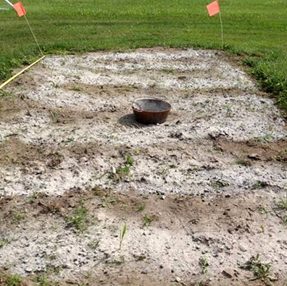
Image Source: hort.extension.wisc.edu
The Science Behind Wood Ash for Your Lawn
Wood ash, a byproduct of burning organic materials like wood, is not just waste; it’s a treasure trove of beneficial compounds for your soil. When wood burns, many of the minerals present in the tree remain in the ash. These minerals, when introduced to your lawn, can have a profound impact on grass health and soil vitality.
What’s in Wood Ash?
- Calcium Carbonate: This is the primary component of wood ash, making it an excellent lime alternative for lawns. Calcium carbonate helps to neutralize soil acidity.
- Potassium: Essential for plant growth, potassium aids in water regulation, disease resistance, and overall plant vigor.
- Phosphorus: Crucial for root development and flowering, phosphorus contributes to a strong foundation for your grass.
- Magnesium: An important component of chlorophyll, magnesium is vital for photosynthesis, leading to greener grass.
- Micronutrients: Wood ash also contains smaller amounts of essential micronutrients like iron, manganese, zinc, and copper, which play vital roles in various plant functions.
How Wood Ash Affects Soil pH
Most lawns thrive in a slightly acidic to neutral soil pH range (around 6.0 to 7.0). However, many soils, especially in certain regions or after prolonged use of certain fertilizers, can become too acidic. Acidic soil locks up essential nutrients, making them unavailable to your grass roots, even if they are present in the soil. This can lead to stunted growth, yellowing grass, and increased susceptibility to pests and diseases.
This is where wood ash for acidic soil comes into play. The calcium carbonate in wood ash acts as a liming agent. When applied to the soil, it reacts with the acids, effectively raising the pH. By adjusting the pH levels in soil, wood ash makes nutrients like nitrogen, phosphorus, and potassium more accessible to your grass, promoting healthier and more vigorous growth.
Wood Ash Benefits for Soil and Grass
The wood ash benefits extend beyond just pH adjustment. As a wood ash fertilizer, it provides a slow-release source of essential minerals.
- Improved Nutrient Availability: As mentioned, neutralizing acidity unlocks existing soil nutrients.
- Enhanced Root Development: The presence of phosphorus and calcium supports robust root systems, making grass more drought-tolerant and resilient.
- Increased Disease Resistance: Potassium helps strengthen plant tissues and improve overall plant health, making the grass less prone to fungal diseases and other stressors.
- Greener, Thicker Turf: Magnesium and other micronutrients contribute to healthy chlorophyll production, resulting in a more vibrant green color and denser turf.
- Natural Soil Amendment: Unlike synthetic fertilizers, wood ash is a natural product, offering an eco-friendly approach to lawn care.
- Improved Soil Structure: Over time, the minerals in wood ash can contribute to better soil aggregation and drainage.
When and Why to Apply Wood Ash to Your Lawn
The decision to apply wood ash should be based on your lawn’s specific needs. The best time to apply wood ash is generally during the dormant seasons – late fall or early spring. This allows the ash to integrate into the soil before the active growing season begins.
Assessing Your Lawn’s Needs
Before you start spreading ash, it’s crucial to determine if your lawn actually needs it.
- Soil Testing: The most accurate way to know if your soil is acidic is through a soil test. You can purchase DIY soil test kits or send a sample to your local cooperative extension office for professional analysis. A test will reveal your soil’s pH and nutrient levels. If your soil pH is below 6.0, applying wood ash to grass can be beneficial.
- Observing Your Grass: If your grass appears thin, weak, has a yellowish hue, or is prone to moss growth (which often indicates acidic soil), it might benefit from liming.
The Role of Wood Ash as a Lime Alternative
In many cases, wood ash can serve as an effective lime alternative for lawns. While agricultural lime (calcium carbonate or dolomitic lime) is commonly used to raise soil pH, wood ash offers a natural and nutrient-rich option. However, it’s important to note that wood ash is generally less concentrated in calcium than agricultural lime, and its effectiveness can vary depending on the type of wood burned and the ash’s composition.
Table 1: Wood Ash vs. Agricultural Lime for pH Adjustment
| Feature | Wood Ash | Agricultural Lime |
|---|---|---|
| Primary Benefit | pH adjustment, nutrient supply | Primarily pH adjustment |
| Key Nutrient | Calcium, Potassium, Phosphorus, Mg | Primarily Calcium, Magnesium (in dolomitic) |
| Acidity Neutralizer | Calcium Carbonate | Calcium Carbonate or Dolomitic Lime |
| Release Rate | Slow release | Relatively fast release |
| Application Rate | Lower, as it’s less concentrated | Higher, depending on soil needs |
| Source | Byproduct of wood burning | Mined mineral |
| Eco-friendliness | High, repurposes waste | Moderate |
How to Use Wood Ash on Garden Areas
While this guide focuses on lawns, the principles for using wood ash in garden beds are similar. It can be incorporated into vegetable gardens to improve soil pH and provide nutrients. However, always test your garden soil first.
Safe Application of Wood Ash: A Step-by-Step Guide
Safe application of wood ash is paramount. Over-application or incorrect application can harm your lawn. Here’s how to do it right:
Step 1: Prepare Your Wood Ash
- Source Your Ash: Use ash from clean, untreated hardwood (like oak, maple, or fruit trees). Avoid ash from pine or softwood, as it can be more acidic. Crucially, never use ash from treated lumber, painted wood, or particleboard, as these can release toxic chemicals into your soil. Also, avoid ash from charcoal briquettes, as they contain additives.
- Cool It Down: Ensure the ash is completely cool and free of any burning embers.
- Sieve the Ash: For even distribution, it’s best to sift the ash through a screen (like a hardware cloth or an old window screen) to remove larger chunks of unburned wood or debris.
Step 2: Determine the Right Amount
This is perhaps the most critical step. Applying wood ash to grass should be done sparingly.
- General Guideline: A common recommendation is no more than 20-50 pounds of wood ash per 1,000 square feet per year. For lawns with very acidic soil (pH below 5.5), you might apply this amount once in the fall and again in the spring. For slightly acidic soil, a single application might suffice every 1-2 years.
- Soil Test Results are Key: If your soil test indicates a need for liming, follow the recommendations provided by the test. If your soil is already neutral or alkaline, avoid applying wood ash altogether.
- Start Small: If you’re unsure, it’s always best to start with a lighter application and observe the results.
Step 3: Timing Your Application
- Dormant Seasons: The best times are late fall after the grass has stopped growing but before the ground freezes, or in early spring before the grass starts its active growth cycle.
- Dry Weather: Apply ash on a dry, calm day. Wind can cause the ash to blow away, leading to uneven distribution and potential irritation. Avoid applying ash when rain is imminent, as excessive moisture can cause it to clump and wash away.
Step 4: Spreading the Ash
There are several methods for spreading wood ash:
- By Hand (for small areas): For smaller lawns, you can carefully sprinkle the ash by hand. Wear gloves and a dust mask to avoid inhalation.
- Broadcast Spreader: This is the most effective and even method for larger lawns.
- Calibrate your spreader: Adjust the settings according to the amount of ash you want to apply per 1,000 square feet. It might take some trial and error to find the right setting.
- Fill the spreader: Load the sieved ash into the spreader.
- Walk at a consistent pace: Move across your lawn in a pattern that ensures even coverage, typically in overlapping passes.
- Shovel and Rake (for very small amounts): For very light applications, you can use a shovel to scatter small amounts and then rake it to ensure it’s spread evenly.
Step 5: Post-Application Care
- Watering (Optional but helpful): Lightly watering your lawn after application can help the ash settle into the soil and start the process of pH adjustment. However, avoid over-watering, which can cause nutrients to leach.
- Monitor Your Lawn: Keep an eye on your grass over the next few weeks and months. Look for signs of improvement, such as greener color and increased density. If you notice any negative effects, discontinue application.
Precautions and What to Avoid
While wood ash fertilizer can be beneficial, improper use can lead to problems.
Over-Application Risks
- Alkalinity Burn: Too much wood ash can raise the soil pH too high, making nutrients unavailable and potentially burning the grass.
- Nutrient Imbalance: While ash contains beneficial minerals, an excessive amount can lead to an imbalance, potentially hindering the uptake of other essential nutrients.
- Salt Buildup: In some cases, high concentrations of certain minerals in ash can lead to salt buildup in the soil, which is detrimental to grass.
What Not to Do
- Do not apply ash to lawns that are already alkaline (pH above 7.0).
- Do not use ash from treated, painted, or composite wood products.
- Do not apply ash to wet soil or during windy conditions.
- Do not apply ash directly around the base of trees or shrubs, as it can be too concentrated and burn their roots. Spread it evenly across the lawn.
- Do not apply ash directly to the grass blades in large clumps; it should be spread thinly.
- Do not apply ash to lawns recently treated with other liming products without consulting a professional or soil test results.
Common Questions About Using Wood Ash
What is the best type of wood to burn for lawn ash?
Hardwoods like oak, maple, ash (ironically!), and fruitwoods are generally preferred. They produce ash with a more beneficial mineral content and less acidity compared to softwoods like pine or fir.
Can I use ash from my fireplace or wood stove?
Yes, as long as you are using ash from clean, untreated hardwood. Ensure all embers are completely extinguished and the ash is cool before collecting and storing it.
How often should I apply wood ash?
This depends entirely on your soil’s pH. If your soil is acidic, you might apply it once in the fall and again in the spring. For slightly acidic soil, once every 1-2 years might be sufficient. Always rely on soil test results rather than a fixed schedule.
Will wood ash kill weeds?
Wood ash doesn’t directly kill weeds. However, by improving your lawn’s health and density through proper pH and nutrient levels, you create a more competitive environment that can naturally suppress weed growth. Healthy, thick grass crowds out weeds.
Is wood ash safe for pets and children?
Once the ash is cool and has been spread thinly, it is generally safe. However, it’s a good idea to keep pets and children off the lawn for a day or two after application until it has settled into the soil. Avoid letting pets ingest large quantities of ash.
Can I mix wood ash with other fertilizers?
It’s generally best to avoid mixing wood ash directly with other fertilizers, especially nitrogen-based ones, as it can cause a chemical reaction that reduces the effectiveness of both. Apply them at different times.
What if my soil test shows my lawn is alkaline?
If your soil pH is already neutral (7.0) or alkaline, you should not apply wood ash. Applying it would further increase the alkalinity, making it harder for your grass to absorb nutrients. In this case, you might consider applying elemental sulfur to lower the pH, but this should be done with caution and based on specific soil test recommendations.
Advanced Lawn Care with Wood Ash
For the dedicated lawn enthusiast, lawn care with wood ash can be a nuanced practice.
Combining with Other Amendments
Once you’ve established your lawn’s pH needs through soil testing, you can strategically use wood ash. For instance, if your soil is acidic but also low in organic matter, you might combine a light application of wood ash with a topdressing of compost. The ash addresses the pH, while the compost improves soil structure and fertility.
Monitoring Grass Health Over Time
Consistent monitoring is key to successful lawn care with wood ash. Keep a simple log of when you apply ash, how much, and observe the changes in your lawn’s appearance and vigor. This will help you refine your application strategy. Look for:
- Color: Is the green richer and more uniform?
- Density: Is the turf thicker and more resistant to foot traffic?
- Weed Pressure: Are weeds becoming less prevalent?
- Disease Incidence: Is the grass less susceptible to common lawn diseases?
Understanding the Limitations
While wood ash fertilizer offers benefits, it’s not a magic bullet. It’s a soil amendment that complements a comprehensive lawn care program. It won’t fix problems caused by poor mowing practices, over-watering, or severe pest infestations. Always address the root cause of lawn issues.
Conclusion: A Natural Boost for a Healthier Lawn
Spreading wood ash on your lawn can be a remarkably effective and eco-friendly way to improve soil health and promote vibrant grass growth, especially if you have acidic soil. By understanding the composition of wood ash, its impact on soil pH, and following safe application of wood ash guidelines, you can harness its potential as a valuable wood ash fertilizer. Remember, the cornerstone of successful lawn care with wood ash is always a soil test. This simple step ensures you’re providing your lawn with exactly what it needs, turning a common byproduct into a powerful tool for a greener, healthier lawn. Embrace this natural approach and watch your grass thrive.