
Generally, you should wait at least 24 hours after applying most lawn treatments before watering. This waiting period allows the product to effectively absorb into the soil or plant, ensuring it works as intended and doesn’t get washed away.
Your lawn is a living system, and like any living thing, it needs the right care to thrive. Proper watering is a cornerstone of healthy lawn maintenance. However, when you’ve just applied treatments like weed killers, fertilizers, or pest control, the question of how long after lawn treatment can I water becomes crucial. Watering too soon can diminish the effectiveness of these treatments, while waiting too long might stress your grass. This guide will help you navigate the complexities of post-treatment watering, ensuring your lawn gets the best of both worlds: effective treatment and timely hydration.
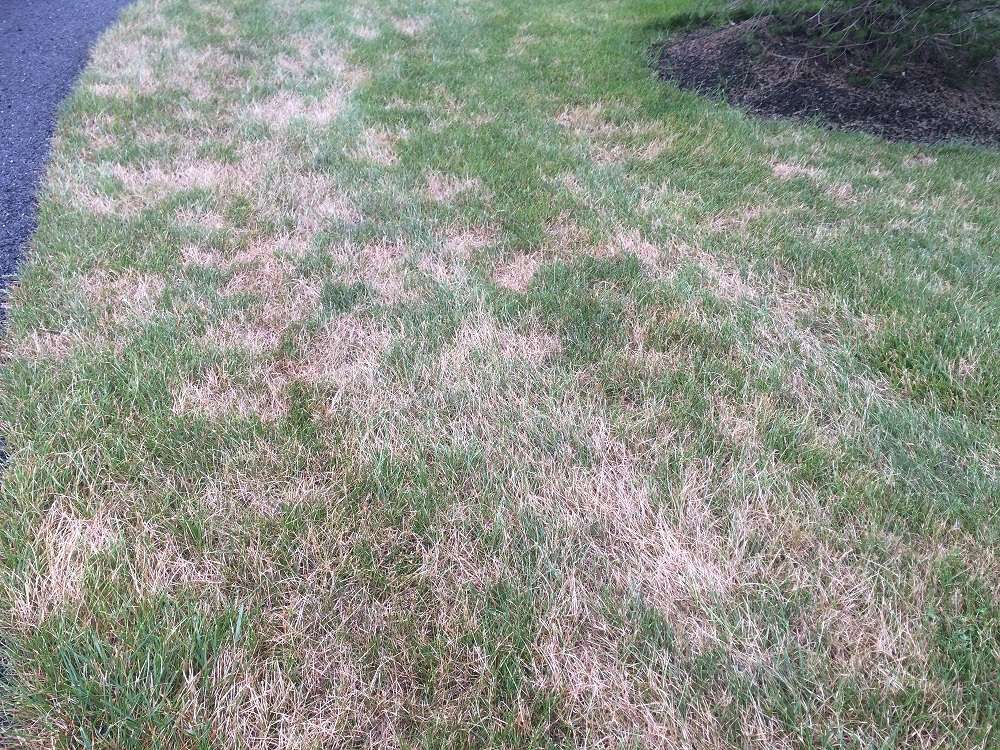
Image Source: www.kingstownelawn.com
Why Timing is Everything: The Science Behind Watering After Treatment
The primary reason for a waiting period after applying lawn treatments is to ensure the product can do its job. Think of it like taking medicine; you wouldn’t drink a glass of water immediately after taking a pill, as it might wash it down before it can be absorbed. Lawn treatments work in similar ways.
- Absorption is Key: Many herbicides and pesticides are designed to be absorbed by the leaves or roots of the target plant or pest. Rain or irrigation can wash them off before absorption occurs, rendering them useless.
- Soil Binding: Some treatments need to bind to soil particles to remain effective and prevent them from leaching away or becoming deactivated. Watering too early can disrupt this process.
- Preventing Runoff: Applying water too soon after treatment can lead to runoff, carrying the active ingredients into storm drains or neighboring properties. This is not only wasteful but can also be environmentally harmful.
Deciphering Product Labels: Your First Line of Defense
The most accurate guidance for how long after lawn treatment can I water will always be found on the product label itself. Manufacturers invest significant research into determining the optimal application and post-application care for their specific formulas. Always read and follow these instructions meticulously.
Common Label Instructions Might Include:
- “Do not water for 24 hours after application.”
- “Water in immediately after application.” (This is less common for herbicides but can apply to some fertilizers).
- “Avoid watering before application for [X] days.”
- “If rain is expected within [X] hours, do not apply.”
Watering After Weed Killer: A Delicate Balance
Dealing with weeds is a common lawn care challenge. When you apply watering after weed killer, timing is paramount. Most herbicides are designed to be absorbed by the weed’s foliage.
Contact Herbicides
These kill weeds they directly touch. They are often fast-acting. If you water too soon after applying a contact herbicide, you risk washing the active ingredients off the weed’s leaves before they can penetrate.
- Typical Waiting Period: At least 24-48 hours is generally recommended.
- Why the Wait? This allows the herbicide to be absorbed by the weed’s leaves and begin its work.
Systemic Herbicides
These are absorbed by the weed and transported throughout its system, eventually killing it. They are often more effective on actively growing weeds.
- Typical Waiting Period: Similar to contact herbicides, a 24-48 hour waiting period is common.
- Why the Wait? This ensures the chemical has time to translocate within the weed’s vascular system.
Important Consideration: Dry conditions can sometimes make herbicides more effective as the weed’s surface is dry, allowing for better absorption. However, extreme drought can stress the grass and weeds, making treatments less effective.
The “Watering In” Scenario
Some herbicides, especially granular ones activated by moisture, might have different instructions. In these cases, the label might specify to water the lawn immediately after application. This helps the granules dissolve and move into the soil to be absorbed by weed roots. Always double-check the label for these specific instructions.
When to Water After Fertilizing: Fueling Your Lawn Responsibly
Fertilizers provide essential nutrients to your grass. The when to water after fertilizing question often depends on the type of fertilizer used.
Granular Fertilizers
These are small pellets applied to the lawn.
- When to Water: For most granular fertilizers, watering them in is recommended. This helps dissolve the fertilizer and carry it into the soil where the grass roots can access it.
- Timing: Watering can usually be done shortly after application, often within a few hours, unless the product label specifies otherwise. This helps prevent the fertilizer from burning the grass blades, especially if applied on a hot, sunny day.
- Liquid Fertilizer Watering Guidelines: If you’re using liquid fertilizers, the absorption into the plant tissues is usually more immediate. Watering afterwards is typically not required to activate the fertilizer itself but is important for the overall health of the grass.
Liquid Fertilizers
These are applied as a spray.
- When to Water: Most liquid fertilizers are designed for rapid absorption through the leaves or shallow roots. Watering can usually occur within a few hours after the spray has dried on the grass blades.
- Why the Wait? Allowing the spray to dry on the foliage ensures maximum absorption. Watering too soon can wash off the nutrients.
Avoiding Nutrient Loss
Overwatering immediately after fertilizing can also lead to nutrient leaching, where the fertilizer is washed down past the root zone, making it inaccessible to the grass. This is particularly a concern with water-soluble fertilizers.
Post-Treatment Lawn Watering: A Comprehensive Approach
When discussing post-treatment lawn watering, it’s important to consider the broader context of your irrigation schedule lawn treatment. A consistent, well-timed watering routine supports the overall health of your lawn, making it more resilient to stress and better able to benefit from treatments.
Aeration and Seeding
After aeration or overseeding, the newly exposed soil and delicate grass seeds need consistent moisture.
- Watering Schedule: Light, frequent watering is often recommended for the first few weeks. This keeps the top layer of soil moist, crucial for germination.
- Waiting Period: There isn’t a “waiting period” in the traditional sense for applying water. The goal is to maintain moisture.
Pest and Disease Control
When using insecticides or fungicides, similar principles to herbicides apply.
- How Soon to Water After Grub Control? For grub control treatments (often applied to the soil), you might be instructed to water them in to help the active ingredients reach the soil where grubs are present. Check the product label. If it’s a foliar treatment for leaf-eating insects, a waiting period to allow absorption is usually necessary.
- Fungicides: These are often applied to the foliage to prevent or treat fungal diseases. Watering too soon can wash them off. A waiting period of 24 hours is a good general rule of thumb, but always refer to the product label.
Factors Influencing Your Watering Decisions
Several factors can influence how soon to water after application beyond just the product type:
Weather Conditions
- Temperature: On hot days, fertilizer can burn the grass if not watered in properly. Conversely, if temperatures are mild, you might have a bit more flexibility.
- Sunlight: Direct, intense sunlight can exacerbate fertilizer burn. Watering in the early morning or late evening is generally best for your lawn.
- Wind: High winds can cause spray drift during application and can dry out the lawn and the treatment quickly.
Type of Grass
Different grass species have varying needs and tolerances. Some are more susceptible to burning from fertilizer or damage from certain chemicals.
Soil Type
Sandy soils drain more quickly and may require more frequent watering than clay soils. This can influence how long a treatment stays active on the surface before being washed away.
Strategic Irrigation: Optimizing Your Lawn’s Watering Schedule
Developing a smart irrigation schedule lawn treatment isn’t just about when to water after an application; it’s about creating an environment where your lawn is healthy year-round.
Deep and Infrequent Watering
This is the golden rule for healthy lawns. Watering deeply encourages roots to grow deeper into the soil, making the grass more drought-tolerant.
- Frequency: Aim to water thoroughly once or twice a week, depending on your climate and grass type, rather than shallowly every day.
- Duration: Water until the soil is moist about 4-6 inches deep.
Best Time to Water Lawn After Application
The best time to water lawn after application generally aligns with the best time to water your lawn overall: early morning.
- Why Morning? This allows the grass blades to dry off during the day, reducing the risk of fungal diseases. It also minimizes water loss through evaporation compared to midday watering.
- Evening Watering: Can be done, but it leaves the grass wet overnight, increasing the risk of disease. Avoid watering late at night.
Rain Delay Lawn Treatment
What happens if you have a rain delay lawn treatment?
- Pre-Application Rain: If rain is forecast shortly before your scheduled treatment, it’s usually best to postpone. Wet foliage can dilute treatments, and rain can wash them away before they have a chance to work.
- Post-Application Rain: If rain is forecast after your treatment, check the product label. Some treatments need dry conditions for a period, while others are activated by rain. If a waiting period is specified, and significant rain is imminent, you might need to delay the application or reapply if the rain washes the treatment away prematurely.
Common Misconceptions About Watering After Lawn Treatments
It’s easy to fall into common traps when it comes to watering and lawn treatments.
Myth: “More is always better.”
- Reality: Overwatering can be just as detrimental as underwatering. It can lead to shallow root systems, increase disease risk, and leach essential nutrients from the soil.
Myth: “Watering immediately always helps products soak in.”
- Reality: While some granular products require watering in, many liquid and granular treatments need time to be absorbed or bind to the soil. Watering too soon can wash them away.
Myth: “If it rains, I don’t need to water.”
- Reality: Light, infrequent rain might not penetrate the soil deeply enough. You still need to monitor soil moisture and water if the lawn shows signs of stress.
Waiting Period Lawn Care: Creating a Routine
Establishing a clear waiting period lawn care plan helps you integrate treatments seamlessly into your maintenance routine.
- Plan Ahead: Check your irrigation schedule lawn treatment and consider upcoming weather before applying any product.
- Read Labels: This cannot be stressed enough. Each product is different.
- Observe Your Lawn: Pay attention to how your grass looks. Signs of stress (wilting, discoloration) might indicate it needs water, but if you’ve just applied a treatment, you might need to adjust your watering time.
- Document: Keep a record of when you applied treatments and any specific watering instructions. This helps you remember for future applications.
Summary of Watering Guidelines
To help you visualize the general recommendations, here’s a table. Remember, always prioritize the specific instructions on the product label.
| Treatment Type | General Watering Recommendation After Application | Rationale |
|---|---|---|
| Herbicides | Wait 24-48 hours for most liquid and granular foliar treatments. | Allows for absorption by weed foliage. |
| Some granular products may require immediate watering to activate. | Helps dissolve and carry the product to weed roots. | |
| Fertilizers | Granular: Water in within a few hours to dissolve and prevent burn. | Carries nutrients to roots, prevents foliar damage. |
| Liquid: Wait a few hours for spray to dry before watering. | Allows for absorption through foliage. | |
| Insecticides | Wait 24-48 hours for foliar treatments. | Allows for absorption by insects or their feeding. |
| Some soil treatments may require watering in. | Moves product to where pests are located in the soil. | |
| Fungicides | Wait 24-48 hours for foliar treatments. | Allows for absorption into plant tissues. |
| Grub Control | Often requires watering in to reach soil depth. Check label for specific timing. | Moves the active ingredient to the soil layer where grubs are active. |
| Seeding/Overseeding | Maintain consistent light moisture on the surface; no specific waiting period. | Crucial for seed germination. |
Navigating Watering Restrictions Lawn Maintenance
In many areas, watering restrictions lawn maintenance are common, especially during dry seasons. This can complicate your post-treatment lawn watering.
- Adjusting Plans: If you have watering restrictions, you may need to adjust your treatment schedule. For example, avoid applying treatments that require immediate watering during periods of strict watering bans.
- Prioritizing: In extreme drought, your lawn’s survival might take precedence. Focus on the most critical treatments or postpone non-essential ones until restrictions are lifted.
- Consult Local Authorities: Understand your local watering restrictions lawn maintenance guidelines thoroughly.
Frequently Asked Questions (FAQ)
Q1: Can I water my lawn immediately after applying weed killer?
A: Generally, no. Most weed killers require a waiting period of 24-48 hours to allow the product to be absorbed by the weeds. Watering too soon can wash it away. Always check the product label for specific instructions.
Q2: How soon can I water after fertilizing my lawn?
A: For granular fertilizers, it’s often recommended to water them in within a few hours to help them dissolve and prevent burning the grass. For liquid fertilizers, wait a few hours for the spray to dry on the leaves before watering.
Q3: What happens if it rains right after I treat my lawn?
A: This depends on the treatment. If it’s a herbicide or insecticide that needs absorption, rain too soon can wash it off. If it’s a granular fertilizer, rain might be beneficial to activate it. Check the product label for guidance on rain tolerance.
Q4: My lawn looks dry, but I just treated it. Can I water it?
A: You need to balance the immediate need of the grass with the effectiveness of the treatment. If the product label specifies a waiting period, try to hold off. If the lawn is severely stressed, a very light watering might be considered, but be aware this could reduce treatment efficacy.
Q5: Is there a difference in watering after liquid fertilizer versus granular fertilizer?
A: Yes. Liquid fertilizers are usually absorbed quickly, so watering a few hours after the spray dries is fine. Granular fertilizers often benefit from being watered in shortly after application to help them dissolve and move into the soil.
Q6: What is a “rain delay lawn treatment”?
A: This refers to postponing a lawn treatment because rain is expected, either before or after the application. If rain is expected soon after treatment, it might wash the product away. If rain is expected before, it might dilute the treatment. The decision depends on the product’s needs.
By following these guidelines and always referring to product-specific instructions, you can ensure your lawn receives the benefits of treatment while maintaining its health and vigor through proper watering.