
After leveling your yard, you should water it frequently, usually several times a day, for the first one to two weeks to keep the soil moist, especially where grass seed has been sown or sod has been laid. This is crucial for the success of your newly leveled lawn.
Leveling your yard is a significant undertaking. It smooths out bumps, fills in low spots, and creates a more aesthetically pleasing and functional outdoor space. However, the real work doesn’t stop once the dirt is raked. The post-leveling watering phase is just as critical, if not more so, for establishing a healthy, thriving lawn. This guide will walk you through the nuances of post-leveling watering schedule and answer the vital question: how often should I water my yard after leveling?
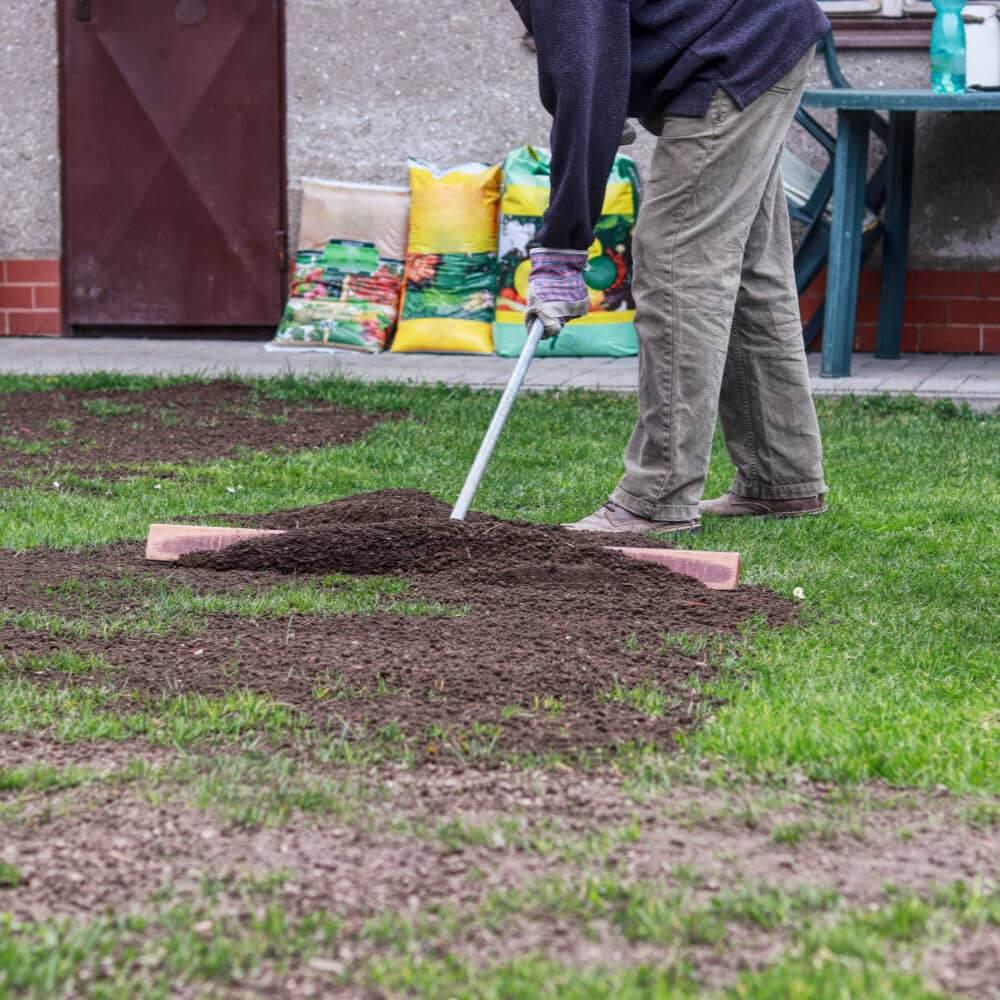
Image Source: dam.thdstatic.com
The Importance of Proper Watering Post-Leveling
Think of leveling as a reset button for your lawn. You’ve disturbed the soil, potentially removed old grass, and are now creating a new foundation. This new environment is delicate and requires consistent moisture to encourage root development and new growth. Improper watering can undo all your hard work, leading to patchy growth, weak roots, or even complete failure.
Why is consistent moisture so vital?
- Encourages Root Growth: Young grass seedlings and newly laid sod have shallow root systems. Frequent, light watering encourages these roots to grow downwards, seeking moisture. If the soil dries out, the roots will retract and struggle to establish.
- Prevents Soil Cracking: Dry, disturbed soil can crack as it dries, creating air pockets that are detrimental to root health. Constant moisture prevents this.
- Supports Seed Germination: Watering newly planted seed is paramount. Seeds need consistent moisture to absorb water and begin the germination process. Even a short period of dryness can kill a germinating seed.
- Aids Sod Establishment: For new sod watering, the goal is to keep the soil beneath the sod consistently moist, allowing the roots of the sod to melch into the existing soil.
Initial Watering Strategy: The First Few Weeks
The period immediately following leveling is the most critical for watering. This is when your lawn is most vulnerable. The frequency of watering leveled ground will be much higher than your usual maintenance watering.
Week 1-2: The Foundation of Moisture
During the first week or two, your primary goal is to keep the top layer of soil consistently moist, but not waterlogged.
- Grass Seedling Watering: If you’ve reseeded, you’ll need to water very lightly, multiple times a day. Think of a fine mist. The goal is to keep the surface of the soil damp where the grass seedling watering occurs.
- New Sod Watering: For new sod watering, the approach is similar but with a slightly deeper soak. You want to ensure the soil underneath the sod is also moist.
How often?
- For Seed: Aim for 2-3 times a day, for 5-10 minutes each session. Adjust based on how quickly the soil surface dries out.
- For Sod: Aim for 1-2 deeper watering sessions per day, for 10-15 minutes each.
Key Tip: Avoid letting the newly seeded or sodded areas dry out completely at any point during this initial phase. It’s better to water a little more often than to let it get bone dry and then try to overcompensate.
Week 3-4: Gradual Reduction in Frequency
As your grass begins to establish, you can slowly start to reduce the watering frequency. The roots are beginning to grow deeper, seeking moisture.
- Young Grass Watering Needs: Your young grass watering needs will still be higher than established grass, but you can start to water less often, allowing the soil to dry out slightly between watering.
- Leveling Lawn Irrigation: Adjust your leveling lawn irrigation to water less frequently but for slightly longer durations.
How often?
- For Seed: Reduce to once or twice a day.
- For Sod: Reduce to once a day.
Continue to monitor the soil moisture. If it dries out too quickly, increase the frequency again.
Month 2 Onward: Transitioning to Mature Watering
By the second month, your lawn should be well on its way to establishment. You can begin to transition to a more typical watering schedule for mature lawns.
- Lawn Repair Watering: If your leveling was part of lawn repair watering, you’re now moving towards maintaining that repaired area.
- Dormant Grass Watering: If you are approaching a period of dormancy, your watering needs will change. However, for newly established grass, you want to encourage continued growth.
How often?
- Aim for deep, infrequent watering. Water 1-2 times per week, allowing the soil to dry out slightly between waterings. This encourages deeper root growth.
- Each watering should last 20-30 minutes, or until the soil is moist 4-6 inches deep.
Factors Influencing Watering Frequency
Several environmental and application factors will affect how often you need to water.
Weather Conditions
- Temperature: Hot, dry weather will cause the soil to dry out much faster. You’ll need to water more frequently during heat waves.
- Wind: Wind can dry out the soil surface and the grass blades themselves. Increased wind means increased watering needs.
- Rainfall: Natural rainfall can supplement your watering. Always check the weather forecast and assess soil moisture before watering. If you receive sufficient rainfall, you might be able to skip a scheduled watering.
Soil Type
- Sandy Soils: These soils drain very quickly and will require more frequent watering.
- Clay Soils: These soils hold moisture longer but can become compacted and waterlogged if overwatered. They require less frequent but thorough watering.
- Loam Soils: A good balance of sand, silt, and clay, loam soils drain well and retain adequate moisture, often ideal for most lawns.
Type of Grass Seed or Sod
Different grass species have different watering requirements. Cool-season grasses (like fescues and ryegrass) generally need more consistent moisture than warm-season grasses (like Bermuda and Zoysia) during their active growing periods.
Leveling Techniques Used
- Topsoil Addition: If a significant amount of new topsoil was added, its moisture retention properties will play a role.
- Compaction: If the leveled ground was heavily compacted, it might resist water penetration, requiring more careful watering to ensure it reaches the roots.
Best Practices for Watering After Leveling
- Water Early in the Morning: This is the best time to water. It allows the grass blades to dry before nightfall, reducing the risk of fungal diseases.
- Avoid Watering in the Heat of the Day: Much of the water will evaporate before it can reach the soil and roots.
- Water in the Evening: If morning watering isn’t possible, water in the early evening. However, be mindful of leaving the grass wet overnight.
- Check Soil Moisture: Don’t rely solely on a schedule. Dig a small trowel into the soil about 2-3 inches deep. If it feels dry, it’s time to water.
- Use a Rain Gauge: Monitor how much water you are applying to ensure you’re not over or under-watering.
- Adjust Sprinkler Heads: Ensure your sprinkler system is delivering water evenly across the entire leveled area. Check for dry spots or areas that are getting too much water.
- Be Patient: Establishing a new lawn takes time. Stick to your watering plan, and you’ll see results.
Watering Newly Planted Seed vs. New Sod
While the principle of consistent moisture applies to both, there are subtle differences in their immediate watering needs.
Watering Newly Planted Seed
The emphasis here is on keeping the surface of the soil consistently damp.
- Tiny Seeds: Seeds are small and easily dislodged. Light watering is essential to prevent washing them away.
- Germination Stage: Seeds require constant moisture to sprout. Once they sprout, they are still very vulnerable.
- Misting: A fine mist or a very gentle spray is ideal.
New Sod Watering
The focus is on ensuring the soil beneath the sod stays moist, encouraging the sod’s roots to reach down.
- Root Establishment: Sod is living grass, but its roots are not yet anchored.
- Deeper Moisture: While the surface should remain moist, you also need to encourage moisture penetration deeper into the soil.
Troubleshooting Common Watering Issues
- Patchy Growth: This can occur if some areas dry out more than others. Check your sprinkler coverage and adjust watering times or locations.
- Yellowing Grass: This can be a sign of overwatering (roots drowning) or underwatering (grass stressed). Check soil moisture.
- Fungal Diseases: Overwatering, especially in the evening, can lead to fungal issues. Ensure good air circulation and proper watering times.
FAQ: Your Leveling Watering Questions Answered
Q1: How long should I water my leveled yard?
A: For the first 1-2 weeks, water lightly and frequently (2-3 times a day for seed, 1-2 times a day for sod) for short durations (5-15 minutes). After that, gradually transition to less frequent, deeper watering sessions (20-30 minutes, 1-2 times a week).
Q2: Can I use a sprinkler system for post-leveling watering?
A: Yes, a sprinkler system is ideal for leveling lawn irrigation. Ensure the heads are adjusted for even coverage and that you have different zones if necessary for varying needs.
Q3: My grass looks yellow after leveling. What should I do?
A: Yellowing can indicate overwatering or underwatering. Check the soil moisture. If it’s constantly wet, reduce watering frequency. If it’s dry, increase it. Ensure good drainage.
Q4: How do I know if I’m watering too much?
A: Signs of overwatering include yellowing leaves, mushy soil, and increased susceptibility to fungal diseases. The soil should be moist, not saturated.
Q5: How do I know if I’m watering enough?
A: The soil should be consistently moist, especially the top few inches. If the soil feels dry to the touch, or the grass starts to wilt, you are not watering enough.
Q6: Is it okay to water my newly leveled lawn at night?
A: It’s best to water early in the morning. Watering at night can leave the grass blades wet for extended periods, increasing the risk of fungal diseases. If you must water in the evening, do so earlier to allow some drying before dark.
Q7: I’ve overseeded after leveling. How often should I water?
A: For watering newly planted seed, you need to keep the top layer of soil consistently moist. This often means light watering 2-3 times per day for the first 1-2 weeks. This is critical for grass seedling watering.
Q8: I’ve laid sod after leveling. What’s the best watering approach?
A: For new sod watering, aim to keep the soil underneath the sod moist. Water once or twice a day for the first 1-2 weeks, ensuring the water penetrates beneath the sod.
Q9: How does soil type affect my watering schedule?
A: Sandy soils dry out faster and require more frequent watering. Clay soils retain moisture longer, so less frequent but thorough watering is better.
By following these guidelines, you can ensure your newly leveled yard receives the optimal amount of water to thrive, transforming it into a beautiful, healthy lawn. Remember that consistent observation and adjustment are key to successful lawn repair watering and establishing a robust, green carpet.