
A cubic yard of sand typically weighs between 2,000 and 3,000 pounds. This weight can change depending on the type of sand and its moisture content.
Many people wonder about the weight of sand per cubic yard. This is a common question for anyone planning a landscaping project, a construction job, or even just filling a sandbox. Knowing how much a yard of sand weighs is crucial for ordering the right amount of material and ensuring your truck or trailer can handle the load. This guide will delve into the specifics of sand density, explore the weight of construction sand, weight of play sand, and provide tools for sand volume to weight conversion, ultimately helping you calculate the tonnage of sand per yard accurately.
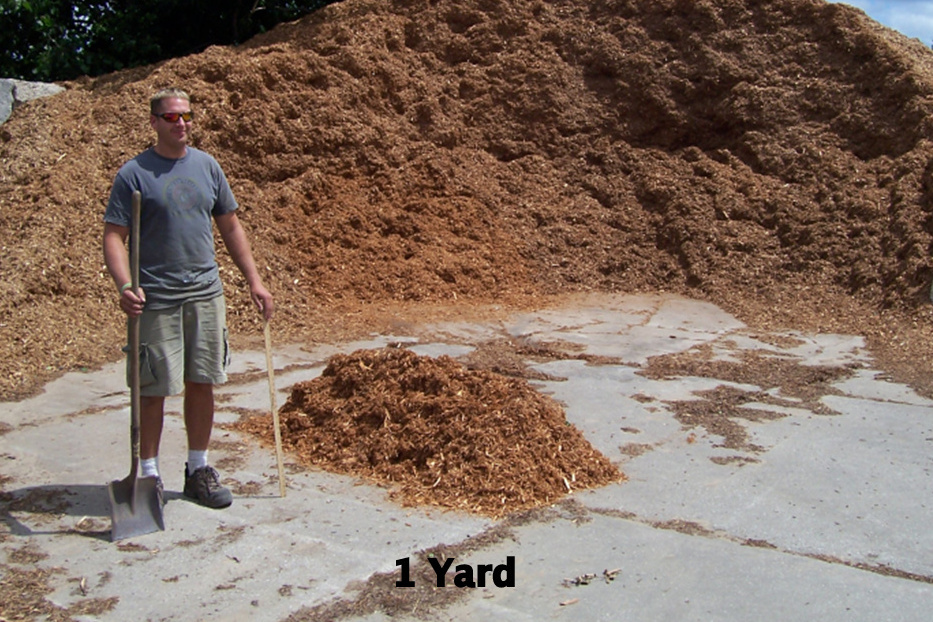
Image Source: klsupplies.com
Deciphering Sand Density
The weight of sand isn’t a fixed number. It depends heavily on its sand density. Density is a measure of how much mass is packed into a certain volume. For sand, this means:
- Grain Size: Smaller grains can pack more tightly, leading to higher density.
- Shape of Grains: Rounder grains might not pack as tightly as angular ones.
- Moisture Content: Wet sand is significantly heavier than dry sand because water adds mass.
- Composition: While most sand is silica (quartz), the presence of other minerals can slightly alter density.
Factors Influencing Sand Weight
Let’s break down the factors that affect how much a cubic yard of sand weight can be:
- Moisture: This is the biggest variable. A yard of dry, loosely packed sand will weigh considerably less than a yard of wet, compacted sand. Water fills the spaces between the sand grains, adding significant weight.
- Compaction: How tightly the sand is packed also matters. Sand delivered in bulk might be loosely piled, while sand that has settled or been compressed will be denser.
- Type of Sand: Different types of sand, such as coarse aggregate sand for construction or fine sand for playgrounds, have different grain sizes and shapes, impacting their density.
How Much Does a Yard of Sand Weigh?
The general range for the weight of sand per cubic yard is broad, usually falling between 2,000 and 3,000 pounds. To get a more precise idea, we need to consider the specific types of sand.
Common Types of Sand and Their Weights
Here’s a look at the approximate weights of common sand types per cubic yard:
Construction Sand
Construction sand, also known as concrete sand or washed sand, is typically coarse and angular. This type of sand is used in concrete mixes, mortar, and as a base for pavers and driveways.
- Weight: A cubic yard of dry construction sand generally weighs between 2,500 and 2,700 pounds.
- Why it’s heavier: The angular shape of the grains allows them to interlock more effectively, leading to a denser packing. It also often has a slightly higher mineral content than other types.
Play Sand
Play sand is usually finer and rounded, making it safe and comfortable for children to play with. It’s often washed and screened to remove any sharp particles or debris.
- Weight: A cubic yard of dry play sand typically weighs between 2,200 and 2,400 pounds.
- Why it’s lighter: The rounder grains don’t pack as tightly as the angular grains in construction sand.
All-Purpose Sand
This is a versatile sand that can be used for various purposes, including general landscaping, gardening, and as a base layer for artificial turf. Its grain size and shape can vary.
- Weight: A cubic yard of all-purpose sand can weigh anywhere from 2,300 to 2,600 pounds.
Mason Sand
Mason sand is a finer grain sand used for mortar and bricklaying. It’s known for its uniform grain size.
- Weight: A cubic yard of mason sand can weigh around 2,400 to 2,500 pounds.
The Impact of Moisture
It’s vital to reiterate the impact of moisture. When sand gets wet, water fills the voids between the grains. Since water weighs about 8.34 pounds per gallon, and a cubic yard can hold a significant amount of water in its pores, the weight can increase substantially.
- Example: If a cubic yard of dry sand weighs 2,500 pounds, and it absorbs moisture equivalent to 5% of its weight, it will now weigh 2,500 + (0.05 * 2,500) = 2,625 pounds. If it absorbs 10% moisture, it would be 2,750 pounds. In extreme cases of very wet sand, the weight can go up by 10-20% or even more.
Calculating the Tonnage of Sand Per Yard
When ordering large quantities of sand, suppliers often refer to weight in tons. One ton is equal to 2,000 pounds. To calculate the tonnage of sand per yard, you simply divide the weight in pounds by 2,000.
Formula: Tonnage per Yard = (Weight in Pounds) / 2,000
- Example: If you have a cubic yard of sand that weighs 2,700 pounds:
Tonnage = 2,700 lbs / 2,000 lbs/ton = 1.35 tons
This conversion is essential for bulk orders and for understanding the carrying capacity of vehicles.
Sand Volume to Weight Conversion: Tools and Methods
If you need to perform a sand volume to weight conversion, several methods can be used.
Using Online Sand Weight Calculators
The easiest way is to use an online sand weight calculator. These tools typically ask for:
- The type of sand you are using (e.g., construction, play, fill sand).
- The volume needed (in cubic yards or cubic feet).
- Sometimes, an option to specify moisture content.
The calculator then uses pre-programmed sand density values to estimate the total weight. This is a quick and convenient method for most DIY projects.
Manual Calculation with Sand Density Data
For a more hands-on approach, you can use the sand density values and perform the calculation yourself.
Formula: Weight = Volume × Density
- Volume: You’ll need to convert your volume measurement to cubic yards.
- 1 cubic foot = 0.037037 cubic yards
- 1 cubic yard = 27 cubic feet
- Density: This is usually expressed in pounds per cubic foot (pcf) or pounds per cubic yard (pcy).
Let’s use an example to illustrate:
Scenario: You need 10 cubic yards of construction sand, and you estimate its dry density to be around 2,600 pounds per cubic yard.
Calculation:
- Total Weight = Volume (cubic yards) × Density (pounds per cubic yard)
- Total Weight = 10 cubic yards × 2,600 lbs/cubic yard
- Total Weight = 26,000 pounds
To convert this to tons:
- Total Tons = 26,000 lbs / 2,000 lbs/ton = 13 tons
Table: Approximate Weights of Sand Types Per Cubic Yard
| Sand Type | Typical Dry Density (lbs/cubic yard) | Approximate Weight (lbs/cubic yard) | Approximate Weight (tons/cubic yard) |
|---|---|---|---|
| Construction Sand | 2,500 – 2,700 | 2,500 – 2,700 | 1.25 – 1.35 |
| Play Sand | 2,200 – 2,400 | 2,200 – 2,400 | 1.10 – 1.20 |
| Mason Sand | 2,400 – 2,500 | 2,400 – 2,500 | 1.20 – 1.25 |
| All-Purpose Sand | 2,300 – 2,600 | 2,300 – 2,600 | 1.15 – 1.30 |
Note: These are estimates for dry sand. Wet sand will weigh significantly more.
Practical Applications and Considerations
Knowing the weight of sand per cubic yard has several practical applications:
Landscaping Projects
When planning a backyard makeover, patio installation, or garden bed, you’ll need to estimate the amount of sand for base layers or decorative purposes. Ordering too little can lead to delays and extra delivery fees, while ordering too much means you have excess material to store or dispose of.
- Example: For a patio base, you might need a 4-inch layer of compacted sand. If your patio area is 10 feet by 12 feet, the volume is 10 ft x 12 ft x (4/12) ft = 40 cubic feet.
- Converting to cubic yards: 40 cubic feet / 27 cubic feet/cubic yard = 1.48 cubic yards.
- If you’re using construction sand at approximately 2,600 lbs/cubic yard, the total weight would be: 1.48 cubic yards * 2,600 lbs/cubic yard = 3,848 pounds.
Construction Work
In construction, precise calculations are vital. The weight of construction sand impacts:
- Mortar and Concrete Mixes: The correct sand-to-cement ratio is crucial for strength and durability.
- Foundation Compaction: Understanding the weight helps in determining the load-bearing capacity of the soil and the sand base.
- Material Hauling: Knowing the weight ensures you don’t overload trucks or trailers, complying with safety regulations and avoiding damage.
Filling Sandboxes
For a children’s sandbox, calculating the required amount of play sand is important for a fun and safe play area.
- Example: A common sandbox size might be 4 feet by 8 feet, with a desired sand depth of 1 foot.
- Volume = 4 ft x 8 ft x 1 ft = 32 cubic feet.
- Converting to cubic yards: 32 cubic feet / 27 cubic feet/cubic yard = 1.185 cubic yards.
- Using the lower end of play sand weight (2,200 lbs/cubic yard): 1.185 cubic yards * 2,200 lbs/cubic yard = 2,607 pounds.
Vehicle Weight Limits
One of the most critical considerations is your vehicle’s carrying capacity.
- Pickup Trucks: Most half-ton pickup trucks have a payload capacity of around 1,000 to 2,000 pounds. A single cubic yard of sand, especially if damp, can easily exceed this limit.
- Trailers: Different trailers have different Gross Vehicle Weight Ratings (GVWR). Always check the rating of your trailer and the towing capacity of your vehicle before transporting sand. A common single-axle utility trailer might have a GVWR of 2,000 to 3,500 pounds, meaning it can likely carry less than a full cubic yard of sand.
It’s often safer and more practical to order sand in half-yard increments or arrange for delivery if you need a full yard or more, especially if you don’t have a heavy-duty truck or trailer.
Bulk Sand Weight and Ordering Tips
When ordering bulk sand weight for large projects, communication with your supplier is key.
- Ask for Specifics: Inquire about the typical density or weight per cubic yard for the specific type of sand they are selling.
- Consider Delivery: Most sand suppliers offer delivery services. They have the appropriate trucks (like dump trucks) to handle large volumes of sand, often by the cubic yard or by the ton. This saves you the hassle and potential risk of transporting it yourself.
- Measure Your Space: Ensure you have a clear plan for where the sand will be dumped. A large pile of sand can be difficult to move once it’s delivered.
Frequently Asked Questions (FAQ)
Here are some common questions people have about the weight of sand:
How much does a cubic yard of sand weigh if it’s wet?
Wet sand can weigh considerably more. Depending on how saturated it is, a cubic yard of sand could weigh anywhere from 2,500 to 3,300 pounds or even more. As a general rule, add about 10-20% to the dry weight for damp sand.
Can I haul a cubic yard of sand in a standard pickup truck?
It depends on the truck’s payload capacity. Most standard pickup trucks (half-ton trucks) have a payload limit of around 1,000 to 2,000 pounds. Since a cubic yard of sand can weigh between 2,000 and 3,000 pounds, you would likely be overloading a standard pickup truck, especially if the sand is damp. It’s safer to order half a yard or arrange for delivery.
What is the difference in weight between play sand and construction sand per cubic yard?
Play sand is generally lighter because it consists of finer, rounder grains that don’t pack as tightly. Construction sand has coarser, more angular grains, which interlock better, leading to higher density and therefore more weight per cubic yard. Play sand typically weighs around 2,200-2,400 lbs/cubic yard, while construction sand weighs around 2,500-2,700 lbs/cubic yard.
Is there a way to calculate sand weight without knowing the density?
While you can use general estimates, knowing the sand density is the most accurate way to perform a sand volume to weight conversion. If you don’t know the density, you can use online calculators that provide typical values for different sand types. However, for critical projects, it’s best to get density information from your supplier.
What is the average weight of bulk sand per yard?
The average weight of bulk sand per yard generally falls between 2,000 and 3,000 pounds. For specific types, construction sand averages around 2,600 pounds per cubic yard, while play sand averages around 2,300 pounds per cubic yard.
By carefully considering the type of sand and its moisture content, you can accurately estimate the weight of a cubic yard for your project needs.