
Can you use rock dust in your garden? Yes, you absolutely can! Rock dust is a fantastic natural soil amendment that can significantly boost your garden’s vitality. It’s a way to mineralize soil, bringing back essential elements that can be depleted over time.
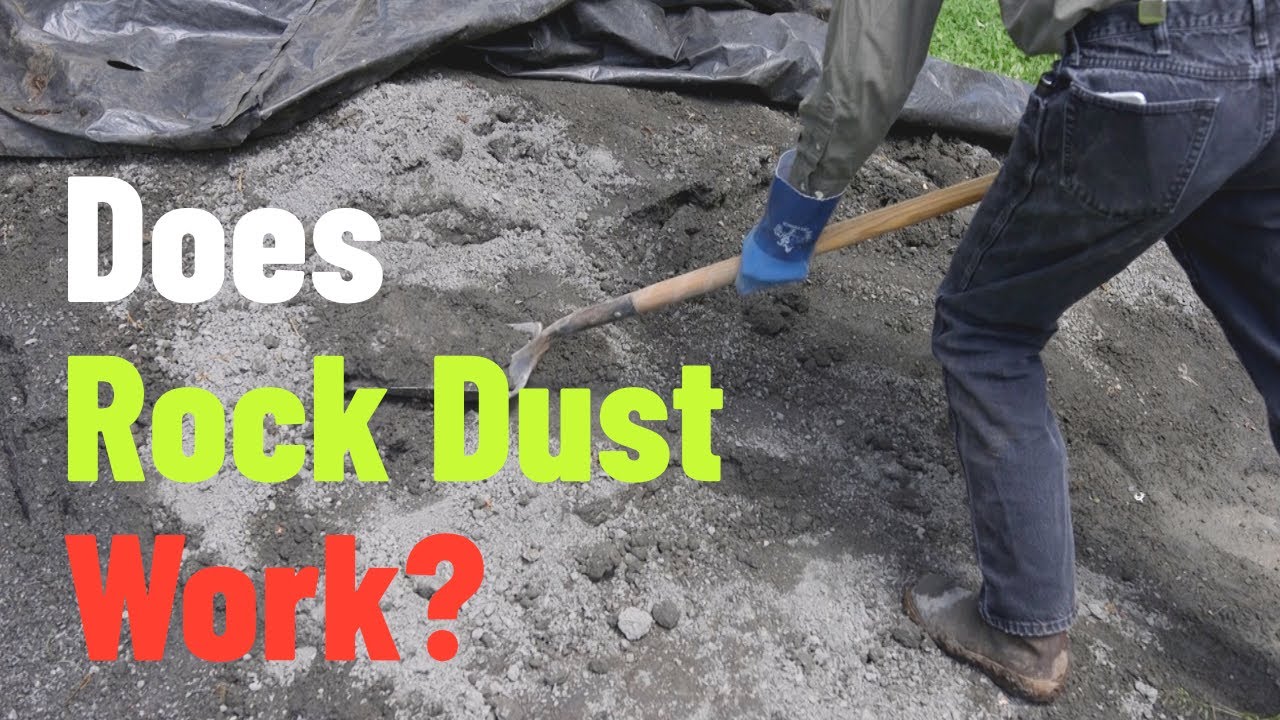
Image Source: i.ytimg.com
What is Rock Dust?
Rock dust, also known as mineral dust or stone meal, is essentially finely ground rock. It’s created by pulverizing various types of rocks, such as basalt, granite, or glacial till, into a fine powder. This powder contains a broad spectrum of essential plant nutrients and trace minerals that plants need to thrive. Unlike synthetic fertilizers, rock dust releases these minerals slowly, feeding your soil and plants over a long period. This makes it an excellent choice for organic gardening and for anyone looking to improve soil health naturally.
The Benefits of Rock Dust for Your Garden
Using rock dust offers a multitude of advantages for your garden ecosystem. It’s a gentle yet powerful way to remineralize soil and enhance its overall structure and fertility.
Enhancing Soil Structure and Water Retention
When you add rock dust to your soil, its fine particles can help to break up compacted clay soils. This improves aeration, making it easier for plant roots to grow and access oxygen. For sandy soils, rock dust acts as a binder, helping to retain moisture and nutrients, preventing them from washing away with rain or irrigation. This improved structure leads to better soil fertility.
Providing a Broad Spectrum of Nutrients
The real magic of rock dust lies in its mineral composition. It contains a wide array of essential macro and micronutrients, often in balanced proportions. These include vital elements like calcium, magnesium, potassium, phosphorus, and a host of trace minerals such as iron, zinc, manganese, copper, and boron. These plant nutrients are the building blocks for healthy plant growth, from strong root development to vibrant foliage and abundant flowering or fruiting.
Boosting Microbial Activity
Healthy soil is alive with beneficial microorganisms. Rock dust provides a food source and habitat for these tiny helpers. As the minerals are slowly released, they support the life cycles of bacteria, fungi, and other soil organisms. This increased microbial activity is crucial for breaking down organic matter, making nutrients available to plants, and improving overall soil health. Rock dust can also act as a compost enhancer, accelerating decomposition and enriching the final compost.
Long-Term Soil Improvement
One of the key advantages of rock dust is its slow-release nature. Unlike soluble fertilizers that can leach out of the soil quickly, the minerals in rock dust become available to plants over months and years. This means you’re not just feeding your plants for today; you’re building a more resilient and fertile soil for the future. It truly helps to mineralize soil over time.
A Natural and Sustainable Choice
For those practicing organic gardening, rock dust is an ideal soil conditioner. It’s a natural product, derived from the earth itself, without the chemical processing or potential negative side effects of synthetic alternatives. Its use supports a more sustainable approach to gardening, focusing on building healthy, living soil.
Different Types of Rock Dust and Their Uses
While the general term “rock dust” encompasses finely ground rock, the specific type of rock used can influence its mineral content and suitability for certain applications.
Basalt Rock Dust
Basalt is a volcanic rock that is rich in minerals like iron, magnesium, calcium, and potassium. It’s often considered a good all-around rock dust for improving soil structure and providing a broad range of plant nutrients. Basalt dust is particularly beneficial for breaking up heavy clay soils and improving water retention. Its mineral profile makes it an excellent choice for general garden use and for remineralizing soil.
Granite Rock Dust
Granite, a common igneous rock, is another excellent source of minerals, particularly potassium, feldspar, and quartz. While it may have slightly less immediate mineral availability than basalt, its long-term contribution to soil fertility is significant. Granite dust can help to improve soil structure and provide essential elements for plant growth.
Glacial Rock Dust
Glacial rock dust is formed from the grinding action of glaciers on rocks. It’s often a composite of various rock types, meaning it typically contains a very diverse and comprehensive mix of minerals and micronutrients. This makes glacial rock dust a highly sought-after soil amendment for its ability to provide a wide spectrum of elements, contributing greatly to soil health.
Other Specialty Rock Dusts
Depending on the region, you might find rock dust derived from other specific rock types, such as:
- Limestone Dust: High in calcium carbonate, beneficial for raising soil pH in acidic soils and providing calcium.
- Green Sand (Glauconite): A natural source of potassium and iron, also known for its ability to improve soil structure and water retention.
When choosing a rock dust, consider the source and its typical mineral composition. Many suppliers will provide a breakdown of the elements present.
How to Use Rock Dust in Your Garden
Applying rock dust is straightforward, but knowing the right methods can maximize its benefits for soil fertility and soil health.
Application Rates
The amount of rock dust to use depends on your soil type, your garden goals, and the specific product you’re using. As a general guideline for broad application:
- For established gardens: Apply at a rate of 1-2 pounds per 100 square feet, or approximately 1-2 kg per 10 square meters.
- For new garden beds or soil improvement: You might use a slightly higher rate, around 5-10 pounds per 100 square feet (5-10 kg per 10 square meters), especially if your soil is known to be depleted.
It’s always best to start with lower rates and observe the results. Over-application is generally not harmful due to the slow-release nature of the minerals, but it’s also not necessary for efficacy.
Methods of Application
Here are several ways to incorporate rock dust into your gardening practices:
1. Top Dressing
This is the simplest method. Sprinkle the rock dust evenly over the surface of your garden beds, around plants, or across lawns.
- When: Apply in spring or fall.
- How: Spread the dust evenly. Lightly water or rake it into the top inch of soil to help it integrate. This is a great way to provide ongoing plant nutrients.
2. Incorporating into Soil
For more immediate impact, especially when preparing new beds or planting new shrubs and trees, you can mix rock dust directly into the soil.
- When: Before planting or amending existing beds.
- How: Dig a trench or broadcast the rock dust over the area. Mix it thoroughly into the top 6-8 inches (15-20 cm) of soil. This ensures good contact with the soil and roots for better nutrient uptake. This method is excellent for mineralize soil throughout the root zone.
3. As a Compost Enhancer
Rock dust is an excellent addition to your compost bin. It helps to balance the carbon-to-nitrogen ratio and provides essential minerals for the composting microbes.
- When: Add layers of rock dust as you build your compost pile.
- How: Sprinkle a layer of rock dust (about 1-2 inches thick) every time you add organic material like kitchen scraps or yard waste. This will enrich your compost and make it a potent compost enhancer.
4. Seed Starting Mix
Adding a small amount of finely ground rock dust to your seed-starting mix can give young seedlings a nutrient boost.
- When: When preparing your seed-starting medium.
- How: Mix a small percentage (e.g., 5-10%) of rock dust into your potting soil or coir. This provides essential micronutrients for early growth.
5. Lawn Care
Rock dust can also benefit your lawn by improving soil structure and providing a slow release of minerals.
- When: Best applied in spring or fall.
- How: Broadcast about 1-2 pounds of rock dust per 100 square feet evenly over the lawn. Rake it in lightly, or allow rain to wash it down. This helps to remineralize soil in your lawn, leading to healthier grass.
Timing Your Applications
While rock dust can be applied at any time of the year, the best times are generally:
- Spring: As growth begins, providing a slow release of nutrients to support new development.
- Fall: To improve the soil over winter, allowing minerals to integrate before the next growing season.
Applying rock dust before rain or watering helps it to begin dissolving and integrating into the soil more effectively.
Frequently Asked Questions About Rock Dust
Q1: How often should I apply rock dust?
A1: Due to its slow-release nature, rock dust doesn’t need to be applied frequently. Once every 1-3 years is generally sufficient for most gardens. You can also incorporate it annually as a compost enhancer.
Q2: Can I over-apply rock dust?
A2: It’s difficult to over-apply rock dust to the point of harming your plants because the minerals are released slowly. However, using excessive amounts is wasteful and won’t provide significantly more benefits than the recommended rates.
Q3: Will rock dust affect my soil pH?
A3: Most rock dusts, like basalt and granite, have a neutral to slightly alkaline effect on soil pH. They are generally considered pH buffers rather than strong pH adjusters. Limestone dust, however, is specifically used to raise soil pH in acidic conditions. Always test your soil if you’re concerned about pH.
Q4: What’s the difference between rock dust and gypsum?
A4: Gypsum (calcium sulfate) is primarily used to provide calcium and sulfur and to improve the structure of sodic (high sodium) or heavy clay soils. Rock dust provides a much broader spectrum of minerals and trace elements, acting as a more comprehensive soil amendment for overall soil fertility and soil health.
Q5: Can I use rock dust on houseplants?
A5: Yes, you can use finely ground rock dust for houseplants. Mix a small amount (about 1 teaspoon per quart of potting mix) into your potting soil when repotting. It provides a slow release of plant nutrients.
Q6: Is rock dust safe for organic gardening?
A6: Absolutely. Rock dust is a natural product and is widely accepted and encouraged in organic gardening. It’s a fundamental way to mineralize soil and build healthy, living soil without synthetic inputs.
Rock Dust and Soil Health: A Synergistic Relationship
The true power of rock dust lies in its ability to support and enhance the entire soil ecosystem. It’s not just about adding individual plant nutrients; it’s about fostering an environment where these nutrients can be accessed by plants and where the soil can function optimally.
Building Living Soil
Healthy soil is a dynamic, living entity. It’s a complex web of minerals, organic matter, water, air, and a vast population of microorganisms. Rock dust plays a crucial role in this by:
- Supplying a diverse mineral base: This diversity is essential for the health of soil microbes, which in turn break down organic matter and make nutrients available to plants.
- Improving soil structure: Better aeration and water-holding capacity create a more hospitable environment for roots and beneficial organisms.
- Providing long-term sustenance: Unlike quick-release fertilizers that can lead to boom-and-bust cycles, rock dust offers a steady supply of minerals, supporting consistent soil health.
By consistently using rock dust, you are actively working to remineralize soil that may have been depleted over time, restoring its natural balance and productivity.
Rock Dust as a Compost Enhancer
Composting is a cornerstone of organic gardening, and rock dust can elevate your compost to a new level. When added to your compost pile, rock dust acts as a compost enhancer in several ways:
- Mineral enrichment: It introduces a wide array of essential minerals and micronutrients into the compost, creating a more nutrient-dense end product.
- Moisture regulation: The fine particles can help to absorb excess moisture in the compost pile, preventing it from becoming too wet and anaerobic.
- Microbial food source: The minerals provide an additional food source for the decomposer organisms, potentially speeding up the composting process.
- pH buffering: It can help to stabilize the pH of the compost pile.
Your finished compost will be richer, more balanced, and an even more powerful soil amendment for your garden beds.
Improving Nutrient Availability
Plants don’t just need nutrients to be present in the soil; they need to be in a form they can absorb. Rock dust facilitates this by:
- Slow release: The gradual weathering of rock particles makes minerals available over time, preventing nutrient imbalances or “locks” that can occur with rapid nutrient release.
- Synergy with organic matter: As organic matter decomposes, it releases acids that help to further break down rock dust particles, making more minerals available. This creates a positive feedback loop for soil fertility.
Addressing Deficiencies
Many soils, especially those that have been intensively farmed or heavily leached, can be deficient in essential micronutrients. Rock dust offers a natural and sustainable way to address these deficiencies, providing a broad spectrum of trace elements that are crucial for plant health, disease resistance, and optimal growth. This contributes significantly to overall soil health.
Conclusion: Embrace Rock Dust for a Thriving Garden
Incorporating rock dust into your gardening routine is a simple yet profoundly effective way to enhance your soil and promote vigorous plant growth. By choosing to mineralize soil and actively work towards remineralize soil, you are investing in the long-term health and vitality of your garden.
Whether you use it as a top dressing, mix it into your planting holes, or add it to your compost, rock dust serves as an invaluable soil amendment and soil conditioner. It’s a natural path to richer soil fertility, a wider array of micronutrients, and a more robust, living soil ecosystem. For anyone committed to organic gardening or simply seeking to grow healthier, more resilient plants, rock dust is an indispensable tool. Start experimenting with it today and witness the difference it can make!