
A yard of sand generally costs between $20 and $100, depending on the type of sand, its quality, where you buy it, and delivery fees.
Choosing the right sand for your project is crucial, and its cost is a significant factor. Whether you’re building a patio, refreshing a playground, or adding a decorative touch to your garden, knowing the sand price per cubic yard will help you budget effectively. This in-depth guide will explore the various factors influencing sand costs and provide you with a clear picture of what to expect.
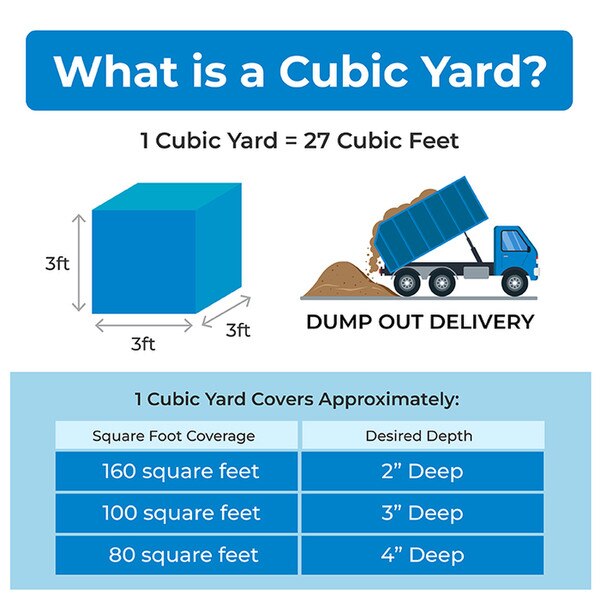
Image Source: www.cumminlandscapesupply.com
Factors Affecting Sand Costs
Several elements contribute to the final price you pay for a yard of sand. Let’s break them down:
Type of Sand
The most significant determinant of sand cost is its type. Different sands have unique properties and uses, which dictate their availability and processing requirements.
- Construction Sand (Sharp Sand/All-Purpose Sand): This is a coarser, angular sand often used in concrete mixes, mortar, and as a base layer for paving stones and driveways. Its widespread use makes it generally more affordable.
- Play Sand: Specifically processed for children’s play areas, play sand is very fine, soft, and free of impurities. This extra processing makes it more expensive than construction sand.
- Decorative Sand: Available in a wide range of colors, textures, and grain sizes, decorative sand is used for aesthetic purposes in gardens, aquariums, and craft projects. Its specialty nature and often imported origins can drive up the price.
- Paver Sand: This fine sand, often silica-based, is designed to lock pavers into place and allow for good drainage. Its specific properties and higher quality control contribute to its cost.
- River Sand: Smoother and rounder than construction sand due to natural erosion, river sand is often used for top dressing lawns, in children’s sandboxes (if screened), or for decorative purposes. Its availability can be regional.
- Driveway Sand: Similar to construction sand, this is often a coarser grit used for creating stable bases under driveways or as a top dressing to improve traction.
Quality and Purity
The cleaner and more uniformly sized the sand, the higher the quality and often the price. Play sand, for instance, must be free from harmful debris and have a smooth texture, requiring significant screening and washing. Construction sand might have a wider particle size distribution and a few more impurities, making it less costly.
Source and Location
The proximity of the sand source to your location plays a vital role. If you’re near a sand quarry or a supplier with readily available local sand, delivery costs will be lower, and the overall price will be more competitive. Conversely, if the sand needs to be transported long distances, the cost will increase.
Quantity Purchased
Bulk sand prices are generally lower per cubic yard than when you buy smaller quantities. Suppliers offer discounts for larger orders, as it’s more efficient for them to deliver and process larger amounts. Buying sand in half-yard or quarter-yard increments can sometimes come with a higher per-yard cost.
Delivery Fees
If you need the sand delivered to your home or job site, expect to pay delivery charges. These fees can vary significantly based on the distance from the supplier, the volume of sand being delivered, and the accessibility of your location. Some suppliers include delivery in the quoted price for larger orders, while others charge it separately.
Supplier Markup and Overhead
Like any business, sand suppliers have overhead costs (rent, utilities, labor, vehicle maintenance) and aim for a profit margin. These costs are factored into the final price of the sand.
Typical Sand Costs by Type
Let’s delve into the average sand price per cubic yard for common types of sand used in various applications. These are estimates and can fluctuate.
| Sand Type | Average Cost per Cubic Yard (Un delivered) | Typical Uses | Notes |
|---|---|---|---|
| Construction Sand | $20 – $40 | Concrete, mortar, base for pavers, fill | Coarser, angular grains; widely available. |
| Play Sand | $50 – $100+ | Playgrounds, sandboxes | Finer, softer, screened for purity; higher processing costs. |
| Decorative Sand | $50 – $200+ | Gardens, flower beds, aquariums, crafts | Wide variety of colors, textures, and sizes; can be specialty or imported. |
| Paver Sand | $30 – $60 | Jointing between pavers, base for patios | Fine, often silica-based; good for locking pavers and drainage. |
| Driveway Sand | $25 – $45 | Driveway base, traction | Coarser than paver sand, similar to construction sand; can be a blend of sand and gravel. |
| River Sand | $35 – $70 | Top dressing lawns, decorative, playgrounds | Smoother, rounded grains; availability can be regional. |
| All-Purpose Sand | $25 – $45 | General landscaping, mixing concrete | A common term often used interchangeably with construction sand; a good all-around option for many projects. |
| Pea Gravel (for context) | $30 – $70 | Drainage, pathways, decorative mulch | Not sand, but often compared for landscaping purposes. Smaller, rounded stones. |
Important Note: These prices are for loose, bulk sand. Bagged sand from home improvement stores will generally have a higher per-cubic-yard cost due to packaging and handling. A cubic yard of sand is approximately 2000-2700 pounds, depending on moisture content and density.
Detailed Cost Breakdown for Common Projects
Let’s explore how the cost of sand for landscaping and other projects can add up.
Landscaping Projects
For general landscaping needs, such as creating a base for a garden bed, filling in low spots, or as a component in soil mixes, construction sand or all-purpose sand is typically used.
- Cost of Sand: $20 – $40 per cubic yard.
- Delivery Fee: $50 – $150, depending on distance and volume.
- Total Estimated Cost for 1-2 Cubic Yards: $120 – $230.
If you’re looking for decorative sand cost, this will be higher. For a garden border or a dry creek bed, you might opt for colored or natural decorative sand.
- Cost of Decorative Sand: $50 – $200+ per cubic yard.
- Delivery Fee: Same as above.
- Total Estimated Cost for 1 Cubic Yard: $100 – $350+.
Paver Installations
When installing pavers, you’ll typically need sand for two purposes: a base layer (often a mix of sand and gravel, or just compacted sand) and a jointing sand to fill the gaps between the pavers.
- Base Sand (often Construction Sand): $20 – $40 per cubic yard.
- Paver Sand (Joint Sand): $30 – $60 per cubic yard.
- Delivery Fee: Can be higher if ordering multiple types and volumes.
- Estimated Cost for Base (approx. 4-6 inches deep for a patio) and Joint Sand: For a 10×10 ft patio (100 sq ft), you might need 1.5-2 cubic yards for the base and 1-2 bags (or about 0.25 cubic yards) for the joints.
- Base Material: (1.5 to 2 cubic yards) * ($20 to $40) = $30 – $80
- Joint Sand: (0.25 cubic yards) * ($30 to $60) = $7.50 – $15
- Delivery for the order: $75 – $200
- Total Estimated Cost for Paver Sand: $112.50 – $295.
Driveway Construction or Repair
For driveways, you might use a compacted sand base or a sand-and-gravel mix. Driveway sand price is generally comparable to construction sand.
- Cost of Driveway Sand: $25 – $45 per cubic yard.
- Delivery Fee: $50 – $150.
- Estimated Cost for a 10×20 ft driveway (4 inches deep): This would require approximately 2.5 cubic yards.
- Sand Cost: (2.5 cubic yards) * ($25 to $45) = $62.50 – $112.50
- Delivery: $75 – $150
- Total Estimated Cost for Driveway Sand: $137.50 – $262.50.
Playgrounds and Sandboxes
Creating a safe and fun play area requires specific types of sand. Play sand price reflects its superior quality and safety.
- Cost of Play Sand: $50 – $100+ per cubic yard.
- Delivery Fee: $50 – $150.
- Estimated Cost for a typical sandbox (e.g., 4×4 ft, 1 ft deep): This requires approximately 0.5 cubic yards.
- Sand Cost: (0.5 cubic yards) * ($50 to $100) = $25 – $50
- Delivery: $50 – $150
- Total Estimated Cost for Sandbox Sand: $75 – $200.
Comparing Sand and Other Ground Cover Materials
When planning a project, it’s also helpful to compare the mulch vs sand cost and other alternatives.
- Mulch: Generally costs between $30 – $60 per cubic yard delivered. It’s excellent for retaining moisture, suppressing weeds, and improving soil over time as it decomposes.
- Gravel: Prices vary widely based on type and size, typically ranging from $30 – $70 per cubic yard for common decorative gravels. It’s great for drainage and a permanent ground cover but doesn’t improve soil.
- Sand: As discussed, costs range from $20 to $200+ per cubic yard. It excels in drainage, stability for certain applications (like pavers), and can be aesthetically pleasing in specific contexts.
The choice between mulch, gravel, and sand depends entirely on the project’s goals. Sand is a poor choice for retaining moisture or suppressing weeds in garden beds, while mulch would not provide the stable base needed for pavers.
Where to Buy Sand
You have several options when purchasing sand, each with its own pricing structure.
Local Landscape Supply Yards
These are often the best places to buy sand in bulk. They specialize in landscaping materials and typically have the best bulk sand prices. You can often visit the yard to inspect the sand quality yourself before purchasing. Delivery options are usually available.
Home Improvement Stores
Big box stores like Home Depot or Lowe’s sell sand, but it’s usually in smaller bags (e.g., 40-50 lb bags). While convenient for small projects, the per-cubic-yard cost is significantly higher. This is a good option if you only need a few bags.
Garden Centers and Nurseries
Some larger garden centers may also carry sand, particularly decorative or specialized types. Prices can be a bit higher than dedicated landscape supply yards.
Online Retailers
For specialty sands, such as colored decorative sands or fine silica sands, online retailers can be a good option, but be mindful of shipping costs for heavy materials like sand.
Calculating How Much Sand You Need
Before you buy, it’s essential to accurately calculate the volume of sand required for your project.
Formula:
Length (ft) × Width (ft) × Depth (ft) = Cubic Feet
To convert Cubic Feet to Cubic Yards, divide by 27:
Cubic Feet / 27 = Cubic Yards
Example: You need a 4-inch base layer for a patio that is 10 feet by 10 feet.
- Convert depth to feet: 4 inches / 12 inches/foot = 0.33 feet
- Calculate cubic feet: 10 ft × 10 ft × 0.33 ft = 33 cubic feet
- Convert to cubic yards: 33 cubic feet / 27 = 1.22 cubic yards
It’s always a good idea to round up to the nearest quarter or half-yard to account for settling and any minor miscalculations.
Tips for Saving Money on Sand
- Buy in Bulk: Always aim to purchase sand by the cubic yard rather than in bags for larger projects.
- Compare Suppliers: Get quotes from multiple local landscape supply yards before making a decision.
- Consider Pickup: If you have a truck and trailer, picking up the sand yourself can save on delivery fees.
- Check for Sales: Some suppliers offer seasonal sales or discounts for contractors.
- Use the Right Type: Don’t overspend on a specialty sand if a more common, less expensive type will suffice for your project’s needs. For instance, construction sand is often perfectly adequate for many landscaping base layers.
Frequently Asked Questions (FAQ)
Q1: What is the cheapest type of sand?
A1: Construction sand, also known as sharp sand or all-purpose sand, is typically the cheapest type of sand available.
Q2: Can I use regular sand for a paver base?
A2: While construction sand can be used for a paver base, specialized paver sand is often recommended for the jointing material between pavers to ensure proper locking and drainage. A well-compacted layer of construction sand can serve as a base.
Q3: How much does a truckload of sand cost?
A3: A typical dump truck can carry about 10-14 cubic yards of sand. The cost would be the per-cubic-yard price multiplied by the volume, plus a delivery fee. For 10 cubic yards of construction sand at $30/yard, the sand itself would cost $300, with delivery adding another $50-$150.
Q4: Who sells play sand?
A4: Play sand is commonly sold at home improvement stores, garden centers, and some landscape supply yards. Ensure it’s specifically labeled as “play sand” for safety and quality.
Q5: Is river sand good for landscaping?
A5: Yes, river sand can be good for landscaping, especially for top dressing lawns or as a decorative element due to its smooth texture. It’s also used in some sandbox applications if properly screened.
Q6: How do you compare mulch vs sand cost for a garden bed?
A6: For a typical garden bed, mulch is generally cheaper per cubic yard than decorative sand. Mulch also provides benefits like moisture retention and soil improvement that sand does not offer in a garden setting. Sand’s value in a garden is usually for drainage in specific areas or as a decorative element.
By carefully considering the type of sand, the quantity needed, and where you purchase it, you can accurately estimate and manage your sand yard costs for any project.