
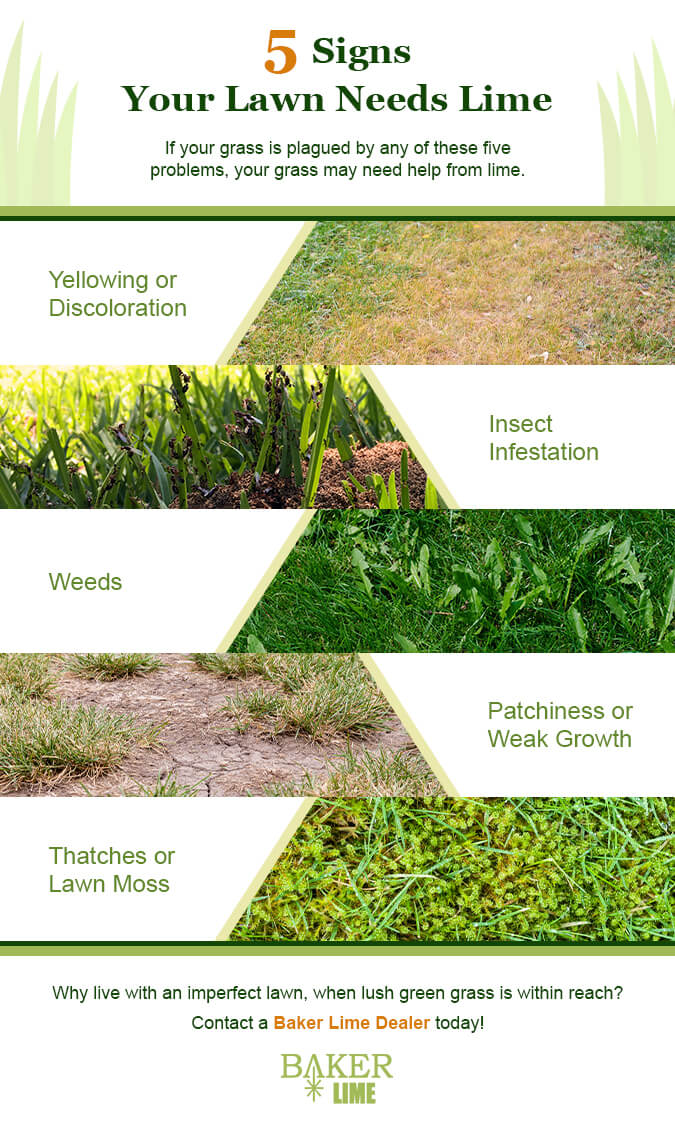
Image Source: www.bakerlime.com
How Much Lime To Apply To Lawn? Your Guide
What is the correct amount of lime to apply to a lawn? The amount of lime you need to apply to your lawn depends on your specific soil test results, the type of lime you use, and the desired pH adjustment. Can I apply lime to my lawn anytime? While lime can be applied at various times, fall and early spring are generally the best seasons for optimal results. Who is this guide for? This guide is for any homeowner or lawn enthusiast looking to improve their lawn’s health by amending their soil with lime.
Why Your Lawn Needs Lime: Deciphering Soil pH
Your lawn thrives when its soil has the right soil pH. Think of soil pH as a scale that measures how acidic or alkaline your soil is. Most turfgrasses prefer a slightly acidic to neutral pH, typically between 6.0 and 7.0. When your soil’s pH strays too far from this ideal range, it can significantly impact your lawn’s ability to absorb essential lawn care nutrients.
What happens when soil pH is too low (acidic)?
- Nutrient Lock-up: Essential nutrients like phosphorus, potassium, calcium, and magnesium become less available to your grass roots, even if they are present in the soil.
- Increased Aluminum Toxicity: In acidic soils, aluminum can become more soluble and toxic to grass, damaging roots and stunting growth.
- Poor Nutrient Uptake: Grass struggles to take up the nutrients it needs to stay green, healthy, and resilient.
- Weakened Root System: Acidic conditions inhibit root development, making your lawn more susceptible to drought and disease.
- Increased Weed Growth: Some weeds, like clover and dandelions, actually prefer acidic soil and can outcompete your grass.
What happens when soil pH is too high (alkaline)?
- Micronutrient Deficiency: While macronutrients might be present, micronutrients like iron, manganese, and zinc can become unavailable, leading to yellowing (chlorosis) and poor growth.
- Reduced Microbial Activity: Beneficial soil microbes, crucial for nutrient cycling, are less active in alkaline soils.
- Compacted Soil: Alkaline soils can sometimes become more compacted, hindering water and air penetration.
Lime is a soil amendment that helps to raise the soil pH, moving it closer to the neutral range. It works by neutralizing soil acidity. This process not only makes nutrients more available but also improves soil structure and encourages healthy microbial activity.
Identifying Your Lawn’s Needs: The Importance of Soil Testing
Before you even think about grabbing a bag of lime, the most critical step is soil testing. Applying lime without knowing your soil’s current pH is like taking medicine without a diagnosis – it might not help and could even cause harm.
Why is a soil test essential?
- Accurate pH Measurement: It provides a precise reading of your soil’s current pH level.
- Nutrient Analysis: Most soil tests also reveal the levels of essential nutrients, helping you identify any lime deficiency or other nutrient imbalances.
- Recommended Amendments: Based on your results, the lab will recommend specific amendments, including the type and amount of lime needed.
How to get a soil test:
- Collect Samples: Use a clean trowel or soil probe to collect soil from several different areas of your lawn. Mix these samples thoroughly in a clean container.
- Remove Debris: Ensure you remove any grass clippings, roots, or rocks from your sample.
- Send to a Lab: Contact your local cooperative extension office or a reputable private soil testing laboratory. They will provide you with instructions on how to submit your sample and interpret the results.
- Interpret Results: The report will typically include your soil’s pH, nutrient levels, and recommendations for specific amendments and their application rates.
Key takeaway: Never guess your soil’s pH. A soil test is your roadmap to effective lawn care nutrients management and successful soil amendment.
Types of Lime: Choosing the Right Option for Your Lawn
Not all lime is created equal. The type of lime you choose will affect how quickly it works and its mineral content. The two most common types of lime used for lawns are:
Calcitic Lime
- Composition: Primarily composed of calcium carbonate (CaCO₃).
- Effect on pH: Raises soil pH efficiently.
- Nutrient Contribution: Supplies calcium to the soil, which is an essential nutrient for plant cell walls and overall plant health.
- Best for: Soils that are acidic and have a sufficient level of magnesium.
Dolomitic Lime
- Composition: Composed of both calcium carbonate (CaCO₃) and magnesium carbonate (MgCO₃).
- Effect on pH: Raises soil pH more slowly than calcitic lime due to the presence of magnesium.
- Nutrient Contribution: Supplies both calcium and magnesium to the soil. Magnesium is a key component of chlorophyll, vital for photosynthesis.
- Best for: Soils that are acidic and also show a deficiency in magnesium. If your soil test indicates low magnesium, dolomitic lime is an excellent choice.
What if my soil test doesn’t specify magnesium levels? If your soil test doesn’t specifically mention a magnesium deficiency, calcitic lime is generally a safer bet. Over-application of dolomitic lime in soils that already have adequate magnesium can lead to an imbalance of nutrients, potentially interfering with the uptake of other essential minerals.
Other forms of lime:
- Ground Agricultural Limestone: This is the most common and typically the most cost-effective option. It can be a mix of calcitic and dolomitic lime. The fineness of the grind affects how quickly it works. Finer grinds react faster.
- Pelletized Lime: This lime is processed and formed into small pellets. It’s easier to spread evenly and tends to be less dusty than powdered lime. It works at a similar rate to finely ground limestone.
- Quicklime (Burnt Lime) and Hydrated Lime: These are highly reactive forms of lime and are generally not recommended for home lawn care. They can scorch grass and are difficult to apply evenly without causing damage. Stick to agricultural limestone or pelletized lime.
Determining the Lime Application Rate: Your Soil Test is Key
The most crucial factor in determining the lime application rate is your soil test report. The report will usually specify the amount of lime needed per 1,000 square feet to raise your soil pH to the desired level.
General guidelines based on pH:
While a soil test is paramount, here are some very general estimations for how much lime might be needed to adjust soil pH. These are not substitutes for a soil test.
| Current Soil pH | Target Soil pH | Estimated Lime Needed (lbs per 1,000 sq ft) – for Ground Limestone |
|---|---|---|
| 5.0 | 6.5 | 80-100 |
| 5.5 | 6.5 | 60-80 |
| 6.0 | 6.5 | 30-50 |
Important Considerations for Lime Application Rate:
- Soil Type: Heavier clay soils buffer pH changes more than sandy soils. This means clay soils often require more lime than sandy soils to achieve the same pH adjustment.
- Buffering Capacity: This refers to the soil’s ability to resist changes in pH. Soils with a higher buffering capacity will need more lime.
- Finishing pH: The higher the target pH you aim for, the more lime you will need.
- Lime Purity: The effectiveness of lime depends on its purity and fineness of grind.
What if my soil test doesn’t give an application rate? If your soil test provides a pH reading but no specific lime recommendation, consult your local extension office. They can help you interpret the results and provide appropriate guidance based on your region’s soil types and common turfgrass needs.
How to Apply Lime to Your Lawn: Best Practices for Success
Once you have your soil test results and the correct type and amount of lime, it’s time to apply it. Proper application ensures even distribution and maximum benefit for your lawn.
When to Apply Lime
- Fall: This is often considered the ideal time. As temperatures cool and rainfall increases, the lime has ample time to dissolve and begin its work before the grass enters dormancy. It also allows for pH adjustments before the next growing season.
- Early Spring: Applying lime in early spring, before the grass begins its active growth, is also effective. It allows the lime to work as the soil warms up.
- Avoid Peak Summer Heat: Applying lime during hot, dry weather can stress your lawn.
- Avoid Frozen Ground: Lime needs moisture to dissolve and move into the soil. Applying it to frozen ground will prevent it from working effectively.
Application Methods
- Spreader: The most common and efficient method is to use a broadcast spreader (rotary spreader) or a drop spreader.
- Broadcast Spreader: These cast the material in a wide arc. Ensure you overlap your passes slightly to avoid streaks of untreated areas.
- Drop Spreader: These drop the material directly below the spreader. You need to walk in straight, parallel lines, ensuring the edges of the application pattern overlap precisely to achieve even coverage.
- Preparation:
- Mow Your Lawn: Mow your lawn before applying lime. This helps the lime reach the soil surface more effectively and prevents it from sticking to the grass blades.
- Water Your Lawn (Optional): Lightly watering your lawn a day or two before application can help open up the soil pores, allowing the lime to penetrate more easily. However, do not apply lime to a wet lawn.
Step-by-Step Application Process
- Calculate Your Area: Determine the square footage of your lawn. Measure its length and width and multiply them together.
- Calibrate Your Spreader: Most lime bags will have recommended spreader settings for various brands. However, it’s a good practice to calibrate your spreader to ensure you’re applying the correct rate. You can do this by spreading a known amount of lime over a small, measured area and adjusting your spreader settings accordingly.
- Divide and Conquer: If you have a large lawn, divide it into smaller sections. This makes it easier to manage the application and ensures you don’t run out of lime in one area and have too much in another.
- Load the Spreader: Add the calculated amount of lime to your spreader. Wear gloves and a dust mask, especially if using powdered lime.
- Apply Evenly:
- Broadcast Spreader: Start walking at a steady pace. Spread the lime in overlapping passes across the lawn. Some recommend spreading half the recommended amount in one direction (e.g., north-south) and the other half in the perpendicular direction (e.g., east-west) for the most even coverage.
- Drop Spreader: Walk in straight, parallel lines, carefully overlapping the edges of your previous pass.
- Clean Up: Brush any excess lime off sidewalks or driveways to prevent staining.
- Water In (Optional but Recommended): Lightly water your lawn after application. This helps wash the lime off the grass blades and into the soil, where it can begin to work.
Important Note on Split Applications: If your soil test indicates a significant pH adjustment is needed (e.g., a drop of 1.0 pH unit or more), it is often better to apply the lime in two or more smaller applications spaced several months apart (e.g., one in fall and one in spring). This prevents overwhelming the soil and ensures a more gradual, consistent pH change.
How Often Should You Apply Lime?
The frequency of lime application depends on several factors:
- Your Soil’s Starting pH: Soils that are very acidic will require more frequent applications initially.
- Your Soil Type: Sandy soils tend to lose alkalinity faster than clay soils, requiring more frequent liming.
- Grass Type: Some grass species have slightly different pH preferences.
- Rainfall: Heavy rainfall can leach soil nutrients and affect pH over time.
- Fertilizer Use: Certain fertilizers, particularly those containing ammonium sulfate, can increase soil acidity.
General Rule of Thumb:
- Most lawns benefit from a soil test every 2-3 years.
- If a soil test reveals a need for liming, apply according to the recommendations.
- Subsequent applications are typically recommended every 2-3 years, or as indicated by ongoing soil testing.
- It’s rare to need to lime more than once a year, and often, every other year is sufficient for maintenance.
Signs of a potential lime deficiency (low pH):
- Moss growth, especially in shady areas.
- Yellowing of grass (chlorosis), often due to nutrient unavailability.
- Poor response to fertilizers.
- Increased presence of certain weeds that thrive in acidic conditions (e.g., clover).
- Poor grass establishment.
Common Mistakes to Avoid When Liming Your Lawn
- Not Performing a Soil Test: This is the biggest mistake. Applying lime blindly can lead to over-liming, which causes its own set of problems, like nutrient deficiencies.
- Over-Liming: Applying too much lime can raise the soil pH too high, locking up essential nutrients and harming your grass.
- Applying Lime to Wet Grass: This can cause the lime to stick to the grass blades, potentially burning them and leading to uneven distribution.
- Using the Wrong Type of Lime: Choosing dolomitic lime when your soil already has sufficient magnesium can lead to imbalances.
- Applying Lime to Frozen Ground: Lime needs moisture to work.
- Uneven Application: This results in patchy areas of the lawn with different pH levels and nutrient availability.
Frequently Asked Questions (FAQ)
Q1: Can I apply lime and fertilizer at the same time?
A1: It’s generally best to wait at least a week or two between applying lime and applying most fertilizers, especially those containing ammonium sulfate. Lime can interfere with the effectiveness of some fertilizers. Always check the product labels for specific recommendations.
Q2: Will lime kill weeds?
A2: Lime doesn’t directly kill weeds. However, by correcting the soil pH and improving grass health, it creates an environment where grass can outcompete weeds. Some weeds, like clover, prefer acidic soil, so they may become less prevalent as the pH rises.
Q3: Is pelletized lime better than powdered lime?
A3: Pelletized lime is easier to spread evenly and is less dusty, making it more user-friendly for homeowners. Its effectiveness is similar to finely ground lime. The choice often comes down to convenience and ease of application.
Q4: My soil test says my pH is too high. Should I add something to lower it?
A4: Yes, if your soil pH is too high (alkaline), you’ll need to lower it. Elemental sulfur is commonly used to acidify soil. Follow the soil test recommendations carefully for the correct amount of sulfur to apply.
Q5: How long does it take for lime to work?
A5: Lime is a slow-acting amendment. It can take several months for the full effects on soil pH to be realized. You might see some initial improvements in grass color due to nutrient availability, but the major pH shift occurs over time as the lime dissolves and reacts with the soil.
By following these guidelines and always prioritizing a soil test, you can effectively use lime to create a healthier, more vibrant lawn, ensuring your grass has access to the vital lawn care nutrients it needs to thrive. This lawn soil amendment process is a cornerstone of good lawn maintenance, directly addressing potential lime deficiency and improving the overall structure and fertility of your soil, primarily through the beneficial effects of calcium carbonate and magnesium carbonate.