
A standard lawn mower battery voltage is typically 12 volts. However, the exact voltage needed for your mower depends on the type of mower and its specific power requirements.
Choosing the right battery for your lawn mower is crucial for its performance and longevity. One of the most important specifications to consider is the lawn mower battery voltage. This simple number dictates a great deal about how your mower will operate, from its starting power to its overall efficiency. This guide will delve deep into lawn mower battery voltage, covering everything from basic principles to specific requirements for different types of mowers.
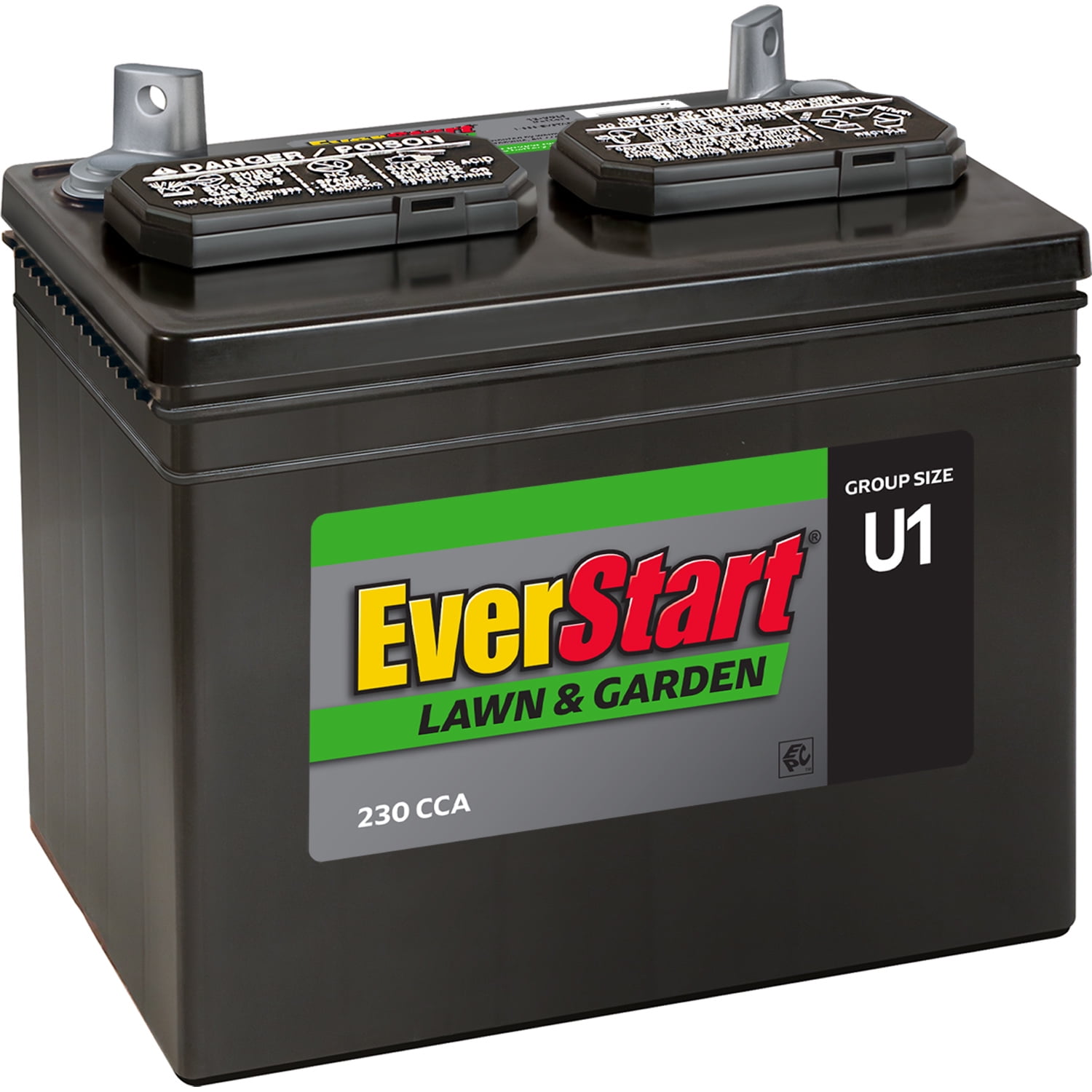
Image Source: i5.walmartimages.com
Deciphering Lawn Mower Battery Voltage
The voltage of a battery, measured in volts (V), indicates the electrical potential difference it provides. Think of it like water pressure in a pipe; higher pressure means more force. In a lawn mower, higher voltage generally translates to more power.
Common Voltages in Lawn Mowers
While 12 volts is the most common for traditional gasoline-powered mowers, other voltages are prevalent, especially with the rise of electric and cordless models.
- 6-Volt Batteries: These are less common now but were used in some older or very small electric mowers.
- 12-Volt Batteries: This is the standard lawn mower battery voltage for most gasoline-powered riding mowers, garden tractors, and zero-turn mowers. They are also found in some larger electric mowers.
- 18-Volt, 20-Volt, 40-Volt, 56-Volt, 80-Volt, and even higher: These voltages are typical for cordless mower battery volts and other electric lawn equipment. As voltage increases in electric mowers, so does their power and cutting capacity.
Why Voltage Matters for Mower Battery Power
The voltage of your lawn mower battery directly influences the mower battery power. A higher voltage system can often deliver more current (amperage) more efficiently, leading to:
- Stronger Starting: Especially important for gas mowers with electric start.
- Improved Cutting Performance: Electric mowers with higher voltage can often handle thicker grass and tougher conditions.
- Longer Run Times (in some electric applications): When paired with sufficient amperage and battery capacity (Ah), higher voltage can contribute to extended operation.
- Reduced Strain on Components: A correctly matched voltage ensures that motors and other electrical components operate within their designed parameters, preventing premature wear.
Lawn Mower Battery Types and Their Voltage Needs
The lawn mower battery voltage is intrinsically linked to the type of mower you own.
Riding Mower Battery Volts
Riding mower battery volts are almost universally 12 volts. These are typically lead-acid batteries, similar to those found in cars, designed to provide the high cranking amps needed to start a gasoline engine. They are usually a Group U1 or similar size, with capacities ranging from 30 to 50 Amp-hours (Ah). The starter motor and other electrical accessories on a riding mower are all designed to operate at 12 volts.
Electric Mower Battery Requirements
The world of electric mowers is diverse, and so are their battery voltage requirements.
Cordless Mower Battery Volts
Cordless mower battery volts have been steadily increasing to meet consumer demand for more power and longer run times.
- 18V/20V Systems: Often found in smaller, lighter cordless push mowers. These are typically designed for smaller yards and may use a single battery or two in series for 36V operation.
- 40V Systems: A very popular voltage range, offering a good balance of power and runtime for many homeowners. These systems often feature interchangeable batteries across different garden tools.
- 56V Systems: Known for delivering more robust power, suitable for slightly larger yards and thicker grass.
- 80V Systems: These are high-performance systems designed for users who need maximum power and extended runtimes, often comparable to or exceeding gas-powered mowers.
The choice of electric mower battery requirements often comes down to the size of your yard and the typical grass conditions you encounter.
Battery Voltage for Garden Tractor
Similar to riding mowers, the battery voltage for garden tractor models is almost always 12 volts. Garden tractors, being larger and more powerful than basic riding mowers, require the consistent and strong power delivery of a 12-volt system for starting their engines and powering lights, hydraulics (on some models), and other accessories.
Lawn Tractor Battery Specifications
Lawn tractor battery specifications mirror those of riding mowers and garden tractors, with 12 volts being the standard. The key differentiators in lawn tractor battery specifications often lie in the battery’s physical size (group size), its Cold Cranking Amps (CCA) rating, and its Amp-hour (Ah) capacity. These factors determine how reliably the tractor will start in cold weather and how long it can power accessories if the engine isn’t running.
Zero Turn Mower Battery Voltage
Zero turn mower battery voltage is also consistently 12 volts for gasoline-powered models. The powerful engines and hydraulic systems in zero-turn mowers demand the robust output of a 12-volt battery. While the voltage remains constant, the physical size and cranking power (CCA) of the battery can vary depending on the mower’s engine size and specific electrical demands.
Key Battery Specifications Beyond Voltage
While voltage is a primary concern, other specifications are equally important for ensuring your mower gets the right mower battery power.
Cold Cranking Amps (CCA)
CCA measures a battery’s ability to start an engine in cold temperatures. A higher CCA rating means the battery can deliver more power for a longer period at 0°F (-18°C). For gasoline mowers, especially those used in cooler climates or during early spring/late fall, a higher CCA rating is beneficial.
Amp-Hours (Ah)
Amp-hours indicate the battery’s capacity – how much energy it can store and deliver over time. A higher Ah rating means the battery can supply a given current for a longer duration. For electric mowers, Ah is particularly important for determining runtime.
Battery Type
- Lead-Acid Batteries: The traditional choice for gasoline mowers. These include flooded (wet cell), sealed lead-acid (SLA), absorbed glass mat (AGM), and gel batteries. AGM batteries are often preferred for their vibration resistance and maintenance-free operation.
- Lithium-Ion Batteries: The standard for modern cordless mowers. These offer lighter weight, faster charging, and longer lifespans compared to lead-acid batteries, but at a higher initial cost.
Matching the Right Battery to Your Mower
For Gasoline Mowers (Riding Mowers, Lawn Tractors, Zero Turns, Garden Tractors)
- Voltage: Always 12 volts.
- Group Size: Check your owner’s manual or the old battery for the correct group size (e.g., U1, Group 35, Group 24). This ensures it physically fits in the battery tray.
- CCA: Consult your manual for the minimum CCA requirement. If you live in a colder climate, consider a battery with a higher CCA rating than the minimum.
- Terminal Configuration: Ensure the positive and negative terminals are on the correct sides to match your mower’s wiring.
For Electric Mowers (Cordless Mowers)
- Voltage: This is the critical specification. You must match the voltage of the original battery or the voltage system your mower is designed for. Using a battery with a different voltage can damage the mower’s motor and electronics.
- Capacity (Ah or Wh): Higher capacity will generally mean longer runtimes. If replacing a battery, consider if you want more runtime or if the original capacity was sufficient.
- Amperage Output (A): Some high-performance electric mowers might also have specific amperage output requirements for their batteries.
- Connector Type: Ensure the battery’s connector matches the mower’s receptacle.
Battery Charging Voltage Lawn Mower
This aspect primarily relates to the charger used for electric mower batteries or if you are using a trickle charger for a gas mower’s 12V battery.
Charging Electric Mower Batteries
- Matching Voltage: The charger’s output voltage must match the battery’s voltage. A charger designed for a 40V battery will not safely charge an 80V battery, and vice versa.
- Charge Rate: Chargers have specific charge rates (often indicated in amps). Using a charger with an incorrect charge rate can damage the battery.
- Smart Charging: Most modern chargers for cordless mowers are “smart chargers” that manage the charging process to optimize battery health and prevent overcharging.
Charging 12V Gasoline Mower Batteries
- Battery Tender/Trickle Charger: For 12V batteries, a trickle charger or battery tender is ideal for maintaining the charge during off-seasons. These typically output a voltage slightly higher than 12V, often around 13.8V to 14.7V, to keep the battery topped off without overcharging.
- Standard Battery Charger: If using a standard automotive-style charger, select a 12V setting. Higher amperage settings will charge the battery faster but can generate more heat and potentially damage the battery if not monitored. Always follow the charger’s instructions.
Frequently Asked Questions (FAQ)
Can I use a higher voltage battery in my lawn mower?
No, you absolutely should not use a higher voltage battery than your lawn mower is designed for, especially for electric mowers. This can cause severe damage to the motor, control board, and other electrical components. For 12-volt systems (gas mowers), all 12-volt batteries are interchangeable as long as they fit physically and have adequate CCA.
Can I use a lower voltage battery in my lawn mower?
No, you should not use a lower voltage battery. For gas mowers, a lower voltage battery will likely not provide enough power to start the engine. For electric mowers, a lower voltage battery will not power the mower correctly and could potentially damage components due to insufficient voltage.
What happens if I use a battery with the wrong voltage?
Using a battery with the wrong voltage can lead to several problems:
* Higher Voltage: Can burn out motors, fry electronic control boards, and cause overheating.
* Lower Voltage: The mower may not start, will likely perform poorly, and could potentially damage components due to the increased current draw required to compensate.
How do I find the correct battery specifications for my mower?
The best resource is your lawn mower’s owner’s manual. It will specify the required voltage, recommended CCA, group size (for 12V batteries), and sometimes even specific battery types. If you don’t have the manual, look for labels on the old battery or search online using your mower’s make and model number.
What does the “Ah” rating mean on a lawn mower battery?
Ah stands for Amp-hours. It’s a measure of the battery’s capacity. A 50Ah battery can, in theory, deliver 5 amps for 10 hours, or 10 amps for 5 hours. For electric mowers, a higher Ah rating generally means longer runtimes on a single charge.
How often should I replace my lawn mower battery?
For 12V lead-acid batteries in gas mowers, expect to replace them every 3-5 years, depending on usage and maintenance. Lithium-ion batteries in electric mowers typically last longer, often 5-7 years or more, and often come with longer warranties.
What is the best way to maintain a lawn mower battery?
- For 12V Lead-Acid Batteries: Keep terminals clean, ensure the battery is securely mounted, check electrolyte levels (if applicable), and use a trickle charger during the off-season.
- For Lithium-Ion Batteries: Store them in a cool, dry place, avoid fully discharging them regularly, and use the charger recommended by the manufacturer.
What is the difference between CCA and MCA?
CCA stands for Cold Cranking Amps, the ability to start an engine at 0°F. MCA stands for Marine Cranking Amps, which measures the battery’s ability to start an engine at 32°F (0°C). CCA is generally a more demanding and useful metric for lawn mower batteries.
How do I check the battery charging voltage lawn mower?
You can use a multimeter set to DC voltage. Connect the red probe to the positive (+) terminal of the battery and the black probe to the negative (-) terminal. For a 12V battery, a fully charged battery should read around 12.6-12.8 volts when the engine is off. While charging, the voltage will be higher, around 13.8-14.7 volts, depending on the charger.
By paying close attention to the lawn mower battery voltage and other key specifications, you can ensure your mower starts reliably, performs efficiently, and lasts for many seasons. Whether you have a classic gas-powered machine or a cutting-edge electric model, the right battery is the heart of its operation.