
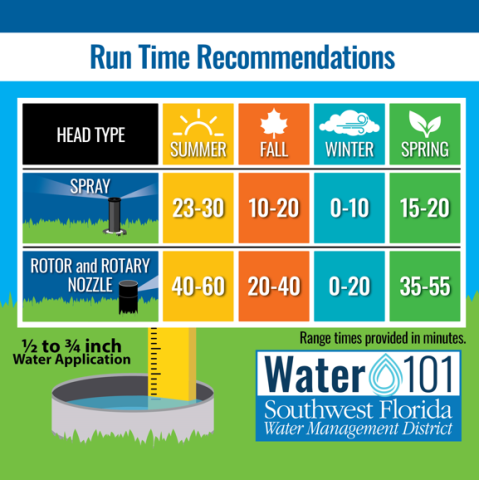
Image Source: www.swfwmd.state.fl.us
How Often Should You Water Your Lawn In Florida? A Comprehensive Guide
Florida’s unique climate presents a special challenge for lawn care. So, how often should you water your lawn in Florida? Generally, you should aim to water your lawn deeply but infrequently, providing about 1 to 1.5 inches of water per week, typically spread across one to three watering sessions, depending on the season and specific conditions.
Florida’s Thirsty Lawns: A Deep Dive into Watering Needs
Florida lawns, with their sandy soils and warm temperatures, often require more attention than those in other regions of the country. The Sunshine State’s climate is characterized by high humidity, frequent rainfall (often in concentrated bursts), and periods of intense heat. This creates a delicate balance for turfgrass, where overwatering can lead to disease and shallow root systems, while underwatering can cause stress and browning. Establishing a proper Florida lawn watering schedule is crucial for a healthy, vibrant, and resilient lawn.
Fathoming Florida’s Soil Types and Their Impact
Florida’s soils are predominantly sandy, which means they don’t retain moisture very well. Water tends to drain through quickly, carrying nutrients with it. This characteristic dictates a different watering approach compared to soils with higher clay content, which hold moisture for longer periods. Sandy soils require more frequent watering but also benefit from deep watering to encourage roots to grow deeper into the soil, seeking out moisture.
Interpreting Florida’s Weather Patterns for Watering Success
Orlando lawn watering, Tampa lawn watering, and Miami lawn watering all share commonalities due to Florida’s generally warm climate, but local microclimates and rainfall can vary.
- Summer: Expect higher humidity and frequent thunderstorms. While these downpours can provide significant moisture, they are often short-lived and may not penetrate deeply into the soil. Overwatering can occur if you continue your regular watering schedule during rainy periods.
- Fall: Temperatures begin to cool, and rainfall typically decreases. This is a critical time for strengthening the lawn before the cooler, drier winter months.
- Winter: Florida winters are generally mild, but they can be dry. Lawns still need water, though less frequently. Frost can impact certain grass types.
- Spring: As temperatures rise and rainfall patterns become more erratic, this season demands careful observation.
Deciphering Watering Restrictions in Florida
Many Florida municipalities have established watering restrictions to conserve water. These restrictions typically dictate which days and at what times you can water your lawn. It’s essential to be aware of and adhere to these regulations to avoid fines. These rules often vary by county and city, so staying informed about Duval County lawn watering or St. Johns County lawn watering rules, for instance, is paramount. Many restrictions are based on odd/even address numbers or specific watering days.
Crafting Your Florida Lawn Watering Schedule
A successful Florida lawn watering schedule is not a one-size-fits-all solution. It depends on several factors:
Grass Type: The Foundation of Your Watering Plan
Different grass types have varying water needs. Knowing your specific grass is the first step in creating an effective watering plan.
- St. Augustine Grass: A popular choice in Florida, especially for St. Augustine lawn watering, this grass is relatively drought-tolerant once established but still requires consistent moisture during hot periods. It generally prefers about 1 to 1.5 inches of water per week.
- Bahiagrass: Known for its drought tolerance and low maintenance, Bahiagrass is well-suited to sandy soils and requires less frequent watering than some other types.
- Bermudagrass: This grass is very drought-tolerant and can go longer periods without water, but it thrives with consistent moisture, especially during active growth.
- Zoysiagrass: Similar to Bermudagrass, Zoysiagrass is also drought-tolerant and can handle drier conditions.
Watering Needs by Grass Type (General Guidelines)
| Grass Type | Weekly Water Needs (Inches) | Frequency Suggestion (During Dry Spells) | Notes |
|---|---|---|---|
| St. Augustine | 1.0 – 1.5 | 1-2 times per week | Can wilt temporarily during heat, but bounces back with water. |
| Bahiagrass | 0.75 – 1.0 | 1 time per week | Very drought tolerant, often thrives on natural rainfall. |
| Bermudagrass | 1.0 – 1.25 | 1-2 times per week | Can go dormant in extreme drought but recovers. |
| Zoysiagrass | 0.75 – 1.0 | 1 time per week | Excellent drought tolerance. |
Seasonal Influences on Watering Frequency
Your watering needs will change throughout the year.
- Summer (June – August): This is typically the wettest period, but high temperatures and potential droughts mean you might still need to supplement. Water deeply and infrequently, especially if rainfall is inconsistent. Aim for 1 to 1.5 inches per week, applied in one or two sessions.
- Fall (September – November): As temperatures cool, your lawn’s water needs decrease. Continue to monitor rainfall. If you’re in Central Florida lawn care, you might see a shift towards drier periods. One watering session per week of 1 to 1.5 inches might be sufficient if there’s no rain. For South Florida lawn care, the rainy season can extend, so less supplemental watering is usually needed.
- Winter (December – February): Lawns are less active and require less water. One deep watering every two to three weeks may be enough, provided there’s no significant rainfall. Avoid watering when frost is expected.
- Spring (March – May): This is a transition period. As temperatures rise and the lawn begins its active growth phase, you’ll need to increase watering. Start with one deep watering per week, adjusting based on rainfall and heat. This is crucial for Panhandle lawn watering where spring weather can be unpredictable.
Soil Condition: The Unseen Factor
As mentioned, Florida’s sandy soils drain quickly. If your soil is exceptionally sandy, you might need to water slightly more often, but always prioritize deep watering. Compacted soil will also hinder water penetration, so aeration can be beneficial.
Weather Conditions: The Daily Determinant
- Heat: During prolonged heatwaves, your lawn will need more water. Look for signs of wilting, such as a bluish-gray tint or footprints that remain visible on the grass after walking on it.
- Wind: Windy conditions can dry out the soil and grass blades faster, increasing water needs.
- Rainfall: This is the most critical factor. Always check your rain gauge. If you’ve received an inch of rain, skip your scheduled watering.
Effective Watering Techniques for Florida Lawns
Simply turning on the sprinklers isn’t enough. How you water is just as important as how often.
Deep Watering vs. Shallow Watering
- Deep Watering: The goal is to moisten the soil to a depth of 4-6 inches. This encourages grass roots to grow deeper, making the lawn more drought-tolerant and resilient.
- Shallow Watering: This involves frequent, light sprinklings. It leads to shallow root systems, making the grass more susceptible to stress, disease, and drought.
Timing is Everything: When to Water Your Lawn
The best time to water your lawn in Florida is:
- Early Morning (4 AM – 10 AM): This is the ideal window. Watering in the morning allows the grass blades to dry before nightfall, which helps prevent fungal diseases. It also minimizes water loss due to evaporation from the sun’s heat.
- Avoid Midday Watering: The sun’s intense heat causes significant water evaporation, meaning less water actually reaches the roots.
- Avoid Evening Watering: Watering late in the evening or at night leaves the grass blades wet for extended periods, creating a perfect environment for fungal growth and diseases.
Sprinkler System Efficiency: Maximizing Every Drop
- Check for Leaks: Regularly inspect your sprinkler system for leaks, broken heads, or misaligned spray patterns.
- Adjust Sprinkler Heads: Ensure your sprinkler heads are watering the lawn and not the pavement or sidewalks.
- Watering Zones: If you have different grass types or soil conditions, consider setting up different watering zones with customized schedules.
- Rain Sensors: Installing a rain sensor on your irrigation system is an excellent way to automatically shut off sprinklers when it rains, preventing overwatering and saving water.
- Hydro-zones: Grouping plants with similar water needs together can optimize watering.
Identifying Signs Your Lawn Needs Water
Your lawn will tell you when it’s thirsty. Learn to read these cues:
- Color Change: The grass may take on a dull, bluish-gray or purplish hue.
- Footprints: If you walk on the lawn and the grass blades don’t spring back immediately, staying flattened, it’s a sign of dehydration.
- Wilting Blades: Individual grass blades may appear folded or curled.
- Dry Soil: Stick a screwdriver or trowel into the soil. If it’s difficult to push in, the soil is likely too dry.
Common Watering Mistakes to Avoid in Florida
- Watering Too Frequently and Too Lightly: This promotes shallow roots.
- Watering During Peak Heat: Much of the water is lost to evaporation.
- Watering at Night: This encourages disease.
- Ignoring Rainfall: Overwatering when it has rained is a common and wasteful mistake.
- Not Checking Local Watering Restrictions: Fines can result from non-compliance.
Adjusting Watering for Specific Florida Regions
While general principles apply across the state, some regional nuances are worth noting:
South Florida Lawn Care and Miami Lawn Watering
South Florida experiences a tropical climate with distinct wet and dry seasons. During the summer wet season, natural rainfall often suffices. However, during the dry season (typically November to May), supplemental watering becomes more critical. Adhering strictly to watering restrictions is paramount here, as water conservation is a major concern.
Central Florida Lawn Care and Orlando Lawn Watering
Central Florida experiences a climate that is a transition between South Florida’s tropical and North Florida’s more temperate zones. Summers are hot and humid with afternoon thunderstorms, while winters are mild but can have dry spells. A flexible watering schedule that accounts for these fluctuations is key.
North Florida and Panhandle Lawn Watering
North Florida, including the Panhandle, experiences more distinct seasons, including cooler winters and potentially drier periods in late fall and early spring. Grass types commonly found here might include Tall Fescue in some areas, which has different watering needs than St. Augustine. Panhandle lawn watering might require more attention during drier autumns and springs.
Duval County Lawn Watering and St. Johns County Lawn Watering
These Northeast Florida counties share similar climate patterns. Both are subject to watering restrictions that generally limit watering to specific days and times. The sandy soils common in this region necessitate careful watering practices to ensure adequate moisture without runoff.
Maintaining a Healthy Lawn: Beyond Watering
Watering is just one piece of the puzzle. Other South Florida lawn care and Central Florida lawn care practices contribute to a healthy lawn:
- Mowing: Mow at the correct height for your grass type, and never remove more than one-third of the blade at a time. Keep mower blades sharp.
- Fertilizing: Fertilize according to your grass type’s needs and the manufacturer’s recommendations. Avoid fertilizing before heavy rain, as it can wash away.
- Aeration: Aerating your lawn helps to relieve soil compaction, allowing water, air, and nutrients to reach the roots more effectively.
- Pest and Disease Control: Healthy, well-watered lawns are less susceptible to pests and diseases. Address any issues promptly.
Frequently Asked Questions about Florida Lawn Watering
Q1: How much water does my Florida lawn really need?
A1: Most Florida lawns need about 1 to 1.5 inches of water per week, delivered deeply and infrequently. This amount can fluctuate based on grass type, soil, and weather.
Q2: Can I water my lawn every day in Florida?
A2: Generally, no. Watering every day, especially with sprinklers, leads to shallow root systems and can encourage disease. Deep, infrequent watering is much better for lawn health and water conservation. Always check local watering restrictions.
Q3: What happens if I overwater my Florida lawn?
A3: Overwatering can lead to root rot, fungal diseases (like brown patch or dollar spot), increased weed growth, and shallow root development, making the lawn more vulnerable to drought and heat stress.
Q4: My lawn is turning brown. Is it dead or just needs water?
A4: Browning can be a sign of dehydration, but also disease or pest infestation. If the blades feel dry and crunchy, and footprints remain, it’s likely thirst. If the browning is patchy or accompanied by other symptoms, further investigation is needed.
Q5: How can I tell if my sprinklers are watering efficiently?
A5: Place empty tuna cans or shallow containers around your lawn. Run your sprinklers for a set time (e.g., 15 minutes) and measure the depth of water collected in the cans. This will give you an idea of how long you need to run your sprinklers to apply a specific amount of water. Also, check for even coverage and no water landing on hard surfaces.
By following these guidelines and adapting them to your specific lawn and local conditions, you can ensure your Florida lawn remains healthy, beautiful, and environmentally responsible.