
The price of compost per yard varies significantly, typically ranging from $20 to $70, depending on factors like type, quality, location, and whether it’s purchased in bulk or bags. This guide will delve into all aspects of compost pricing, from understanding the factors that influence cost to making informed purchasing decisions.
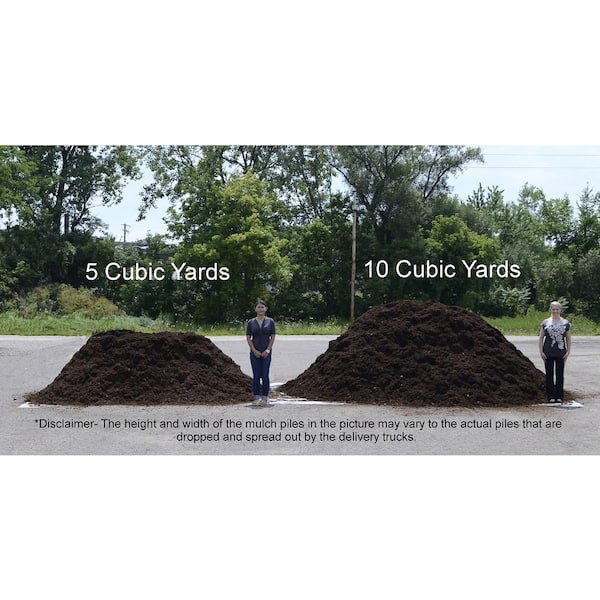
Image Source: images.thdstatic.com
Deciphering Compost Pricing: What Affects the Cost?
When you’re looking to buy compost by the yard, several elements contribute to the final compost price per cubic yard. These aren’t just about the material itself, but also about how it gets to your garden or project. Let’s break down the key influences on compost rates.
Quality of Compost: The Foundation of Cost
The quality of compost is a primary driver of its cost. High-quality compost, often referred to as “finished compost,” has undergone a thorough decomposition process, resulting in a stable, nutrient-rich material that is free of weed seeds and pathogens.
- Nutrient Content: Compost rich in essential plant nutrients like nitrogen, phosphorus, and potassium will command a higher price. This nutrient density makes it more valuable as a soil amendment.
- Maturity and Stability: Well-matured compost is dark, crumbly, and has an earthy smell. Immature compost can still contain active microbes that might compete with plants for nitrogen or even harm them. The time and expertise required to achieve proper maturity are reflected in the compost cost per yard.
- Particle Size and Texture: The consistency of compost matters. Finer textures are often preferred for seed starting mixes, while coarser compost is better for mulch or amending heavy soils. The screening process to achieve specific particle sizes adds to the overall cost.
- Source Materials: The origin of the compost materials plays a role. Compost made from high-quality, weed-free organic matter like food scraps, well-rotted manure, or specific plant materials can be more expensive than compost made from mixed yard waste.
Types of Compost: A Spectrum of Prices
Different types of compost are formulated for specific purposes, and this specialization often comes with varied pricing.
- All-Purpose Compost: This is the most common type, suitable for a wide range of gardening applications. Its compost pricing is generally mid-range.
- Mushroom Compost: This compost is the byproduct of mushroom farming. It’s often rich in nutrients and has a fine texture, making it a popular choice, though its bulk compost cost can be slightly higher.
- Mushroom Compost: This compost is the byproduct of mushroom farming. It’s often rich in nutrients and has a fine texture, making it a popular choice, though its bulk compost cost can be slightly higher.
- Manure-Based Compost: Compost made from aged animal manure (cow, horse, chicken) is very nutrient-dense. The cost of compost delivery for this type can vary based on the specific manure source and processing.
- Leaf Mold: This is decomposed leaf litter. It’s excellent for improving soil structure and moisture retention, but it typically takes longer to produce, which can influence its soil amendment cost per yard.
- High-Performance Blends: Specialty composts, often mixed with other beneficial ingredients like worm castings, mycorrhizal fungi, or specific nutrients, will naturally have a higher compost pricing due to the added value and ingredients.
Quantity: Bulk vs. Bagged Compost
The amount of compost you need significantly impacts the overall cost. You generally have two main purchasing options: buying in bulk or buying bagged compost.
- Bulk Compost: This is typically sold by the cubic yard and is the most economical option for larger projects. When you buy compost by the yard in bulk, you often receive a better yard of compost price.
- Advantages: Lower per-unit cost, less packaging waste, suitable for large gardens, landscaping projects, or commercial use.
- Disadvantages: Requires a truck or trailer for transport, minimum order quantities may apply.
- Bagged Compost: This is convenient for smaller gardening tasks or when you only need a few cubic feet. However, the bagged compost cost per unit is usually higher than bulk.
- Advantages: Easy to transport in a car, readily available at garden centers, convenient for small-scale use.
- Disadvantages: Significantly higher cost per cubic yard, more packaging waste, can be heavy and cumbersome to carry.
The bagged compost cost can range from $5 to $15 per bag, with each bag typically containing 1 to 2 cubic feet. To compare, 1 cubic yard is equal to 27 cubic feet. So, a 1.5 cubic foot bag would cost roughly $7.50, making a cubic yard of bagged compost approximately $135, significantly more than bulk.
Location and Accessibility: The Delivery Factor
The cost of compost delivery is a major consideration, especially when buying in bulk.
- Distance from Supplier: The further you are from a compost supplier, the higher the delivery charges will be. This is a key component of the cost of compost delivery.
- Delivery Vehicle: Suppliers use different vehicles (dump trucks, flatbed trucks) depending on the quantity. The type of vehicle and the associated fuel and labor costs influence the compost rates for delivery.
- Delivery Site Accessibility: If your delivery location is difficult to access (e.g., narrow gates, steep driveways, limited maneuvering space), there might be additional charges.
- Local Market Competition: In areas with many compost suppliers, prices might be more competitive. Conversely, in regions with fewer options, the compost price per cubic yard could be higher.
Seasonality and Demand: Timing Your Purchase
Like many commodities, compost prices can fluctuate based on seasonal demand.
- Spring and Summer: Demand for compost is highest during the spring and summer gardening seasons. This increased demand can sometimes lead to slightly higher prices or longer wait times for delivery.
- Fall and Winter: During the off-season, you might find more competitive compost rates or special offers. Purchasing compost in the fall can be a good strategy to prepare for the next planting season and potentially save on the soil amendment cost per yard.
Calculating Your Compost Needs and Costs
Before you buy compost by the yard, it’s essential to accurately estimate how much you need. This prevents overspending and ensures you have enough material for your project.
Estimating Compost Volume
The easiest way to visualize a cubic yard of compost is to think of a cube that is 3 feet long, 3 feet wide, and 3 feet high (3′ x 3′ x 3′ = 27 cubic feet).
Common Gardening Applications and Estimated Needs:
-
Amending Existing Garden Beds: For a typical 4-inch layer of compost over a 100 sq ft garden bed:
- Length: 10 ft
- Width: 10 ft
- Depth: 4 inches = 0.33 feet
- Volume = 10 ft x 10 ft x 0.33 ft = 33 cubic feet
- Cubic Yards = 33 cubic feet / 27 cubic feet/yard ≈ 1.22 cubic yards
-
New Raised Beds: If you’re building a raised bed that is 8 ft long, 4 ft wide, and 1 ft deep:
- Volume = 8 ft x 4 ft x 1 ft = 32 cubic feet
- Cubic Yards = 32 cubic feet / 27 cubic feet/yard ≈ 1.18 cubic yards
-
Top Dressing Lawns: For a thin layer (e.g., 1/2 inch) over a 1000 sq ft lawn:
- Length: 100 ft
- Width: 10 ft
- Depth: 0.5 inches = 0.0417 feet
- Volume = 100 ft x 10 ft x 0.0417 ft = 41.7 cubic feet
- Cubic Yards = 41.7 cubic feet / 27 cubic feet/yard ≈ 1.54 cubic yards
Using a Compost Cost Calculator
Many online garden supply stores and landscaping companies offer a compost cost calculator. These tools can help you input your project dimensions and quickly get an estimated volume and cost. Some calculators may also factor in delivery fees based on your zip code.
What is a Yard of Compost Price? Examining Average Costs
The yard of compost price is highly variable, but understanding the typical ranges can help you budget effectively. These figures are averages and can change based on the factors discussed earlier.
Average Bulk Compost Costs
When you buy compost by the yard in bulk, you’ll typically see these prices:
| Compost Type | Average Price Per Cubic Yard | Notes |
|---|---|---|
| All-Purpose Compost | $30 – $50 | Widely available, good for general use. |
| Mushroom Compost | $35 – $55 | Nutrient-rich, fine texture, often used for vegetable gardens. |
| Manure-Based Compost | $35 – $60 | Very nutrient-dense, excellent for boosting soil fertility. |
| High-Performance Blends | $45 – $70+ | Specialty mixes with added ingredients, higher nutrient content. |
| Basic Yard Waste Compost | $20 – $40 | May be less refined, good for mulch or less demanding applications. |
Average Bagged Compost Costs (for Comparison)
To highlight the savings of buying in bulk, consider these approximate costs for bagged compost equivalents:
- Cost per 1.5 cu ft bag: $5 – $15
- Cost per cubic yard (27 cu ft): ($5 to $15) * (27 / 1.5) = $90 – $270
This comparison clearly shows the significant cost savings when you buy compost by the yard in bulk.
The Cost of Compost Delivery: An Important Factor
The cost of compost delivery can add a substantial amount to your total bill. It’s not uncommon for delivery fees to range from $50 to $150 or more, depending on the supplier and distance.
How Delivery Charges Are Structured
- Flat Fee: Some suppliers charge a flat fee for delivery within a certain radius.
- Per Mile Fee: Others may charge a fee based on the distance from their yard to your location.
- Minimum Order for Delivery: Many suppliers have a minimum order quantity for delivery, often around 2-4 cubic yards.
- Hazardous or Difficult Delivery: If the delivery location is challenging to access, expect additional fees.
Tip: Always inquire about delivery charges upfront when getting quotes for bulk compost. Sometimes, consolidating deliveries with neighbors can help reduce individual costs.
Where to Buy Compost and Compare Prices
Finding the best compost rates requires a bit of research and comparison.
Local Garden Centers and Nurseries
- Pros: Convenient, accessible, staff can offer advice.
- Cons: Often sell bagged compost at a higher price, may have limited bulk options.
Landscape Supply Yards and Bulk Material Suppliers
- Pros: Best prices for bulk compost, larger quantities available, direct from the source.
- Cons: May require a truck or trailer for pickup, delivery fees can add up.
Municipal Composting Facilities
- Pros: Can be the most economical option, supports local waste diversion programs.
- Cons: Quality can vary, may have specific pickup times or require self-loading.
Online Retailers
- Pros: Wide selection, competitive pricing on bagged options, sometimes offer bulk delivery.
- Cons: Can’t inspect the product before buying, delivery costs for bulk can be high.
Actionable Step: Get quotes from at least two or three different suppliers in your area to compare the yard of compost price and delivery costs.
Maximizing Your Compost Investment: Tips for Smart Purchasing
To ensure you get the best value for your money, consider these tips:
1. Buy in Bulk for Larger Projects
If your project requires more than a few bags, buying in bulk is almost always more cost-effective. The compost price per cubic yard is significantly lower.
2. Compare Delivery Costs
Don’t just look at the compost price itself. Factor in the cost of compost delivery. Sometimes, a slightly higher compost price from a closer supplier with lower delivery fees is a better deal.
3. Inquire About Discounts
Ask if there are any discounts for larger orders, repeat customers, or off-season purchases.
4. Check for “Finished” or “Screened” Compost
While it might cost a bit more, finished and screened compost is generally of higher quality and free from debris and weed seeds, saving you time and effort later. This impacts the overall soil amendment cost per yard by ensuring a usable product.
5. Consider Different Compost Sources
If you’re looking for the lowest possible compost rates, explore municipal facilities or local farms that might offer compost. However, always assess the quality and maturity of the material.
The Benefits of Using Compost: Worth the Investment
While we’ve focused on the compost cost per yard, it’s crucial to remember the immense benefits compost brings to your garden and landscape. Investing in quality compost is an investment in the health of your soil and plants.
- Improved Soil Structure: Compost enhances drainage in clay soils and improves water retention in sandy soils.
- Nutrient Enrichment: It provides a slow-release source of essential plant nutrients, reducing the need for synthetic fertilizers.
- Increased Microbial Activity: Compost teems with beneficial microorganisms that help break down organic matter, make nutrients available to plants, and suppress plant diseases.
- Water Conservation: Compost-rich soil holds moisture more effectively, reducing watering needs.
- Weed Suppression: A layer of compost can act as a mulch, suppressing weed growth.
The soil amendment cost per yard invested in compost pays dividends in healthier plants, reduced water usage, and a more vibrant ecosystem in your garden.
Frequently Asked Questions About Compost Costs
Here are some common questions people have when trying to figure out how much compost is per yard.
Q1: What is the average cost of a cubic yard of compost?
A1: The average cost of a cubic yard of bulk compost typically ranges from $30 to $60, but this can vary widely based on quality, type, and location.
Q2: Is it cheaper to buy compost in bulk or in bags?
A2: It is almost always cheaper to buy compost in bulk when you buy compost by the yard, especially for larger projects. Bagged compost is more convenient for small amounts but significantly more expensive per unit.
Q3: What factors influence the compost price per cubic yard?
A3: Key factors include the quality of the materials used, the maturity and stability of the compost, the type of compost (e.g., mushroom, manure-based), quantity purchased (bulk vs. bagged), and delivery costs.
Q4: How much does compost delivery typically cost?
A4: Compost delivery costs can range from $50 to $150 or more, depending on the distance from the supplier, the amount of compost ordered, and site accessibility. It’s essential to get a quote for the cost of compost delivery.
Q5: How can I calculate how much compost I need?
A5: Measure the length, width, and desired depth of your garden area or project. Convert all measurements to feet and multiply them together (Length x Width x Depth). Then, divide the total cubic feet by 27 to get the number of cubic yards needed. Many online compost cost calculators can assist with this.
Q6: Are there cheaper alternatives to buying compost?
A6: While you can create your own compost, it takes time and effort. For purchasing, looking into municipal composting facilities or local farms might offer lower compost rates. However, always prioritize quality.
Q7: What is a good price for compost?
A7: A “good” price depends on your location and the quality you’re seeking. Generally, prices between $30-$50 per cubic yard for good quality, all-purpose bulk compost are considered reasonable. Always compare several sources.
By carefully considering these factors and doing your research, you can ensure you’re getting the best value for your gardening and landscaping needs when you buy compost by the yard.