
Can my yard flood? Yes, your yard can flood due to heavy rainfall, poor drainage, or nearby water sources. Fortunately, you can take steps to prevent your yard from flooding and protect your home.
Flooded yards are more than just an eyesore; they can lead to significant damage to your home’s foundation, landscaping, and even personal belongings. Water pooling in your yard can seep into your basement, creating damp, moldy conditions that are detrimental to your health and your home’s structure. This comprehensive guide will equip you with the knowledge and actionable strategies to tackle yard flooding head-on and ensure your outdoor space remains dry and your home remains safe. We’ll delve into various drainage solutions, explore yard drainage techniques, and discuss how to manage water runoff effectively, ultimately aiming to prevent basement flooding and maintain a healthy home environment.
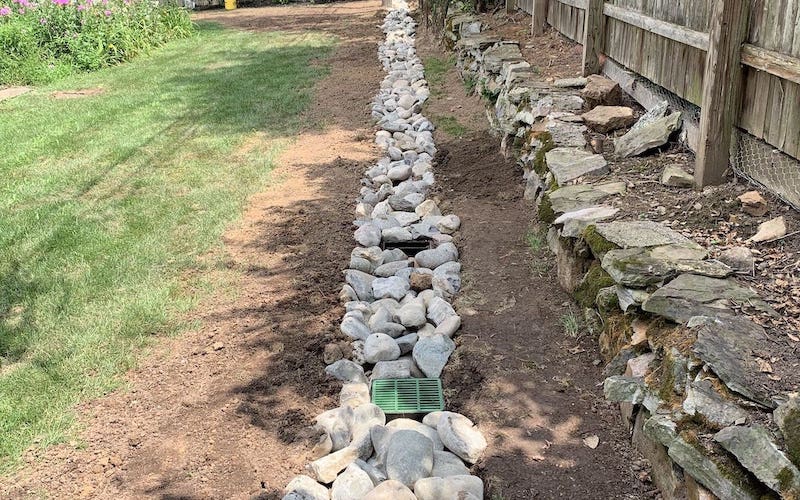
Image Source: hydroscapespa.com
Identifying the Causes of Yard Flooding
Before implementing solutions, it’s crucial to pinpoint why your yard is experiencing flooding. Several factors can contribute to water accumulation.
Common Culprits for Waterlogged Lawns
- Heavy Rainfall: Intense downpours can overwhelm your yard’s natural drainage capacity, especially if the soil is compacted or the slope is insufficient.
- Poor Soil Drainage: Clay-heavy soils drain much slower than sandy soils. If your soil is compacted, water has an even harder time penetrating.
- Impervious Surfaces: Driveways, patios, and sidewalks prevent water from soaking into the ground, forcing it to flow towards your house or low-lying areas.
- Low-Lying Areas: Natural depressions in your yard will collect water, especially after rain.
- Blocked Gutters and Downspouts: Clogged gutters can’t direct water away from your home’s foundation. Downspouts discharging water too close to the house will also cause problems.
- High Water Table: In some areas, the natural water level beneath the ground is high, making it difficult for surface water to drain away.
- Improper Grading: If your yard slopes towards your house, water will naturally flow in that direction, increasing the risk of basement flooding.
Essential Yard Drainage Solutions
Implementing effective drainage solutions is key to managing excess water. These methods aim to redirect water away from your home and prevent it from pooling.
Grading Your Yard: The Foundation of Good Drainage
Grading your yard is arguably the most fundamental yard drainage technique. It involves creating a gentle slope away from your home’s foundation.
Principles of Effective Yard Grading
- Positive Slope: The ground around your foundation should slope away at a rate of at least 1 inch per foot for the first 6 feet.
- Avoid Pooling Areas: Ensure there are no low spots where water can collect.
- Consistent Slope: The slope should be consistent, not having dips or rises that could trap water.
How to Assess Your Yard’s Grade
- Stakes and String: Drive stakes into the ground at regular intervals and stretch a string between them. Use a level to check if the string is consistently higher on the side away from your house.
- Water Test: On a rainy day, observe where water pools and where it flows. This will highlight problem areas.
Making Grading Improvements
- Adding Soil: In areas where the ground slopes towards your house, you can add topsoil to build up the grade.
- Excavation: In severe cases, you might need to excavate low-lying areas and backfill with appropriate soil to establish the correct slope.
- Professional Help: For significant grading issues, consider hiring a landscaping or excavation professional.
French Drain System: A Powerful Water Diverter
A French drain system is a trench filled with gravel or rock, containing a perforated pipe. It’s highly effective at collecting and redirecting subsurface water.
How a French Drain Works
- Trench Digging: A trench is dug, sloping away from the problem area towards a suitable outlet (like a lower part of your yard, a storm drain, or a dry well).
- Gravel Base: A layer of gravel is placed at the bottom of the trench.
- Pipe Placement: A perforated pipe, wrapped in filter fabric to prevent clogging, is laid on top of the gravel.
- Backfilling: The trench is filled with more gravel, covering the pipe. The filter fabric prevents soil from entering the pipe and causing blockages.
When to Consider a French Drain
- Waterlogged Lawns: If your lawn consistently stays wet for days after rain.
- Basement Dampness: If you notice moisture or flooding in your basement, especially near foundation walls.
- Surface Water Accumulation: If water tends to pool in specific areas of your yard.
Installation Considerations
- Outlet: The most crucial aspect is a proper outlet for the water. Ensure it’s placed where it won’t cause issues elsewhere.
- Slope: The pipe must have a consistent downward slope.
- Filter Fabric: This is essential to prevent the perforated pipe from clogging with soil.
Rain Garden Design: Nature’s Drainage Solution
A rain garden design utilizes a shallow depression planted with native vegetation to capture and absorb water runoff. It’s an aesthetically pleasing and environmentally friendly approach to storm water management.
Benefits of Rain Gardens
- Water Absorption: Plants and soil in the rain garden filter and absorb water, reducing the volume of runoff.
- Reduced Erosion: Slows down water flow, preventing soil erosion.
- Improved Water Quality: Filters pollutants from the water before it reaches waterways.
- Habitat Creation: Provides a habitat for local wildlife and pollinators.
Key Elements of Rain Garden Design
- Location: Choose a low-lying area where water naturally collects, ideally 10-20 feet away from your home’s foundation.
- Size and Depth: The size and depth depend on the amount of runoff you need to manage. Generally, they are 4-8 inches deep.
- Soil Mix: A well-draining soil mix (often a blend of sand, compost, and topsoil) is crucial.
- Plant Selection: Choose native, water-tolerant plants that can withstand both wet and dry periods.
- Inlet and Outlet: Plan how water will enter the garden (e.g., from a downspout or swale) and ensure there’s a way for excess water to exit if the garden becomes overwhelmed.
Planning Your Rain Garden
- Sketch Your Design: Draw a simple plan showing the garden’s shape, location, and plant groupings.
- Choose Plants: Research native plants suitable for your climate and soil conditions.
- Consider Edging: Use natural materials like rocks or logs for a defined edge.
Permeable Pavers: Letting Water Through
Permeable pavers are designed to allow water to pass through them and into the ground below, unlike traditional solid surfaces. This is a fantastic storm water management strategy for driveways, patios, and walkways.
How Permeable Pavers Work
Permeable pavers have small gaps between them, which are filled with gravel or sand. This allows rainwater to seep through the surface directly into the underlying base layers, where it can infiltrate the soil.
Advantages of Permeable Pavers
- Reduces Runoff: Significantly cuts down on surface water runoff.
- Recharges Groundwater: Allows water to replenish underground aquifers.
- Prevents Puddles: Minimizes standing water on surfaces.
- Aesthetically Pleasing: Available in various styles and colors to enhance your landscape.
Installation and Maintenance
- Proper Base: Requires a specialized base layer of aggregate to facilitate drainage.
- Regular Cleaning: Occasional sweeping or vacuuming of the paver joints is needed to prevent clogging.
Catch Basins and French Drains: Surface Water Collection
Catch basins are grates that sit at ground level, collecting surface water and directing it into an underground pipe system, often connected to a French drain system or other drainage outlets.
Function of Catch Basins
- Collect Surface Water: They act as entry points for water into the underground drainage network.
- Prevent Debris: The grate helps to prevent leaves, twigs, and larger debris from entering the drainage pipes and causing blockages.
- Direct Water Flow: They effectively channel water away from patios, driveways, and low-lying areas.
Installation and Use
- Strategic Placement: Install catch basins in areas where water accumulates most, such as at the bottom of slopes or in driveways.
- Connection: Connect them via underground pipes to your chosen drainage outlet.
- Maintenance: Regularly clean the grates to ensure optimal water flow.
Managing Water Runoff Effectively
Water runoff is the movement of water over the land’s surface. Managing it is crucial for preventing flooding and erosion.
Swales and Berms: Natural Water Channels
- Swales: These are shallow, broad, vegetated channels that slow down, absorb, and filter water runoff. They are essentially shallow ditches designed to convey water.
- Berms: These are raised mounds of earth, often planted with vegetation. They can be used to redirect water flow or to create a barrier against flooding.
How They Help
By creating gentle slopes and channels, swales and berms guide water away from vulnerable areas and allow some of it to soak into the ground, reducing the volume and velocity of runoff.
Downspout Extensions and Rain Barrels
- Downspout Extensions: Ensure your downspouts extend at least 5-10 feet away from your foundation. This is a simple yet highly effective way to prevent basement flooding.
- Rain Barrels: Collecting rainwater in rain barrels can significantly reduce the amount of water directed into your drainage system or onto your lawn. This collected water can then be used for gardening.
Preventing Basement Flooding: A Top Priority
The threat of water entering your basement is a primary concern when dealing with yard flooding.
Sump Pump Installation: Your Basement’s Guardian
A sump pump installation is a vital component of basement waterproofing. It’s a device installed in a sump pit (a hole dug at the lowest point of your basement) that pumps out any water that accumulates there.
How a Sump Pump Works
- Sump Pit: Water seeps into the basement floor and collects in the sump pit.
- Float Switch: When the water level in the pit rises, it activates a float switch.
- Pumping Action: The float switch turns on the sump pump, which draws the water out and discharges it through a pipe, typically away from your home’s foundation.
- Discharge Pipe: The discharge pipe should lead to a location where the water can drain safely without causing further problems.
Types of Sump Pumps
- Submersible Pumps: Placed directly in the sump pit. They are quieter and generally more durable.
- Pedestal Pumps: The motor sits above the pit, with a long shaft extending down to the impeller. They are typically less expensive.
Maintenance for Sump Pumps
- Regular Testing: Test your sump pump periodically, especially before the rainy season, by pouring water into the pit.
- Check Discharge Line: Ensure the discharge line is clear and not blocked.
- Battery Backup: Consider a battery backup system for your sump pump in case of power outages.
Foundation Drains (Weeping Tile)
These are perforated pipes installed around the exterior perimeter of your foundation footings. They collect groundwater that might otherwise pressure your basement walls and direct it to a sump pit or an exterior drainage outlet.
How Foundation Drains Work
- Collection: Groundwater seeps into the perforated pipes.
- Direction: The pipes carry the water to a designated discharge point.
- Pressure Relief: By collecting water at the foundation base, they relieve hydrostatic pressure against basement walls, a major cause of leaks.
Waterproofing Your Basement Walls
While external drainage is crucial, internal measures can further protect your basement.
- Sealants and Coatings: Applying waterproof sealants or coatings to interior basement walls can prevent moisture from penetrating.
- Interior Drainage Systems: These systems collect water that enters through wall-floor cracks and direct it to the sump pit.
Advanced Storm Water Management Techniques
For more complex storm water management challenges, consider these advanced strategies.
Dry Wells: Underground Water Storage
A dry well is an underground pit, typically lined with gravel or stone, designed to collect and slowly release large volumes of surface water into the surrounding soil.
When to Use Dry Wells
- High Volume Runoff: Ideal for managing water from downspouts or drainage systems in areas with limited infiltration capacity.
- Detention: They can temporarily store water, releasing it slowly to prevent overwhelming municipal storm drains.
Installation
- Excavation: A large hole is dug and lined with geotextile fabric.
- Gravel Fill: The hole is filled with washed gravel.
- Inlet Pipe: An inlet pipe from your drainage system connects to the dry well.
- Outlet (Optional): In some cases, an outlet pipe might be included for overflow.
Bioswales: Vegetated Channels for Water Filtration
Bioswales are specially engineered, vegetated channels designed to convey, treat, and infiltrate stormwater. They are similar to swales but often have specific soil mixes and plant selections optimized for water treatment.
Benefits of Bioswales
- Filtration: Remove pollutants from stormwater.
- Infiltration: Promote groundwater recharge.
- Flow Reduction: Slow down and reduce the volume of runoff.
Maintenance and Prevention: Ongoing Care
Regular maintenance is key to ensuring your yard drainage systems continue to function effectively.
Seasonal Yard Drainage Checks
- Spring: Clean gutters and downspouts, check for any winter damage to drainage systems, and inspect your yard for new low spots.
- Summer: Keep drainage channels and rain gardens clear of weeds. Test your sump pump.
- Fall: Again, clean gutters and downspouts thoroughly. Ensure downspout extensions are properly positioned. Remove leaves and debris from catch basins and drain grates.
- Winter: While less active, be aware of potential ice dams forming from poor drainage and ensure your sump pump discharge line is not frozen.
Gutter and Downspout Maintenance
- Regular Cleaning: Clogged gutters are a major contributor to foundation problems. Clean them at least twice a year, more if you have many trees.
- Downspout Extensions: Make sure they are directing water far enough from your house and are not blocked or damaged.
- Splash Blocks: Use splash blocks at the ends of downspouts to disperse water and prevent erosion.
Soil Compaction Management
Over time, soil can become compacted, reducing its ability to absorb water.
- Aeration: Regularly aerate your lawn, especially if it receives heavy foot traffic.
- Avoid Over-Compaction: Minimize driving or parking vehicles on your lawn.
Table: Comparing Drainage Solutions
| Solution | Best For | Pros | Cons |
|---|---|---|---|
| Grading Your Yard | General water redirection, preventing pooling | Fundamental, relatively low cost, improves overall yard appearance | Can be labor-intensive, may require professional help for significant changes |
| French Drain System | Subsurface water, wet basements, soggy lawns | Highly effective at removing groundwater, reduces hydrostatic pressure | Requires excavation, proper outlet is crucial, can be costly |
| Rain Garden Design | Managing surface runoff, eco-friendly | Natural water filtration, reduces erosion, enhances aesthetics | Requires proper plant selection, needs regular maintenance, may not handle extreme volumes |
| Permeable Pavers | Driveways, patios, walkways | Reduces runoff, replenishes groundwater, aesthetically pleasing | Higher initial cost, requires specialized installation, maintenance to prevent clogging |
| Catch Basins | Collecting surface water | Efficiently captures surface water, prevents debris in pipes | Requires underground piping, can be clogged if not maintained |
| Sump Pump Installation | Basement waterproofing | Actively removes water from basements, essential for flood defense | Requires electricity, can fail during power outages, requires maintenance |
| Dry Wells | High-volume runoff control, off-site discharge | Stores and infiltrates large amounts of water, reduces storm drain load | Requires significant excavation, effective outlet is essential |
| Bioswales | Stormwater filtration and infiltration | Treats water quality, reduces erosion, aesthetic addition | Requires specific design and plant selection, may not be suitable for all yards |
Frequently Asked Questions (FAQ)
Q: How much slope is needed to prevent yard flooding?
A: For effective drainage away from your foundation, a slope of at least 1 inch per foot for the first 6 feet is recommended.
Q: Can I install a French drain myself?
A: Yes, a DIY French drain system is possible for those with basic landscaping and excavation skills. However, for complex situations or if you’re unsure about the proper slope and outlet, professional installation is advisable.
Q: How often should I clean my gutters?
A: It’s generally recommended to clean your gutters at least twice a year, in the spring and fall. If you have many trees near your home, you may need to clean them more frequently.
Q: What is the best solution to prevent basement flooding?
A: A combination of external yard drainage improvements, such as proper grading and downspout extensions, along with an internal sump pump installation, is generally the most effective strategy to prevent basement flooding.
Q: Are rain gardens effective in all soil types?
A: While rain gardens work best in well-draining soils, they can be adapted for clay soils by incorporating a specialized soil mix and potentially an underdrain system. Proper rain garden design is key.
Q: How do permeable pavers help with storm water management?
A: Permeable pavers allow rainwater to seep through their surface and into the ground below, reducing the amount of water runoff that flows into storm drains and minimizing the risk of localized flooding.
By implementing these strategies, you can effectively manage water runoff, improve your yard drainage, and significantly reduce the risk of flooding impacting your home. Taking proactive steps now will save you from costly repairs and headaches in the future.