
The cost per cubic yard of sand can vary significantly, but generally, you can expect to pay anywhere from $20 to $60 per cubic yard for basic fill sand, with specialty sands like play sand or landscape sand costing more, potentially $40 to $100+ per cubic yard. Several factors influence the final price of sand by the yard, making it crucial to research local suppliers to find the best sand prices near me.
Whether you’re embarking on a major construction project, sprucing up your backyard with a new patio, or building a child’s dream sandbox, sand is a fundamental material. But like any commodity, its price isn’t a single, static number. The amount you’ll spend for a yard of sand depends on a variety of factors, from the type of sand you need to where you’re buying it from and how much you’re ordering. This guide will walk you through everything you need to know to accurately estimate your sand costs.
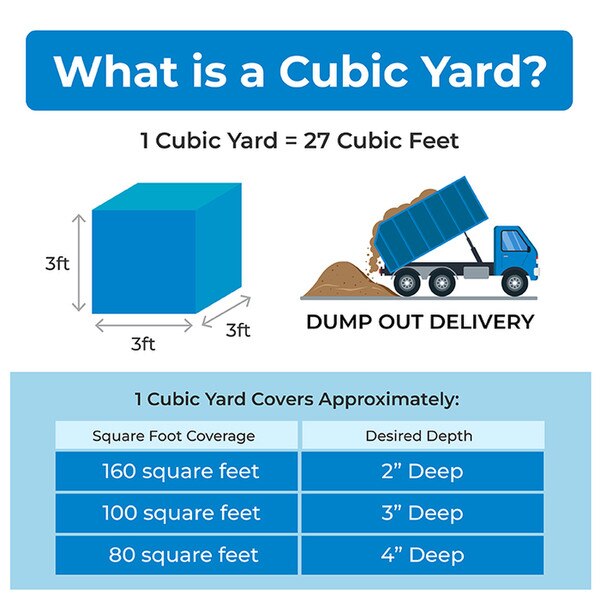
Image Source: www.cumminlandscapesupply.com
Deciphering the Price: What Influences Sand Costs?
Several elements come into play when determining how much a yard of sand will set you back. It’s not just the sand itself; the journey it takes to get to your project site plays a big role.
Type of Sand: Not All Grains Are Created Equal
The most significant factor influencing the cost per cubic yard of sand is its type and intended use. Different applications require different sand specifications, and these specifications often dictate the extraction and processing methods, which in turn affect the price.
-
Fill Sand (Common Fill, Utility Sand): This is your most basic and generally the most affordable option. Fill sand is often dredged from rivers or dug from large pits. It’s coarse, can contain small amounts of gravel or other debris, and is perfect for bulk applications like backfilling trenches, creating a base for driveways, or grading uneven ground. Its primary purpose is to add volume and provide a stable foundation. You’ll find this is often the cheapest price of sand by the yard.
-
Construction Sand (Concrete Sand, Masonry Sand): This type of sand has more specific grading requirements and is cleaner than fill sand. It’s essential for mixing concrete, mortar, and asphalt. Construction sand needs to have a consistent particle size and be free from organic matter and excessive clay or silt to ensure the structural integrity of the finished product. Because of the extra processing and quality control, it will cost more than basic fill sand. The construction sand price is a key budget consideration for builders.
-
Play Sand: Designed for children’s sandboxes and playgrounds, play sand is exceptionally clean, finely sifted, and free of sharp edges. It’s often washed and dried to ensure it’s safe and pleasant for little hands and feet. This added safety and comfort come at a higher price point compared to industrial or fill sands. The play sand cost reflects its purity and sifted nature.
-
Landscape Sand (Decorative Sand, Topping Sand): This category encompasses various types of sand used for aesthetic purposes in landscaping. This can include washed concrete sand for pathways, paver sand for stabilizing pavers, or decorative colored sands for flower beds or garden features. The price can vary widely depending on the color, grain size, and any specific treatments or washing processes involved. Landscape sand price is often tied to its visual appeal and ease of use in outdoor projects.
-
Specialty Sands (Golf Course Sand, Athletic Field Sand, Arts & Crafts Sand): These sands have very specific properties tailored for niche applications. Golf courses use specific bunker sands for drainage and playability, athletic fields require sands that provide proper cushioning and drainage, and art sand comes in a vast array of colors. These sands are typically the most expensive due to their specialized processing and high purity standards.
Quantity Matters: Bulk Sand Cost vs. Small Bags
When you’re ordering sand by the yard, the quantity you purchase can significantly impact the bulk sand cost.
-
Bagged Sand: Sand is often sold in bags ranging from 50 pounds to 100 pounds. While convenient for small projects, the price per cubic yard when buying bagged sand is almost always higher than buying in bulk. This is because bags add to the cost of packaging, handling, and individual sales. For example, a 50lb bag might cost $5-$10, which translates to a much higher per-yard price than buying a full yard delivered.
-
Bulk Sand (By the Yard or Ton): Most suppliers offer sand in bulk, typically measured by the cubic yard or ton. This is the most cost-effective way to buy sand for larger projects. When you’re buying multiple cubic yards, the bulk sand cost per unit decreases. This is due to economies of scale in extraction, transportation, and handling. If you need a significant amount of sand, ordering sand by the yard directly from a supplier is almost always the way to go.
Location, Location, Location: Proximity and Availability
Your geographical location plays a substantial role in the price of sand by the yard.
-
Local Availability: If you live in an area with abundant sand deposits and numerous suppliers, you’re likely to find more competitive pricing. Conversely, if sand has to be transported long distances to your region, the transportation costs will be factored into the final price. Searching for “sand prices near me” is a good starting point for finding local suppliers.
-
Delivery Fees: Most suppliers charge a delivery fee, especially for bulk orders. This fee can vary based on the distance from the supplier’s yard to your location and the size of the delivery. Some suppliers might offer free delivery if you meet a certain order minimum. Always factor in delivery costs when estimating sand cost.
Supplier Differences: Wholesalers vs. Retailers
The type of supplier you choose can also affect the cost per cubic yard of sand.
-
Sand and Gravel Yards: These are often the most direct source and tend to offer the most competitive bulk sand cost. They usually have large stockpiles and can deliver directly to your site.
-
Home Improvement Stores: While convenient for small projects and bagged materials, home improvement stores typically have higher prices per unit than dedicated sand and gravel suppliers, especially for bulk purchases.
-
Landscaping Supply Companies: These businesses often carry a wider variety of decorative and landscape sands but might also have higher markups compared to basic fill sand suppliers. Their landscape sand price will reflect the variety and quality they offer.
Estimating Your Sand Needs: How Much Do You Really Need?
Accurately calculating the amount of sand required is crucial for avoiding overspending or running out of material mid-project. The most common unit for sand is the cubic yard.
Calculating Volume: The Basics
To figure out how many cubic yards of sand you need, you’ll need to measure the dimensions of your project area and know the desired depth of the sand.
- Length (L): Measure the longest side of your area in feet.
- Width (W): Measure the shorter side of your area in feet.
- Depth (D): Decide how deep you want the sand layer to be in feet. (Remember: 1 foot = 12 inches, so a 3-inch depth is 0.25 feet, a 6-inch depth is 0.5 feet, etc.)
Formula for Volume in Cubic Feet:
Volume (cubic feet) = Length (ft) × Width (ft) × Depth (ft)
Converting Cubic Feet to Cubic Yards:
There are 27 cubic feet in 1 cubic yard. So, to convert your volume from cubic feet to cubic yards, divide by 27.
Formula for Volume in Cubic Yards:
Volume (cubic yards) = (Length (ft) × Width (ft) × Depth (ft)) / 27
Example Calculation:
Let’s say you need to fill a sandbox that is 8 feet long, 6 feet wide, and you want a depth of 1.5 feet (18 inches).
- Calculate Volume in Cubic Feet: 8 ft × 6 ft × 1.5 ft = 72 cubic feet
- Convert to Cubic Yards: 72 cubic feet / 27 cubic feet/yard = 2.67 cubic yards
Pro Tip: Always round up your calculation to the nearest half or whole yard when ordering sand by the yard to account for settling and potential inaccuracies. If your calculation is 2.67 yards, order 3 or even 3.5 yards to be safe.
Common Project Sand Requirements:
- Sandbox: A typical sandbox (e.g., 4ft x 4ft x 1ft deep) requires about 0.6 cubic yards of play sand. Ordering 1 cubic yard is usually sufficient.
- Paver Base: For a 100 sq ft patio with a 4-inch base (0.33 ft), you’ll need approximately 1.2 cubic yards of fill or construction sand.
- Concrete Mixing: The amount of sand needed for concrete depends on the mix ratio, but a general guideline for standard concrete is about 1.5 to 2 parts sand to 1 part cement and 3 parts gravel by volume.
The Price Tag: What You Can Expect to Pay
Let’s break down the typical price of sand by the yard for different types and scenarios. These are estimates and can fluctuate based on the factors mentioned above.
Price Ranges for Different Sand Types (Per Cubic Yard):
| Sand Type | Estimated Price Range (Per Cubic Yard) | Notes |
|---|---|---|
| Fill Sand | $20 – $45 | Most affordable; for bulk filling, grading, and backfill. |
| Construction Sand | $30 – $55 | Cleaner, better graded; for concrete, mortar, asphalt. |
| Landscape Sand | $40 – $70 | Varies by type (paver sand, decorative sand); often washed. |
| Play Sand | $45 – $90 | Highly sifted, clean, safe for children; higher purity. |
| Specialty Sands | $60 – $100+ | Golf course, athletic field, colored sands; highly specific needs. |
Important Considerations for Pricing:
- Bagged vs. Bulk: Remember that buying sand in 50lb bags can easily double or triple the effective cost per cubic yard of sand compared to bulk purchases.
- Delivery Costs: Add $50 to $200+ for delivery, depending on your location and the supplier. Some suppliers may quote a delivered price.
- Minimum Orders: Some suppliers have minimum order requirements for delivery, often 3-5 cubic yards.
- Local Market: Sand prices near me will be influenced by local competition and regional material costs.
Gravel vs. Sand Cost: A Comparison
It’s also helpful to compare the gravel vs sand cost. Generally, gravel can sometimes be slightly more expensive than basic fill sand, especially for decorative or washed gravel. However, prices can overlap significantly depending on the type and source.
- Fill Gravel: Similar to fill sand, this is the most basic and affordable gravel.
- Crushed Stone/Road Base: More processed gravel used for driveways and foundations.
- Decorative Gravel: Washed, screened, and often colored gravel for landscaping, which can be quite costly.
When budgeting, consider if sand or gravel is the better material for your specific application, as it can impact your overall material cost.
Ordering Sand by the Yard: Practical Tips
Getting the sand you need without overpaying requires a bit of savvy. Here’s how to approach ordering sand by the yard:
Step 1: Identify Your Needs
- Purpose: What will the sand be used for? This determines the type of sand required (fill, construction, play, landscape).
- Quantity: Calculate the volume needed using the methods described earlier. Always round up.
- Specifications: If you need specific grading, purity, or color, make a note of it.
Step 2: Research Local Suppliers
- Online Search: Use search terms like “sand prices near me,” “bulk sand delivery,” or “landscape supply yards.”
- Ask for Recommendations: Talk to contractors, landscapers, or neighbors who have recently completed similar projects.
- Contact Multiple Suppliers: Get quotes from at least 2-3 different local suppliers.
Step 3: Get Detailed Quotes
When you contact suppliers, ask for:
- Price per cubic yard: Specify the type of sand.
- Delivery Fee: Ask if it’s a flat fee or based on distance.
- Minimum Order Quantity: For delivery.
- Payment Terms: How and when payment is expected.
- Availability: When can they deliver?
Step 4: Compare and Choose
- Total Cost: Factor in the sand price, delivery fees, and any other charges.
- Reputation: Check online reviews or ask for references if you’re unsure about a supplier.
- Material Quality: If possible, ask about the source of their sand and its general specifications.
Step 5: Place Your Order
- Confirm Details: Double-check the type of sand, quantity, delivery address, and date/time.
- Site Preparation: Ensure the delivery area is accessible for the truck. Clear any obstacles.
- Payment: Have payment ready as per the agreed terms.
Frequently Asked Questions (FAQ)
Q: What is the average cost of a cubic yard of sand?
A: The average cost of a cubic yard of sand generally ranges from $20 to $90. Basic fill sand is at the lower end, while specialized sands like play sand or decorative landscape sands are at the higher end.
Q: Can I get a discount for ordering a large amount of sand?
A: Yes, most suppliers offer a reduced bulk sand cost per cubic yard when you order larger quantities, typically 5 cubic yards or more.
Q: Who is the cheapest place to buy sand?
A: Generally, direct sand and gravel yards or quarries are the cheapest places to buy sand in bulk. Home improvement stores are usually more expensive for bulk quantities.
Q: How much sand do I need for a driveway base?
A: For a typical driveway base, you’ll need a substantial amount of fill sand or crushed stone. A common depth is 6 inches. Always calculate your specific area dimensions (length x width x 0.5 ft depth) and divide by 27 for cubic yards.
Q: Is play sand more expensive than construction sand?
A: Yes, play sand cost is typically higher than construction sand because it undergoes more rigorous sifting and cleaning processes to ensure safety and comfort for children.
Q: Does the price of sand include delivery?
A: Usually not. Most suppliers will quote a price for the sand itself and then add a separate delivery fee. Always clarify this when getting quotes.
Q: How can I estimate sand cost for my project?
A: To estimate sand cost, first determine the type and quantity of sand needed in cubic yards. Then, research local suppliers for their price per cubic yard and delivery fees, and compare total costs.
Q: What’s the difference in price between sand and gravel?
A: The gravel vs sand cost can vary. Basic fill sand is often cheaper than basic fill gravel, but decorative or processed gravel can be more expensive than some types of sand. It depends heavily on the specific type of each material.
Q: When ordering sand by the yard, should I round up?
A: Absolutely. It’s always recommended to round up your sand calculation to the nearest half or full cubic yard. This accounts for settling and ensures you don’t run short, which is far more costly than having a little extra.
By following this guide, you can confidently navigate the process of acquiring sand for your next project, ensuring you get the right material at the best possible price.