
When should you water your lawn after fertilizing? Generally, it’s best to water your lawn shortly after applying fertilizer, ideally within 24 hours, to help the granules dissolve and reach the soil. This watering action also helps prevent the fertilizer from burning your grass.
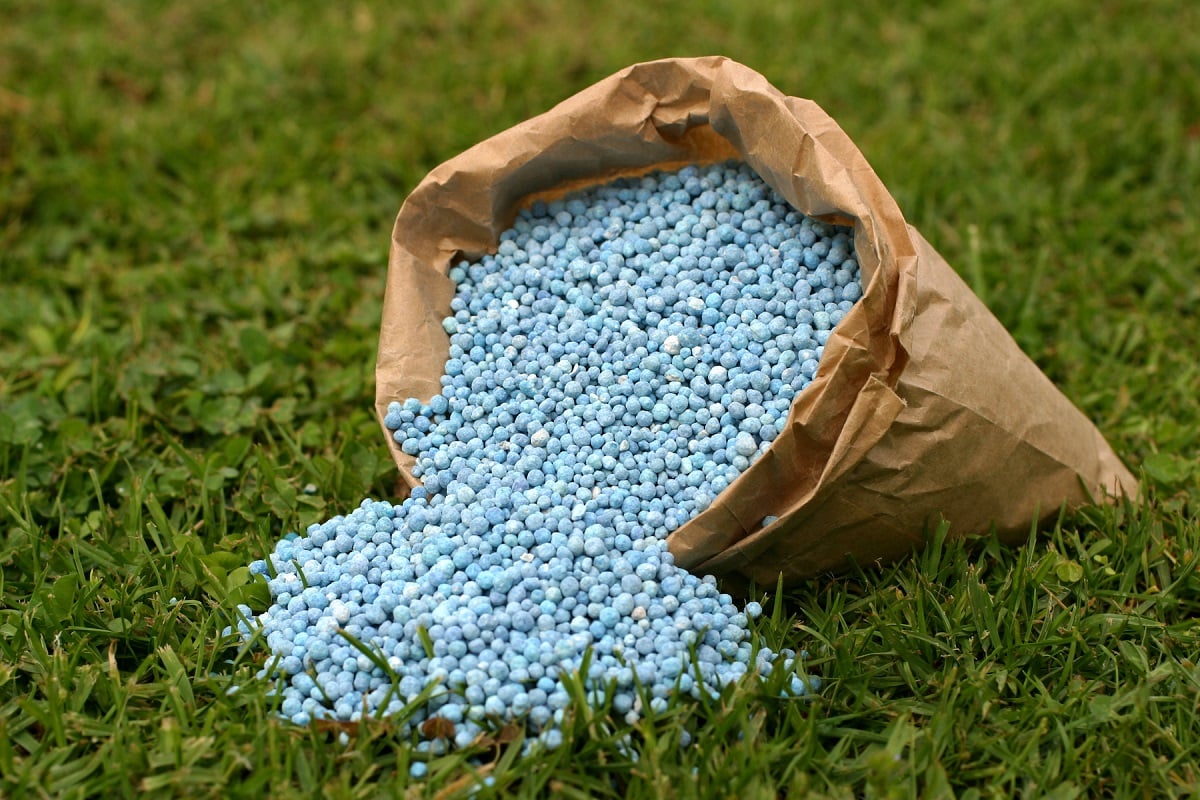
Image Source: www.lawnbuddies.com
The Crucial First Steps: Watering After Fertilizing
Applying fertilizer to your lawn is a significant step towards achieving a lush, green, and healthy turf. However, the work isn’t finished once the granules are spread. The timing and method of watering after you fertilize are just as critical as the application itself. This guide will delve deep into how long to water lawn after fertilizing, covering everything from immediate actions to long-term post-fertilization lawn care watering. We’ll explore the best practices for watering lawn after applying fertilizer to maximize its benefits and minimize potential damage.
Why Watering is Essential Post-Fertilization
Fertilizer, especially granular types, needs water to activate. Think of it like medicine that needs a carrier to get to where it needs to go. The water dissolves the nutrients, allowing them to seep into the soil and be absorbed by the grass roots. Without sufficient water, the fertilizer can sit on the surface, potentially harming the grass blades.
Here’s why prompt watering is so important:
- Nutrient Absorption: Water dissolves the fertilizer granules, enabling the grass roots to absorb the essential nutrients.
- Preventing Fertilizer Burn: Dry fertilizer can draw moisture out of the grass blades, causing them to turn brown and die. Watering helps wash the fertilizer off the blades and into the soil, preventing this burn.
- Activating Slow-Release Formulas: Even slow-release fertilizers benefit from an initial watering to start the release process.
- Settling the Fertilizer: Watering helps settle any loose granules, ensuring they are in contact with the soil and less likely to be blown away or washed away by heavy rain.
When to Water Lawn After Fertilization
The ideal time to water your lawn after fertilizing is crucial. As mentioned, the general rule is within 24 hours. However, let’s break down the specifics of when to water lawn after fertilization.
Immediate Watering vs. Waiting
- The Best Time: The absolute best time to water is shortly after you finish fertilizing, ideally within a few hours. This minimizes the time the fertilizer sits on the grass blades.
- Why Not Wait Too Long? Waiting more than 24 hours increases the risk of fertilizer burn. The longer the dry fertilizer remains on the grass, the more likely it is to damage the turf.
Considering the Type of Fertilizer
- Granular Fertilizers: These are the most common and benefit most from immediate watering. The water activates the granules and washes them from the blades.
- Liquid Fertilizers: Liquid fertilizers are already in a soluble form. While watering is still beneficial to help them penetrate the soil, the immediate urgency is less. However, it’s still good practice to water within 24 hours.
How Long to Water Lawn After Fertilizing: The Duration
So, you’ve applied the fertilizer. Now, how long should the sprinklers run? This is a common question, and the answer depends on several factors, but the goal is to provide enough moisture to activate the fertilizer without overwatering.
Determining the Right Amount of Water
The objective is to deliver about 1/4 to 1/2 inch of water. This is enough to dissolve the fertilizer and carry it into the soil’s root zone.
- How to Measure: You can use a rain gauge or place several empty tuna cans or shallow containers around your lawn before watering. Time how long it takes for your sprinklers to fill these containers to the desired depth. This will give you an accurate measurement for your lawn watering schedule after fertilizer.
Factors Influencing Watering Duration
Several elements will affect how long you need to water:
- Soil Type: Sandy soils drain quickly and may require shorter, more frequent watering. Clay soils retain moisture longer and might need less time per watering session.
- Weather Conditions:
- Hot and Dry: If it’s hot and dry, the water will evaporate more quickly, and your lawn will need more water to compensate.
- Humid or Cloudy: In humid or cloudy conditions, evaporation is slower, and you might not need to water as long.
- Sprinkler System Efficiency: Some sprinkler systems are more efficient than others. Check for even coverage.
- Recent Rainfall: If you’ve had significant rainfall recently, you might be able to delay watering or water for a shorter duration.
A Practical Approach to Watering Duration
Instead of focusing on a strict minute count, aim for the depth. A good starting point for many sprinkler systems is to run them for 15-30 minutes per zone. However, always check your rain gauges or cans to confirm you’re achieving the target 1/4 to 1/2 inch of water.
Post-Fertilization Lawn Care Watering: Best Practices
Effective post-fertilization lawn care watering is more than just turning on the sprinklers. It involves a thoughtful approach to ensure the health and vitality of your lawn.
Watering Frequency Lawn Fertilizer
After the initial watering to activate the fertilizer, how often should you continue watering? This depends on your lawn watering schedule after fertilizer and the time of year.
- During the Initial Activation: The first watering should be thorough but not excessive.
- Following Days: For the next week or two, monitor your lawn’s moisture levels. If the weather remains dry, continue with your regular watering schedule, ensuring the soil stays consistently moist, but not waterlogged. This helps the grass roots establish themselves and absorb the nutrients effectively.
- Seasonal Adjustments: Your watering frequency will change with the seasons. Lawns need more water during hot, dry summer months and less during cooler, wetter periods.
Watering Tips for Fertilized Lawn
Here are some essential watering tips for fertilized lawn:
- Water Deeply and Infrequently: Encourage deep root growth by watering thoroughly when needed, rather than light, frequent sprinklings. This allows water to penetrate deep into the soil.
- Avoid Watering During Peak Heat: Watering during the hottest part of the day can lead to significant water loss through evaporation. The best times are early morning or late evening.
- Best Time to Water Lawn After Fertilizing: As discussed, watering immediately after application is ideal. For ongoing care, early morning is generally preferred. It allows the grass blades to dry off during the day, reducing the risk of fungal diseases.
- Check Soil Moisture: Don’t just rely on a schedule. Stick your finger or a screwdriver into the soil. If it feels dry a few inches down, it’s time to water.
- Observe Your Lawn: Wilting grass blades or a dull, grayish-green color are signs that your lawn needs water.
- Adjust for Rainfall: If your area receives natural rainfall, factor that into your watering schedule. You may not need to water artificially if you’ve received enough natural moisture.
- Ensure Even Coverage: Make sure your sprinklers are covering your entire lawn evenly. Overlap sprinkler patterns to avoid dry spots.
Fertilizing Lawn Watering Guide: A Comprehensive Approach
Let’s put it all together into a practical fertilizing lawn watering guide.
Before Fertilizing
- Mow the Lawn: It’s often recommended to mow your lawn a day or two before fertilizing. This removes excess top growth, allowing the fertilizer granules to reach the soil more easily.
- Check the Weather: Avoid fertilizing if heavy rain is forecast, as it could wash the fertilizer away before it has a chance to work. Conversely, avoid fertilizing during extremely hot and dry periods without a plan for immediate watering.
During Fertilization
- Apply Evenly: Use a spreader for even application.
- Water Promptly: As soon as you finish fertilizing, begin watering.
After Fertilization
- Initial Watering: Water for 15-30 minutes per zone, aiming for 1/4 to 1/2 inch of water. Check your measurements.
- Ongoing Care:
- First Week: Ensure the soil remains consistently moist. Water deeply when the top inch of soil begins to dry.
- Subsequent Weeks: Follow your established lawn watering schedule after fertilizer. This typically means watering deeply (1 inch of water per week, including rainfall) once or twice a week, depending on weather and grass type.
- Monitor Your Lawn: Pay attention to the grass’s appearance and soil moisture levels.
Specific Watering Needs After Lawn Feeding
The watering needs after lawn feeding can vary slightly depending on the specific product used and the time of year.
Types of Fertilizers and Watering
- Weed and Feed Products: These often contain herbicides. It’s crucial to follow the product label instructions precisely. Some weed and feed products require the lawn to be dry at the time of application and for a period afterward to be effective. Others recommend watering shortly after. Always read and adhere to the specific instructions for your product.
- Starter Fertilizers: These are used when establishing new lawns. They often require consistent moisture for the first few weeks to help new grass seedlings establish strong root systems.
- Winterizers: Applied in the fall, these fertilizers help the lawn store energy for the winter. Watering them in helps them reach the roots before the ground freezes.
What Happens if You Don’t Water After Fertilizing?
The consequences of neglecting to water after fertilizing can be significant:
- Fertilizer Burn: As mentioned, this is the most common issue. Grass blades will turn yellow or brown and may die.
- Nutrient Lockout: Without water, nutrients can become “locked up” in the soil and unavailable to the grass.
- Ineffective Fertilization: The fertilizer won’t dissolve and reach the root zone, meaning your lawn won’t get the intended benefits.
- Weakened Turf: The stress from fertilizer burn or lack of nutrient uptake can weaken the grass, making it more susceptible to diseases, pests, and drought.
Troubleshooting Common Watering Issues After Fertilizing
Even with the best intentions, you might encounter issues. Here’s how to address them.
Yellowing Grass After Fertilizing
If you notice yellowing grass, it could be fertilizer burn.
- Immediate Action: If caught early, water the affected areas thoroughly and deeply to help flush excess fertilizer salts from the soil.
- Reseeding: If the damage is severe and large patches of grass have died, you may need to rake out the dead grass and reseed those areas.
Overwatering After Fertilizing
Overwatering can be just as detrimental as not watering enough.
- Signs: Soggy soil, yellowing grass (due to root rot), increased fungal activity, and shallow root systems.
- Correction: Allow the soil to dry out between watering sessions. Adjust your lawn watering schedule after fertilizer to be less frequent but deeper. Ensure your lawn has adequate drainage.
The Importance of Consistent Lawn Care
Fertilizing is just one component of a healthy lawn. Consistent watering, mowing, and aeration are also key. Your lawn watering schedule after fertilizer should integrate seamlessly into your overall lawn maintenance plan.
Creating a Lawn Watering Schedule After Fertilizer
Your schedule should be dynamic and responsive to the conditions.
- Spring: Lawns are actively growing and usually need moderate watering.
- Summer: This is the most demanding period. Water deeply and less often to encourage deep roots.
- Fall: As temperatures cool, watering needs decrease, but maintaining consistent moisture before winter is important.
- Winter: Generally, no watering is needed unless there’s an extended thaw and no precipitation.
Long-Term Benefits of Proper Watering
- Deeper Root Systems: Encourages grass to grow deeper roots, making it more drought-tolerant.
- Healthier Turf: Stronger grass is more resistant to diseases, pests, and weeds.
- Improved Appearance: A well-watered lawn is lush, green, and aesthetically pleasing.
Frequently Asked Questions (FAQ)
Q1: Can I water my lawn immediately after applying granular fertilizer?
Yes, it’s highly recommended to water your lawn shortly after applying granular fertilizer, ideally within 24 hours. This helps dissolve the granules, carry them into the soil, and prevent fertilizer burn on the grass blades.
Q2: How much water should I give my lawn after fertilizing?
You should aim to provide about 1/4 to 1/2 inch of water. This is enough to dissolve the fertilizer and move it into the root zone without over-saturating the soil.
Q3: What is the best time to water lawn after fertilizing?
The best time is as soon as possible after you finish fertilizing. For ongoing watering after the initial application, early morning is generally the best time to water your lawn.
Q4: My lawn turned yellow after fertilizing. What should I do?
Yellowing can indicate fertilizer burn. Water your lawn thoroughly to help flush out excess fertilizer. If the damage is severe, you may need to rake out the dead grass and reseed.
Q5: How often should I water my lawn after fertilizing?
For the first week after fertilizing, ensure the soil remains consistently moist. After that, revert to your regular watering schedule, typically watering deeply once or twice a week depending on weather conditions and grass type.
Q6: Should I water my lawn before fertilizing?
It’s generally not necessary to water right before fertilizing, but the lawn should not be excessively dry. If your lawn is already well-hydrated, it will handle the fertilizer better.
Q7: Do I need to water differently for liquid fertilizer compared to granular?
Liquid fertilizers are already dissolved, so the immediate need to wash them off blades is less. However, watering after applying liquid fertilizer still helps them penetrate the soil and reach the roots. A good rule is to water within 24 hours for both types.
By following this comprehensive guide, you can ensure your lawn benefits fully from fertilization, leading to a healthier, more vibrant, and resilient turf. Remember that observing your lawn and adapting your watering practices to its specific needs and environmental conditions is key to success.