
The cost to till a yard typically ranges from $100 to $400, with most homeowners spending around $250 for a medium-sized yard. This price can change based on factors like the size of your yard, the condition of your soil, and the services you need.
Tilling a yard might seem like a simple task, but it’s a crucial step for a healthy garden or a beautiful lawn. It breaks up compacted soil, making it easier for air, water, and nutrients to reach plant roots. It also helps mix in beneficial amendments like compost. But what does it really cost to get this job done? Let’s dig in.
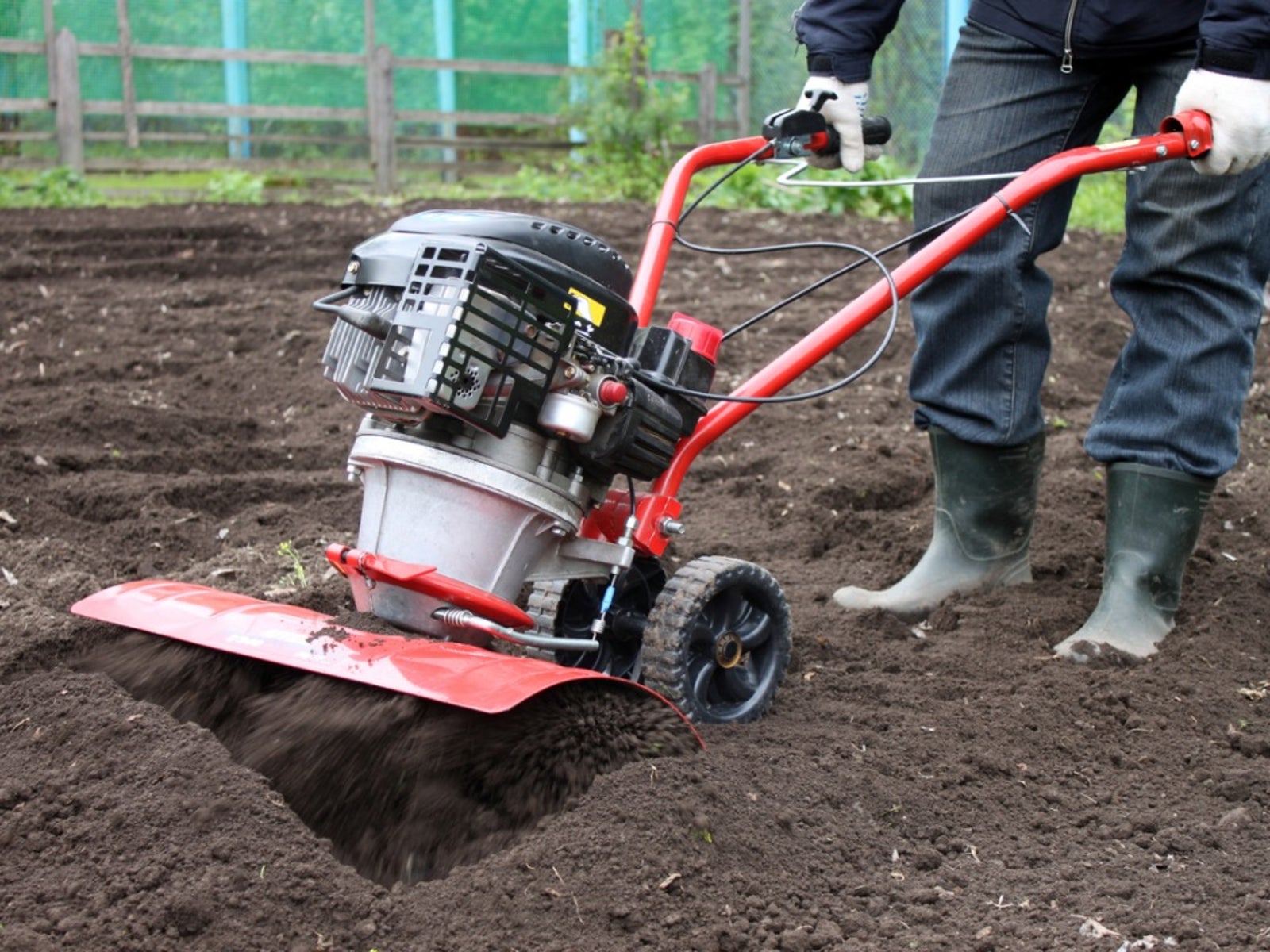
Image Source: cdn.mos.cms.futurecdn.net
Factors Influencing Yard Tilling Expenses
Several key elements play a role in how much you’ll pay for yard tilling services. Knowing these can help you get accurate quotes and budget effectively.
Size of the Yard
This is the most significant factor. Larger yards require more time, more fuel for the rototiller, and more effort.
- Small Yards (under 500 sq ft): These might cost between $75 and $150. This is often for small garden beds or a very compact area.
- Medium Yards (500-2,000 sq ft): Expect prices from $150 to $350. This is the most common range for typical residential yards.
- Large Yards (over 2,000 sq ft): Costs can easily climb to $350 and upwards, sometimes reaching $600 or more for very expansive properties. Some companies might charge a per-square-foot rate, typically between $0.20 and $0.60.
Soil Condition
The state of your soil greatly impacts the labor and machinery needed.
- Easy to Till Soil: Loose, sandy soil that hasn’t been compacted for years will be quicker and cheaper to till.
- Difficult to Till Soil:
- Heavy Clay: Clay soil is dense and can be challenging to break up. It might require multiple passes with the tiller, increasing the cost.
- Rocky Soil: Rocks, even small ones, can damage tiller blades or even the machine itself. If your yard is full of stones, expect higher prices for the extra care and potential equipment wear and tear.
- Overgrown Areas: If your yard is covered in thick grass, weeds, or even small shrubs, the service provider will need to account for clearing and dealing with the vegetation. This can significantly increase the yard preparation cost.
Type of Tilling Service
What exactly do you need done? This can affect the overall price.
- Basic Rototilling: This involves simply breaking up the soil surface. This is the most common and usually the cheapest option.
- Deep Tilling: For severe compaction or for planting deeper-rooted crops, deeper tilling might be required. This takes more passes and effort.
- Soil Cultivation Services: This broader term can include tilling, but also breaking up clods, preparing a fine seedbed, and incorporating amendments. This might cost more than basic tilling.
- Garden Bed Tilling: Focusing on specific areas like vegetable gardens or flower beds might be priced differently, often per bed or by the specific area needing work.
Soil Aeration Cost vs. Tilling
It’s important to distinguish between tilling and aeration.
- Soil Aeration: This process creates small holes in the soil to improve air and water circulation without turning the soil over completely. Soil aeration cost is generally lower than tilling, often ranging from $100 to $300 for a typical lawn.
- Tilling: This physically breaks up and churns the soil. It’s more intensive and therefore typically more expensive.
Sod Removal Cost and Digging Up Lawn
If you are removing an old lawn to start fresh, this adds another layer of cost.
- Cost to Dig Up Lawn: This involves removing the existing turf, roots and all. This can be done manually or with a sod cutter.
- Sod Removal Cost: Hiring professionals to remove sod can add $100 to $300 to your project, depending on the size and how they dispose of it. Once the sod is removed, the ground might still need tilling.
Soil Amendment Cost
Often, tilling goes hand-in-hand with improving the soil.
- Soil Amendment Cost: Adding compost, manure, or other organic matter to improve soil structure and fertility is common. The cost of these materials can add $50 to $200 or more to your bill, depending on how much you need and the quality of the amendments. This is often bundled into soil amendment cost quotes.
Additional Services
Some companies offer a complete package.
- Landscape Preparation Cost: This encompasses a wider range of services beyond just tilling, potentially including grading, leveling, and debris removal. Landscape preparation cost will be higher than just tilling.
- Debris Removal: If your yard has significant rocks, roots, or other debris, the cost to remove them before or after tilling can add to the bill.
Average Lawn Tilling Prices: A Breakdown
Here’s a general idea of what you might pay based on common scenarios:
| Service Type | Average Cost Range (Small Yard) | Average Cost Range (Medium Yard) | Average Cost Range (Large Yard) |
|---|---|---|---|
| Basic Rototilling | $75 – $150 | $150 – $350 | $350 – $600+ |
| Tilling with Amendments | $125 – $250 | $250 – $550 | $500 – $800+ |
| Sod Removal + Tilling | $175 – $350 | $350 – $700 | $700 – $1200+ |
| Garden Bed Tilling (per bed) | $30 – $75 | N/A | N/A |
Note: These are estimates. Prices can vary significantly by region and provider.
DIY vs. Professional Tilling
You can certainly rent a rototiller and tackle the job yourself. This can save money on labor, but there are things to consider.
DIY Costs
- Rototiller Rental: You can rent a small to medium-sized rototiller for about $50 to $100 per day. Larger, more powerful tillers might cost more.
- Fuel: Factor in the cost of gasoline.
- Your Time and Effort: Tilling is physically demanding work, especially in tough soil or on slopes.
- Potential Equipment Damage: If you’re not experienced, you could damage the rented tiller, incurring repair costs.
When to Hire a Professional
- Large Yards: If your yard is extensive, the sheer amount of work might make DIY impractical.
- Tough Soil: If you have clay or rocky soil, professionals have the equipment and expertise to handle it efficiently.
- Lack of Experience: If you’ve never used a rototiller before, it’s a good idea to let experienced pros handle it to avoid injury or damage.
- Time Constraints: If you’re short on time, hiring out the job is the most efficient solution.
- Need for Amendments: Professionals can often supply and incorporate soil amendments seamlessly.
Getting Quotes and Choosing a Provider
To get the best price and service, follow these steps:
1. Assess Your Needs
- Measure your yard accurately.
- Note the soil type and any visible problems (rocks, thick grass).
- Decide if you need any soil amendments.
- Determine if you need sod removal or just tilling.
2. Research Local Providers
Look for landscaping companies, lawn care services, or even specialized tilling services in your area. Check online reviews and ask for recommendations.
3. Get Multiple Quotes
Contact at least three different providers to compare pricing and services. Be specific about what you need. Ask for a detailed breakdown of costs, including labor, equipment, and any materials like amendments.
4. Ask About Their Process
- How deep do they till?
- Do they remove rocks or debris?
- What kind of equipment do they use?
- Do they offer soil amendment services, and what are the costs?
5. Clarify What’s Included
Ensure the quote covers everything, including cleanup and debris removal. Sometimes, sod removal cost might be a separate line item.
Timing Your Tilling Project
The best time to till your yard depends on your climate and what you plan to do afterward.
- For Spring Planting: Till in the fall if possible. This allows the soil to settle over winter, and frost action can help break down soil clumps. If fall tilling isn’t an option, till a few weeks before planting in spring. Avoid tilling when the soil is too wet, as this can cause compaction and damage soil structure.
- For Fall Planting: Till in late summer or early fall, giving the soil time to rest before planting.
Tilling and Soil Health
While tilling can be beneficial, it’s not always the best long-term solution for soil health.
- Tilling can disrupt soil structure: It can kill beneficial earthworms and microbes, and break down organic matter too quickly.
- Continuous tilling can lead to compaction layers below the tilled depth.
- Alternative methods: For ongoing lawn care, soil aeration cost for regular core aeration might be a better investment for long-term soil health than repeated tilling. No-till gardening methods are also gaining popularity.
Frequently Asked Questions About Yard Tilling Costs
Q: How much does it cost to till a 1/4 acre yard?
A: A 1/4 acre is approximately 10,890 square feet. For a yard of this size, you could expect to pay anywhere from $300 to $700 or more, depending on the soil condition and the specific services provided.
Q: Is tilling necessary before planting grass seed?
A: Yes, tilling is highly recommended before planting grass seed. It loosens the soil, which allows the seeds to germinate and establish roots more easily. It also helps incorporate topsoil or amendments for a better start.
Q: Can I till my own yard with a rental tiller?
A: Yes, you can rent a rototiller from most equipment rental stores. The cost typically ranges from $50 to $100 per day. However, consider your yard size, soil type, and your own physical ability before deciding to DIY.
Q: What is included in the cost of professional lawn tilling?
A: Typically, the cost includes the labor to operate the tiller, the use of the equipment, and basic cleanup of the tilled area. If you need additional services like sod removal, rock removal, or soil amendment incorporation, these will usually be extra charges. Always clarify what is included in your quote.
Q: How deep should a yard be tilled?
A: For most garden and lawn preparation, tilling to a depth of 4 to 8 inches is sufficient. This loosens the topsoil and allows for root growth and nutrient penetration. If your soil is severely compacted, deeper tilling might be necessary, but this will increase the cost.
Q: Does the cost change if I need garden bed tilling?
A: Yes, garden bed tilling is often priced differently, sometimes per square foot or per bed. It can be more cost-effective than tilling an entire yard if you only need specific areas addressed. Expect to pay roughly $30-$75 per average-sized garden bed.
By considering these factors and doing your research, you can accurately estimate how much to till a yard cost and ensure you get the best value for your investment.