
Watering new lawn seed correctly is crucial for successful germination and establishing a healthy, vibrant turf. The fundamental answer to how often should you water new lawn seed is: consistently and lightly, keeping the top inch of soil moist at all times, especially during the critical germination phase. This means watering multiple times a day, rather than one deep watering.
When to water new grass seed? The best time to water new grass seed is typically in the early morning, before the sun gets too hot. This allows the water to soak into the soil without evaporating too quickly. A second watering in the late afternoon can also be beneficial, as long as the grass blades are dry before nightfall to prevent fungal diseases.
Watering frequency for new sod is different than for seed. New sod requires deep watering to encourage the roots to grow down into the soil.
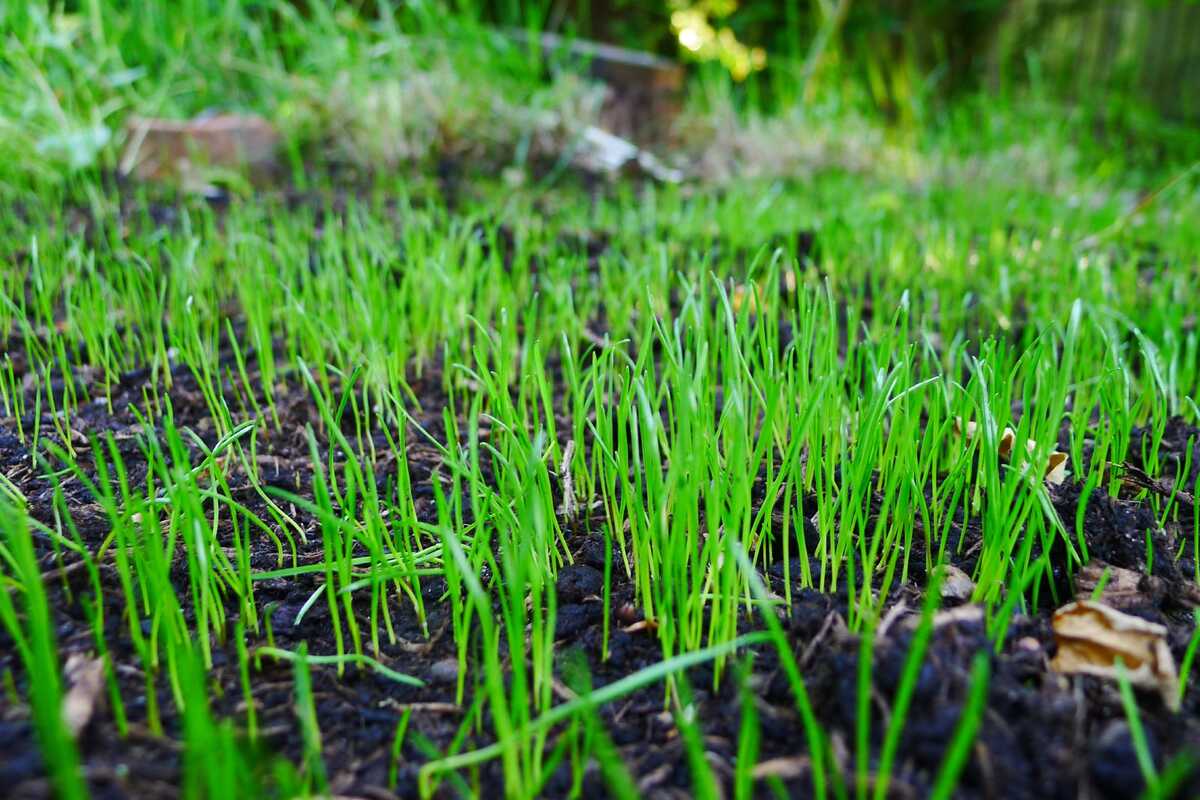
Image Source: www.lawnstarter.com
Crucial Watering for Germination
Germination is the magical time when tiny grass seeds sprout and begin their journey to becoming a lawn. During this period, their needs are very specific, and your watering practices will directly impact their survival. The primary goal is keeping grass seed moist. This isn’t about drowning them; it’s about creating a consistent, humid environment for them to awaken and grow.
Why Consistent Moisture is Key
Grass seeds need water to activate their internal processes. When a seed absorbs water, it swells, and enzymes are released to break down stored food reserves. This energy fuels the initial growth of the root and shoot. If the soil surface dries out even for a short period, the delicate new sprouts can wither and die before they even have a chance to establish themselves.
How Much Water for Grass Seed?
This is a common question, and the answer isn’t measured in gallons per square foot initially. Instead, focus on the feeling of the soil. You want the top inch of soil to be consistently damp, like a wrung-out sponge. Avoid waterlogging, which can suffocate the seeds and promote disease.
The Art of Misting New Lawn Seed
Misting new lawn seed is the most effective watering method during the germination stage. A gentle mist sprays fine droplets of water that coat the surface without dislodging the seeds or compacting the soil. Think of it as a gentle dew rather than a downpour.
- Frequency: You’ll likely need to mist 2-4 times a day, sometimes more, depending on your climate and weather conditions.
- Duration: Each misting session should be short, just enough to moisten the surface.
- Observation: Regularly check the soil moisture by gently touching it. If it feels dry, it’s time to mist again.
Developing a Watering Schedule for New Lawn
A watering schedule for new lawn establishment is less about a rigid clock and more about responsive care. The goal is to transition from the frequent, light misting of germination to a slightly deeper, less frequent watering as the grass blades grow taller.
Early Stages: The First 1-2 Weeks
During the first one to two weeks after sowing, your primary focus remains on keeping grass seed moist. This is the most critical phase.
- Daily Misting: Expect to mist at least twice a day, possibly three or four times if it’s hot and dry.
- Morning Watering: Best time to water new grass seed is early morning. This allows for maximum absorption before the day’s heat.
- Afternoon Boost: If temperatures soar, a light misting in the late afternoon can be beneficial. Ensure grass blades are mostly dry before nightfall.
- Soil Check: Continue to check soil moisture by touch. The surface should always feel damp.
Weeks 2-4: Encouraging Deeper Roots
As your grass seed begins to sprout and grow into seedlings, you can start to adjust your watering strategy. The aim now is to encourage roots to grow deeper into the soil, making the lawn more resilient.
- Reduce Frequency, Increase Duration (Slightly): Instead of misting, you can start using a sprinkler with a finer spray for a slightly longer duration. This encourages water to penetrate a little deeper.
- Watering Newly Seeded Areas: Continue to pay close attention to newly seeded areas. They are still vulnerable.
- Two Waterings a Day: You might still need to water twice a day, but each watering session can be a bit longer than a mist.
- Aim for 1/2 Inch Depth: The goal is to moisten the soil to about half an inch to an inch deep.
- Observe Grass Growth: As the grass grows taller, you can gradually increase the time between waterings, but never let the soil dry out completely.
Beyond Week 4: Towards a Mature Lawn
Once your grass is a few inches tall and looks like a nascent lawn, you can begin transitioning to a more mature lawn watering schedule.
- Deep and Infrequent Watering: The goal is now to water deeply, encouraging roots to seek out moisture further down.
- Water Once Daily (or Less): Aim to water once a day, or even every other day, depending on weather.
- Longer Watering Sessions: Water for longer periods so that the moisture penetrates 4-6 inches into the soil.
- Morning Watering is Best: Continue to water in the early morning to minimize evaporation and disease risk.
- Listen to Your Lawn: Wilting grass blades are a clear sign that it’s time to water.
Factors Influencing Watering Frequency
Several environmental and situational factors will dictate precisely how often should you water new lawn seed. A rigid schedule won’t work for everyone.
Climate and Temperature
- Hot and Dry Climates: In hot, arid regions, you’ll need to water much more frequently. The sun will quickly dry out the soil surface. Expect to mist multiple times a day, especially in the early stages.
- Cool and Humid Climates: In cooler, more humid areas, you might be able to get away with slightly less frequent watering. However, the risk of fungal diseases increases if the soil stays saturated for too long.
Soil Type
- Sandy Soils: These soils drain very quickly. They hold less water, meaning you’ll need to water more often to keep the top layer moist.
- Clay Soils: Clay soils retain moisture for much longer. Overwatering can be a significant problem, leading to waterlogging and disease. Water less frequently but ensure good coverage when you do water.
- Loam Soils: A good balance of sand, silt, and clay, loam soils generally offer good drainage and moisture retention, making watering easier to manage.
Wind Exposure
- Windy Conditions: Wind can dry out the soil surface rapidly, increasing the need for more frequent watering, particularly misting.
Sunlight Exposure
- Full Sun: Areas receiving direct sunlight all day will dry out faster than shaded areas.
- Shaded Areas: Shaded spots will retain moisture longer, requiring less frequent watering.
Type of Grass Seed
Different grass varieties have slightly different germination requirements and water needs.
- Cool-Season Grasses (e.g., Kentucky Bluegrass, Perennial Ryegrass, Fescues): These grasses typically germinate well in cooler temperatures and may require consistent moisture.
- Warm-Season Grasses (e.g., Bermuda Grass, Zoysia Grass): These grasses prefer warmer soil temperatures for germination and may have slightly different watering needs as they establish. It’s always best to consult the specific seed packaging for tailored advice.
Watering Advice for New Lawns: Best Practices
Applying sound watering advice for new lawns can make the difference between a lush green carpet and a patchy disappointment.
Use the Right Equipment
- Oscillating Sprinklers: These are great for even coverage over larger areas. Ensure the spray is fine enough to act like a mist initially.
- Soaker Hoses or Drip Irrigation: These can be excellent for delivering water directly to the soil without disturbing the seeds, especially in smaller or more delicate areas.
- Hand Watering with a Fine Rose: For very small patches or areas where you want precise control, a watering can with a fine rose attachment is ideal.
Observe and Adapt
Your eyes and your hands are your best tools.
- Visual Cues: Look for any signs of wilting or browning in the new grass.
- Soil Check: Regularly probe the soil with your finger or a small trowel. If the top inch feels dry, it’s time to water.
Avoid These Common Mistakes
- Overwatering: This is a common pitfall. Soggy soil can lead to seed rot, fungal diseases, and shallow root development.
- Underwatering: Letting the soil surface dry out will kill delicate sprouts.
- Watering in the Heat of the Day: Most of the water will evaporate before it can benefit the seeds.
- Heavy Watering Too Soon: A strong spray can wash away seeds or bury them too deep.
Watering Newly Seeded Areas: A Step-by-Step Approach
When watering newly seeded areas, consistency and gentleness are paramount.
Step 1: Initial Seeding and Watering
After you’ve sown your grass seed and lightly raked it in, water the entire area gently. Use a fine spray to settle the seeds into the soil without washing them away.
Step 2: Daily Monitoring and Misting (First 1-2 Weeks)
* Check the soil moisture first thing in the morning.
* If the surface feels dry, mist lightly for a short period.
* Check again around midday, especially if it’s warm. Mist again if needed.
* In the late afternoon, assess the moisture. If the surface is drying, give it another light mist.
* Ensure the soil surface never completely dries out.
Step 3: Transition to Slightly Deeper Watering (Weeks 2-4)
* As seedlings emerge, you can start to use a sprinkler with a finer spray for slightly longer durations, maybe once or twice a day.
* Aim to moisten the soil to about half an inch to an inch deep.
* Continue to monitor soil moisture closely.
Step 4: Developing a Mature Watering Routine (After 4 Weeks)
* Begin watering less frequently but more deeply.
* Water once every day or two, allowing the soil to dry out slightly between waterings.
* Ensure water penetrates 4-6 inches deep.
* Water in the morning.
Watering Frequency New Sod vs. Seed
It’s important to differentiate between watering new sod and new seed.
| Feature | New Lawn Seed | New Sod |
|---|---|---|
| Primary Goal | Keep germination zone consistently moist. | Encourage roots to grow into the soil below. |
| Watering Frequency | Multiple times a day (misting). | Once or twice a day initially, then less frequent. |
| Watering Depth | Surface to 1 inch deep. | Deep, to encourage root penetration (4-6 inches). |
| Watering Method | Gentle misting, fine spray. | Moderate spray, soaker hoses, or deep watering. |
| Key Concern | Preventing surface from drying out. | Preventing roots from drying out. |
| Transition | Gradual shift from misting to deeper watering. | Deep watering to anchor the sod. |
Watering Newly Seeded Areas: A Deeper Dive
When watering newly seeded areas, the goal is to create a consistent moisture environment for germination without creating waterlogged conditions. This requires diligence.
- Initial Soak: After sowing, give the area a good, but not forceful, soaking.
- Daily Check: Make it a ritual to check the soil’s moisture content at least twice a day, ideally in the morning and late afternoon.
- The Finger Test: This is your most reliable indicator. Push your finger about an inch into the soil. If it feels dry, it’s time to water.
- Mist, Don’t Drown: Use a sprinkler that produces a fine mist or a gentle shower. Avoid a heavy stream that can displace seeds or create puddles.
- Timing is Everything: Early morning is the best time. A second watering in the late afternoon can be beneficial, but ensure the grass blades have a chance to dry before nightfall to minimize disease risk.
- Consistency Over Quantity: It’s better to water lightly several times a day than to water heavily once a day. This keeps the germination zone consistently moist.
- Watch the Weather: If it’s exceptionally hot, dry, or windy, you may need to increase the frequency of your watering. Conversely, if it rains, you may be able to skip a watering session.
Frequently Asked Questions (FAQ)
Q1: Can I water new grass seed with a regular sprinkler?
Yes, but use a sprinkler that provides a fine spray or mist. Avoid sprinklers that deliver a heavy stream, as this can wash away seeds or bury them too deep. Adjust the sprinkler to cover the area evenly.
Q2: How do I know if I’m watering too much?
Signs of overwatering include the soil surface remaining constantly saturated and muddy, a moldy or fungal smell, or the grass seedlings appearing pale or diseased. Puddles forming on the surface are also a clear indication of too much water.
Q3: How do I know if I’m watering too little?
The most obvious sign of underwatering is the soil surface drying out completely. You might see the newly sprouted grass seedlings wilting, turning yellow, or developing brown tips. If the top inch of soil feels dry to the touch, it’s time to water.
Q4: My lawn has sprouted, but some areas are still bare. Should I reseed?
It’s best to wait until the initial seedlings are a few inches tall before considering reseeding. Continue to water the entire area consistently. Once the grass is established, you can then overseed any thin or bare patches.
Q5: How long does it take for grass seed to germinate?
Germination times vary depending on the type of grass seed and the environmental conditions. Most cool-season grasses will start to germinate within 5-14 days under ideal conditions, while warm-season grasses may take longer.
Q6: Is it okay to walk on a new lawn?
No, it’s crucial to avoid walking on newly seeded areas or young grass as much as possible. Foot traffic can compact the soil and damage delicate seedlings, hindering their establishment.
By following these guidelines, you’ll be well on your way to nurturing a beautiful, healthy lawn from seed. Remember, patience and consistent care are the cornerstones of success!