
Can you put lime on your lawn? Yes, you absolutely can, and often, you should! Lime is a powerful tool for improving your lawn’s health by adjusting its soil pH. When your soil is too acidic, it can hinder your grass’s ability to absorb essential nutrients, leading to poor grass growth and a less vibrant lawn. Applying lime helps to neutralize soil acidity, creating a more favorable environment for your turf. This simple soil amendment is a cornerstone of effective lawn care, promoting stronger roots and overall lawn health.
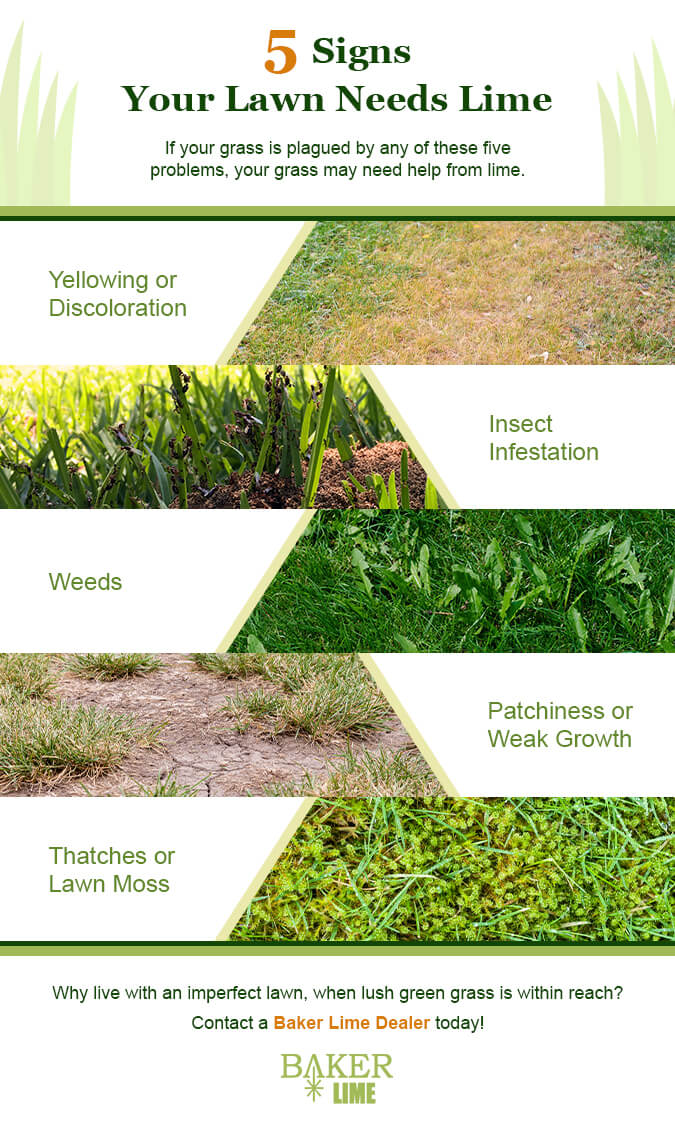
Image Source: www.bakerlime.com
Deciphering Soil pH: The Foundation of a Healthy Lawn
The health of your lawn is deeply intertwined with the soil pH. Think of pH as a scale from 0 to 14, with 7 being neutral. Anything below 7 is acidic, and anything above 7 is alkaline. Most grasses thrive in a slightly acidic to neutral range, typically between 6.0 and 7.0. When your soil’s pH drifts too far from this ideal zone, it can create a cascade of problems for your turf.
Why Soil Acidity is a Problem
Acidic soil can lock up vital nutrients that your grass needs to flourish. Even if these nutrients are present in the soil, the wrong pH level makes them unavailable for uptake by the grass roots. This is a common reason why lawns struggle to establish, grow thick, and resist disease, even with regular watering and fertilization.
The Nutrient Lock-Up Effect
- Phosphorus: Crucial for root development and seedling establishment, phosphorus availability decreases significantly in acidic soils.
- Potassium: Important for overall plant vigor and disease resistance, potassium also becomes less accessible when the soil is too acidic.
- Calcium and Magnesium: These essential secondary nutrients are critical for cell structure and photosynthesis. In acidic soils, they can leach out more readily and become harder for the grass to absorb.
What Happens in Acidic Soil?
- Weak Root Systems: Roots struggle to grow and spread, making the grass more susceptible to drought stress and damage.
- Increased Weed Invasion: Broadleaf weeds often tolerate acidic conditions better than desirable grass species, leading to a patchy and unappealing lawn.
- Reduced Fertilizer Efficiency: The nutrients in your fertilizers may not be effectively utilized by the grass, meaning you’re wasting money and not seeing the desired results.
- Susceptibility to Diseases and Pests: A weakened lawn is an open invitation for fungal diseases and insect infestations.
The Magic of Lime: Neutralizing Acidity for Better Growth
Lime, primarily calcium carbonate or magnesium carbonate, is a natural mineral that, when applied to the soil, raises the pH. It works by chemically reacting with the soil, reducing the concentration of hydrogen ions, which are responsible for acidity. This process helps to neutralize soil and bring the pH into a more favorable range for grass growth.
How Lime Works Its Wonders
When lime is applied to your lawn, it dissolves slowly in the soil moisture. The calcium or magnesium in the lime then exchanges with hydrogen ions on the soil particles. This effectively “buffers” the soil, reducing its acidity and making nutrients more available.
The Chemical Reaction in Simple Terms
Imagine soil particles as tiny magnets. In acidic soil, there are many “acidic” magnets clinging to them. When you add lime, it introduces “calming” magnets. These calming magnets swap places with the acidic magnets, making the soil less “clingy” to the acidity.
Benefits of Adding Lime
- Improved Nutrient Availability: As the pH rises, nutrients like phosphorus, potassium, calcium, and magnesium become more accessible to grass roots, leading to healthier, greener growth.
- Enhanced Soil Structure: Lime can help improve soil aggregation, creating better aeration and water penetration.
- Boosted Microbial Activity: Beneficial soil microbes, essential for nutrient cycling, thrive in a more balanced pH environment.
- Stronger, Deeper Roots: With better access to nutrients and improved soil conditions, grass roots can grow deeper, increasing drought tolerance and overall resilience.
- Reduced Aluminum Toxicity: In highly acidic soils, aluminum can be present in toxic amounts, hindering root growth. Lime helps to “tie up” aluminum, making it unavailable to plants.
When to Consider Lime Application: Recognizing the Signs
The most accurate way to determine if your lawn needs lime is through soil testing. However, there are several visual cues and common lawn issues that often point to acidic soil.
Signs Your Lawn Might Need Lime
- Moss Growth: Moss thrives in acidic conditions and is often an early indicator of low soil pH.
- Poor Fertilizer Response: If you fertilize regularly but don’t see the expected improvement in your lawn’s color and vigor, soil pH might be the culprit.
- Thin or Patchy Grass: Especially in areas where grass struggles to establish or maintain density, acidic soil can be a contributing factor.
- Presence of Broadleaf Weeds: Certain weeds, like dandelions and clover, can tolerate and even prefer more acidic conditions than turfgrass.
- Slow Grass Growth: If your lawn doesn’t grow as vigorously as it should, particularly after a period of good weather and watering, it could be a sign of nutrient deficiencies caused by acidity.
The Importance of Soil Testing
Soil testing is the definitive way to diagnose pH imbalances. Most local cooperative extension offices offer affordable soil testing services. They will analyze your soil and provide a detailed report, including the current pH level and recommendations for liming.
What a Soil Test Tells You
- pH Level: The exact acidity or alkalinity of your soil.
- Nutrient Levels: The presence and availability of essential macronutrients (nitrogen, phosphorus, potassium) and micronutrients.
- Organic Matter Content: An indicator of soil health and its ability to retain moisture and nutrients.
- Recommendations: Specific advice on which fertilizers and soil amendments, including lime, to use and in what quantities.
Conducting a DIY Soil Test
While professional testing is best, you can get a general idea with home test kits. These kits typically involve mixing a soil sample with water and a chemical indicator, or using pH strips. Follow the kit’s instructions carefully for the most accurate reading.
Types of Lime and Their Application
There are several types of lime available for lawn care, each with slightly different properties and benefits. The most common types are:
Common Lime Options
- Agricultural Lime (Pulverized Lime): This is the most common and cost-effective type. It’s finely ground limestone, providing calcium carbonate. It works relatively quickly to raise soil pH.
- Granular Lime: Pulverized lime is often mixed with a binder and formed into granules. This makes it easier to spread evenly with a broadcast spreader and reduces dust.
- Dolomitic Lime: This type of lime contains both calcium carbonate and magnesium carbonate. If your soil testing indicates low magnesium levels, dolomitic lime is a good choice as it addresses both pH and magnesium deficiency.
- Hydrated Lime (Quicklime): This is a highly caustic form of lime and is not recommended for homeowner use on lawns. It works very fast but can easily burn grass and damage soil structure if not applied correctly.
Choosing the Right Lime
The best type of lime for your lawn depends on your specific soil needs as revealed by soil testing. If you have a magnesium deficiency, opt for dolomitic lime. Otherwise, standard agricultural or granular lime is usually sufficient.
When to Apply Lime
- Fall: Fall is often considered the best time for lime application. As the soil is cooling down, the lime has ample time to dissolve and start neutralizing acidity before the spring growing season.
- Spring: Spring is also a suitable time, especially if you’re addressing a significant pH issue before the peak growing season.
- Avoid Applying with Fertilizers: Do not mix lime with your fertilizer in the spreader. Apply them separately, ideally weeks apart, as they can react and reduce the effectiveness of both.
- Avoid Application on Wet Grass: Applying lime to wet grass can cause it to stick to the blades and potentially burn them.
How Much Lime to Apply: The Dosage
The amount of lime needed depends on your soil’s current pH, its texture (sandy soils require less lime than clay soils), and the target pH. Always follow the recommendations from your soil testing report. Over-liming can be as detrimental as under-liming, leading to nutrient lockout and other issues.
A General Guideline (Consult Soil Test for Accuracy):
| Current Soil pH | Target Soil pH | Sandy Loam Soil (lbs per 1000 sq ft) | Loam Soil (lbs per 1000 sq ft) | Clay Soil (lbs per 1000 sq ft) |
|---|---|---|---|---|
| 5.0 | 6.5 | 50 | 75 | 100 |
| 5.5 | 6.5 | 35 | 50 | 75 |
| 6.0 | 6.5 | 20 | 30 | 45 |
Note: These are general estimates. Always refer to your specific soil test results for precise application rates.
How to Apply Lime Correctly
- Choose the Right Time: Select a calm day to minimize dust and ensure even distribution.
- Use a Spreader: A broadcast spreader or a drop spreader is ideal for achieving an even application.
- Calibrate Your Spreader: Before you start, calibrate your spreader according to the lime bag’s instructions to ensure you’re applying the correct amount.
- Spread Evenly: Walk at a consistent pace and overlap your passes slightly to avoid streaks of excess or missed areas.
- Water Lightly: After application, a light watering can help wash the lime off the grass blades and start the process of it reaching the soil.
Addressing Specific Lawn Issues with Lime
Lime isn’t a miracle cure for every lawn problem, but it’s a vital tool for correcting the underlying issues caused by acidic soil.
Tackling Moss and Thatch
Moss thrives in damp, shady, and acidic soil conditions. By raising the soil pH with lime, you make the environment less hospitable for moss, allowing your grass to outcompete it. While lime helps create better conditions for grass, addressing shade, poor drainage, and compaction are also crucial for long-term moss control.
Enhancing Fertilizer Effectiveness
When your soil pH is out of balance, fertilizers simply won’t work as efficiently. Applying lime to neutralize soil acidity ensures that the nitrogen, phosphorus, and potassium you’re adding can be readily absorbed by your grass. This means you’ll see better results from your fertilizing efforts, leading to a greener, thicker lawn.
Improving Soil Structure and Aeration
Over time, soil can become compacted, making it difficult for air, water, and nutrients to penetrate to the roots. Lime can help to flocculate clay soils, meaning the soil particles clump together, creating larger pore spaces. This improves aeration, drainage, and the overall structure of your soil, contributing to better lawn health.
Frequently Asked Questions About Lawn Lime
Q1: How often should I apply lime to my lawn?
A1: The frequency of lime application depends on your soil’s pH and how quickly it tends to become acidic again. Typically, you might need to apply lime every 1-3 years, based on soil testing results.
Q2: Can I apply lime and fertilizer at the same time?
A2: It’s generally not recommended to mix lime and fertilizer in the spreader or apply them at the exact same time. They can chemically interact, reducing the effectiveness of one or both. It’s best to apply them a few weeks apart.
Q3: Will lime kill my grass?
A3: When applied at the recommended rates and using the correct type of lime (avoiding hydrated lime), lime will not kill your grass. It is a beneficial soil amendment. However, over-application can cause problems.
Q4: My soil test says my pH is too high (alkaline). Should I use lime?
A4: No, if your soil is alkaline, you should not apply lime. Lime raises pH. If your soil is too alkaline, you might need to add elemental sulfur or an acidifying fertilizer to lower the pH. Always follow your soil test recommendations.
Q5: How long does it take for lime to work?
A5: Lime works gradually as it dissolves in the soil. You may start to see improvements in lawn health and color within a few weeks to months, but it can take 6 months to a year to fully adjust the soil pH.
Q6: What is the difference between lime and fertilizer?
A6: Lime is a soil amendment used primarily to adjust soil pH and improve nutrient availability. Fertilizer provides essential nutrients directly to the grass for growth. They serve different but complementary purposes in lawn care.
By taking the time to soil test and applying lime when needed, you can significantly improve your lawn’s soil pH, unlock nutrient potential, and foster robust grass growth, resulting in a healthier, more beautiful lawn.