
Can you use Irish Spring soap in your yard to keep pests away? Yes, many gardeners swear by Irish Spring soap as a natural pest deterrent. This simple bar soap can be a surprisingly effective tool in your garden protection arsenal, acting as a homemade repellent to keep unwanted visitors from munching on your precious plants. It’s a way to prevent garden damage without resorting to harsh chemicals, offering a gentle yet potent solution to keep animals away.
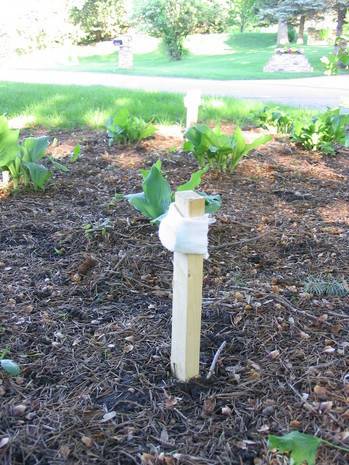
Image Source: www.curbly.com
The Gentle Power of Scent: How Irish Spring Works as a Pest Deterrent
The core of Irish Spring’s effectiveness lies in its strong, distinctive scent. While pleasant to humans, this aroma is often off-putting to a variety of common garden pests. Many animals, including deer, squirrels, and even some insects, have sensitive noses. They rely on their sense of smell to find food sources and navigate their environment. When they encounter the strong fragrance of Irish Spring, it can signal danger, an unfamiliar or unpleasant territory, or simply make the area less appealing for foraging. This makes it a valuable animal repellent.
Deciphering the Scent’s Impact on Garden Visitors
Think of it this way: if you walked into a room that smelled overwhelmingly of a strong perfume you disliked, you’d likely want to leave quickly. Pests often have a similar reaction to the potent fragrance of Irish Spring. The specific blend of ingredients, particularly the essential oils and perfumes used to create its signature scent, is what makes it so potent as a pest deterrent.
- Masking Edible Cues: The strong scent can mask the appealing aroma of your plants, making it harder for pests to locate them as a food source.
- Unpleasant Association: Over time, animals may associate the smell with a negative or uncomfortable experience, prompting them to avoid the area altogether.
- Disruption of Sensory Navigation: For creatures that rely heavily on scent to find food, the overwhelming fragrance can disrupt their ability to navigate and locate your garden.
What Pests Does Irish Spring Soap Help Deter?
While no single method is a guaranteed fix for every garden, Irish Spring soap has shown success in deterring a range of common garden nuisances. Its effectiveness is most often reported for:
- Deer: Deer are notorious for their love of tender garden plants. The strong scent of Irish Spring can make your garden unappealing to them.
- Squirrels: These agile rodents can wreak havoc, digging up bulbs and nibbling on fruits and vegetables. The scent can make your garden a less desirable destination.
- Rabbits: Similar to deer, rabbits are attracted to fresh greens. Irish Spring can offer some protection against their nibbling.
- Slugs and Snails: While not their primary deterrent, the abrasive texture and strong scent can make it harder for slugs to traverse areas where the soap is placed. It’s a way to deter slugs.
- Certain Insects: Some gardeners report success in deterring insects like ants and even some types of beetles with the soap’s scent.
Practical Applications: How to Use Irish Spring for Garden Protection
The beauty of using Irish Spring soap for natural pest control lies in its simplicity and affordability. There are several effective methods for deploying this homemade repellent in your garden. The key is to strategically place the soap where pests are likely to encounter it.
Method 1: The Bar Placement Strategy
This is perhaps the most straightforward approach.
- Preparation: Obtain a few bars of Irish Spring soap. The original green bar is often cited as the most effective, but other varieties may also work.
- Placement: Break or cut the bars into smaller pieces. You can also grate them.
- Strategic Distribution: Scatter these pieces around the perimeter of your garden beds, near plants that are particularly attractive to pests, or in areas where you frequently see animal activity.
- Reapplication: The scent will diminish over time, especially after rain. Reapply fresh pieces of soap every few weeks or after significant rainfall to maintain effectiveness.
Table 1: Bar Placement Guide
| Target Pest | Placement Strategy | Frequency of Reapplication |
|---|---|---|
| Deer | Scatter pieces around the entire garden perimeter and near vulnerable plants. | Every 2-3 weeks or after rain |
| Squirrels | Place pieces near prized plants, bird feeders, or known entry points to the yard. | Every 2 weeks or after rain |
| Rabbits | Distribute along the edges of garden beds and near low-lying plants. | Every 2 weeks or after rain |
| Slugs/Snails | Place small pieces directly around plants or on pathways they frequent. | Every week or after rain |
Method 2: The Grated Soap Spray
This method allows you to create a spray that can be applied directly to foliage, offering a broader area of protection.
- Grate the Soap: Use a cheese grater to finely grate one bar of Irish Spring soap.
- Dissolve the Soap: Mix the grated soap with about two quarts of warm water in a bucket or large container. Stir until the soap is completely dissolved.
- Add More Water: Once dissolved, add another two quarts of water to the mixture. This helps dilute the soap to a concentration that is less likely to burn plant leaves.
- Strain the Mixture: For best results and to prevent clogging your spray bottle, strain the liquid through cheesecloth or a fine-mesh sieve.
- Fill and Spray: Pour the strained liquid into a garden sprayer.
- Application: Spray the mixture directly onto the leaves of your plants, focusing on the areas most vulnerable to pests. You can also spray around the base of plants and the edges of your garden.
- Reapplication: Reapply the spray weekly, or more often if you notice pests returning or after heavy rain.
Method 3: Soap Pegs or Pouches
This is a less messy and often more visually appealing way to deploy the soap.
- Preparation: You can create soap pegs by drilling a small hole through a bar of Irish Spring soap.
- Placement: Thread a piece of sturdy twine or wire through the hole and hang the soap bar on stakes or branches near your plants. This keeps the soap elevated and less likely to wash away.
- Alternatively: You can also place chunks of soap inside old pantyhose or breathable fabric bags and tie them off, then hang them or place them strategically around the garden.
- Reapplication: Replace the soap bars or replenish the pouches as the scent fades.
Comprehending the Science (and Anecdotes) Behind the Efficacy
While the strong scent is the primary mechanism, there might be other contributing factors to Irish Spring’s success as a natural pest control.
The Role of Ingredients
Irish Spring soap contains a blend of fragrances and oils. While the exact formulations can vary slightly between product lines and over time, common ingredients that contribute to its strong scent include:
- Fragrance Oils: A proprietary blend designed to create the signature scent. These often include floral, herbal, and sometimes citrusy notes, which can be appealing to humans but irritating to animals.
- Glycerin: A humectant that helps retain moisture, but also a component in many soaps that can create a slightly slippery or unpleasant texture for some pests.
- Sodium Tallowate/Palmate: These are the saponified fats that form the base of the soap. While their primary function is cleaning, the residual chemicals after saponification might have an effect on certain insects or their ability to traverse surfaces.
Why “Natural”?
The term “natural pest control” refers to methods that avoid synthetic pesticides and chemical treatments. Irish Spring, being a manufactured product, isn’t entirely “natural” in the same way as, say, planting companion plants. However, it’s considered natural in the context of pest management because:
- Non-Toxic to Humans and Pets (Generally): When used as directed, it poses minimal risk to humans and pets. However, it should still be kept out of reach of pets who might chew on it, as ingesting large amounts could cause stomach upset.
- Biodegradable: The soap itself is designed to break down and is less persistent in the environment than many chemical pesticides.
- No Harmful Residues: It doesn’t leave behind toxic residues on fruits or vegetables that require extensive washing or pose long-term health risks.
Preventing Garden Damage: A Proactive Approach
Using Irish Spring soap is a proactive strategy to prevent garden damage before it happens. Instead of waiting for pests to decimate your plants, you’re creating an environment that discourages them from entering your garden in the first place. This is crucial for maintaining healthy plants and enjoying a bountiful harvest.
Why Prevention is Key
- Reduced Plant Stress: Pests can stress plants, making them more susceptible to diseases. By deterring pests early, you help your plants thrive.
- Healthier Produce: You can harvest your fruits and vegetables with confidence, knowing they haven’t been treated with harsh chemicals.
- Cost-Effective: Irish Spring is significantly cheaper than many commercial pest control products.
Keeping Animals Away: A Multi-Pronged Strategy
While Irish Spring soap is a valuable tool, it’s important to recognize that it’s often most effective when used as part of a broader pest management strategy.
Complementary Methods for Enhanced Protection
- Physical Barriers: Fencing, netting, or cages can be highly effective for protecting specific plants or entire garden areas from larger animals like deer and rabbits.
- Companion Planting: Certain plants naturally repel pests. For example, marigolds are known to deter nematodes, and basil can repel flies and mosquitoes.
- Watering Practices: Watering your garden in the morning can help prevent fungal diseases and also make the area less attractive to slugs and snails, which prefer moist conditions.
- Garden Cleanliness: Removing fallen fruit, weeds, and debris can eliminate hiding places and food sources for pests.
- Decoy Scare Tactics: Wind chimes, reflective tape, or motion-activated sprinklers can sometimes startle and deter animals, especially birds and squirrels.
The Importance of Consistency
The effectiveness of any animal repellent, including Irish Spring soap, relies on consistency. Animals can be persistent, and if the deterrent is removed or its scent fades, they may return. Regularly checking and reapplying your homemade repellent is key to successful garden protection.
Addressing Common Concerns and Questions
When introducing any new pest control method, it’s natural to have questions. Here are some frequently asked questions about using Irish Spring soap in the garden.
FAQ Section
Q1: Can I use any Irish Spring soap, or does it have to be the original green bar?
A1: While the original green bar is most commonly cited, many gardeners have had success with other scents of Irish Spring soap as well. The key is the strong, distinctive fragrance. Experiment with different varieties to see what works best in your specific situation.
Q2: Will Irish Spring soap harm my plants?
A2: When used as a spray, it’s crucial to dilute the soap properly. A concentrated solution can potentially burn plant leaves. The bar placement method generally poses less risk, but it’s always a good idea to test on a small area of a plant first, especially sensitive varieties, before applying it widely. Avoid spraying directly onto delicate seedlings.
Q3: How long does the scent last, and how often do I need to reapply?
A3: The longevity of the scent depends on environmental factors. Rain, wind, and even direct sunlight can cause the scent to dissipate more quickly. Generally, you’ll need to reapply pieces of soap or spray every 1-3 weeks, or immediately after heavy rain.
Q4: Will this method deter all pests?
A4: No single method is a universal solution for all garden pests. Irish Spring soap is a deterrent, not a killer. Its effectiveness can vary depending on the species of pest, the intensity of the infestation, and your specific environment. It’s best used as part of an integrated pest management strategy.
Q5: Is it safe for beneficial insects like bees and butterflies?
A5: The primary mechanism is scent deterrence, which is less likely to harm beneficial insects than chemical insecticides. However, it’s always best to avoid spraying directly onto flowering plants when pollinators are actively foraging. Applying the spray in the early morning or late evening, when pollinators are less active, can minimize potential impact.
Q6: Can I use Irish Spring soap in my vegetable garden?
A6: Yes, Irish Spring soap is often used in vegetable gardens. Since it’s considered a natural pest control method, it’s a popular choice for those seeking to avoid chemical residues on their produce. Just be sure to wash your vegetables thoroughly before eating, as you would with any produce from the garden.
Q7: What if the soap dissolves in the rain?
A7: If you’re using the bar placement method, the soap will gradually dissolve with exposure to moisture. This is normal and means the scent is being released. You will need to replace the soap pieces as they diminish. For the spray method, rain will wash it off, necessitating reapplication.
The Verdict: A Simple Solution for Garden Protection
In conclusion, placing Irish Spring soap in your yard is a well-established and cost-effective strategy for natural pest control. It acts as a powerful animal repellent by leveraging its strong scent to deter creatures like deer, squirrels, and rabbits, helping to prevent garden damage and protect your plants. By understanding how it works and employing simple application methods, you can create a more peaceful environment for your garden. This homemade repellent offers a gentle yet effective way to keep animals away, making it a valuable addition to any gardener’s toolkit seeking natural pest control solutions.
While it may not be a magic bullet for every garden pest problem, the accessibility, affordability, and natural approach of using Irish Spring soap make it a worthwhile experiment for any gardener looking to reduce reliance on chemical pesticides and promote a healthier, more sustainable garden. Happy gardening!