
Seeing mushrooms pop up in your lawn can be a bit perplexing. While they might seem unsightly, are they harmful? Generally, mushrooms in the lawn are a sign that your soil is healthy and rich in organic matter, and they are not directly harmful to your grass. In fact, many lawn mushrooms are the fruiting bodies of beneficial fungi that play a vital role in breaking down decaying organic matter and returning nutrients to the soil, which contributes to overall lawn health. However, if you’re concerned about their appearance or wonder about specific types, this guide will delve into the causes of mushrooms, how to manage them, and what they reveal about your lawn’s environment.
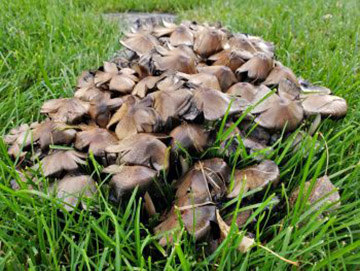
Image Source: organolawn.com
Deciphering Mushroom Growth in Your Yard
Mushrooms are the reproductive structures of fungi, similar to how flowers are for plants. They emerge when specific conditions are met, indicating a thriving underground fungal network. This network, called mycelium, lives in the soil and feeds on decaying organic matter. When the environment is just right – with adequate moisture, temperature, and food sources – the mycelium produces mushrooms.
The Fundamental Role of Fungi in Your Lawn
The presence of mushrooms is often a signal that your lawn’s ecosystem is functioning as it should.
- Decomposition: The underground mycelium tirelessly breaks down dead plant material, such as thatch, fallen leaves, and buried twigs. This process recycles nutrients, making them available for your grass.
- Nutrient Cycling: Without fungi, organic matter would accumulate, and essential nutrients would remain locked away. Fungal activity is crucial for a healthy soil food web.
- Soil Structure: Mycelium can help bind soil particles together, improving soil structure and aeration, which is beneficial for root growth.
Common Causes of Mushrooms in Lawns
Several factors contribute to the appearance of fungal growth in your yard. Pinpointing these can help you manage their presence.
Soil Conditions and Their Impact
The type and condition of your soil play a significant role in whether mushrooms appear.
- Rich Soil: Lawns with fertile soil, especially those with ample decaying organic matter, are more prone to mushrooms. This is because the fungi have a readily available food source.
- Compacted Soil: While fungi thrive in healthy soil, compacted areas can sometimes trap moisture and organic debris, creating ideal spots for mushroom development.
- Alkaline Soil: Some mushroom species prefer slightly alkaline soil conditions. If your soil pH is too high, it might encourage certain types of lawn mushrooms.
Moisture Levels: A Key Ingredient
Fungi require moisture to grow and reproduce, and this is perhaps the most common trigger for mushroom emergence.
- Consistent Rainfall: Periods of heavy or prolonged rain create the damp conditions that fungi love.
- Overwatering: If you’re watering your lawn too frequently or too much, you can create an overly moist environment.
- Poor Drainage: Areas of your lawn that don’t drain well can retain excess water, fostering fungal growth.
- Dew and Fog: Even without rain, heavy dew or persistent fog can provide enough surface moisture for mushrooms to appear.
Decaying Organic Matter: The Fungal Buffet
Mushrooms are essentially the fruiting bodies of fungi that feed on organic material.
- Thatch Buildup: A thick layer of thatch (dead grass stems and roots) on your lawn’s surface is a prime food source for fungi.
- Buried Debris: Old tree stumps, buried branches, composted materials, or even animal waste can provide food for mycelium, leading to mushrooms in those spots.
- Mulch Beds: If mulch beds are placed directly against the lawn, decaying mulch can encourage fungal activity that spreads into the grass.
Environmental Factors
Beyond soil and moisture, other environmental conditions can influence mushroom growth.
- Shady Areas: Many fungi thrive in shady, cooler conditions where moisture evaporates more slowly.
- Temperature Fluctuations: A combination of warm temperatures and recent rain is often ideal for mushroom development.
- Aeration Practices: While aeration generally improves lawn health, if a recent aeration mixed buried organic matter closer to the surface, it could temporarily lead to more mushrooms.
Identifying Lawn Mushrooms: What Are You Seeing?
Mushroom identification is crucial if you have concerns about toxicity or specific management strategies. While many lawn mushrooms are harmless, some can be poisonous, especially to pets and children. It’s always best to err on the side of caution.
Common Types of Lawn Mushrooms
Here are some types of mushrooms you might commonly find in your lawn:
| Mushroom Type | Appearance | Potential Lawn Impact |
|---|---|---|
| Fairy Rings | Rings or arcs of darker green grass, often with mushrooms growing around the border. | Can indicate a dense layer of thatch or compacted soil beneath. The fungi can sometimes stress the grass within the ring, but are generally not destructive. |
| Ink Caps | Small, bell-shaped mushrooms that dissolve into a black, inky liquid as they age. | Often appear in damp, fertile soil. Harmless and disappear quickly. |
| Puffballs | Round or pear-shaped mushrooms that release spores when disturbed or mature. | Generally harmless. Immature, firm white puffballs are usually safe, but avoid consuming any unless positively identified by an expert. |
| Field Mushrooms | Similar to cultivated mushrooms, with caps and stems. | Often found in grassy fields. May be edible, but proper identification is essential. |
| Coprinus | A genus of mushrooms that also ink off. | Often appear in damp conditions, particularly after rain. Harmless to lawns. |
When to Be Concerned: Toxic Varieties
If you have pets or small children who might interact with the mushrooms, or if you are concerned about accidental ingestion, proper mushroom identification is vital.
- Amanita Species: Some Amanita mushrooms, like the Destroying Angel, are highly toxic and can be deadly. They often have white gills, a ring on the stem, and a volva (cup-like structure) at the base.
- Little Brown Mushrooms (LBMs): This is a broad category, and many LBMs are poisonous. They are small, brown, and can be difficult to identify without expertise.
Recommendation: If you suspect you have toxic mushrooms, do not touch them. Keep pets and children away from the affected areas and consult a local mycological society or a professional for identification and removal advice.
Managing Mushrooms: Solutions for Your Lawn
While mushrooms are often a sign of a healthy soil ecosystem, you might still want to manage their appearance. Here’s how to tackle them.
Prompt Mushroom Removal Strategies
If you simply want to get rid of the mushrooms you see, several methods work.
Manual Removal
This is the most straightforward approach for immediate visual improvement.
- Pulling by Hand: Gently pull the mushrooms from the ground, ensuring you get the entire stalk.
- Using a Spade or Shovel: For larger clusters, a spade can help dig them out.
- Dispose Properly: Place the removed mushrooms in a sealed bag and discard them in the trash to prevent spore dispersal.
Important Note: Manual mushroom removal doesn’t address the underlying cause. The mycelium will remain in the soil and can produce more mushrooms when conditions are favorable.
Other Removal Techniques
- Mowing: Regularly mowing your lawn can chop up the mushrooms and make them less noticeable. However, this doesn’t eliminate the mycelium.
- Watering Adjustments: If overwatering is the culprit, reduce the frequency and duration of your watering. Ensure your sprinklers aren’t creating consistently damp conditions.
- Top-Dressing with Soil: For localized fairy rings, you can try to break up the mycelium by lightly slicing the turf and then top-dressing with a few inches of fresh soil and overseeding.
Addressing the Root Causes
To reduce the recurrence of mushrooms, focus on improving your lawn health and managing the underlying factors.
Improving Soil Conditions
- Aeration: Regular core aeration helps to reduce soil compaction, improve drainage, and allow air to reach the roots. This is particularly beneficial in areas prone to mushrooms.
- Dethatching: If you have a thick thatch layer, mechanical dethatching can remove the excess dead organic matter that serves as food for fungi.
- Soil Testing: Conduct a soil test to check your soil’s pH and nutrient levels. Adjusting the pH if it’s too alkaline can discourage certain types of fungal growth.
Managing Moisture Levels
- Proper Watering: Water deeply and less frequently. This encourages deeper root growth and allows the soil surface to dry out between waterings, making it less hospitable for surface-level fungi. Aim for about 1 inch of water per week, including rainfall.
- Improve Drainage: If certain areas of your lawn consistently hold water, you may need to address drainage issues. This could involve amending the soil with compost or installing drainage systems.
- Trim Overhanging Branches: Prune trees and shrubs that cast excessive shade and keep the ground perpetually damp.
Dealing with Decaying Organic Matter
- Rake Leaves Promptly: Don’t let large piles of leaves accumulate on your lawn, especially during damp periods.
- Remove Debris: Clear away any buried wood, old stumps, or other organic debris that might be fueling fungal growth.
- Mulch Management: Keep mulch beds slightly away from the lawn’s edge to prevent decaying mulch from spreading fungal activity into the grass.
When to Consider Fungicides
Fungicides are typically a last resort, as they can also harm beneficial soil organisms. They are generally not recommended for occasional mushroom outbreaks unless they are part of a widespread fungal disease affecting your turfgrass.
- Targeted Application: If a specific fungal disease is identified, a fungicide can be used to treat the affected areas.
- Consult a Professional: It’s best to consult with a lawn care professional or a horticulturalist before applying any fungicides. They can help identify the specific fungal issue and recommend the most appropriate treatment.
The Bigger Picture: Mushrooms as Indicators of Lawn Health
Instead of viewing mushrooms solely as a nuisance, consider them as valuable indicators of your lawn health. Their presence tells a story about your soil.
What Healthy Fungal Growth Signifies
- Thriving Soil Biota: Mushrooms are a sign of a robust and active soil microbial community, which is essential for nutrient cycling and plant vitality.
- Sufficient Organic Matter: The fungi are doing their job, breaking down organic material and returning nutrients to your soil. This means your lawn has a good foundation.
- Good Moisture Retention: While excess moisture can cause problems, some moisture is necessary for the fungal network to thrive, which in turn supports your lawn.
Potential Issues Highlighted by Mushrooms
- Thatch Buildup: Dense thatch is a common underlying cause that provides a food source for fungi.
- Compaction: Compacted soil can trap moisture and organic matter, creating ideal conditions for mushrooms.
- Overwatering: Consistently wet soil is a clear invitation for fungal growth.
Frequently Asked Questions About Lawn Mushrooms
Q1: Are mushrooms in my lawn dangerous?
A1: Most lawn mushrooms are harmless to your grass and are actually a sign of healthy soil. However, some varieties can be toxic if ingested by pets or children, so it’s wise to identify them if possible and keep curious creatures away from them.
Q2: Can I eat mushrooms found in my lawn?
A2: It is strongly advised not to eat any mushrooms found in your lawn. Proper mushroom identification is extremely difficult, and many edible species have toxic look-alikes. Unless you are an expert mycologist and have positively identified a specific edible species, it is best to avoid consuming them.
Q3: How can I prevent mushrooms from growing in my lawn?
A3: Preventing mushrooms involves managing the underlying causes. This includes improving soil drainage, avoiding overwatering, reducing thatch buildup through aeration and dethatching, and promptly removing decaying organic matter like fallen leaves.
Q4: What is a fairy ring, and are they bad for my lawn?
A4: A fairy ring is a circular pattern of mushrooms, often accompanied by a ring of darker green or dead grass. They are caused by beneficial fungi that decompose organic matter in the soil. While they can be unsightly and the inner ring of dead grass can stress your lawn, the fungi themselves are not typically damaging in the long term. Managing thatch and aeration can help.
Q5: If I remove the mushrooms, will they stop growing?
A5: Simply removing the visible mushrooms (manual mushroom removal) will not stop them from growing, as this only removes the fruiting bodies. The underlying fungal network (mycelium) remains in the soil. To reduce recurrence, you need to address the causes of mushrooms, such as excessive moisture or decaying organic matter.
Q6: My lawn has mushrooms after aerating. Is this normal?
A6: Yes, it can be normal. Aeration brings buried decaying organic matter closer to the surface, providing more food for existing fungal networks. Combined with the moisture often present during aeration season, this can temporarily increase fungal growth and mushroom appearance. Focus on improved drainage and reducing thatch over time.
By paying attention to the mushrooms in your lawn, you gain valuable insights into your soil’s condition and how to foster a healthier, more resilient turf.