
Why is moss in my lawn? Moss typically grows in your lawn when conditions favor its development, usually due to shade, poor drainage, compacted soil, and low soil fertility. Can I get rid of moss in my yard? Yes, you can effectively remove moss from your yard by addressing the underlying causes and employing appropriate treatments.
Discovering a lush carpet of moss in your yard can be a mixed blessing. While it might be visually appealing in certain settings, most homeowners find moss problems in yard areas to be an unwelcome sign of an unhealthy lawn. This velvety green growth thrives in conditions that most desirable turf grasses struggle with. Fathoming why is moss growing in my yard is the crucial first step to reclaiming your lawn and promoting healthy grass growth. This in-depth guide will delve into the common causes of moss, how to identify it, and a comprehensive array of solutions for removing moss from grass.
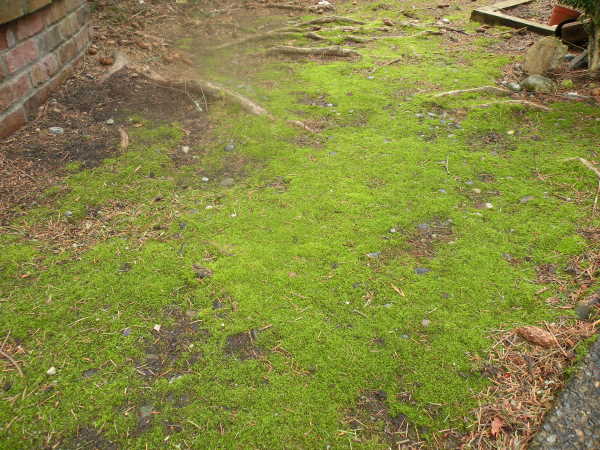
Image Source: turfgator.com
Identifying Moss in Lawn
Before you can tackle moss, it’s essential to correctly identify it. Identifying moss in lawn areas is usually straightforward due to its distinctive texture and appearance. Mosses are small, non-flowering plants that form dense, green mats. They lack true roots, instead having simple filaments called rhizoids that anchor them to surfaces.
Key characteristics of moss:
- Texture: Soft, velvety, and spongy to the touch.
- Appearance: Forms dense, low-growing carpets.
- Color: Typically a vibrant green, though it can vary with moisture levels.
- Growth Pattern: Spreads horizontally, often filling in bare patches where grass struggles.
- Environment: Prefers damp, shaded areas.
It’s important to distinguish moss from other lawn invaders like algae or certain types of weeds. Algae often appears as a slick, dark green or black film, especially after rain. Some weeds might have a similar texture but will typically have leaves or flowering structures that moss lacks.
Causes of Moss in Soil: What Makes it Thrive?
Moss doesn’t randomly appear; it signals specific environmental conditions in your yard. Understanding the causes of moss in soil is the foundation for any effective lawn care for moss strategy. Moss is often a symptom of underlying issues that prevent healthy grass growth.
1. Shade and Insufficient Sunlight
One of the most common reasons for moss growth is excessive shade. Most turfgrass varieties require at least 4-6 hours of direct sunlight per day to thrive. When your lawn receives less sunlight, moss, which can tolerate much lower light levels, gains a competitive advantage.
- Sources of Shade:
- Large trees with dense canopies.
- Buildings and fences.
- Overgrown shrubs.
- North-facing slopes.
Moss on shaded lawn areas is particularly prevalent. If large parts of your yard are consistently shaded, consider adjusting your landscaping by pruning trees or choosing shade-tolerant ground covers instead of grass.
2. Poor Drainage and Excessive Moisture
Moss loves moisture. Areas where water tends to sit, even for short periods, create an ideal breeding ground for moss. Poor drainage can be caused by several factors:
- Compacted Soil: When soil becomes compacted, water cannot penetrate effectively, leading to surface pooling.
- Heavy Clay Soil: Clay soils naturally drain slower than sandy soils.
- Low-Lying Areas: Depressions in the lawn collect water.
- Overwatering: Frequent and excessive watering can keep the soil consistently wet.
Consistent dampness inhibits root development for grass while encouraging moss to spread.
3. Soil Compaction
Compacted soil is a significant contributor to moss problems. When soil particles are pressed too closely together, it reduces pore space, which is essential for air circulation, water infiltration, and root growth.
- Causes of Compaction:
- Heavy foot traffic (children playing, pets).
- Mower traffic, especially on wet soil.
- Construction activity.
- Heavy rainfall on bare soil.
Compacted soil makes it difficult for grass roots to grow deep, leaving the surface vulnerable to moss.
4. Low Soil Fertility and pH Imbalance
Moss can also indicate nutrient-poor soil. Grass needs specific nutrients to grow strong and healthy, outcompeting other plants like moss. If the soil lacks essential nutrients, grass will weaken, creating openings for moss.
- Nutrient Deficiency: Particularly nitrogen, which promotes leafy green growth.
- Incorrect pH: Moss tends to prefer acidic soil conditions (low pH). While not all moss requires highly acidic soil, many common lawn mosses do. Ideal soil pH for most turf grasses is between 6.0 and 7.0. If your soil is significantly outside this range, it can favor moss.
Regular soil testing can reveal nutrient deficiencies and pH imbalances that need correction.
5. Poor Air Circulation
Similar to compaction, poor air circulation can contribute to damp conditions on the soil surface, which moss favors. Overgrown trees, dense shrubbery, and surrounding structures can block airflow, keeping the lawn moist for longer periods.
6. Thin or Bare Patches in Grass
Moss often colonizes areas where the grass is already struggling or has died off. These bare patches are prime real estate for moss to establish itself. The reasons for thin grass can include drought, disease, pests, or improper mowing practices.
Moss Problems in Yard: The Impact on Your Lawn
While a small amount of moss might seem harmless, significant growth indicates underlying issues that will eventually harm your grass. Left unchecked, moss problems in yard can lead to a host of detrimental effects.
- Choking Out Grass: Moss grows densely, forming a thick mat that can suffocate and crowd out desirable turfgrass. It competes for sunlight, water, and nutrients.
- Hindering Water and Nutrient Penetration: The dense moss layer can act as a barrier, preventing water, fertilizers, and air from reaching the soil and the grass roots.
- Creating Slippery Surfaces: Especially when wet, thick moss can make walkways and lawn areas dangerously slippery.
- Indicating Deeper Soil Issues: Persistent moss growth is a clear signal that your soil is not in optimal condition for healthy grass.
Removing Moss from Grass: A Comprehensive Approach
Successfully removing moss from grass requires more than just pulling it out. It involves addressing the root causes to prevent its return and foster a robust lawn.
Step 1: Manual Removal
The first step is typically to physically remove the existing moss.
- Raking: Use a stiff wire rake or a dethatching rake to vigorously rake the mossy areas. This will tear out the moss and its rhizoids from the soil.
- Scraping: For thicker patches, a garden hoe or a stiff brush can be used to scrape away the moss.
- Dethatching: A mechanical dethatcher is highly effective for larger areas. It has rotating tines that dig into the turf and pull out thatch, moss, and other debris.
Important Considerations During Removal:
- Timing: It’s best to remove moss in late winter or early spring before active grass growth begins, or in the fall after the growing season slows.
- Disposal: Collect the removed moss and dispose of it properly to prevent it from re-establishing. Do not compost moss from an infected lawn, as it may contain spores.
Step 2: Aeration
Aeration is crucial for breaking up compacted soil, improving drainage, and allowing air, water, and nutrients to reach the grass roots.
- How it Works: Aerators create small holes in the soil, allowing them to expand and decompress.
- When to Aerate: Aerate when your grass is actively growing. For cool-season grasses (like fescue, bluegrass, ryegrass), this is typically in the fall or spring. For warm-season grasses (like Bermuda, zoysia), aerate in late spring or early summer.
- Frequency: Aerate at least once a year, or twice if your soil is severely compacted.
Step 3: Addressing Shade Issues
If shade is a primary cause, you need to manage it.
- Tree Pruning: Trim lower branches of trees to allow more sunlight to reach the ground. Thinning out the canopy can also help.
- Selective Removal: In extreme cases, consider removing trees that cast too much shade.
- Alternative Ground Cover: For heavily shaded areas where grass struggles, consider planting shade-tolerant ground covers like Vinca minor (periwinkle), Pachysandra, or Hostas.
Step 4: Improving Drainage
If your yard has poor drainage, take steps to rectify it.
- Amend Soil: Incorporate organic matter (compost, peat moss) into the soil to improve its structure and drainage. This is best done during aeration or when establishing new lawn areas.
- Leveling: Fill in low-lying areas where water collects.
- French Drains: For persistent waterlogging, consider installing French drains.
Step 5: Soil Amendment and pH Correction
- Soil Testing: Get your soil tested to determine its pH and nutrient levels. Your local cooperative extension office can often provide this service.
- Lime Application: If your soil is too acidic, apply lime according to the soil test recommendations. Apply lime in the fall for best results.
- Fertilizing: Once you’ve corrected the pH, fertilize your lawn with a balanced fertilizer, focusing on nitrogen to encourage strong grass growth. Follow the recommended application rates and timing for your grass type.
Moss Treatment for Lawns: Chemical and Natural Options
Once the underlying issues are being addressed, you can employ treatments to kill existing moss.
Chemical Moss Treatments
Several commercial products are designed to kill moss. These often contain:
- Iron Sulfate (Ferrous Sulfate): This is a common ingredient in many moss killers. It causes the moss to turn black and die, after which it can be raked out. Iron can also help green up your lawn.
- Application: Mix with water and apply evenly with a sprayer. Ensure thorough coverage of the mossy areas.
- Caution: Iron can stain concrete and other surfaces. Avoid applying to ornamental plants.
- Copper Sulfate: Another effective moss killer, though it can be toxic to some plants and aquatic life, so use with caution.
- Herbicides with Moss-Killing Properties: Some broadleaf herbicides are formulated to kill moss as well as weeds.
When to Apply Chemical Treatments:
- Apply when moss is actively growing, usually in fall or spring.
- Ensure the lawn is not stressed by drought.
- Follow product instructions precisely regarding application rates and safety precautions.
Natural Moss Treatments
For those who prefer a more eco-friendly approach, natural treatments are available.
- Manual Removal and Aeration (as described above): These are the most natural and often the most effective long-term solutions.
- Potassium Soap (Potassium Salts of Fatty Acids): Some organic lawn care products use potassium soaps to kill moss. They work by breaking down the cell walls of the moss.
- Vinegar (Horticultural Vinegar): Horticultural vinegar with a high acetic acid content (10-20%) can kill moss on contact. However, it is non-selective and can also damage grass if not applied carefully. Use it as a spot treatment.
- Application: Dilute horticultural vinegar with water (follow product or general guidelines, e.g., 1 part vinegar to 4 parts water) and spray directly onto moss.
- Caution: Vinegar can lower soil pH temporarily. It can also damage grass blades. Test in a small area first.
Healthy Lawn Moss Prevention: Ongoing Lawn Care
The best strategy for dealing with moss is healthy lawn moss prevention. By consistently maintaining a healthy lawn, you create an environment where grass can outcompete moss.
Key Lawn Care Practices for Moss Prevention:
- Mow at the Correct Height: Mow your grass higher than usual. Taller grass shades the soil, keeping it cooler and moister, which discourages moss. For most cool-season grasses, aim for 2.5 to 3.5 inches.
- Proper Watering: Water deeply and less frequently. This encourages grass roots to grow deeper, making the grass more resilient. Allow the soil surface to dry out slightly between waterings.
- Regular Fertilization: Feed your lawn with the right nutrients at the right times to promote thick, healthy growth. A strong, dense lawn will naturally crowd out moss.
- Aeration: Continue to aerate your lawn annually to prevent soil compaction.
- Dethatching: Remove thatch build-up, which can also harbor moss and hinder nutrient penetration.
- Overseeding: In the fall, overseed thin or bare areas with a high-quality grass seed mixture suitable for your climate and light conditions. This fills in gaps where moss might otherwise establish.
- Soil pH Management: Periodically test your soil’s pH and amend it as needed to keep it within the optimal range for grass.
Mossy Yard Solutions: A Summary
Dealing with a mossy yard solutions requires a multi-pronged approach. Here’s a recap of effective strategies:
| Strategy | Description |
|---|---|
| Identify Causes | Determine why moss is growing: shade, poor drainage, compaction, low fertility, or incorrect pH. |
| Manual Removal | Use a stiff rake, dethatcher, or hoe to physically remove moss from the lawn. |
| Aeration | Core aeration is essential to decompact soil, improving air, water, and nutrient penetration. |
| Address Shade | Prune trees, thin canopies, or consider shade-tolerant ground covers for heavily shaded areas. |
| Improve Drainage | Amend soil with organic matter, fill low spots, or install drainage systems if waterlogging is a persistent issue. |
| Soil Testing & pH | Test soil for pH and nutrients. Apply lime to raise pH if acidic, or sulfur if alkaline. Fertilize appropriately for healthy grass growth. |
| Moss Killers (Chemical) | Use products containing iron sulfate or copper sulfate to kill moss. Rake out dead moss afterwards. |
| Moss Killers (Natural) | Consider horticultural vinegar for spot treatment, but use with caution. Focus on prevention and manual removal for organic solutions. |
| Preventative Care | Mow high, water deeply and infrequently, overseed bare patches, and maintain optimal soil conditions for robust grass growth. |
Frequently Asked Questions (FAQ)
Q1: Will moss eventually kill my grass?
A1: While moss itself doesn’t typically kill grass directly, it thrives in conditions that weaken grass. By outcompeting grass for resources and blocking sunlight, water, and air, it can contribute to the decline and eventual death of your turf.
Q2: Is moss bad for a lawn?
A2: In most cases, yes. While aesthetically pleasing to some, moss growth is usually a sign that your lawn is unhealthy and facing underlying issues like poor drainage, shade, or soil compaction. Addressing the causes of moss will improve the overall health of your lawn.
Q3: Can I just rake the moss out and be done with it?
A3: Raking is a necessary first step to remove existing moss, but it’s rarely a permanent solution on its own. If you don’t address the conditions that allowed the moss to grow in the first place (shade, compaction, moisture), it will likely return.
Q4: When is the best time to treat moss in my lawn?
A4: The best times to treat moss are typically in the fall or early spring. These are periods when moss is actively growing, and the conditions are often favorable for both moss treatments and subsequent lawn repair.
Q5: How can I prevent moss from returning after I’ve removed it?
A5: Prevention is key. Focus on creating an environment that favors grass growth over moss. This includes improving sunlight exposure, ensuring good drainage, aerating to prevent compaction, maintaining proper soil fertility and pH, and promoting dense grass growth through good mowing and watering practices. Overseeding thin areas is also crucial.