
Skunks dig in yards primarily to find food. They are omnivores and their diet consists of insects, grubs, small rodents, eggs, fruits, and vegetables. This blog post will delve into the various reasons for skunk digging, their foraging behavior, and how to manage their presence in your yard.
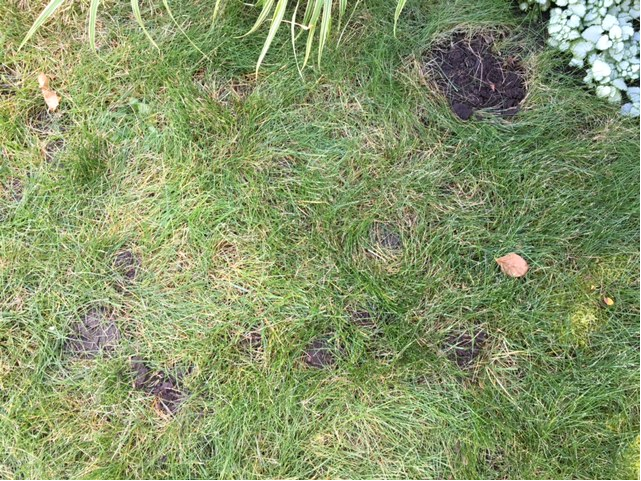
Image Source: extension.usu.edu
Fathoming Skunk Digging Behavior
Seeing your lawn pockmarked with small holes can be frustrating. If you suspect a skunk is the culprit, it’s important to understand their natural behaviors. Skunks are primarily nocturnal, meaning skunk activity at night is common as they search for sustenance. Their digging is not malicious; it’s a direct result of their survival instincts.
The Hunt for Grubs and Insects
One of the most frequent reasons for skunk digging for grubs and other invertebrates is the rich food source they represent. Skunks have a keen sense of smell, which allows them to detect these buried treasures beneath the soil. They will use their sharp claws to excavate shallow holes in lawns and gardens, turning over sod and soil in their pursuit.
Skunk digging for insects is a crucial part of their diet, especially during warmer months when insect populations are high. This includes beetles, caterpillars, earthworms, and other larvae. These protein-rich meals are vital for their health and energy levels.
Broader Reasons for Skunk Digging
Beyond just grubs and insects, skunks are opportunistic eaters. Therefore, skunk digging for food encompasses a wider range of potential meals. They might be searching for:
- Small rodents: Voles, mice, and shrews often burrow underground, and skunks are adept at finding and unearthing them.
- Bird eggs and nestlings: If a skunk discovers a ground-nesting bird’s nest, they won’t hesitate to dig for eggs or young birds.
- Berries and fruits: In season, skunks will supplement their diet with fallen fruits and berries, and sometimes dig around plants where these are found.
- Garbage: If unsecured garbage cans are available, skunks may dig through them for discarded food scraps.
This diverse diet highlights their adaptability and why they might be seen digging in various locations within a yard.
Deciphering Skunk Foraging Behavior
The act of digging is a refined skill for skunks. Their skunk foraging behavior is characterized by meticulous searching and precise excavation. They aren’t simply randomly tearing up the ground; they are actively seeking out prey.
How Skunks Find Their Food
Skunks possess an exceptional sense of smell. They can detect the faint scent of insects and larvae hidden deep within the soil. This olfactory prowess guides them to promising digging spots. Once a potential meal is located, they use their strong foreclaws to swiftly dig down and capture their prey.
When Skunks Are Most Active
As mentioned, skunks are predominantly nocturnal. This means the majority of skunk activity at night involves foraging. They emerge from their dens after dusk to explore their territory in search of food. Dawn can also see some activity as they return to their resting places. This is why you’re more likely to see the results of their digging in the morning.
Skunk Burrowing in Garden: A Common Scenario
Your garden, with its rich soil and often abundant insect life, can be a prime target for skunks. Skunk burrowing in garden areas is a common occurrence for several reasons.
The Garden’s Appeal to Skunks
- Rich Soil: Gardens often have looser, more tilled soil, making it easier for skunks to dig compared to compacted lawns.
- Insect Abundance: Garden beds are fertile grounds for a variety of insects, larvae, and earthworms, which are a staple in a skunk’s diet.
- Water Source: Gardens might be located near water sources or have regular watering, attracting insects and amphibians that skunks also consume.
- Shelter: Dense garden foliage can provide temporary cover for skunks during their nocturnal excursions.
Impact on Your Garden
While skunks may be helping to control some garden pests, their digging can still be disruptive. They can unearth seedlings, damage flower beds, and create unsightly holes.
Why Are Skunks Digging? Synthesizing the Reasons
To fully grasp why are skunks digging, it’s essential to consider all the contributing factors. It’s a combination of instinct, opportunity, and necessity.
- Food Availability: The primary driver is the search for food. If your yard offers a buffet of insects, grubs, or small creatures, skunks will be drawn to it.
- Habitat Suitability: Skunks seek safe places to rest and den. Areas with dense vegetation, brush piles, or undisturbed spaces under decks and sheds can attract them. If they find a comfortable den nearby, they will expand their foraging range into your yard.
- Mating Season: During the spring breeding season, male skunks may travel farther and dig more extensively in search of mates.
- Seasonal Changes: As seasons change, the availability of different food sources fluctuates. Skunks may adapt their digging habits to find what’s available, such as increased insect activity in spring and summer.
Addressing Skunk Control in Yard: Effective Strategies
When skunks become a nuisance, implementing skunk control in yard strategies is necessary. The goal is to make your yard less appealing to them without causing harm.
Making Your Yard Less Inviting
Several methods can deter skunks from digging. These strategies focus on removing attractants and creating an environment they’d rather avoid.
Removing Food Sources
- Secure Garbage: Ensure all garbage cans have tight-fitting lids. Clean up any spilled garbage immediately.
- Pet Food: Avoid leaving pet food outdoors, especially overnight.
- Compost Piles: If you have a compost pile, ensure it’s well-maintained and not attracting skunks with exposed food scraps.
- Fallen Fruit: Regularly clear away fallen fruits from trees and bushes.
Eliminating Shelter
- Seal Entry Points: Inspect your home and outbuildings for potential den sites, such as spaces under decks, porches, sheds, or crawl spaces. Seal any openings with sturdy wire mesh.
- Clear Brush Piles: Remove dense brush or woodpiles from your yard, as these provide ideal shelter for skunks.
Employing Skunk Deterrents
If physical deterrents are needed, consider these options.
Natural Deterrents
- Strong Odors: Skunks have a sensitive sense of smell. Repellents with strong odors can be effective.
- Ammonia-soaked rags: Place rags soaked in ammonia near areas where skunks are digging.
- Castor oil: A mixture of castor oil and water sprayed on the lawn can deter insects and grubs, making the area less attractive.
- Essential oils: Some essential oils, like peppermint, citronella, or eucalyptus, can be diffused or diluted and sprayed.
- Mothballs: While sometimes used, mothballs can be toxic and are not recommended if you have pets or children. Use with extreme caution if at all.
Physical Deterrents
- Motion-Activated Sprinklers: A sudden spray of water can startle skunks and encourage them to leave.
- Ultrasonic Devices: These emit high-frequency sounds that are unpleasant to skunks but generally inaudible to humans and pets. Their effectiveness can vary.
- Garden Netting: For newly planted gardens, low-lying netting can prevent digging until plants are established.
Professional Assistance
If skunk problems persist or you’re dealing with a particularly persistent infestation, consider contacting a wildlife removal service. They have the expertise and equipment to humanely trap and relocate skunks if necessary.
Common Questions About Skunks in the Yard
Here are some frequently asked questions regarding skunks and their digging habits:
Q1: What is the best time to look for skunk damage?
A1: Skunk damage is usually most apparent in the morning. This is because skunk activity at night is when they are most active in foraging and digging.
Q2: Can skunks cause damage to my lawn?
A2: Yes, skunks can cause damage to your lawn when they are skunk digging for grubs or insects. They create shallow holes as they search for food, which can disrupt the turf.
Q3: Are skunks dangerous to humans or pets?
A3: Skunks are generally not aggressive and will only spray if they feel threatened. However, their spray is a potent defense mechanism. It’s important to keep pets on a leash and supervise them outdoors, especially at night, to avoid startling a skunk.
Q4: How can I prevent skunks from returning?
A4: Consistent application of skunk deterrents, removing attractants like food and shelter, and sealing potential den sites are key to preventing skunks from returning to your yard.
Q5: Is skunk digging harmful to my plants?
A5: While skunk burrowing in garden areas might incidentally disturb plants, their primary goal is food. They are not typically eating your plants, but their digging can uproot them or damage root systems.
Q6: What are the main reasons for skunk digging?
A6: The primary reasons for skunk digging are to find food, specifically insects, grubs, and small animals. They also dig to create or improve dens and may dig more during mating season or when seeking specific seasonal food sources.
Q7: Can I coexist with skunks in my yard?
A7: In many cases, coexistence is possible. By managing food sources, securing your home, and making your yard less appealing for digging, you can often deter skunks from causing significant damage while allowing them to exist in your neighborhood.
Table: Common Skunk Diet and Digging Indicators
| Food Source | Digging Indicator |
|---|---|
| Grubs | Small, shallow holes in lawns, often in patches. |
| Insects | Similar to grub digging, sometimes more scattered holes. |
| Earthworms | Small, irregular holes, especially after rain. |
| Small Rodents | Deeper, more targeted holes; overturned soil. |
| Berries/Fruit | Digging around the base of fruit-bearing plants. |
| Bird Eggs/Nestlings | Disturbed soil near bird nests or nesting areas. |
This table highlights the direct link between what skunks eat and how they go about getting it, explaining the skunk foraging behavior in practical terms.
Conclusion: Reclaiming Your Yard
Witnessing skunk digging for food in your yard can be an unwelcome surprise. However, by understanding their natural behaviors and the reasons for skunk digging, you can implement effective strategies for skunk control in yard. From securing your garbage to using natural deterrents, a proactive approach will help you maintain a skunk-free, or at least skunk-tolerated, garden and lawn. Remember, the goal is to make your yard an unappealing environment for them, encouraging them to seek their meals elsewhere.