
Your lawn is looking patchy and brown, and you’re wondering what’s causing the damage. Lawn grubs are the likely culprits. These C-shaped, white larvae of various beetles feed on grass roots, leading to significant damage.
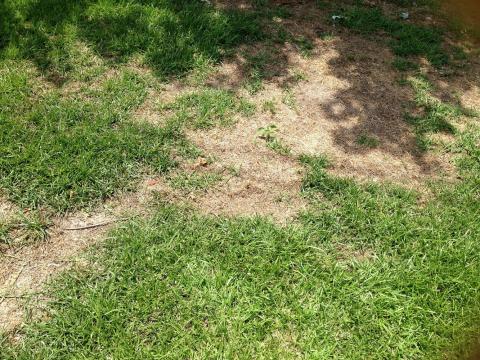
Image Source: extension.unh.edu
Deciphering Grub Infestations
Grubs are the larval stage of several types of beetles, most commonly the Japanese beetle, European chafer, oriental beetle, and June beetle. These adult beetles lay their eggs in the soil of healthy lawns during the summer months. The eggs hatch into tiny grubs that begin feeding on the grass roots almost immediately.
Common Types of Grubs
- Japanese Beetle Grubs: These are a common problem in many areas. Adult Japanese beetles are metallic green with bronze wing covers. They emerge in early summer and feed on a wide variety of plants, including roses, ornamental trees, and shrubs, as well as turfgrass. Their grubs are small and feed on roots throughout the summer and fall.
- European Chafer Grubs: Originating from Europe, these beetles are light brown and active at dusk. They prefer to lay their eggs in well-maintained lawns. The grubs are a significant threat to turf, feeding heavily on roots during late summer and fall, and again in early spring.
- Oriental Beetle Grubs: These beetles are typically tan or light brown. They emerge later in the summer than Japanese beetles. Their grubs are also root feeders and can cause damage throughout the fall and into the spring.
- June Beetle Grubs (May Beetles): These are larger, creamy-white grubs with brown heads. They can take up to three years to develop, meaning you might see them for a longer period. They feed on grass roots and can cause substantial damage over time.
The Grub Life Cycle
Understanding the life cycle of these pests is key to effective control.
- Adult Beetle Emergence: Adult beetles typically emerge from the soil in late spring or early summer.
- Egg Laying: After mating, adult females burrow back into the soil to lay their eggs, usually a few inches below the surface. They prefer moist, well-maintained lawns for egg-laying.
- Hatching and Feeding: The eggs hatch within a few weeks, and the young grubs begin to feed on grass roots. This is the most damaging stage for your lawn. The intensity of feeding usually peaks in late summer and fall.
- Overwintering: As temperatures drop in the fall, the grubs burrow deeper into the soil to overwinter. They remain in the soil throughout the winter.
- Spring Activity: When the soil warms up in the spring, the grubs become active again and resume feeding on grass roots. This can cause further damage before they pupate and emerge as adult beetles, starting the cycle anew.
Identifying Grub Damage
Recognizing the signs of grub damage is the first step in addressing the problem. Damaged lawns often exhibit several telltale symptoms:
- Irregular, Brown Patches: The most common sign is the appearance of brown or yellowish patches that seem to appear out of nowhere. These patches often enlarge or merge over time.
- Spongy Feel: When you walk on a grub-infested lawn, it might feel unusually spongy or springy. This is because the grubs have eaten so many roots that the turf can be easily lifted from the soil.
- Easy Lifting of Sod: You can often roll up sections of the turf like a carpet. If you can easily lift a piece of sod, it’s a strong indicator that the roots have been consumed by grubs.
- Increased Pest Activity: Birds, skunks, raccoons, and moles are attracted to lawns with grub infestations because grubs are a good food source. You might notice more digging or burrowing activity in your lawn.
How to Check for Grubs
A simple visual inspection can confirm the presence of lawn grubs.
- Digging Test: Use a trowel or a shovel to dig up a small section of your lawn, about 1 square foot, in an area where you suspect damage. Gently sift through the soil and look for C-shaped, white larvae with brown heads.
- Thresholds for Action: A general rule of thumb is that if you find more than 5-10 grubs per square foot, you likely have a problem that requires treatment.
Here’s a quick reference for identifying the presence of grubs:
| Symptom | Description |
|---|---|
| Patchy Brown Spots | Areas of turf turn yellow or brown, often in irregular shapes. |
| Spongy Turf | The lawn feels soft and springs back when walked on due to root damage. |
| Sod Lifts Easily | Sections of turf can be peeled back like a carpet because roots are eaten. |
| Increased Wildlife | You may see digging from animals like moles, skunks, or birds seeking food. |
| Visible Grubs | Digging a small sample of soil reveals C-shaped, white larvae. |
The Causes of Grub Infestations
Several factors contribute to why your lawn might have grubs. It’s not just bad luck; it’s often a combination of environmental conditions and available resources for these pests.
Environmental Factors
- Moist Soil: Adult beetles prefer to lay their eggs in moist soil. Periods of drought followed by rain, or consistent watering, can create ideal conditions for egg-laying.
- Temperature: Warm summer temperatures generally favor beetle activity and egg hatching.
- Soil Type: While grubs can infest various soil types, they often thrive in well-drained, fertile soils that support healthy grass growth – the very thing they feed on.
Lawn Health and Maintenance Practices
- Overwatering: Constantly wet soil can attract egg-laying female beetles.
- Infrequent Mowing: Allowing grass to grow too long can provide shelter for adult beetles.
- Thatch Buildup: A thick layer of thatch (dead organic matter) can provide a protective environment for grubs and their eggs.
- Lack of Aeration: Compacted soil can make it harder for grass roots to establish and resist grub damage.
Proximity to Infested Areas
If your neighbors have grub problems, it’s more likely that adult beetles will fly into your lawn to lay eggs. Beetles can travel significant distances.
Grub Control and Treatment Options
Once you’ve identified a grub problem, it’s time to consider how to get rid of grubs. There are several effective grub treatment options available, ranging from chemical insecticides to biological controls and cultural practices. The best approach often involves a combination of methods.
Chemical Treatments
Chemical insecticides are a popular and often effective way to control grub populations. It’s important to apply them at the right time of year for maximum impact.
-
Curative Treatments: These are applied when you actively see grub damage and a high grub count. They kill existing grubs quickly.
- Common Active Ingredients: Look for products containing imidacloprid, chlorantraniliprole, trichlorfon, or carbaryl.
- Application: Apply with a spreader and water in immediately to move the insecticide into the soil where the grubs are feeding.
- Timing: Curative treatments are most effective when grubs are actively feeding near the surface, typically in late summer and fall, or early spring.
-
Preventative Treatments: These are applied before grubs hatch or become a significant problem. They prevent grubs from establishing themselves in your lawn.
- Common Active Ingredients: Neonicotinoids like imidacloprid and halofenozide are often used preventatively.
- Application: Apply in early to mid-summer, before egg-laying or as eggs are hatching. Water in lightly.
- Timing: The ideal window for preventative treatment is generally from late June through August, depending on your local climate and the specific beetle species. This ensures the insecticide is in the soil when eggs hatch.
Important Note on Chemical Use: Always read and follow the product label instructions carefully. Apply chemicals only when necessary and at the recommended rates. Be mindful of pollinators; avoid applying during the day when bees are actively foraging.
Biological and Natural Controls
For those seeking a more eco-friendly approach, biological and natural controls can be effective.
-
Nematodes: Beneficial nematodes are microscopic roundworms that are natural predators of grubs.
- How they work: These nematodes infect and kill grub larvae. Different species of nematodes are effective against different types of grubs.
- Application: Apply nematodes to the soil using a hose-end sprayer. They require moist soil and are best applied in the late afternoon or early evening when temperatures are cooler.
- Timing: Apply in late summer or early fall when grubs are young and near the surface. They can also be applied in early spring.
-
Milky Spore: This is a naturally occurring bacterium that is specifically lethal to Japanese beetle grubs.
- How it works: When grubs consume the spores, the bacterium multiplies within their bodies, eventually killing them.
- Application: Applied as a powder to the lawn. It can take several years to build up sufficient levels in the soil to provide significant control.
- Timing: Best applied in the fall or early spring when grubs are present and feeding. It’s a long-term solution rather than an immediate fix.
-
Diatomaceous Earth: This is a natural powder made from fossilized aquatic organisms.
- How it works: When grubs come into contact with diatomaceous earth, its sharp edges scratch their exoskeleton, causing them to dehydrate and die.
- Application: Sprinkle on the lawn. It needs to be reapplied after rain.
- Effectiveness: It’s generally less effective against grubs than other methods, especially once they are established. It works best on younger grubs and requires direct contact.
Cultural Practices for Grub Control
Good lawn care practices can make your lawn more resilient to grub damage and can even deter egg-laying.
- Proper Watering: Avoid overwatering. Water deeply and less frequently to encourage deeper root growth, making the grass more drought-tolerant and potentially less attractive to egg-laying beetles.
- Mowing Height: Mow your lawn at a higher setting. Taller grass shades the soil, making it less appealing to adult beetles for egg-laying. Aim for 3-4 inches for most grass types.
- Aeration: Aerating your lawn helps to reduce soil compaction and improve drainage, leading to healthier grass with stronger root systems. This makes the lawn more able to withstand minor grub damage.
- Dethatching: Regularly remove excess thatch buildup. This removes potential hiding places and moisture pockets that adult beetles might seek for egg-laying.
Preventing Lawn Grubs
The best strategy for lawn grubs is often prevention. By taking proactive steps, you can significantly reduce the likelihood of a severe grub infestation.
The Importance of Timing
Applying preventative treatments at the right time is crucial.
- Early to Mid-Summer: This is the critical window for preventative applications. Adult beetles are actively laying eggs during this period.
- Late Summer/Early Fall: This is when the newly hatched grubs are small, actively feeding, and most susceptible to control products.
Choosing the Right Treatment
- Preventative Insecticides: Applied in early to mid-summer, these products create a barrier in the soil that kills grubs shortly after they hatch.
- Curative Insecticides: Applied in late summer or early fall, these target grubs that have already hatched and are feeding. They work best on younger, smaller grubs.
Seasonal Lawn Care
Consistent, proper lawn maintenance is your first line of defense.
- Water Wisely: Deep, infrequent watering promotes strong root systems.
- Mow High: Taller grass discourages egg-laying.
- Fertilize Appropriately: A healthy, well-fed lawn can better withstand minor pest pressure.
- Inspect Regularly: Keep an eye on your lawn for early signs of damage or increased insect activity.
How Much Damage Can Grubs Cause?
The extent of damage caused by grub worms depends on several factors, including the grub population density, the type of grub, the health of your lawn, and the environmental conditions.
- Low Infestation (1-5 grubs/sq ft): You might see minor browning or thinning in isolated spots. The lawn can usually recover without intervention.
- Moderate Infestation (6-15 grubs/sq ft): Expect noticeable brown patches, a spongy feel, and the possibility of lifting sod. The lawn will likely require treatment.
- Severe Infestation (16+ grubs/sq ft): Widespread browning, dead patches, and significant sod lifting are common. The lawn may be severely damaged and require renovation.
It’s important to note that even a moderate infestation can weaken your lawn, making it more susceptible to other problems like drought, disease, and weed invasion.
Timing is Everything: When to Treat Grubs
The effectiveness of any grub control strategy hinges on correct timing.
Key Periods for Intervention
- Late Summer to Early Fall (August – October): This is often the most critical period for treating lawn grubs. The grubs are actively feeding on roots and are still relatively small and vulnerable. Most insecticides are most effective at this stage.
- Early Spring (April – May): Grubs that have overwintered will begin feeding again as the soil warms. Treatments applied in spring can also be effective, though the grubs are larger and may have already caused significant root damage.
Preventative vs. Curative Timing
- Preventative: Apply in early to mid-summer (June-July) to kill grubs as they hatch from eggs. This is the best way to avoid visible damage.
- Curative: Apply in late summer or early fall (August-October) to kill grubs that have already hatched and are feeding. This is for when you’ve identified an active infestation.
When to Call a Professional
While many DIY solutions are available for grub control, there are times when professional assistance is recommended.
- Severe Infestations: If your lawn is extensively damaged and you have a very high grub count, a professional pest control service may have access to more potent treatments and the expertise to apply them safely and effectively.
- Uncertainty about Identification: If you’re unsure whether you have grubs or another lawn problem, a professional can accurately diagnose the issue.
- Large Lawn Areas: Treating a large lawn can be challenging and time-consuming. Professionals have the equipment to cover large areas efficiently.
- Specific Beetle Species: Some beetle species require specific timing or treatment approaches that professionals are well-versed in.
Frequently Asked Questions (FAQ)
Q1: What do grubs look like?
Grubs are the larval stage of beetles. They are typically white, C-shaped, and have soft, wrinkled bodies with three pairs of legs near their heads. Their heads are usually brown and hard.
Q2: Can I treat my lawn for grubs at any time of year?
While treatments are available year-round, they are most effective when applied during specific periods when the grubs are actively feeding and vulnerable. Late summer to early fall is generally the best time for curative treatments, and early to mid-summer for preventative treatments.
Q3: How much damage can grubs really do?
Grubs feed on grass roots, which can cause significant damage. In severe infestations, they can kill entire sections of your lawn, making the turf easy to lift like a carpet. They weaken the grass, making it susceptible to drought and other stresses.
Q4: Are grubs harmful to humans or pets?
No, grub worms themselves are not harmful to humans or pets. They are simply soil-dwelling larvae. The main concern is the damage they cause to your lawn.
Q5: How do I know if my lawn has grubs?
Signs of grub damage include irregular brown patches, a spongy feel to the lawn, and the ability to easily lift sections of turf. You can also check by digging up a small square foot of your lawn to look for the C-shaped larvae.
Q6: Is there a natural way to get rid of grubs?
Yes, beneficial nematodes and milky spore disease are natural methods that can help control grub populations. Promoting a healthy lawn with proper watering and mowing also deters grubs.
Q7: If I treat my lawn, do I need to water it afterward?
Yes, for most grub treatments, watering the lawn immediately after application is crucial. This helps to move the insecticide or biological control into the soil where the grubs are located. Always follow the product label for specific instructions.
Q8: How long does it take for grub treatments to work?
The speed at which treatments work can vary. Chemical insecticides typically start killing grubs within a few days to a week. Biological controls like nematodes can take a few weeks, and milky spore can take several years to become fully effective.
Q9: Can I prevent grubs from coming back next year?
Yes, implementing a consistent preventative treatment program in early to mid-summer is the best way to stop the cycle and prevent future grub infestations. Maintaining a healthy lawn also makes it more resilient.
Q10: My neighbor has a lot of grubs, will they come to my yard?
Yes, adult beetles are mobile and can fly from one lawn to another to lay eggs. If your neighbor has a significant grub problem, your lawn is at a higher risk. It’s advisable to take preventative measures.